Why Barn Door Hardware Fails: Soft-Close Systems Prevail in 2026
Barn doors have evolved from rustic accents to essential elements in contemporary interiors. These doors integrate effortlessly into designs ranging from modern farmhouse to industrial lofts, providing visual warmth and efficient space utilization. However, many homeowners encounter a significant drawback: the hardware frequently underperforms, leading to frustration. Tracks bend under pressure, rollers seize from wear, and panels collide with abrupt force. The issue typically stems from the supporting hardware rather than the door panel. Soft-close mechanisms address these challenges effectively, transforming a potentially troublesome feature into a seamless, enduring component that enhances both form and function.
The Appeal of Sliding Barn Doors
Sliding barn doors introduce dynamic movement and tactile interest to otherwise stationary environments. They partition open layouts, hide storage areas, or enhance plain walls with architectural flair. This adaptability suits contemporary, rustic, or transitional settings alike. The effectiveness of such doors hinges on the hardware's appearance and operational dependability. A panel that moves silently and settles softly conveys craftsmanship and sophistication. In contrast, one that binds or bangs detracts from the overall harmony.
Homeowners increasingly recognize that hardware shapes the user experience. This awareness drives demand for advanced systems incorporating soft-close technology, which prioritize reliability alongside aesthetics.
Understanding the Problem: Why Traditional Hardware Fails
Conventional barn door hardware appears robust yet conceals vulnerabilities. Tracks constructed from slender steel yield to the door's weight over time. Rollers deteriorate rapidly in the presence of dust or grit due to inadequate protection. Critically, without soft-close integration, the door halts only upon striking a metal stop or wall buffer. This recurring force loosens connections, mars surfaces, and generates disruptive sounds that erode the door's charm.
Key failure areas encompass:
- Track misalignment resulting from inadequate wall securing or irregular mounting.
- Roller wear accelerated by constant friction and insufficient lubrication.
- Stop deterioration from ongoing collisions, causing paint chips or hardware dents.
- Operational strain as users manually decelerate heavy panels to avoid damage.
Soft-close hardware mitigates these issues through regulated motion and integrated cushioning.
The Soft-Close Advantage
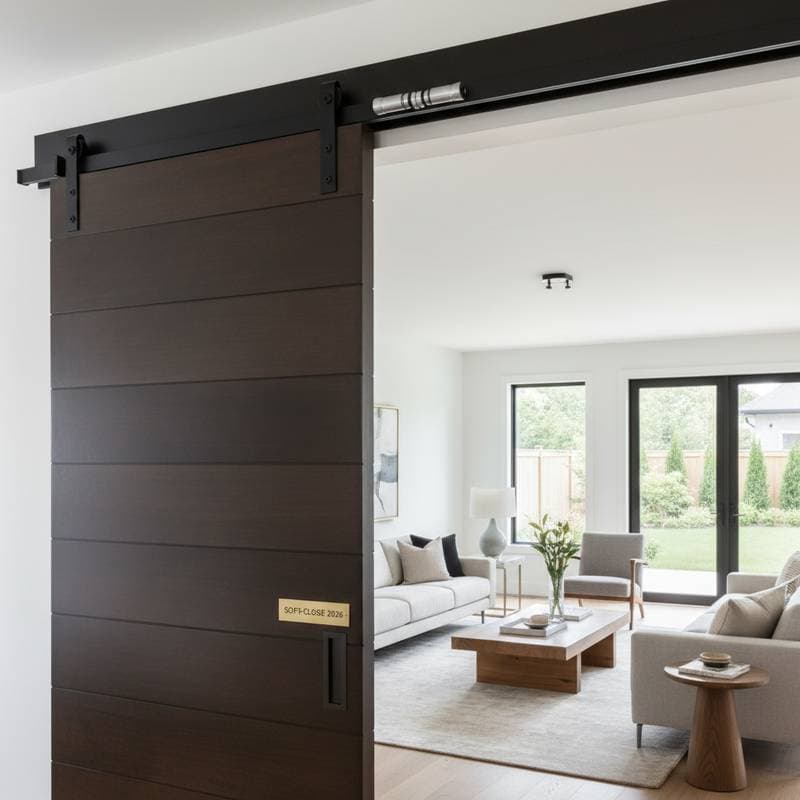
Soft-close mechanisms employ damping elements, typically hydraulic or pneumatic, to intercept the door moments before complete closure. The panel then eases into place via a hidden latch. This approach safeguards the hardware, door, and adjacent surfaces from forceful contact. The result mirrors the precision of premium cabinetry, ensuring consistent, effortless operation.
Benefits of soft-close systems extend to multiple aspects:
- Noise minimization: Silent progression replaces the harsh rattle of shifting panels.
- Enhanced safety: The design averts sudden closures, protecting fingers and hands.
- Extended durability: Gentle handling minimizes stress on tracks and rollers.
- Visual precision: Panels align perfectly each time, preserving design integrity.
In interiors that emphasize streamlined profiles and serene atmospheres, soft-close functionality emerges as an indispensable element.
Three Approaches to Achieve This Design
Budget-Friendly Option ($150 - $400)
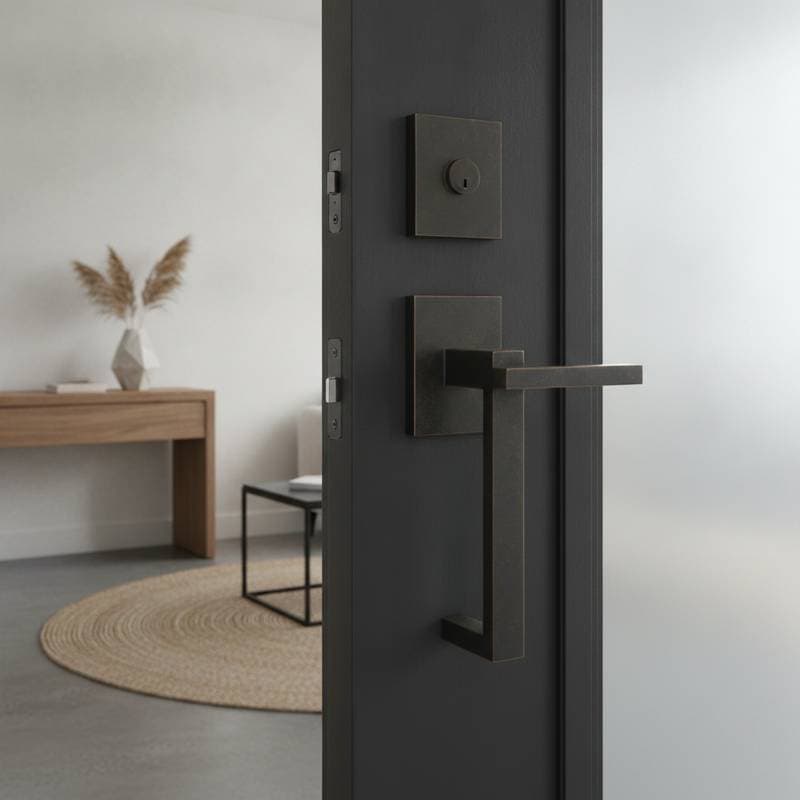
Select a steel track assembly featuring built-in soft-close dampers for essential performance. Powder-coated options in matte black or oil-rubbed bronze offer enduring style. Pair with lightweight panels, such as hollow-core wood or composites, to lessen operational demands. Allocate resources to superior rollers, as their smoothness determines the installation's overall sensation.
Mid-Range Option ($400 - $900)
Opt for sturdy steel or aluminum tracks equipped with bidirectional soft-close units. Complement with solid wood panels in oak, pine, or alder, finished in clear coat or stain for natural appeal. Include coordinated handle sets that harmonize with the track's surface. Prioritize adjustable soft-close devices to fine-tune closing speed and force.
Premium Option ($900 - $2,000)
Advance to high-end aluminum tracks with hidden fasteners for a sleek profile. Select superior hardwoods or reclaimed timber, treated with eco-friendly low-VOC sealants. Integrate bespoke hardware in finishes like brushed nickel or antique brass. Engage certified installers to guarantee flawless setup and sustained performance.
Material and Finish Selection Guide
- Tracks and Rollers: Prioritize solid steel or aluminum for resilience against daily use. Matte black suits industrial or farmhouse aesthetics, whereas brushed nickel or stainless steel aligns with modern schemes.
- Door Panels: Solid-core or reclaimed wood imparts substance and character. In sleek environments, painted MDF or composites deliver uniform, low-maintenance surfaces.
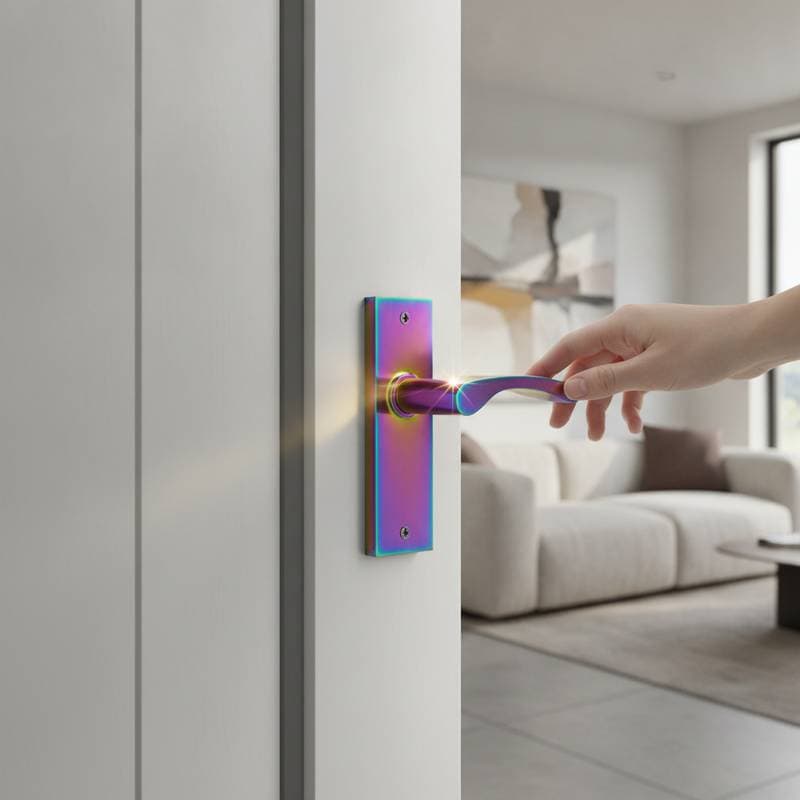
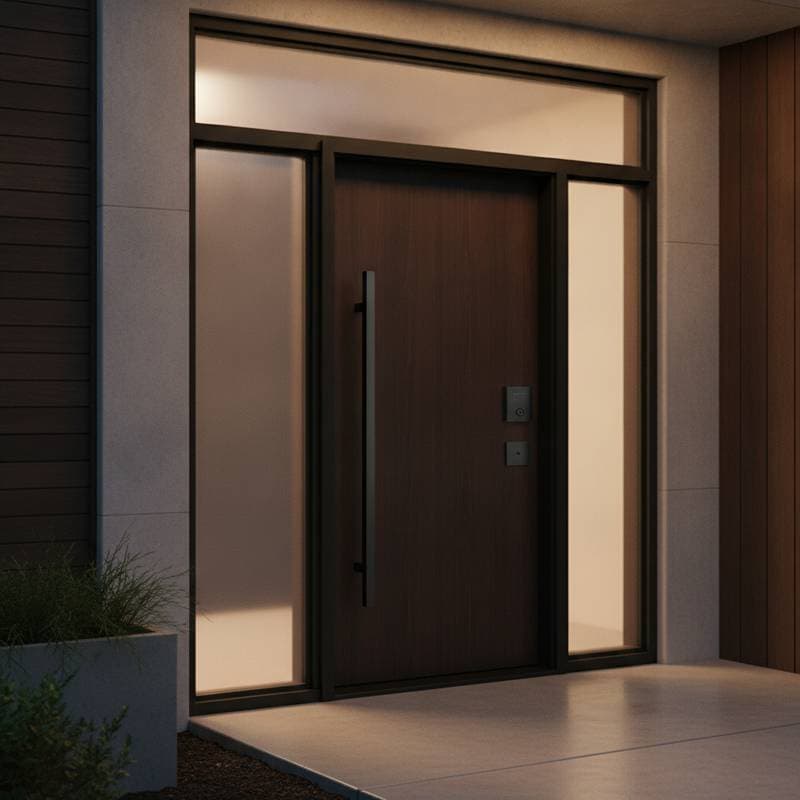
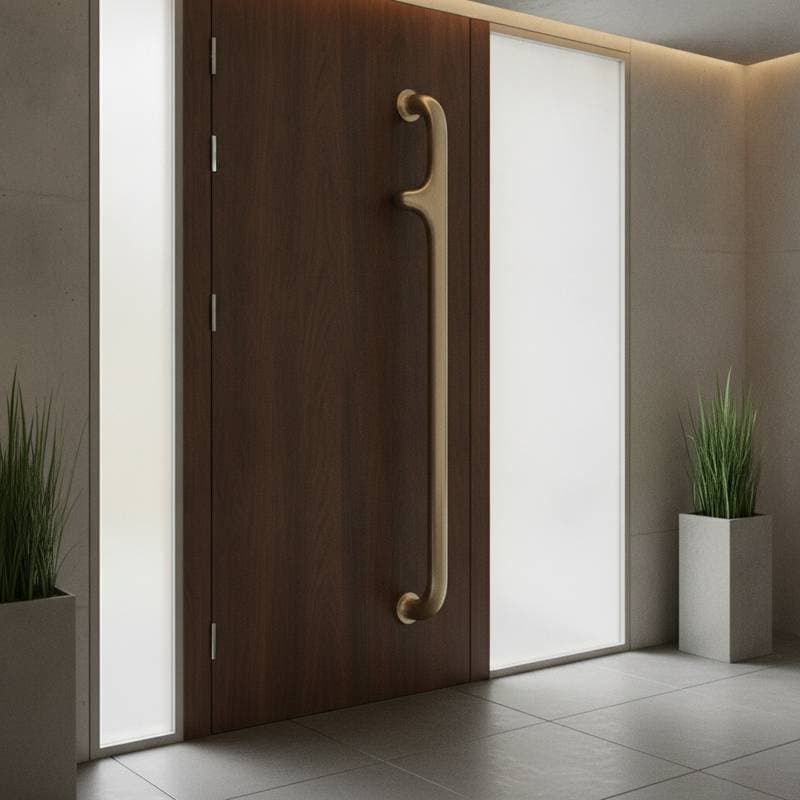
- Handles and Pulls: Extended vertical pulls in synchronized metals unify the ensemble. For rustic vibes, incorporate hand-forged iron or bronze accents.
- Soft-Close Elements: Seek discreet units that affix beneath the track, maintaining visual purity while ensuring fluid mechanics.
Recommended Color and Finish Combinations
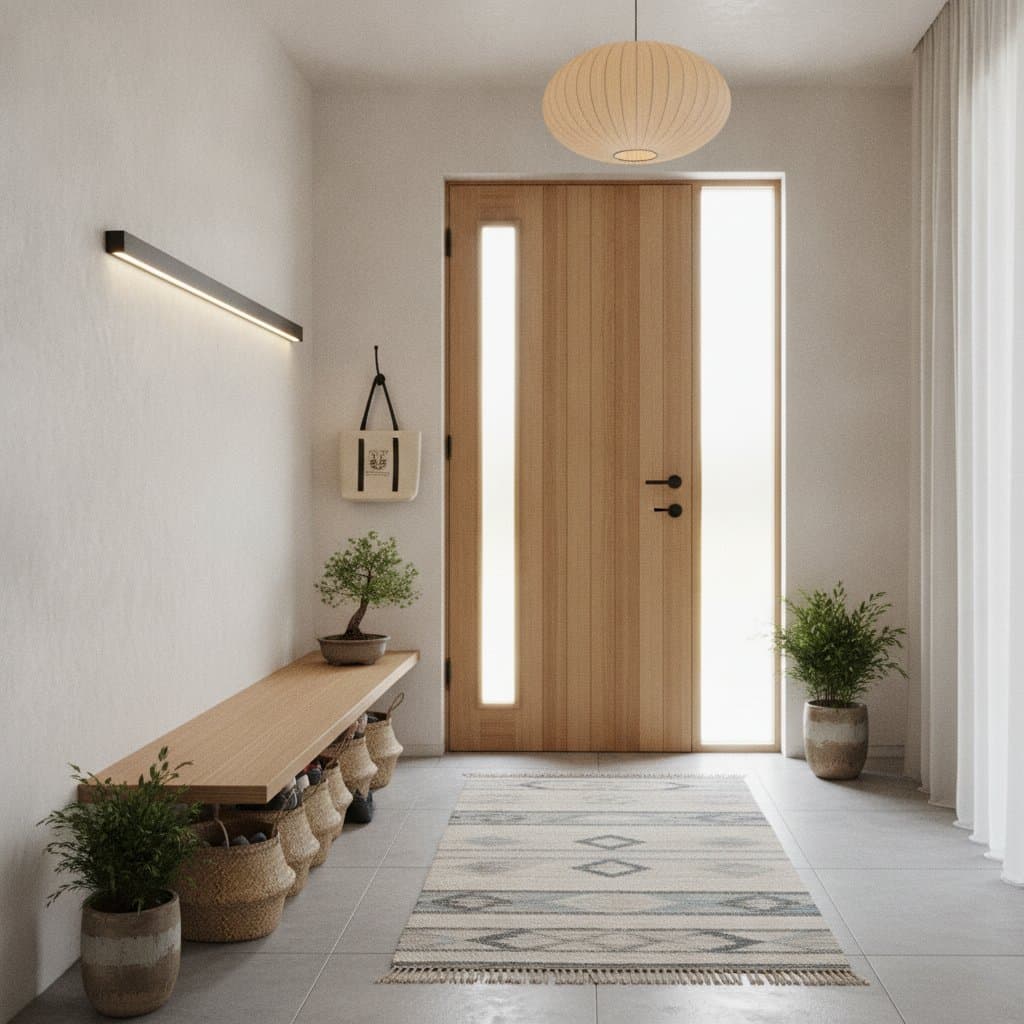
- Matte black hardware paired with natural oak panels for grounded elegance.
- Brushed nickel tracks alongside white-painted surfaces for crisp modernity.
- Oil-rubbed bronze accents with walnut-stained wood for warm depth.
- Polished chrome elements with pale gray composites for subtle sophistication.
- Aged brass hardware with reclaimed pine for timeless, weathered charm.
These pairings evoke unique atmospheres by harmonizing texture, hue, and sheen.
Maintenance Essentials
Soft-close hardware diminishes routine upkeep by curbing collision-related damage, yet regular care remains vital. Clean tracks monthly to clear debris that impedes rollers. Apply silicone lubricant to bearings quarterly for optimal glide. Inspect wall mounts yearly to confirm stability. Should the soft-close action falter, tweak the tension adjustment or swap the damper module; quality units facilitate straightforward servicing without track disassembly.
For wood panels, conduct seasonal reviews to detect moisture-induced changes. Reapply wax or oil to sustain organic sheens, and refresh paint on high-contact areas of coated doors. Diligent practices preserve peak condition over extended periods.
Common Pitfalls to Avoid
- Omitting soft-close capability: Initial cost savings frequently incur higher repair expenses down the line.
- Undersizing supports for substantial doors: Verify track capacity exceeds the panel's load.
- Neglecting precise leveling: Minor deviations foster resistance and auditory issues.
- Selecting finishes unsuitable for moist areas: In humid zones like baths or kitchens, choose rust-resistant alloys.
- Overlooking panel dimensions: Certain mechanisms demand specific thicknesses for secure attachment.
Successful projects begin with thorough measurements and components calibrated to weight and setting.
Pre-Installation Documentation Checklist
Prior to purchasing or contracting services, record the site to refine choices. Photograph:
- Broad views of the mounting wall, including ceiling and floor junctions.
- Detailed images of moldings, baseboards, and proximate furnishings guiding palette and proportion.
- Dimensions spanning floor to ceiling, plus wall space for unobstructed panel swing.
- Elements of surrounding illumination or surfaces intended for stylistic synergy.
- Structural notes on studs or irregularities affecting securement.
Such visuals aid in evaluating selections and conveying needs to professionals, averting errors and aligning outcomes with intent.
Integrating Soft-Close for Lasting Satisfaction
Adopting soft-close barn door hardware resolves common reliability concerns while elevating interior dynamics. This upgrade fosters quieter, safer, and more durable installations that endure daily demands. Homeowners gain not only functional excellence but also sustained aesthetic pleasure, ensuring spaces remain inviting and efficient well into 2026 and beyond.