Japanese Shoji Doors Redefine 2025 Minimalist Homes
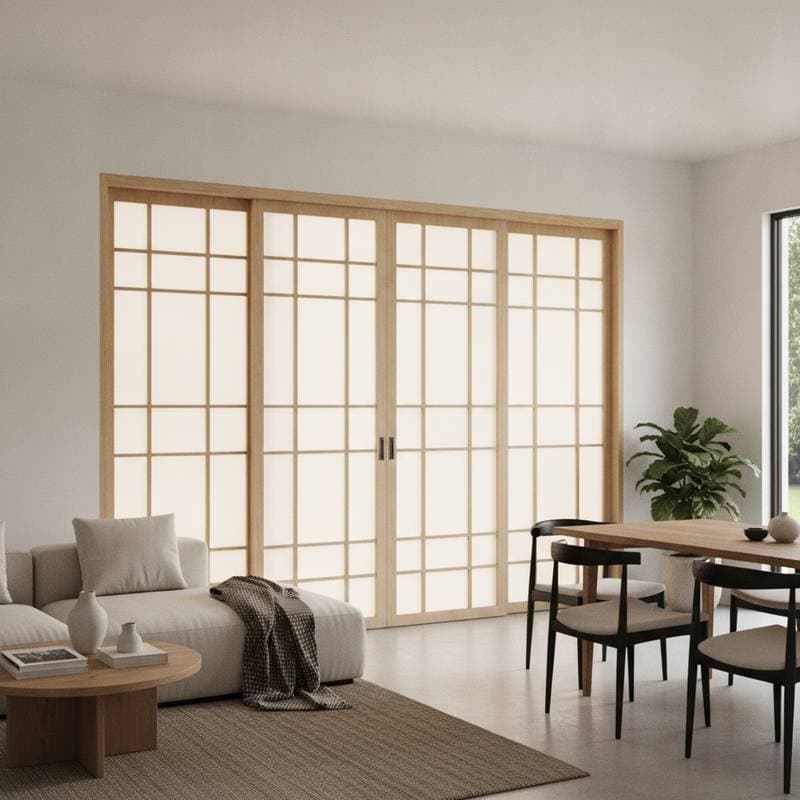
Minimalist design draws homeowners who prioritize simplicity, natural materials, and uncluttered spaces. Japanese shoji doors stand out among features that receive fresh interest. These lightweight, translucent sliding panels introduce balance, calm, and visual openness to modern interiors. As individuals seek serene and adaptable environments, shoji doors serve as a versatile, budget-friendly option.
Average Costs and What to Expect
Shoji doors vary in price based on size, materials, and craftsmanship levels. For a standard interior setup, expect to invest between $500 and $1,500, covering materials and labor. Custom or imported options range from $2,000 to $3,000 per panel, particularly those crafted from genuine Japanese cedar or featuring hand-latticed frames.
| Material/Service | Cost Range | Key Features |
|---|---|---|
| Prefabricated Shoji Panels | $300 to $600 | Ready-made, lightweight, suited for smaller rooms |
| Custom Wood Shoji Doors | $1,000 to $2,500 | Tailored dimensions, premium woods, authentic paper |
| Replacement Rice Paper (Washi) | $50 to $150 | Traditional translucent surface, soft light diffusion |
| Labor (Installation) | $200 to $500 | Encompasses fitting, track mounting, alignment |
These figures apply to interior projects. Exterior versions or those with glass hybrids incur higher expenses due to weatherproofing and added reinforcements.
Why Homeowners Choose Shoji Doors
Japanese design emphasizes harmony and ties to nature. Shoji doors align with this by dividing spaces without blocking views or light. The rice paper allows gentle sunlight diffusion, providing privacy while avoiding shadows.
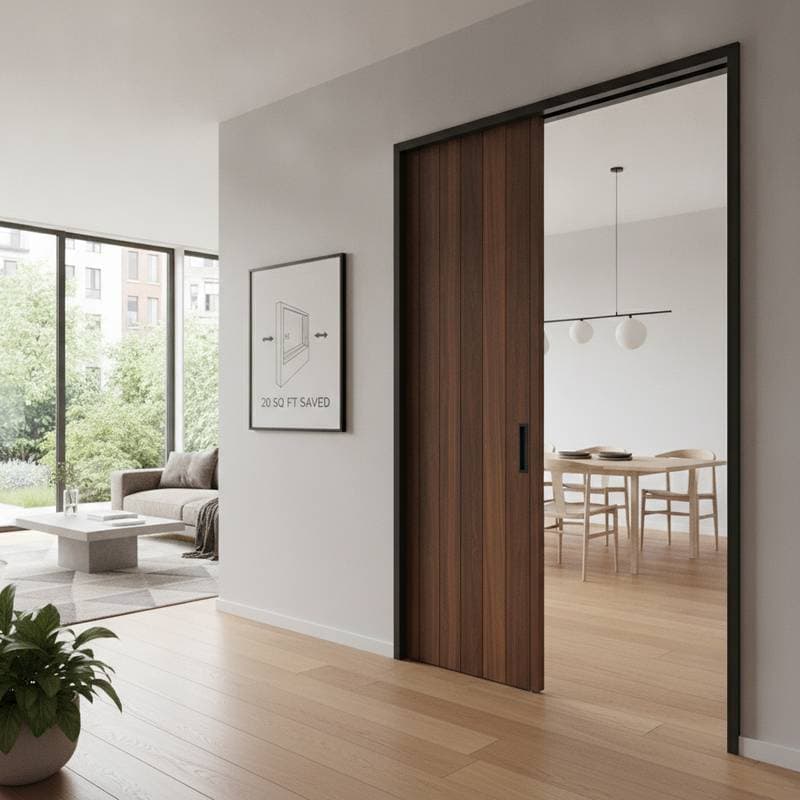
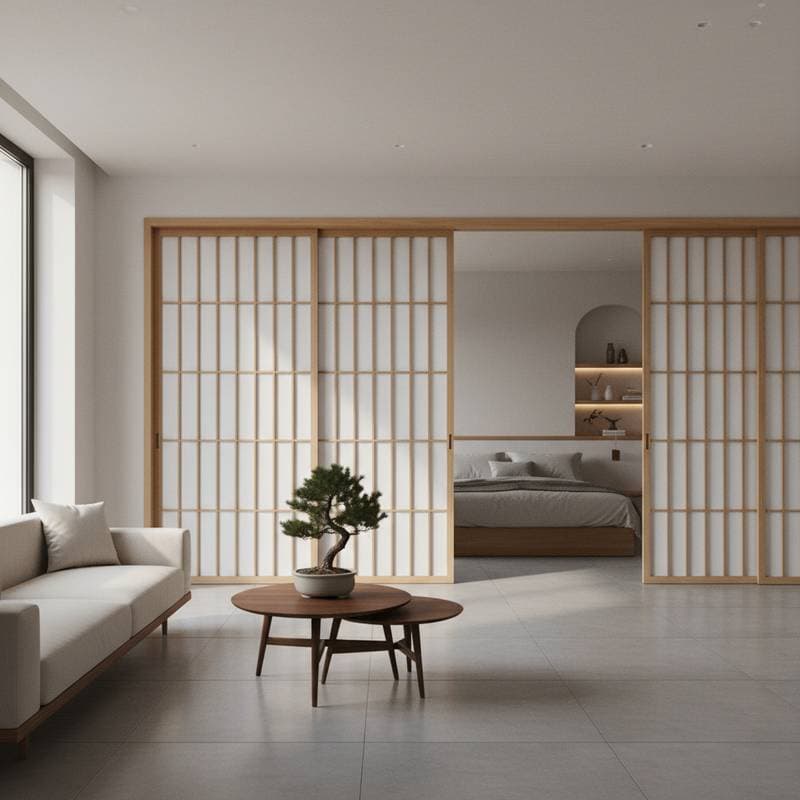
In compact homes or apartments, shoji doors substitute for cumbersome hinged varieties, saving floor area and promoting fluid movement between areas. Individuals often deploy them as room dividers, closet coverings, or screens for media setups.
"Shoji doors offer flexibility that most modern doors cannot," said Kenji Mori, a master carpenter specializing in Japanese interiors. "They invite light, define space, and create calm without adding clutter."
Material Options and Aesthetic Choices
Traditional shoji doors feature light wood frames like pine, cedar, or cypress, combined with washi paper or synthetic alternatives. Authentic washi delivers the classic appearance, while acrylic or laminated rice paper enhances durability and resists moisture in areas such as bathrooms or kitchens.
| Material Type | Cost Range | Durability | Best Use |
|---|---|---|---|
| Cedar | $800 to $1,500 | Moderate | Living rooms, bedrooms |
| Pine | $600 to $1,200 | Good | General interior applications |
| Bamboo | $700 to $1,400 | Excellent | Eco-friendly, lightweight choice |
| Laminated Rice Paper | $80 to $200 per panel | Very good | Moisture-exposed locations |
Contemporary shoji doors frequently incorporate black or dark walnut frames for contrast against pale walls. Designs with frosted glass replace paper in some cases, preserving Japanese simplicity in a sleek, modern form.
Installation Considerations
Shoji door installation proves less disruptive than standard door framing, but accurate measurements remain essential. Panels glide along upper and lower tracks that require perfect leveling. Professionals might reinforce walls or modify doorway dimensions based on existing structures.
Prefabricated kits ease DIY efforts with included pre-cut panels and tracks, though fine-tuning often proves necessary for seamless operation. Installers charge $200 to $500, influenced by room dimensions and track intricacy.
"Precision matters," said Elaine Roberts, a residential remodeling contractor in Seattle. "Even a small slope or misalignment can cause doors to stick. Professional installation ensures the panels slide smoothly and stay square over time."
Factors That Influence Cost
Multiple elements shape the total expense:
- Material Selection: High-end woods and handcrafted paper elevate aesthetics and costs.
- Size and Configuration: Large panels for expansive layouts demand sturdy tracks and bespoke framing.
- Imported vs. Local: Genuine Japanese components involve elevated shipping and duties.
- Hardware Quality: Durable stainless steel or aluminum tracks raise initial outlay but prolong system life.
- Finish and Detailing: Stains or lacquers enhance protection and style, extending labor time.
The number of panels, material types, and customization needs determine the precise budget.
Energy Efficiency and Light Management
Shoji doors excel at filtering natural light to produce a gentle glow. This soft illumination cuts reliance on electric lights during daylight hours, supporting energy savings and heightened comfort.
Rice paper offers limited insulation on its own, yet enhanced airflow and light spread improve overall home efficiency. Pairing with double-track setups or insulated liners boosts both performance and atmosphere.
Modern Applications in Minimalist Design
Minimalism champions utility, clean lines, and restraint. Shoji doors embody these ideals by minimizing visual noise, employing natural elements, and suiting diverse contexts.
Popular implementations encompass:
- Sliding closet doors that supplant weighty mirrors
- Room dividers in spacious living zones
- Bathroom screens using water-resistant paper
- Kitchen cabinet faces in streamlined setups
Professionals frequently match shoji elements with muted palettes, visible timber accents, and basic decor. Such combinations yield serene, refined environments.
Maintenance and Longevity
Routine upkeep preserves shoji doors effectively. Dust wood frames periodically and clean with a moist cloth as needed. Steer clear of abrasive cleaners that could harm surfaces.
Rice paper endures for years absent tears or heavy dampness. Repairs involve peeling away damaged sections, applying adhesive, and fitting new washi or synthetic material. These updates restore freshness without complete overhauls.
Shoji Doors and Sustainable Living
These doors appeal to eco-conscious minimalists through renewable woods and recyclable papers. Select manufacturers provide certified timber and safe adhesives.
Opting for regional or responsibly harvested options minimizes ecological footprint while upholding Japanese authenticity.
Steps to Integrate Shoji Doors
To incorporate shoji doors into a minimalist update, first identify ideal placements like partitions, closets, or focal points.
Engage an installer for precise assessments of measurements and tracks. Examine samples to evaluate light effects and hues.
Shoji doors merge heritage with utility, facilitating light passage, spatial adaptability, and tranquil, cohesive interiors.