Electrochromic Windows Transform Home Comfort in 2026
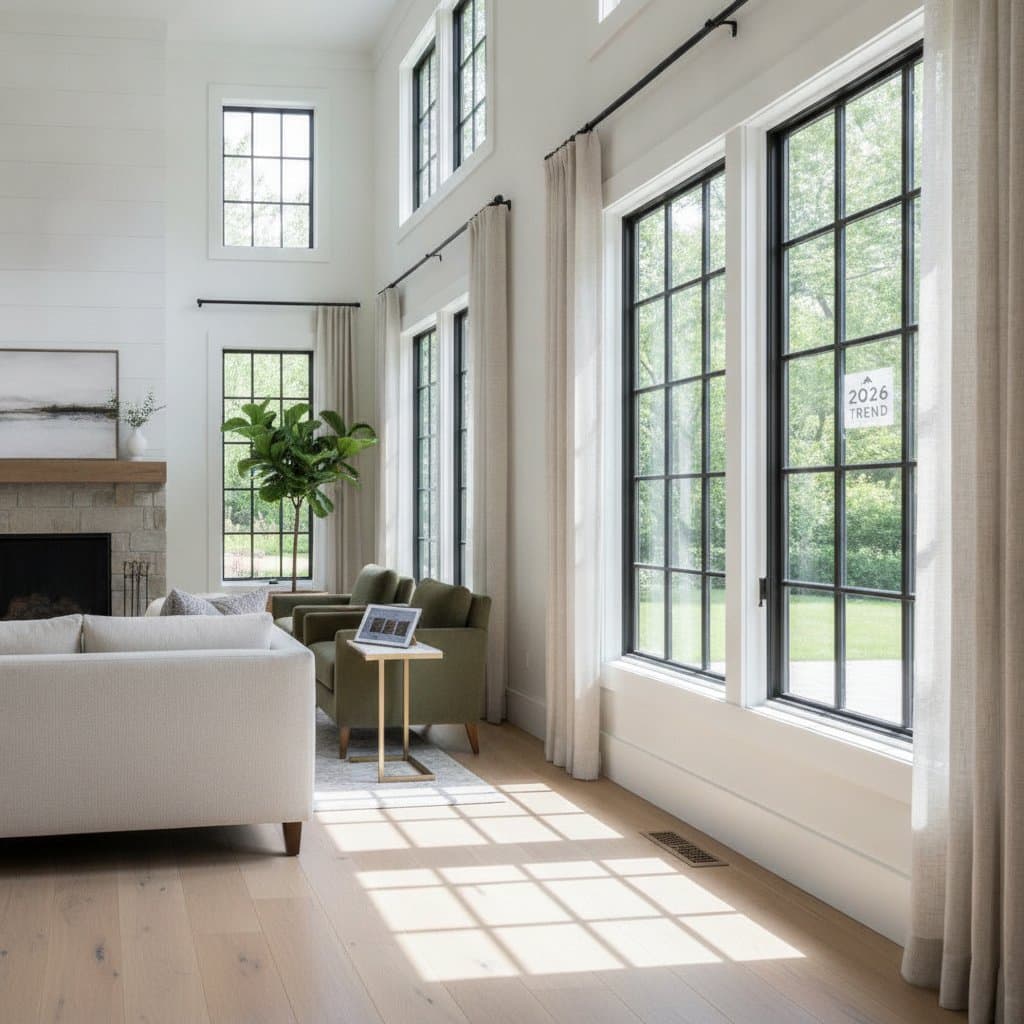
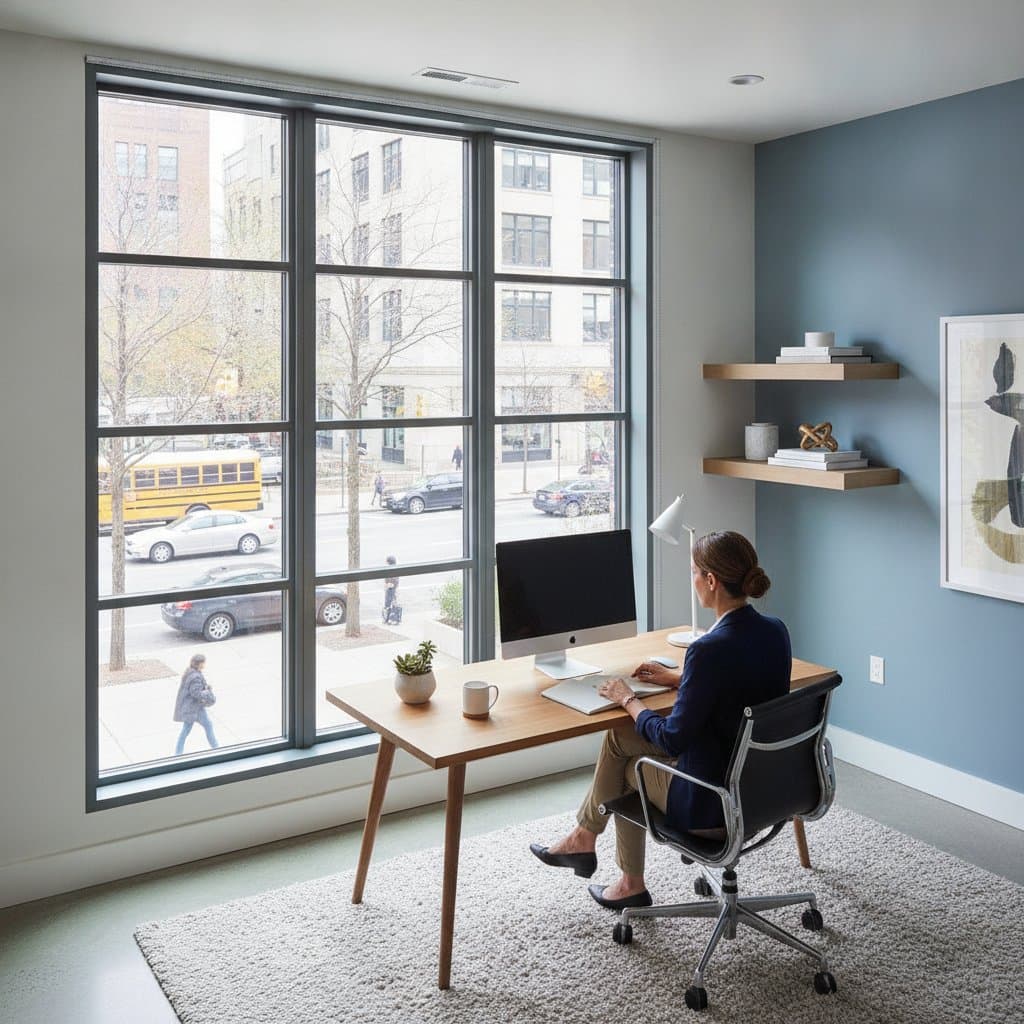
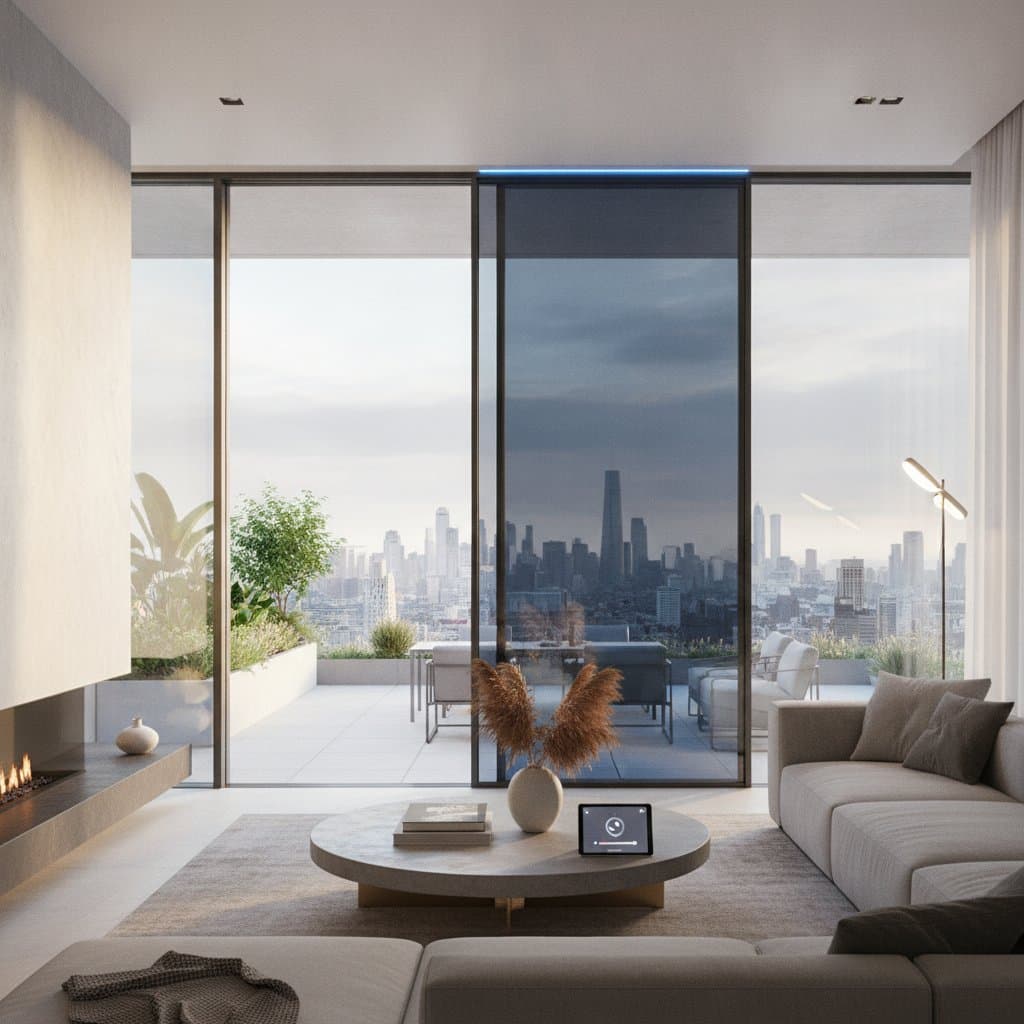
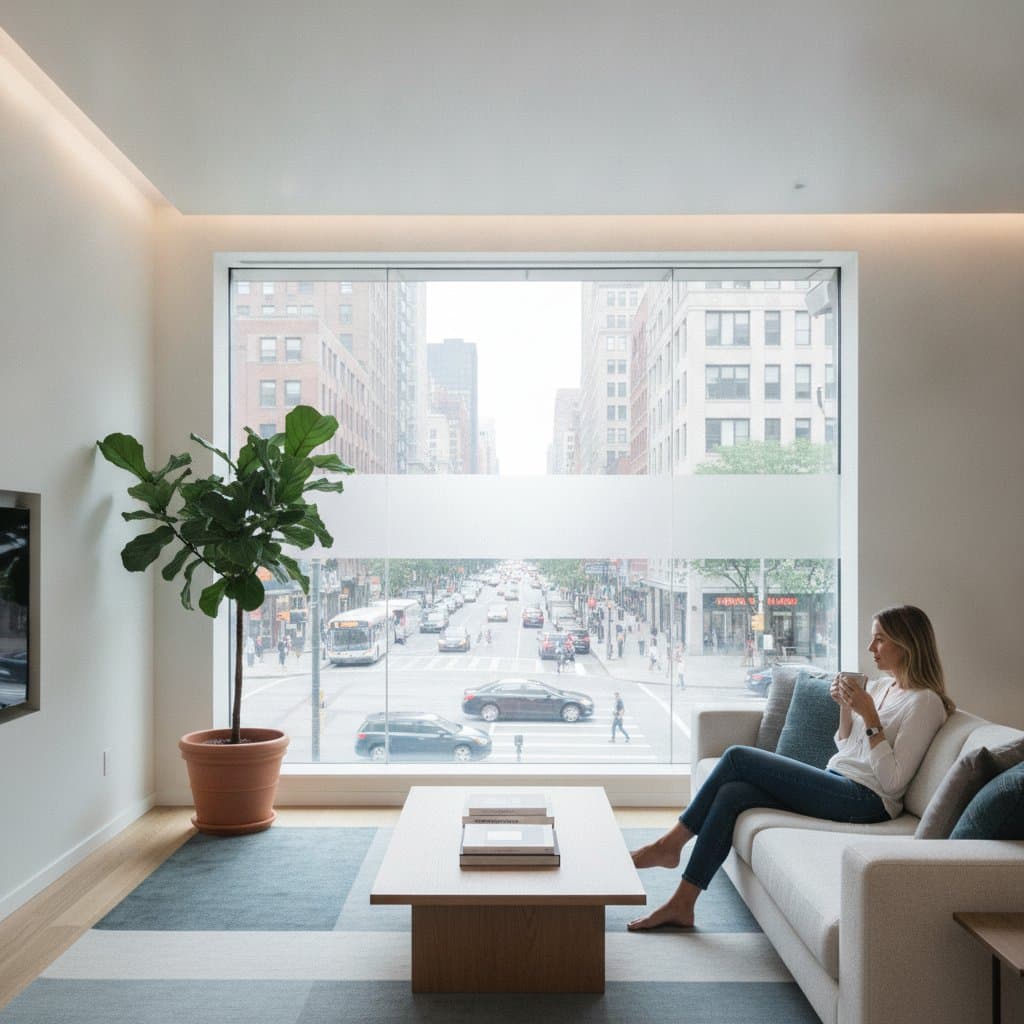
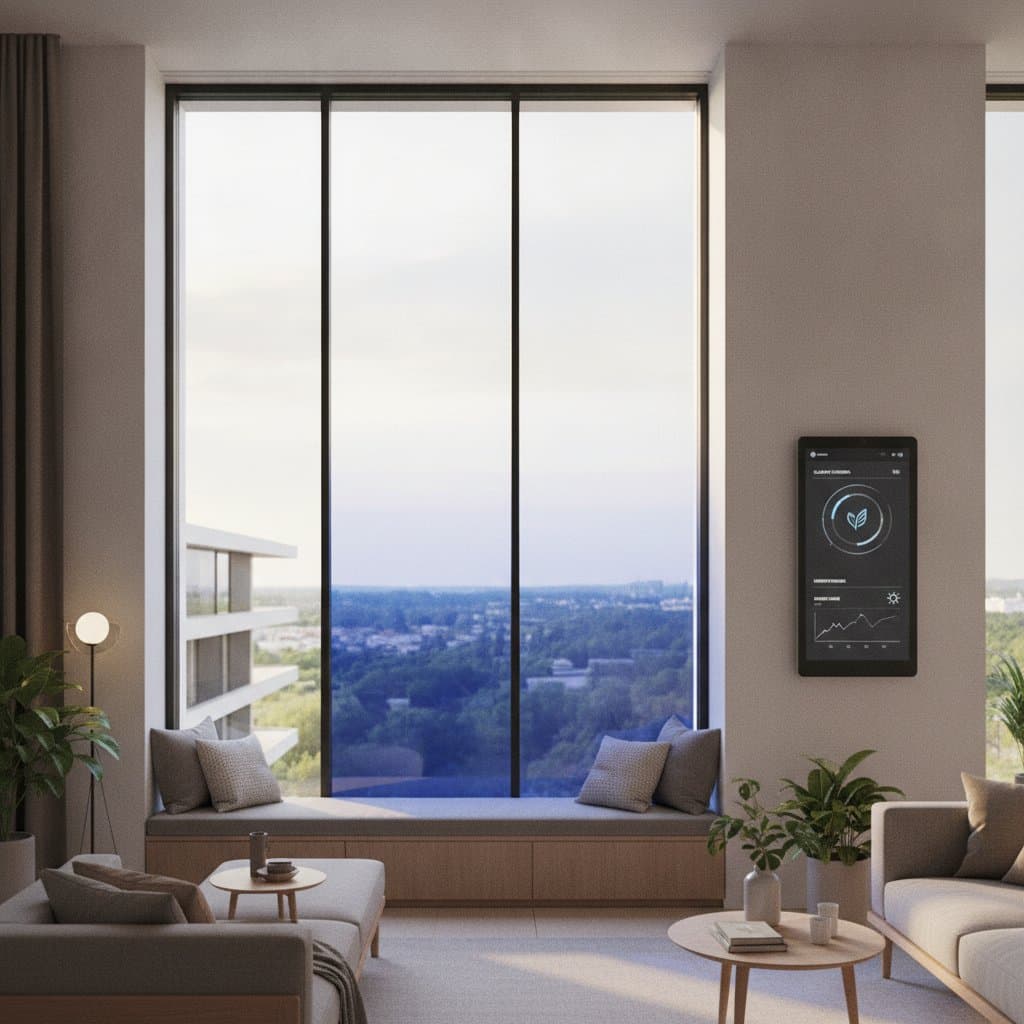
Homeowners select electrochromic windows for their ability to adjust tint levels automatically. These systems manage sunlight, glare, and heat gain through a responsive glass coating. The result is steadier indoor temperatures and lower utility demands throughout the year.
Installation costs for electrochromic windows average between $700 and $1,200 per unit when materials and labor are included. Full home projects typically range from $15,000 to $35,000 based on the number of openings, frame selections, and automation features.
How These Windows Function
A thin film layer within the glass alters opacity once an electrical current passes through it. Tint changes occur over several minutes and respond to either automated sensors or manual inputs from switches and apps. Users gain direct oversight of light entry and privacy without additional coverings.
This control reduces ultraviolet exposure on interior surfaces and supports consistent thermal conditions. Integration with home automation platforms allows preset schedules that align with daily occupancy patterns.
Cost Details
| Material or Service | Cost Range | Key Attributes |
|---|---|---|
| Standard Electrochromic Glass | $50 to $100 per square foot | Adjustable tint, ultraviolet blocking, basic efficiency gains |
| Premium Electrochromic Glass | $100 to $150 per square foot | Quicker response times, enhanced insulation, extended service life |
| Installation Labor | $100 to $250 per window | Professional mounting, weather sealing, electrical connections |
| Smart Control System | $500 to $1,500 | Centralized management, sensor integration, remote access |
| Retrofit Installation | $1,000 to $2,000 per window | Adaptation to existing frames, wiring modifications |
Prices vary with glass specifications, frame composition, and site conditions.
Influences on Pricing
Larger or irregularly shaped windows increase material requirements and wiring complexity. Frame choices affect both cost and thermal performance, with aluminum options generally lower in price than wood or composite alternatives.
Regional labor rates and electrical service availability further shape final expenses. High performance double pane assemblies with low emissivity coatings complement the electrochromic layer for improved overall efficiency.
Installation Process
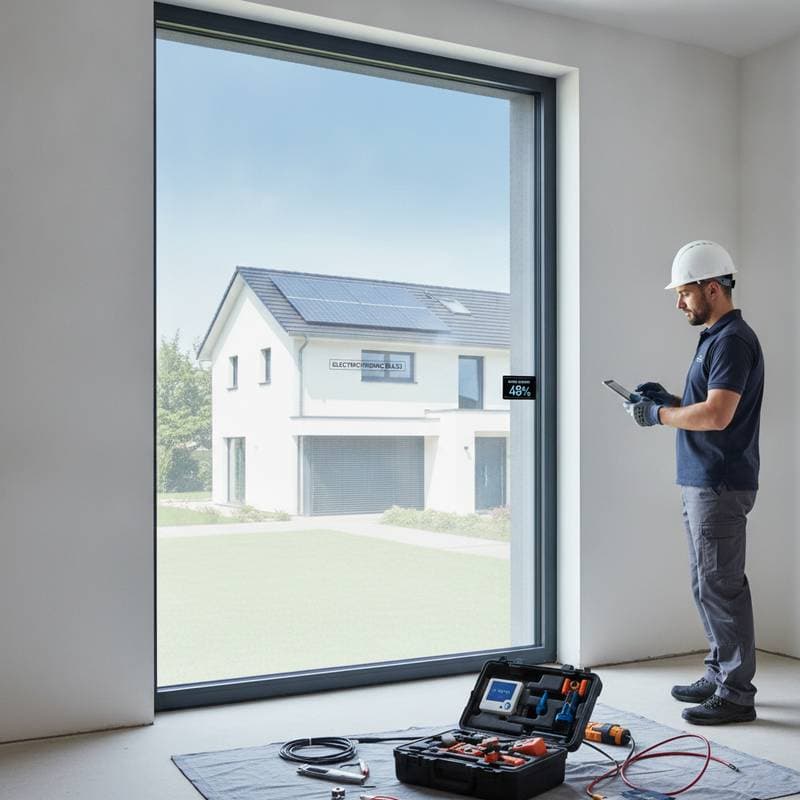
Certified contractors coordinate electrical supply and precise glazing work to maintain system integrity. Proper sealing and concealed wiring protect against moisture and ensure reliable operation.
Homeowners should avoid self installation because improper connections may compromise warranties or damage the panels. Experienced professionals verify that control systems communicate correctly with existing automation setups.
Performance and Savings
Energy consumption can drop 10 to 25 percent in regions with intense sunlight. Reduced cooling loads improve occupant comfort while ultraviolet filtration protects flooring and furnishings from premature fading.
Tinted states also deliver privacy by limiting outward visibility. These combined effects support long term operational savings when paired with efficient heating and cooling equipment.
Care and Durability
Routine cleaning with mild solutions and soft materials preserves surface quality. Most units operate reliably for 20 to 30 years when installed correctly.
Periodic sensor checks or control recalibrations address minor performance shifts. Contact the original installer promptly if tint changes become inconsistent.
Selection Tips
Compare models on tint transition speed, energy ratings, and warranty length. Request physical samples to evaluate clarity and response under actual lighting conditions.
Planning Your Upgrade
Obtain detailed proposals from multiple qualified installers and inquire about available utility incentives. Schedule work during moderate weather to support proper curing of sealants. Program tint routines that match household schedules to maximize daily benefits.