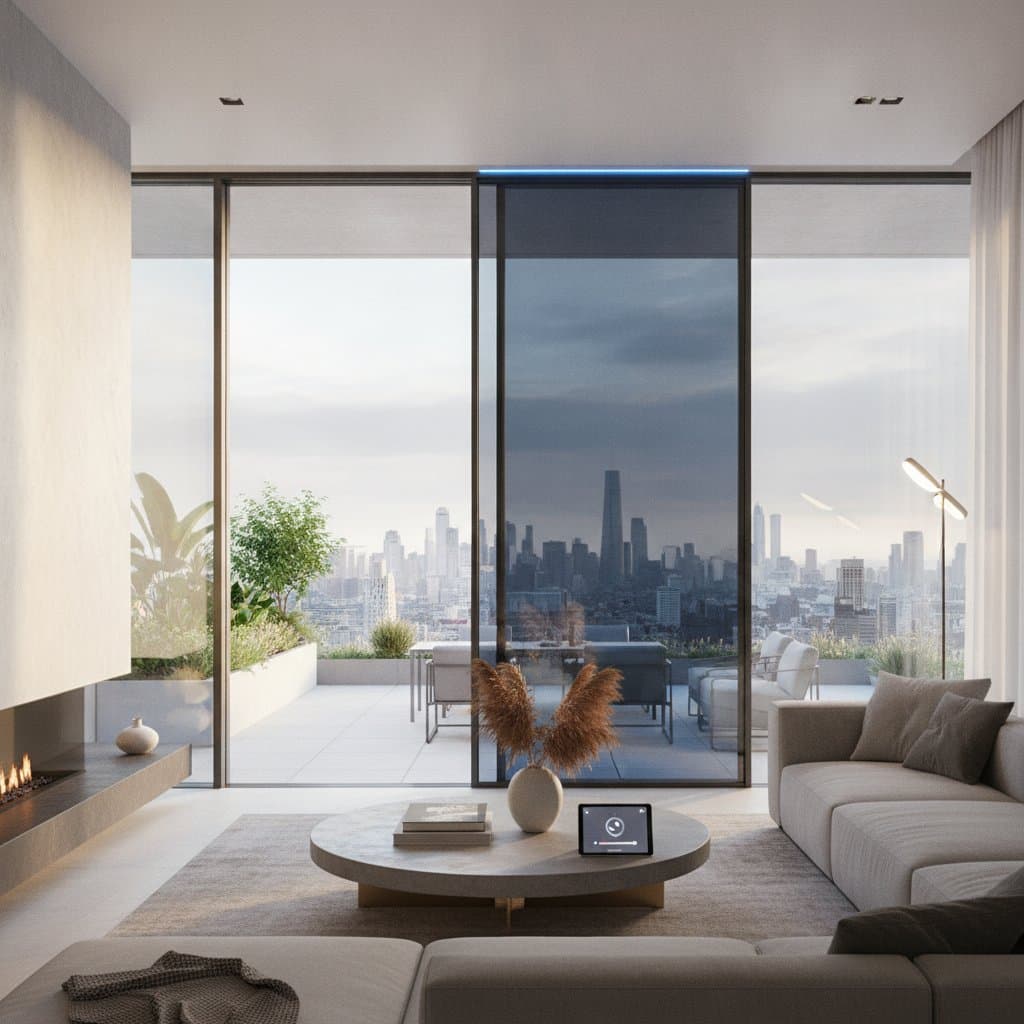

Acoustic Windows Deliver 85 Percent Noise Reduction in Urban Homes
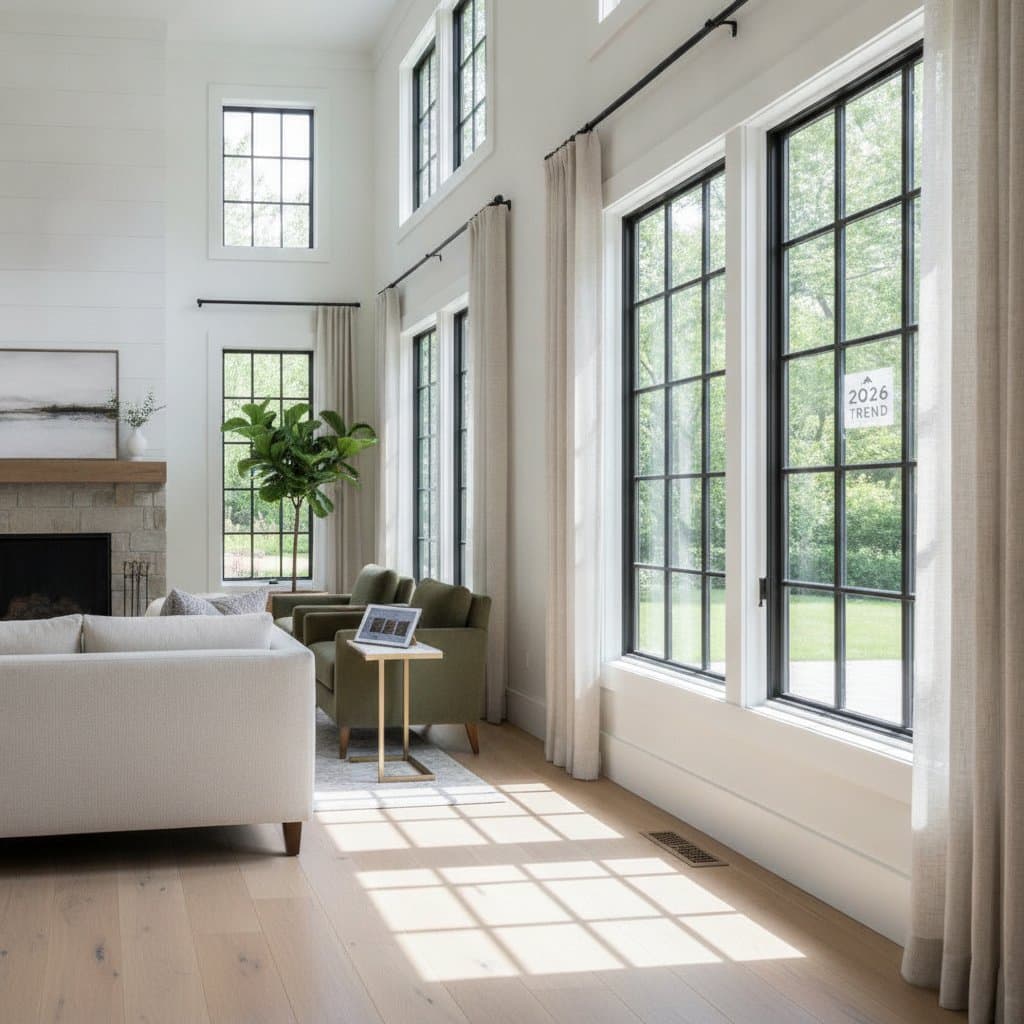
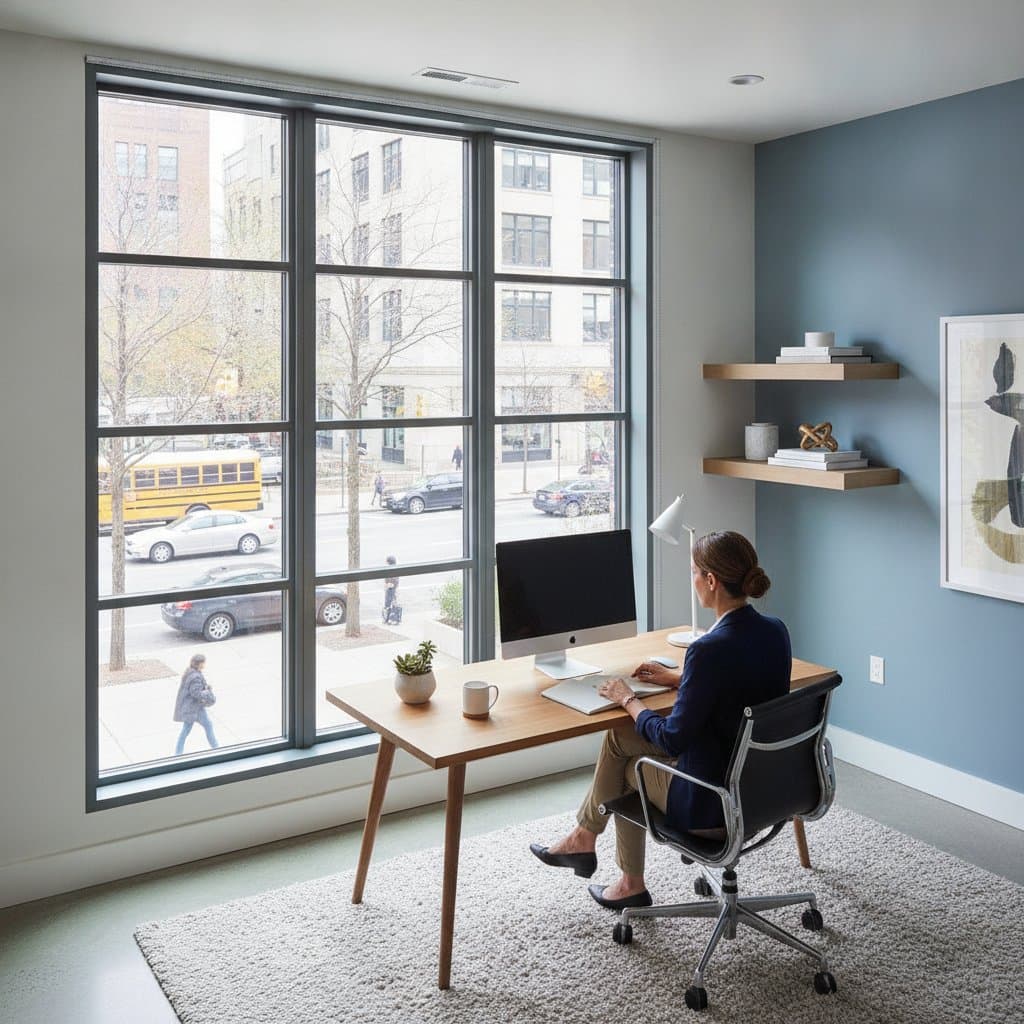
City living offers convenience, culture, and energy, yet it often brings constant traffic, construction, and neighborhood sounds. Acoustic windows address this challenge by reducing external noise by up to 85 percent. They create calmer interiors while preserving natural light, ventilation, and visual appeal.
How Acoustic Windows Work
Acoustic windows interrupt sound transmission through layered glass and specialized framing. Standard windows permit vibrations to pass through glass and frame gaps. Acoustic designs counter this with specific features.
- Laminated glass that incorporates an acoustic interlayer to dampen vibrations.
- Double or triple glazing that forms air or gas spaces to limit sound transfer.
- Panes of varying thicknesses that stop sound waves from aligning across layers.
- Sealed frames fitted with airtight gaskets to close potential noise paths.
Correct installation of these elements produces a clear reduction in outside noise. Residents notice improved focus, rest, and sleep quality.
Performance Comparison
The table below outlines key differences among window options.
| Option | Initial Cost | Lifespan | Maintenance | Best For |
|---|---|---|---|---|
| Standard Double Glazed | Moderate | Long | Basic cleaning | Suburban or quieter areas |
| Acoustic Double Glazed | Higher | Long | Basic cleaning and gasket checks | Homes near roads or busy neighborhoods |
| Acoustic Triple Glazed | Highest | Very long | Occasional maintenance | Urban areas or high-rise apartments |
Acoustic models require greater upfront investment. Returns appear through daily comfort, improved indoor conditions with closed windows, and potential property value gains.
Assessing Noise Sources
Identify the noise type before selecting windows. Low-frequency traffic rumble behaves differently from high-frequency voices or sirens. A professional assessment reveals the reduction level required and the rooms that need treatment. Some homes benefit from upgrades in bedrooms or offices only. Others require treatment across the full facade.
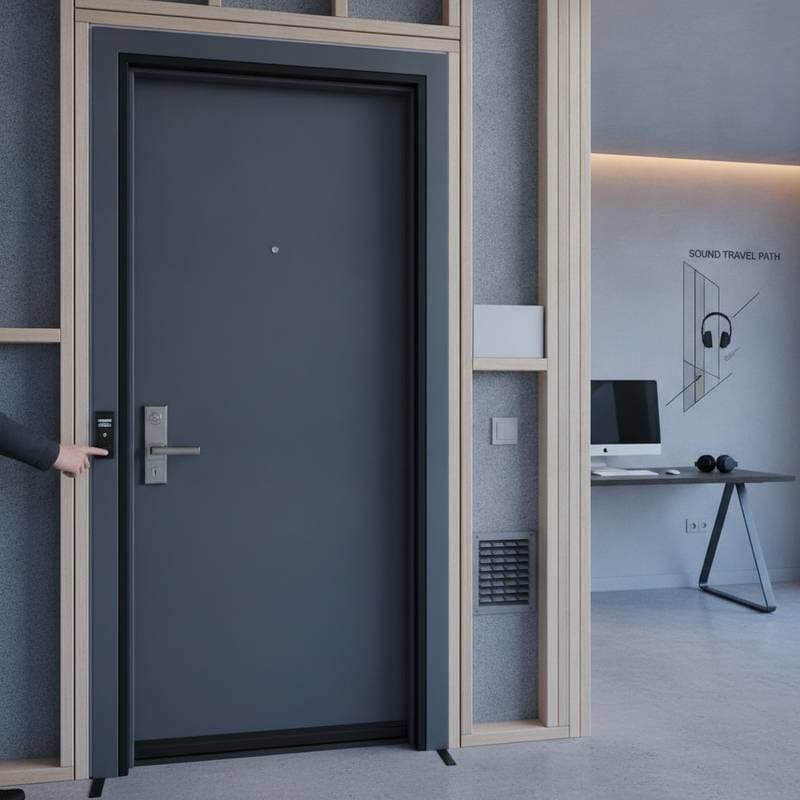
Noise can also enter through walls, vents, and doors. A full strategy may include sealing gaps, adding insulation, or upgrading doors at the same time.
Installation Steps
Professional installation follows a precise sequence.
- Measure openings, review existing frames, and confirm structural integrity.
- Remove old units while protecting interior finishes and checking for hidden issues.
- Fit new frames with accurate sealing, then position glass units with correct spacing.
- Verify airtightness, inspect gaskets, and confirm even closure.
- Clean surfaces, add finishing trim, and supply maintenance guidance.
Proper fitting prevents sound leaks through small gaps. Precision tools and testing confirm performance before completion.
Cost and Long-Term Value
Pricing depends on glass thickness, frame material, and opening size. Larger or custom units increase material and labor needs. The investment yields ongoing comfort, stronger thermal performance, and energy savings. In active real estate markets, quiet interiors attract buyers.
Budget-conscious owners can start with the loudest rooms. Additional windows can follow as resources allow.
Maintenance Requirements
Acoustic windows need routine care. Clean glass with mild soap and water to protect the interlayer. Inspect frames for seal condition once or twice each year. Replace worn gaskets promptly to sustain sound control. Quality units last decades with limited attention.
Daily Comfort Benefits
Reduced noise changes everyday routines. Conversations occur at normal volume. Rest improves. Privacy increases. Households with children or remote workers gain focused spaces for learning and tasks. Thermal stability keeps interiors warmer in winter and cooler in summer.
Material and Climate Choices
Many acoustic windows combine recyclable components with low-emission coatings. Frame selection should match local conditions. Vinyl or aluminum suits humid climates. Wood offers insulation and warmth in cooler or drier regions.
Product Selection Guidance
Match window type to location, budget, style, and noise level. Dense urban sites or roadsides typically need double or triple acoustic glazing. Quieter areas may require laminated glass in selected rooms only. Request Sound Transmission Class ratings from suppliers to compare performance. Balance noise control with ventilation and daylight needs.
Preparation and Follow-Up
Schedule installation around household routines. Temporary dust and disruption occur during removal. Arrange workspace adjustments in advance. Confirm that warranties cover materials and labor for continued accountability.