Understanding the Shift from Barn Doors to Modern Sliding Systems
Barn doors have long captured attention with their rustic appeal, featuring broad wooden planks, visible hardware, and a touch of farmhouse heritage. However, evolving tastes favor precise lines and versatile interiors, revealing limitations in the traditional barn door design. This change emphasizes enhanced functionality and subtlety in sliding systems that support contemporary lifestyles without dominating the space.
Homeowners now prioritize solutions that integrate seamlessly into architecture while preserving openness. The transition moves beyond mere aesthetics to include practical benefits like improved acoustics and efficient use of area.
Reasons for the Decline of Barn Doors
Traditional barn doors occupy considerable wall space, which complicates furniture arrangement in compact rooms. Their tracks often produce noticeable noise during operation, disrupting quiet environments. Additionally, these doors seldom achieve complete sound isolation, allowing echoes to travel between areas.
The rustic aesthetic, while endearing, restricts adaptability for style updates. Modern alternatives address these challenges through superior construction, including hidden mechanisms and enhanced seals that promote privacy and ease.
Exploring Sleek Sliding Systems: Key Advantages
Contemporary sliding systems excel in engineering that minimizes disturbances. Soft-closing features halt abrupt movements, while concealed tracks maintain clean sightlines. Acoustic barriers integrated into frames reduce noise transmission effectively.
Materials such as tempered glass, brushed metals, and engineered woods offer durability and variety. These elements adapt to diverse settings, from urban apartments to suburban residences, ensuring broad applicability.
Industrial Modern Sliding Systems: Bold and Functional
Industrial designs merge visible structural elements with meticulous detailing, suiting lofts, warehouse conversions, and homes with textured surfaces. Characteristics include prominent steel rails, subdued tones, and materials that invite touch.
Implementing Industrial Styles
Budget-Friendly Option ($600 to $1,800)
- Select engineered wood with concrete-like laminates or deeply stained surfaces.
- Choose black powder-coated fittings resembling wrought iron.
- Add straightforward surrounds and circular handles for equilibrium.
Intermediate Option ($1,800 to $4,000)
- Install genuine steel rails equipped with high-quality bearings for reduced sound.
- Add panels of etched or colored glass to balance weight visually.
- Opt for solid cores to enhance stability and longevity.
Premium Option ($4,000 to $8,000)
- Commission bespoke steel-framed glass units with segmented glazing and premium fittings.
- Embed subtle LED illumination along the rail to accentuate textures.
- Blend sliding panels with rotating elements for adaptable partitioning.
Selecting Materials and Finishes
- Frames: Dark steel or aluminum dividers that align with industrial themes.
- Panels: Tinted glass, oxidized metal, or richly toned walnut.
- Accents: Wavy metal sheets, durable fiber boards, or darkened reclaimed timber.
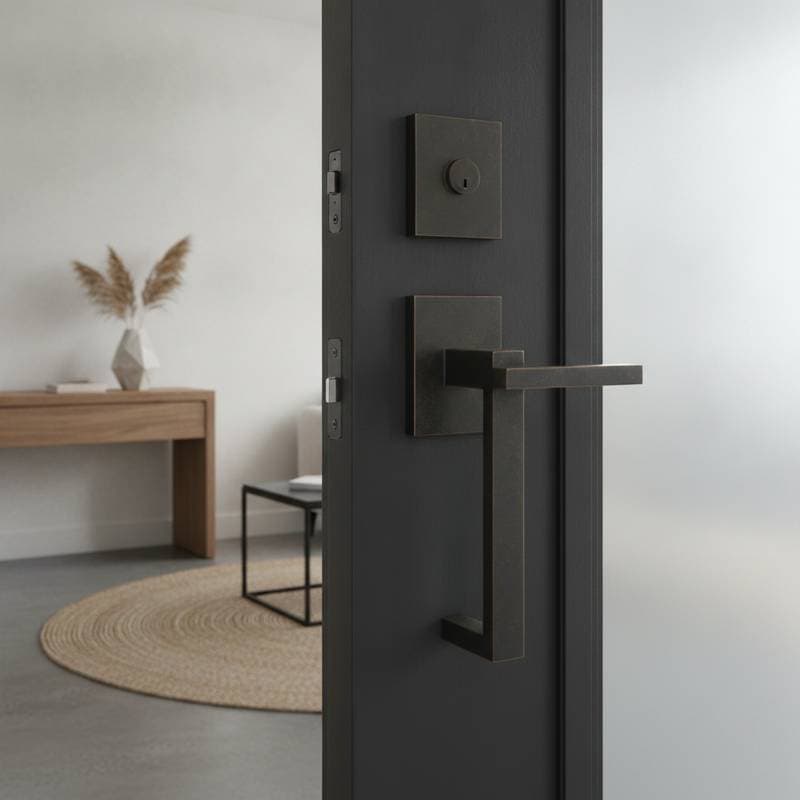
- Details: Non-glossy black hardware, overt screws, and weathered bronze grips.
Minimalist Sliding Systems: Clean and Unobtrusive
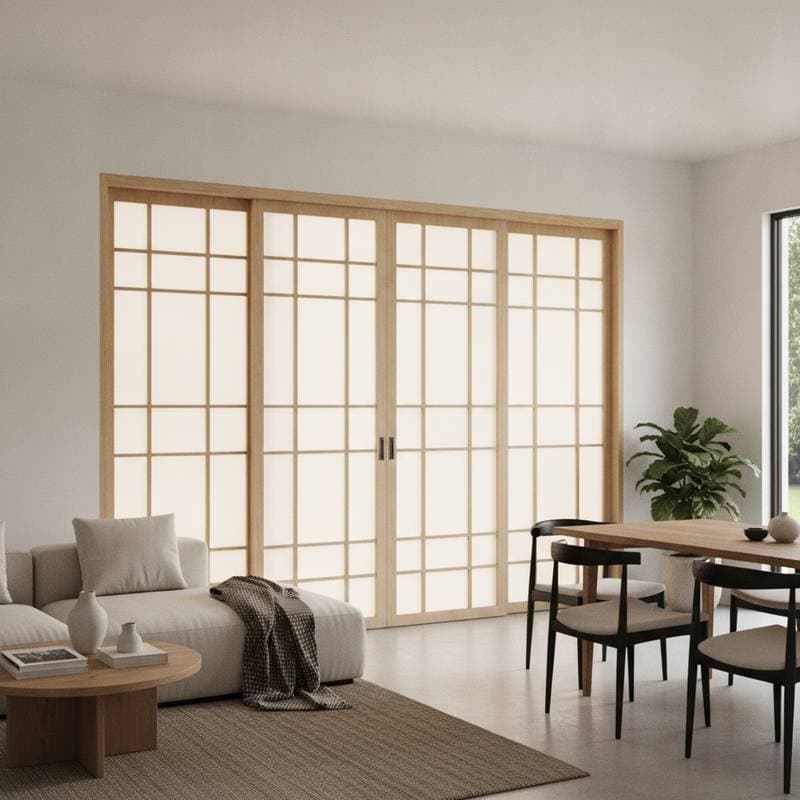
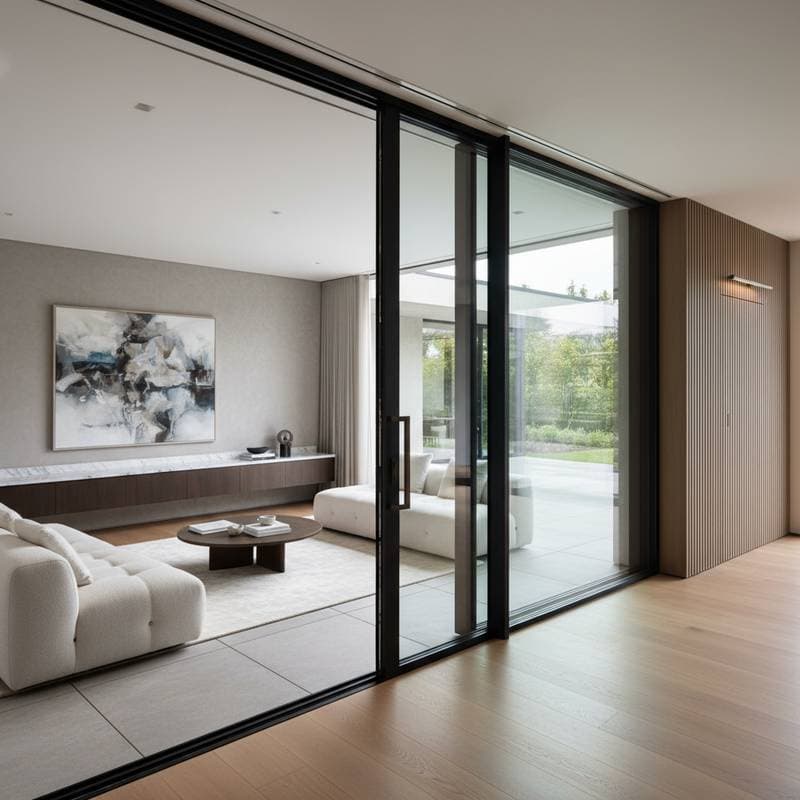
Minimalist approaches emphasize simplicity, with slim profiles and neutral palettes that blend into serene spaces. These systems thrive in modern kitchens, home offices, and open living areas where subtlety enhances calm.
Hidden tracks and flush-mounted panels create illusions of continuity. Lightweight materials like frosted acrylic or slim aluminum ensure effortless movement without visual interruption.
Practical Tips for Minimalist Installations
Focus on seamless integration by matching panel edges to surrounding walls. Use automated controls for hands-free operation in high-traffic zones. Budget for acoustic linings to maintain tranquility in shared spaces.
Contemporary Soft Sliding Systems: Warm and Inviting
Soft contemporary styles soften edges with curved hardware and natural finishes, ideal for family rooms and bedrooms. They incorporate warm woods, fabric inserts, and gentle curves to foster comfort.
These systems prioritize user-friendly mechanics, such as magnetic latches for secure closure. Versatility allows customization for seasonal decor changes without permanent alterations.
Enhancing Contemporary Designs
Incorporate layered textures like linen-wrapped panels alongside smooth lacquers. Select bi-fold extensions for flexible room division. Ensure compatibility with smart home integrations for added convenience.
Maintenance Essentials for Sliding Systems
Routine upkeep extends the life of any sliding setup. Clean rails and wheels periodically to avoid friction and maintain fluidity. Use gentle fabrics on coated surfaces to prevent scratches.
For wooden elements, apply conditioning treatments seasonally to retain vibrancy and avoid splits. Glass requires mild, ammonia-free solutions and soft wiping to stay pristine. In moist areas, verify that components resist humidity to prevent degradation.
Consult product specifications for tailored advice, particularly in variable climates.
Preparing for Your Sliding System Installation
Start by assessing the site thoroughly to guide selections. Measure openings precisely, accounting for adjacent fixtures and traffic patterns.
Documentation Steps
- Photograph portals from various perspectives, including overhead views.
- Detail surrounding elements like moldings, surfaces, and illumination.
- Record structural dimensions, such as overhead clearance and partition breadth.
Strategic Planning
Align choices with the residence's overall architecture and intended mood. Check local regulations or community rules that affect material selections. Set financial limits and allocate funds toward critical aspects, including mechanism reliability or bespoke elements. Evaluate environmental factors influencing endurance and upkeep needs.
Achieving Seamless Integration and Lasting Appeal
Selecting the appropriate sliding system transforms interiors by balancing form and utility. These innovations not only resolve the shortcomings of barn doors but also elevate daily experiences through thoughtful design. Homeowners gain spaces that adapt effortlessly, promoting both efficiency and enjoyment for years ahead.