Japandi Shoji Doors: Minimalist Balance for Calm Interiors
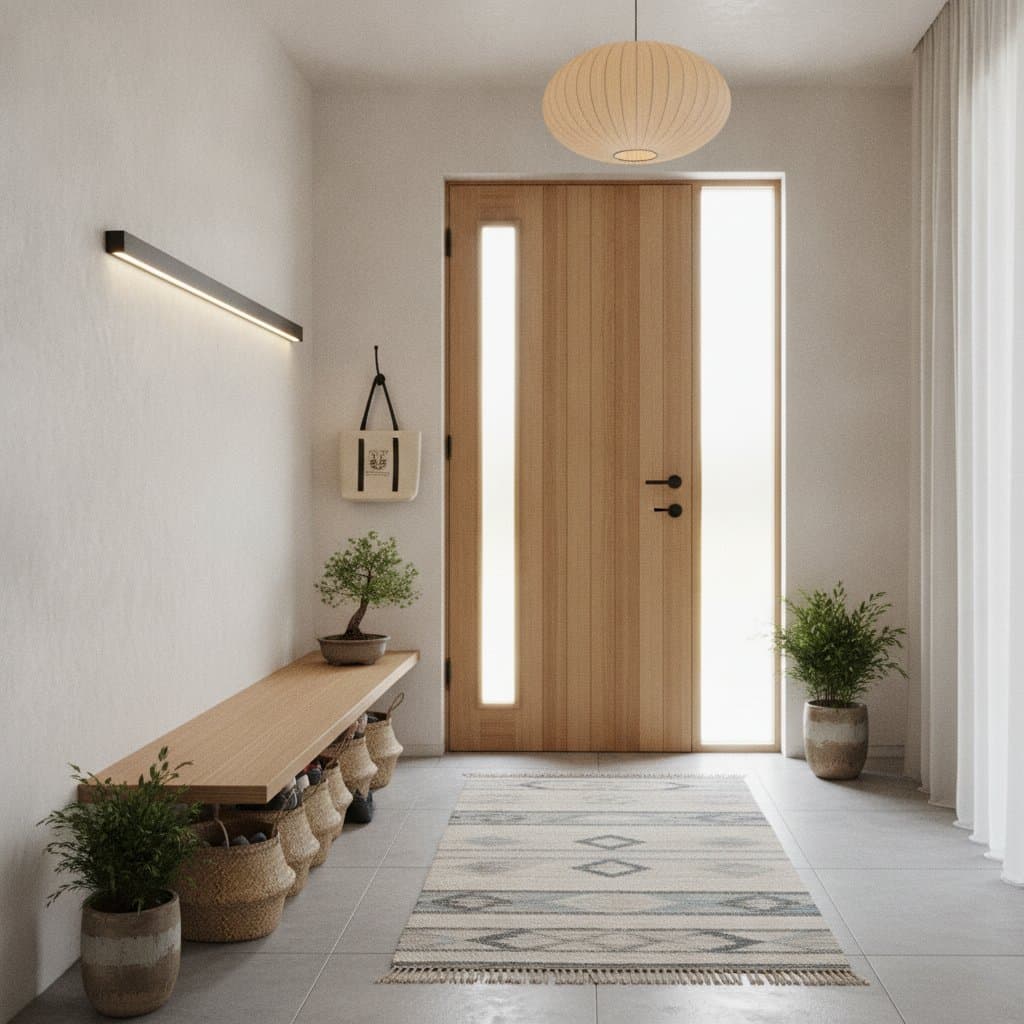
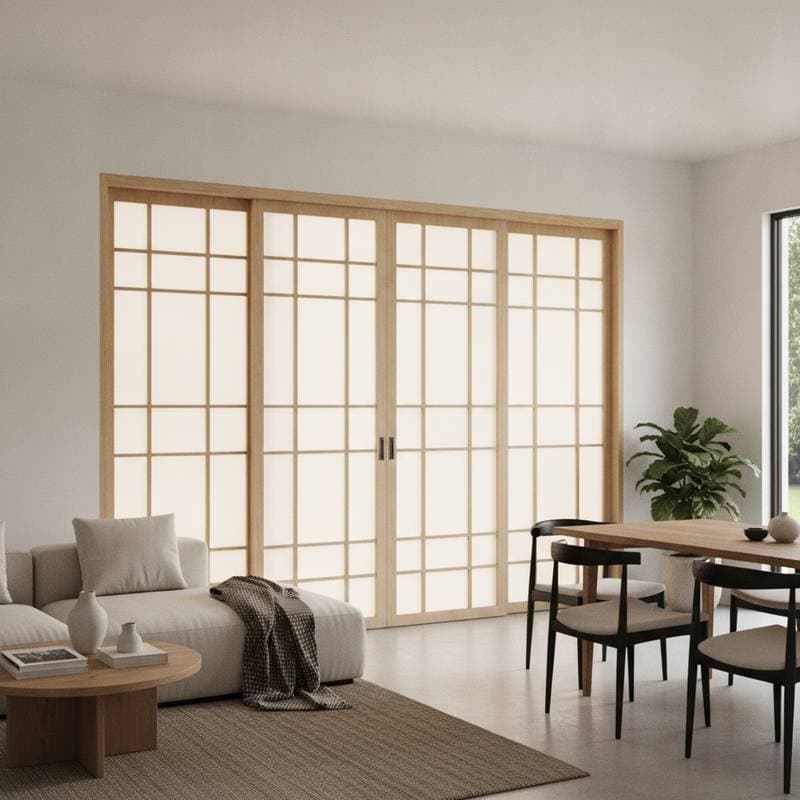
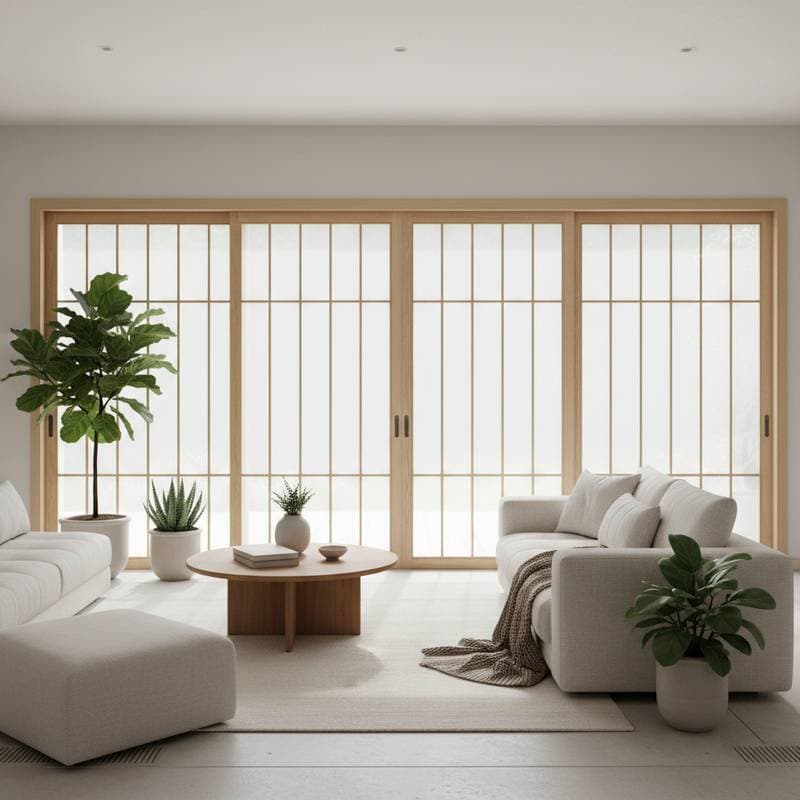
Japandi design merges the warmth of Scandinavian simplicity with the quiet elegance of Japanese minimalism. The Shoji door stands at the heart of this aesthetic, embodying serenity, functionality, and natural materials. As interior design emphasizes calm and connection to nature, Shoji doors gain fresh prominence in contemporary homes. These doors filter light gently through spaces, offer flexible room divisions, and provide a subtle sculptural element that avoids sensory overload.
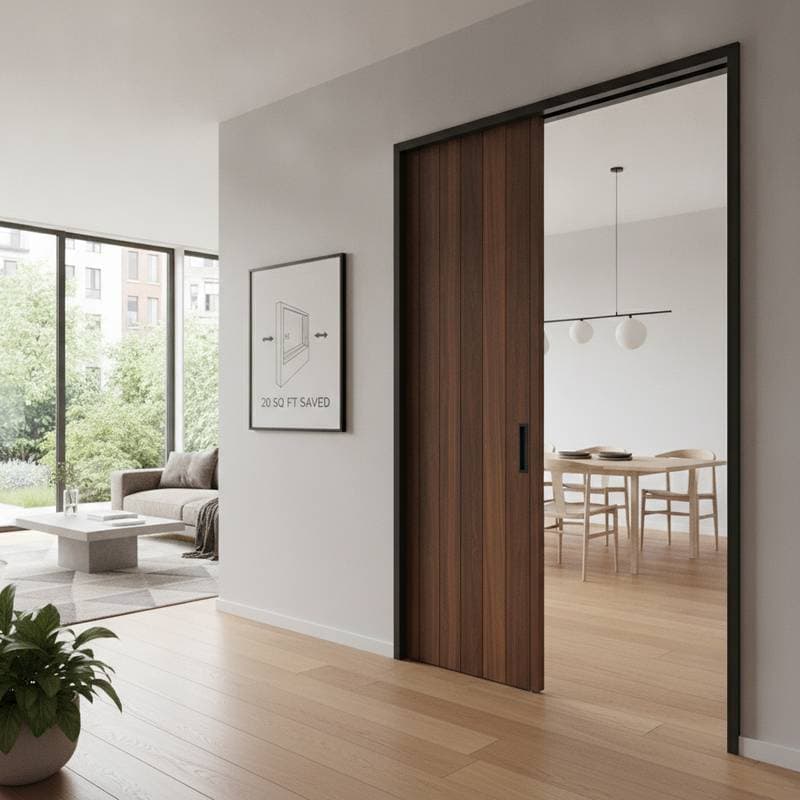
Clean lines, organic textures, and subdued color palettes characterize the Japandi style. Shoji doors integrate seamlessly, delivering both privacy and openness. Translucent panels diffuse natural light to produce a soothing ambiance that encourages relaxation. Property owners appreciate the visual lightness of these doors, along with their utility in compact or open-plan areas, where sliding mechanisms conserve space and preserve movement.
Three Ways to Achieve This Aesthetic
Budget-Friendly Option ($600 to $1,200)
- Select prefabricated sliding doors featuring synthetic rice paper inserts within frames of lightweight pine or engineered wood.
- Apply neutral finishes such as whitewashed oak or untreated birch to control expenses while preserving a gentle, natural appearance.
- Invest in quality hardware, including silent-gliding tracks with hidden rollers, to elevate even economical doors to a luxurious standard.
Mid-Range Option ($1,500 to $3,500)
- Choose frames crafted from solid ash or maple, paired with acrylic or laminated rice paper panels that withstand humidity and daily use.
- Incorporate track systems in brushed nickel or matte black to align with Japandi's restrained palette.
- Enhance the installation with minimal trim around the opening or matching wall panels to simulate an integrated, custom-built effect.
Premium Option ($4,000 to $8,000)
- Order bespoke Shoji doors with precision joinery and washi paper secured between tempered glass layers for enhanced longevity.
- Specify frames in solid walnut or white oak, treated with natural oils to accentuate the wood's inherent grain.
- Include soft-close mechanisms and flush-mounted handles for an uninterrupted, architectural integration. This level ensures enduring value through superior construction and enduring appeal.
Material and Finish Selection Guide
- Windows: Opt for aluminum frames in black or bronze to introduce modern edge, or wood frames in natural tones to harmonize with Shoji doors. Employ frosted or textured glass to secure privacy while regulating light. Incorporate narrow muntins or grid motifs to add understated rhythm without excess detail.
- Doors: Sliding or pocket configurations suit Shoji panels ideally. Frames of white oak, maple, or bamboo complement translucent elements. Select hardware in soft brass or matte black to uphold the minimalist ethos.
- Siding and Wall Treatments: In areas adjacent to outdoor spaces, install vertical cedar boards or fiber-cement siding in subdued hues. Finishes like soft taupe or warm gray support Japandi's discipline and provide weather resistance.
- Trim and Accents: Maintain slender profiles. Paint simple baseboards and casings to blend with wall colors. Integrate linear fixtures or compact sconces to highlight material textures and subtle shadows.
Maintenance Essentials
Shoji doors demand careful care to retain their refined appearance. Dust paper or acrylic panels lightly using a microfiber cloth. Steer clear of abrasive cleaners that could dull the translucency. Apply oil periodically to natural wood frames to sustain shine and avert cracking. Regulate indoor humidity, particularly in regions with fluctuating seasons that prompt wood movement.
For authentic washi paper selections, anticipate occasional panel replacement if damage occurs. Laminated or acrylic versions minimize such issues and tolerate moisture better, ideal for humid environments like bathrooms or kitchens. Lubricate metal tracks regularly to eliminate noise and guarantee fluid motion.
Common Pitfalls to Avoid
- Excessive Ornamentation: Multiple decorative features undermine the minimalist principle. Restrict motifs to faint patterns and serene tones.
- Proportion Imbalance: Large panels may overshadow compact rooms. Assess dimensions precisely against ceiling scale and adjacent surfaces.
- Inadequate Clearance: Sliding doors require unobstructed paths. Position them away from furnishings or floor coverings that impede operation.
- Disrupted Light Diffusion: Translucent panels excel at softening illumination. Refrain from combining them with thick curtains or solid barriers that block this advantage.
Coordinating Colors and Styles
Japandi palettes draw from natural elements like sun-warmed timber, smooth stone, and earthy shades to foster tranquility. A unified scheme could feature:
- Soft Clay: A subdued beige that infuses warmth without boldness.
- Fog Gray: A pale neutral that amplifies light and complements wood tones.
- Charred Oak: A rich brown or almost-black shade for grounding contrast in frames or fixtures.
- Linen White: A pure yet soft hue for walls or moldings.
- Sage Green: A gentle accent that introduces vitality to monochromatic bases.
To unify these colors, prioritize harmonic tones. Pale woods and light walls expand perceived space, while deeper elements in flooring or pieces anchor the composition. Shoji doors serve as connectors, harmonizing contrasts into serene continuity.
Pre-Installation Documentation Checklist
Homeowners benefit from recording their space prior to material choices or orders. Essential captures and observations encompass:
- Room configurations from various perspectives, noting ceiling elevations and window positions.
- Prevailing architectural character and surface treatments to guide continuity.
- Daylight patterns across the day to evaluate illumination intensity.
- Structural limitations or community regulations affecting indoor or outdoor modifications.
- Local weather and moisture levels to inform resilient material picks.
- Financial boundaries to direct spending priorities.
Such documentation clarifies how Shoji doors will engage with existing forms and illumination. It anchors the endeavor in feasibility, promoting deliberate selections throughout.
Integrating Elements for Lasting Harmony
Japandi Shoji doors transcend trends to embody principles of moderation, skill, and environmental attunement. Thoughtful incorporation shifts a home's energy through diffused light, tactile depth, and unobtrusive spatial definition. From straightforward setups to tailored creations, this approach yields rewards via meticulous scaling and material integrity.
Success hinges on equilibrium. Gentle radiance pairs with sturdy form, raw substances with sleek restraint, and tranquil visuals with practical utility. Aligning Shoji doors with supportive windows, exteriors, and details crafts environments that feel rooted and expansive, refined and inviting.