Smart Glass Doors: The Stylish Way to Cut HVAC Costs in Half
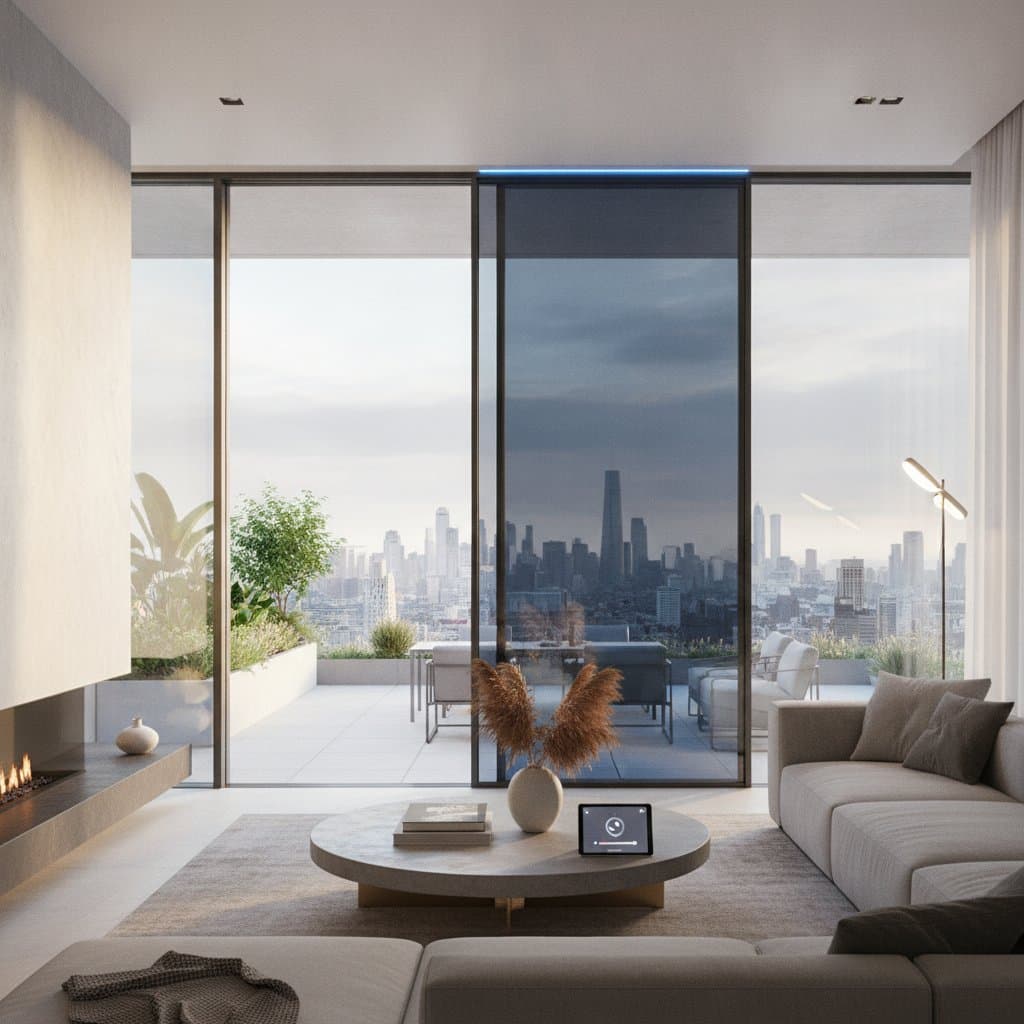
Smart glass doors redefine how homes balance comfort, style, and energy efficiency. These innovative elements, once considered futuristic, now serve as practical design features that integrate beauty with advanced technology. They adjust transparency automatically to manage sunlight and heat, allowing homeowners to maintain interior comfort while lowering energy consumption.
Electrochromic glass, commonly known as smart glass, incorporates a thin film that alters tint through electrical activation. This material permits sunlight entry for warmth when desired and blocks excess during cooling needs. Homeowners achieve reductions in heating and cooling expenses by up to 50 percent, all while preserving natural light and exterior aesthetics.
The benefits surpass mere financial savings. Smart glass doors facilitate smooth transitions between indoor and outdoor areas, delivering a modern appearance suitable for diverse architectural styles. Contemporary residences with clean lines benefit, as do traditional homes incorporating subtle updates, with these doors adapting effectively and performing reliably.
Why Smart Glass Doors Suit Home Exteriors
The primary advantage of smart glass technology rests in its responsiveness to varying light and temperature conditions. Rather than depending on external shades or drapes, the glass itself modulates, sustaining comfortable indoor environments and shielding furnishings and floors from ultraviolet damage. This inherent capability eases the burden on heating, ventilation, and air conditioning systems, thereby decreasing operational costs and enhancing ecological impact.
Selecting an appropriate smart glass door also boosts exterior attractiveness. Its smooth surface and contemporary silhouette align with prevailing trends emphasizing minimalism, organic materials, and outdoor connectivity. When combined with suitable siding, trim, and window treatments, the home's facade achieves a unified, progressive aesthetic.
Three Ways to Achieve This Design
Save Approach ($3,000 - $6,000)
- Material Choices: Opt for single-panel smart glass inserts in existing patio or balcony door frames. This retrofit preserves the original structure while enhancing functionality.
- Cost-Saving Techniques: Target installations in high-exposure zones, like south-facing entrances, to optimize sunlight management.
- Where to Splurge: Allocate funds toward superior seals and weatherstripping, which amplify energy conservation and promote seamless functionality.
Mid-Range Approach ($7,000 - $12,000)
- Balanced Material Selections: Choose complete smart glass door assemblies featuring aluminum or composite frames. These options withstand environmental stresses with little ongoing care.
- Performance Upgrades That Matter: Select models with multi-zone tint adjustment, enabling independent panel control for refined comfort under diverse lighting.
- Design Elements Worth the Investment: Incorporate slender frames in black or bronze tones to elevate modern appeal without compromising enduring style.
Invest Approach ($13,000 - $20,000)
- Premium Material Choices: Install full-height electrochromic glass doors equipped with motorized mechanisms. These integrate seamlessly with home automation for precise light and temperature regulation.
- High-End Design Details: Feature minimalist hardware in brushed nickel or matte black, along with internal blinds and matching smart window integrations.
- Long-Term Value Considerations: Premium configurations typically offer extended warranties and superior energy metrics, generating greater cumulative savings.
Material and Finish Guide
- Windows: Coordinate smart glass doors with double- or triple-pane windows employing analogous tint mechanisms. Select frame hues that harmonize, such as black for modern settings or bronze for earthy schemes. Satin nickel or graphite hardware suits both contemporary and transitional aesthetics.
- Doors: Full-lite or multi-panel configurations maximize views to exterior spaces. Aluminum and composite frames provide resilience and ease of maintenance, whereas wood-clad variants introduce warmth to classic environments.
- Siding: Fiber cement or engineered wood complements the technological glass effectively. Blend smooth horizontal panels with natural stone or vertical board-and-batten elements for equilibrium.
- Trim and Accents: Employ understated trim profiles. Slim, painted elements in bright white or muted gray accentuate the glass while preserving simplicity. Integrate subtle metallic touches, like matte black pulls or brushed steel fixtures, to foster unity.
Maintenance Reality Check
Smart glass doors demand less upkeep than conventional glass, yet regular attention ensures optimal performance. The electrochromic coating resides within sealed units, safeguarding it from contaminants and humidity. Use glass-appropriate cleaners and microfiber cloths for routine surface care.
Frame composition significantly influences durability.
- Aluminum Frames: Exhibit strong weather resistance, requiring only sporadic wiping.
- Wood-Clad Frames: Provide inviting texture but necessitate occasional sealing or refinishing, particularly in moist or seaside locales.
- Composite Frames: Merge robustness with simplicity, defying color loss and distortion.
Electrical tint controls endure well but warrant expert review at setup. Proper maintenance extends the lifespan of smart glass doors to decades, retaining transparency and efficacy.
Avoid These Common Pitfalls
- Overlooking Existing Architecture: Ultra-modern glass on a staunchly traditional exterior risks discord. Select frame tones and shapes that honor the home's inherent style.
- Ignoring Sun Orientation: Limiting smart glass to low-light walls diminishes returns. Prioritize sun-drenched surfaces for peak efficiency.
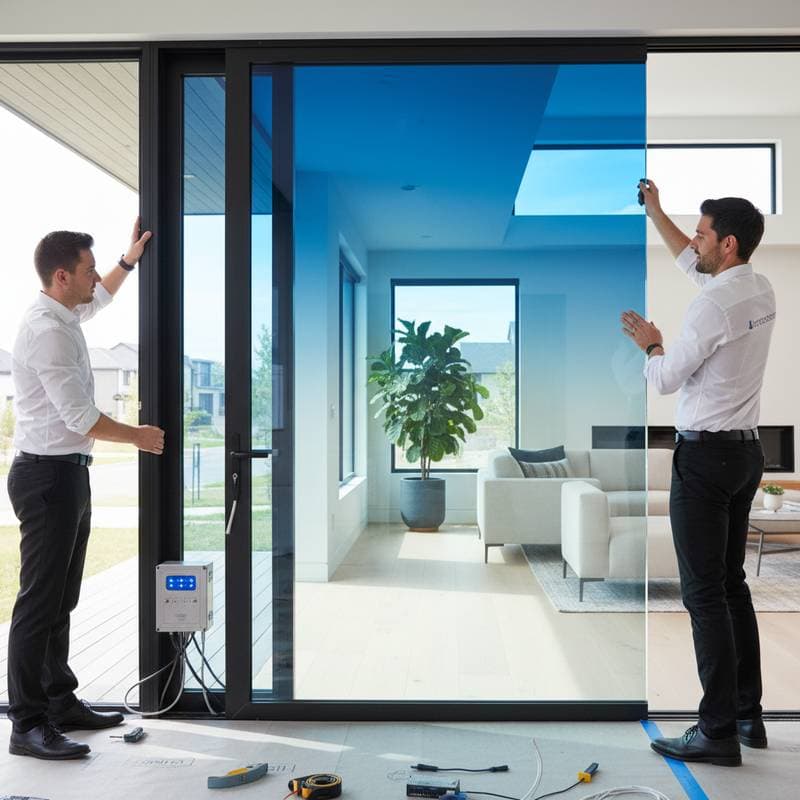
- Skipping Professional Installation: Substandard fitting invites drafts that undermine insulation gains. Engage certified specialists versed in electrochromic installations.
- Budget Trap: Excessive spending on controls while skimping on frames compromises stability. Emphasize frame quality, as it governs thermal performance and endurance.
- Maintenance Oversight: Neglecting wiring or seals erodes effectiveness. Establish yearly routines for checks and cleansing.
Color and Style Coordination
Harmonizing exterior elements proves crucial when incorporating smart glass doors. These palettes accommodate the glass's shift from transparent to opaque, ensuring visual consistency.
Palette 1: Modern Neutral
- Siding: Pale gray fiber cement
- Trim: Crisp white
- Door Frame: Matte black aluminum
- Hardware: Brushed nickel
- Accent: Natural stone foundation
Palette 2: Warm Transitional
- Siding: Taupe or sandy beige engineered wood
- Trim: Cream or soft ivory
- Door Frame: Bronze composite
- Hardware: Oil-rubbed bronze
- Accent: Brick or terra-cotta planters
Palette 3: Coastal Contemporary
- Siding: Light blue or seafoam composite panels
- Trim: White
- Door Frame: Silver aluminum
- Hardware: Chrome or stainless steel
- Accent: Weathered driftwood or stone veneer
These schemes link the glass's luminous properties with supportive colors, yielding a balanced facade.
Planning Photography Checklist
Document your home's present state prior to choosing smart glass doors. Detailed images aid planning and visualization with professionals.
What to Capture
- Front and Rear Elevations: Depict overall scale and daily light patterns on surfaces.
- Close-Ups of Existing Doors and Windows: Detail frame compositions, shades, and adjacent trim for matching purposes.
- Architectural Details: Record rooflines, supports, or ornamental features shaping door choices.
- Neighborhood Context: Image adjacent properties to align with local norms or association rules.
- Environmental Conditions: Highlight sunlit zones, shadowed areas, or wind influences for strategic panel placement.
Such documentation streamlines selections and averts installation errors.
Smart Glass and HVAC Synergy
Smart glass technology bolsters sustainable habitation. Tint modulation curbs solar heat influx in summer and admits passive warmth in winter, easing HVAC demands and yielding tangible expense cuts.
In regions with extreme seasonal shifts, these doors stabilize internal climates, minimizing temperature fluctuations. Equipment runs less often, prolonging service life. Ultraviolet filtration additionally preserves interior elements against degradation.
Paired with solar arrays, smart glass doors optimize energy use, reducing net consumption and enabling better allocation of generated power.
Tailor Your Upgrade
Selecting ideal smart glass doors requires weighing aesthetics, utility, and finances. Begin by defining objectives. For energy focus, scrutinize insulation specs and efficiency scores. For visual emphasis, assess frame contours, glass purity, and synergy with siding and accents.
Evaluate space utilization. A patio-adjacent living area suits full-clear modes for social events, whereas tint-for-privacy fits private zones like bedrooms. Electrochromic versatility accommodates varied routines.
Reflect on upkeep preferences. Automated aluminum or composite setups offer effortless operation. Wood-clad or blended composites deliver tactile appeal with manageable care.
Smart glass doors extend beyond efficiency to reshape light dynamics, elevating doorways to interactive features. Strategic technology-design fusion crafts exteriors that exude sophistication, ensure comfort, and operate astutely year-round.
Review images, budget levels, and contractor input before proceeding. Thoughtful execution guarantees halved HVAC costs alongside an enhanced, enduring home aesthetic.