Why Contractors Choose Epoxy Doors Over Wood in 2025
Homeowners and builders focus more intently on materials for interior door construction. Epoxy doors stand out as a leading innovation, blending exceptional durability, resistance to moisture, and versatile design elements. Professionals in residential and commercial projects select these doors for their superior performance. Epoxy options surpass traditional wood or laminate in longevity, particularly in demanding environments, while delivering a refined, adaptable appearance.
Readers gain insights into the reasons professionals favor epoxy doors. This includes details on anticipated costs, comparisons of service life, and key advantages in operation.
What Sets Epoxy Doors Apart
Epoxy doors feature a core of solid or engineered wood enveloped in a resin-based epoxy coating. This process yields a seamless, non-porous surface resistant to scratches, dents, and stains. In contrast to paint or laminate applications, epoxy establishes a chemical bond with the base material, forming a robust barrier against moisture and physical impacts.
Luis Ortega, contractor and fabricator at Precision Doorworks, states, “Epoxy coatings provide doors with a toughness level that standard paint cannot achieve. They withstand cleaning chemicals, moisture, and light abrasion. For commercial-grade strength in residential applications, epoxy stands unparalleled.”
Such material resilience explains the prevalence of epoxy doors in settings like hospitals, hotels, and contemporary offices. These benefits now extend to residential interiors, enhancing everyday functionality.
Epoxy Doors Versus Traditional Materials
Professionals often evaluate epoxy doors against wood veneers, laminate surfaces, and fiberglass alternatives. Long-term performance under practical conditions highlights the distinctions.
| Material | Average Cost | Durability Rating | Maintenance Needs | Ideal Use |
|---|---|---|---|---|
| Wood Veneer | $300 to $700 | Moderate | Refinish every few years | Bedrooms, offices |
| Laminate | $250 to $600 | Moderate | Clean only | Low-traffic interiors |
| Fiberglass | $400 to $1,000 | High | Minimal | Exterior or utility areas |
| Epoxy-Coated | $450 to $1,100 | Very High | Minimal | Bathrooms, kitchens, high-traffic interiors |
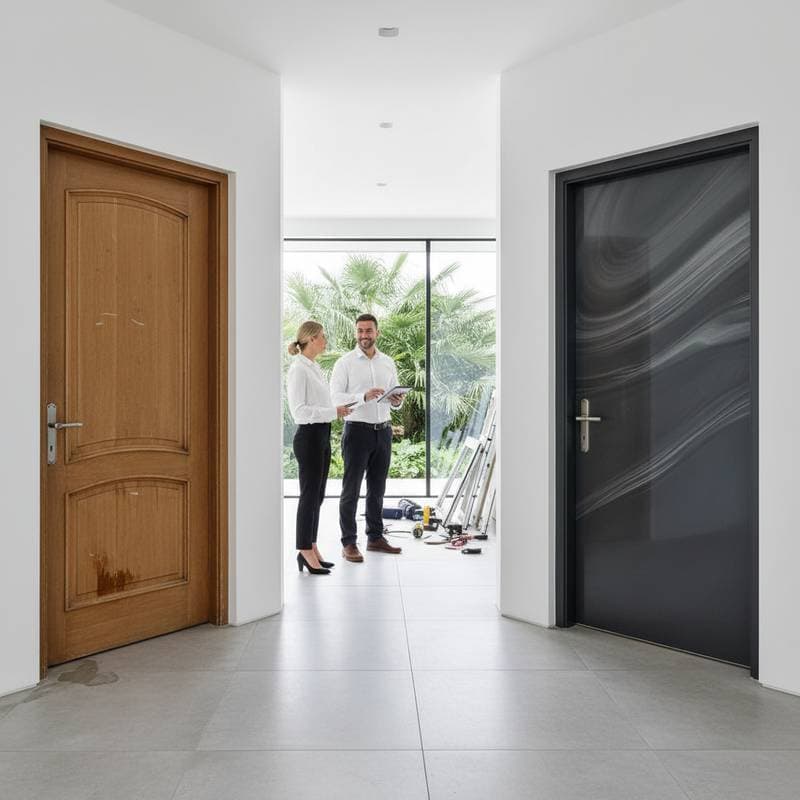
Epoxy coatings excel over veneers in managing moisture and resisting scratches. They provide a wider array of colors compared to fiberglass, which restricts aesthetic choices. Although the upfront expense is higher, experts emphasize that the prolonged durability justifies the investment.
To illustrate, consider a kitchen installation: an epoxy door endures daily spills and humidity without swelling, unlike wood veneer that may require replacement within five years. Contractors recommend epoxy for spaces prone to wear, ensuring sustained visual appeal.
Key Installation Practices
The installation of epoxy doors mirrors procedures for standard solid-core doors, yet demands careful handling of surfaces and attention to curing environments. The resin layer risks scratches if disturbed prior to full curing, prompting installers to employ protective padding and soft gloves during transport and fitting.
Standard installation involves these steps:
- Measure the door frame precisely and prepare the opening for a secure fit.
- Align the door and secure it with heavy-duty hinges rated for long-term use.
- Verify even clearances around the edges to promote smooth operation.
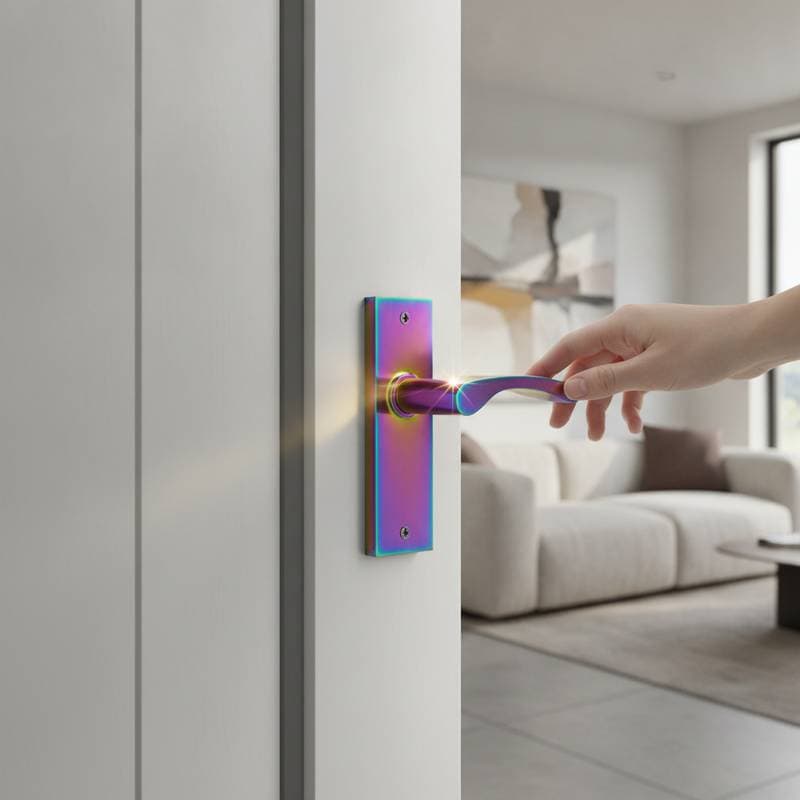
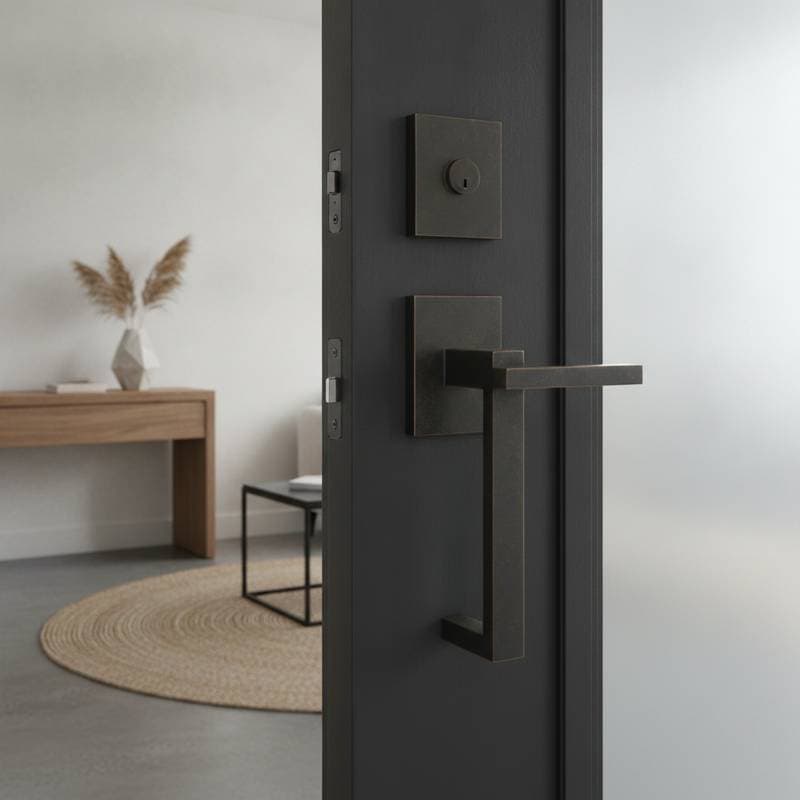
- Install hardware designed to complement the epoxy surface, avoiding abrasive materials.
- Apply a manufacturer-recommended protective polish or sealant as a final step.
Store epoxy doors horizontally and away from direct sunlight prior to installation. This practice prevents surface distortions or unintended curing, preserving the finish integrity.
For optimal results, schedule installations during moderate temperatures between 60 and 80 degrees Fahrenheit. This range facilitates proper adhesion and minimizes expansion risks.
Proven Longevity and Testing Results
Independent certification organizations conduct rigorous laboratory evaluations on epoxy-coated doors. These assessments demonstrate sustained structural stability and surface quality following extended simulated wear. Tests for scratches, humidity exposure, and temperature fluctuations reveal epoxy's superiority to conventional urethane or acrylic coatings.
Contractor feedback from real-world applications reinforces these outcomes. Installations from ten years prior retain their original appearance, even in commercial spaces with intensive daily traffic. This reliability fosters trust among property managers and construction teams, positioning epoxy as a dependable solution.
In one case study, a hotel chain reported zero replacements for epoxy doors after eight years of guest use, contrasting with frequent wood door repairs. Such evidence underscores the material's role in reducing operational disruptions.
Care Strategies for Epoxy Doors
Epoxy doors demand minimal maintenance, yet targeted care maximizes their durability and appearance. Clean surfaces using a soft cloth dampened with a mild soap solution. Steer clear of abrasive cleaners that might compromise the finish clarity.
Perform annual inspections of hinges and hardware to maintain fluid movement and avert edge damage. For any minor scratches or chips, apply brand-specific color-matched resin kits. These repairs seal potential moisture entry points and restore the protective barrier.
Homeowners managing multiple doors benefit from biennial professional inspections. This approach ensures consistent aesthetics and functionality across installations, safeguarding the overall investment.
Selecting Epoxy Doors for Lasting Interiors
Epoxy doors represent a forward-thinking choice for interiors that prioritize endurance and style. Contractors value their ability to withstand environmental challenges while offering customization that aligns with diverse design visions. By integrating epoxy into projects, builders deliver spaces that require less frequent intervention and provide enduring satisfaction.
Evaluate your space's demands—humidity levels, foot traffic, and aesthetic goals—when considering this upgrade. Consult with experienced installers to match epoxy options to your needs, securing a resilient foundation for years of reliable performance.