Understanding Barn Door Hardware Limitations in 2025
Barn doors have long served as a popular choice for interior spaces, combining rustic aesthetics with practical space efficiency. However, as these designs age, their hardware reveals significant shortcomings that undermine daily usability. Homeowners increasingly report frustrations with operational noise, structural wear, and spatial demands, prompting a shift toward more sophisticated sliding solutions that prioritize both form and function.
This evolution reflects broader trends in interior design, where reliability matches visual impact. Designers now advocate for systems that integrate seamlessly into diverse environments, avoiding the pitfalls of traditional barn door setups. By examining these challenges, readers can make informed decisions to upgrade their homes effectively.
Key Reasons Traditional Barn Door Hardware Falls Short
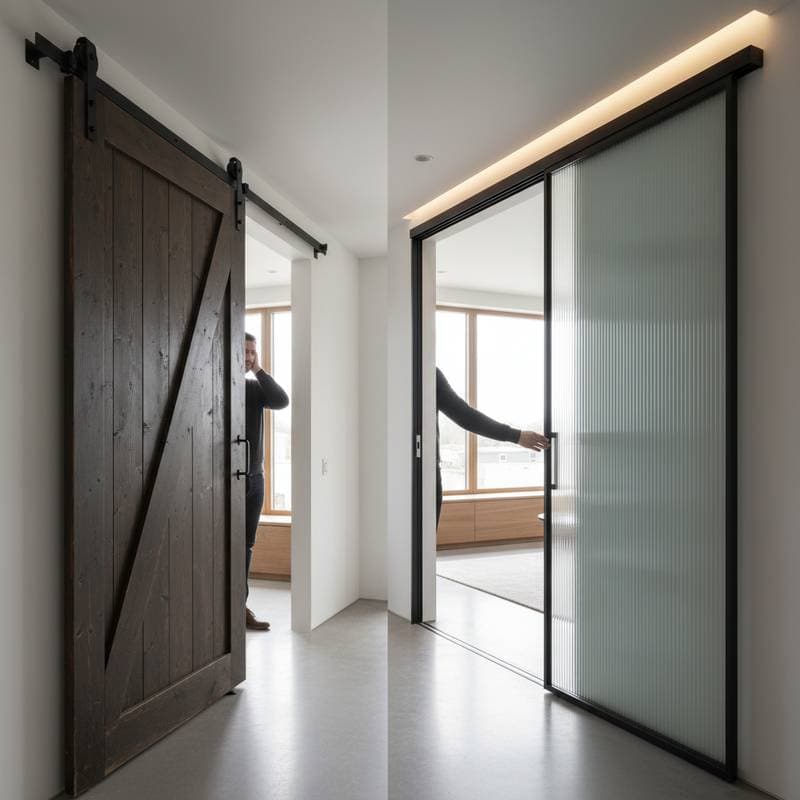
Exposed tracks and heavy steel components define the classic barn door aesthetic, yet they introduce practical hurdles. Over time, these elements accumulate dust and debris, leading to grinding noises during operation. Rollers often sag under the weight of substantial wood panels, causing misalignment and uneven sliding.
Clearance requirements further complicate installations in compact areas. Barn doors demand ample wall space to slide fully open, which proves unfeasible in narrow hallways or multi-use rooms. In humid or coastal settings, untreated metal hardware corrodes rapidly, accelerating failure rates.
Maintenance adds another layer of inconvenience. Homeowners must regularly lubricate tracks and tighten fittings to prevent binding. Without soft-close features, doors slam abruptly, risking damage to walls and frames. These cumulative issues transform an initial design win into an ongoing chore.
Embracing Refined Sliding Door Systems
Contemporary sliding doors emphasize subtlety and efficiency, concealing mechanisms to let architecture shine. Hidden tracks mounted above door frames eliminate visual clutter, while soft-close dampers ensure gentle operation. Materials like anodized aluminum and sealed bearings enhance durability, resisting environmental stresses.
These systems adapt to various interior motifs, from sleek minimalism to warm transitional schemes. Installation flexibility allows for wall, ceiling, or pocket configurations, optimizing space without compromise. The result is a fluid movement that enhances room flow and user comfort.
Homeowners benefit from reduced noise pollution and easier upkeep. Sealed components minimize dust ingress, and corrosion-resistant finishes extend service life. This approach refines the sliding door concept, delivering timeless performance alongside modern elegance.
Practical Upgrade Strategies
Budget-Friendly Options (300 to 600 Dollars)
Start with aluminum tracks featuring a brushed finish to replace cumbersome steel alternatives. These lighter materials reduce strain on rollers and simplify installation. Select kits equipped with nylon rollers for whisper-quiet gliding.
Repurpose an existing door panel by swapping out the hardware for a slim-profile track. This method cuts costs while achieving a streamlined appearance. Focus on pre-assembled units to avoid complex assembly, ensuring quick results in standard doorways.
Mid-Tier Solutions (700 to 1200 Dollars)
Incorporate concealed tracks housed in wall headers for a flush integration. Pair these with soft-close systems that prevent abrupt stops, safeguarding surrounding surfaces. Choose solid-core wood or composite panels to dampen sound transmission effectively.
Opt for stainless steel hardware with powder-coated options to fend off scratches and oxidation. These selections suit moderate-traffic areas, providing reliable operation without frequent interventions. Verify compatibility with door weights up to 200 pounds for optimal balance.
Premium Investments (1300 to 2500 Dollars)
Explore recessed ceiling tracks that suspend doors for a floating effect, ideal for open-plan layouts. Combine with bespoke panels crafted to echo cabinetry grains or wall hues. Integrate LED strips along tracks or frosted glass elements to boost illumination and depth.
Custom fabrication ensures precise fits, accommodating unique architectural quirks. High-grade bearings and adjustable guides maintain alignment over years of use. This level suits high-end renovations where longevity and customization take precedence.
Selecting Materials and Finishes
Coordinate hardware with adjacent elements for harmonious results. For spaces adjacent to large windows, select matte black or brushed nickel frames that align with track finishes, promoting visual unity.
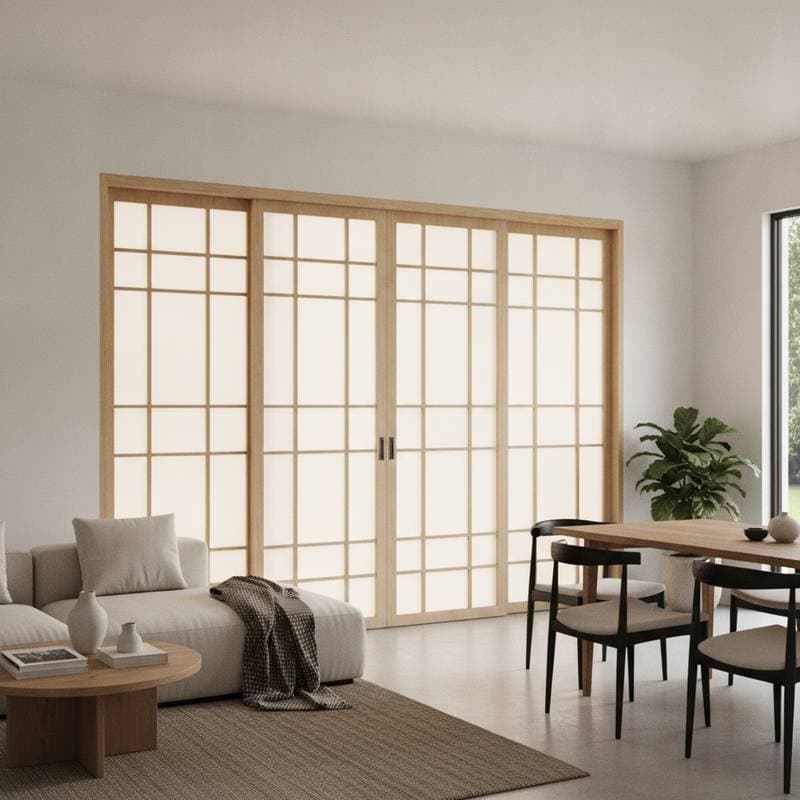
Solid oak or walnut doors offer warmth and stability, while painted MDF provides versatility for color matching. In lighter schemes, aluminum-framed frosted glass introduces subtle translucency without overwhelming patterns.
Pair systems with smooth drywall or shiplap walls to facilitate even track mounting. Steer clear of rough textures that could snag rollers or disrupt alignment. Align trim profiles with baseboards, or opt for trimless designs in modern contexts to extend lines fluidly.
Essential Maintenance Insights
Routine care for upgraded hardware involves simple wiping of tracks and periodic bearing checks. Enclosed designs shield against dust buildup, unlike open barn systems. Soft-close integrations absorb momentum, averting wear on stops and edges.
In moisture-prone areas, prioritize stainless steel or anodized components to combat rust. Annual inspections catch minor adjustments early, preserving smooth function. This proactive routine contrasts sharply with the intensive demands of traditional setups.
Common Pitfalls to Sidestep
Assess wall dimensions before committing to any sliding system. Barn-style doors require extensive clearance, often unsuitable for tight corridors; pivot to pocket doors that recess fully into walls.
Match door mass to hardware capacity meticulously. Exceeding weight limits strains components, leading to premature sagging. Consult specifications and reinforce as needed for dense wood selections.
Address acoustics from the outset. Friction between metal parts generates persistent rattles; integrate polymer rollers and damping mechanisms for serene movement.
Harmonize finishes across fixtures to avoid discord. Test black tracks against pale walls in samples, ensuring they enhance rather than dominate the palette.
Integrating Color and Style
Unified schemes elevate door updates from functional to focal. Explore these curated pairings:
-
Neutral Contemporary: Pair soft white walls with brushed nickel accents and light oak panels for an expansive, serene atmosphere.
-
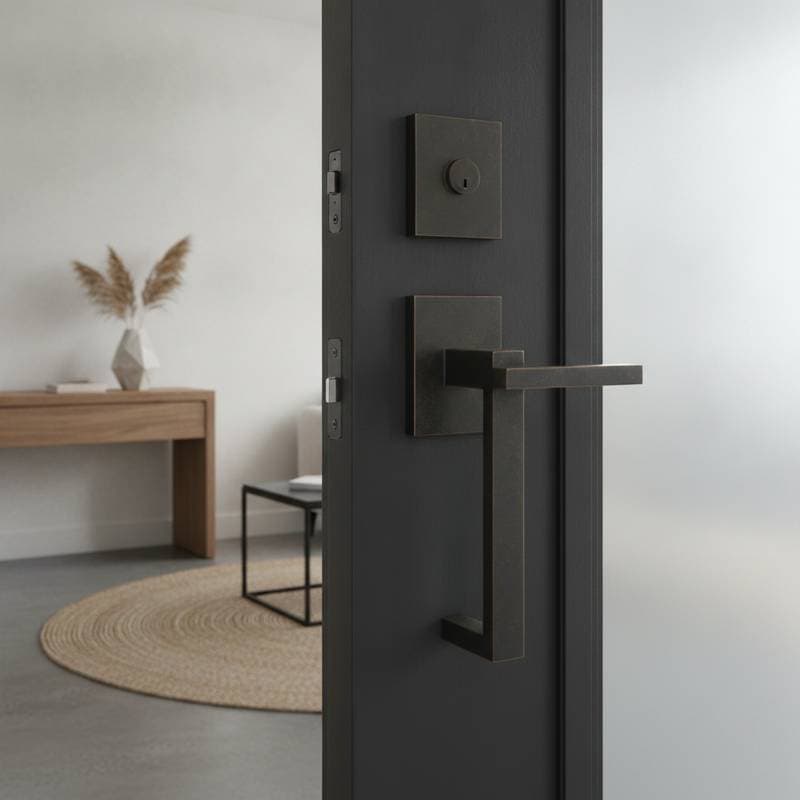
Transitional Warmth: Blend cream tones, oil-rubbed bronze hardware, and walnut doors to infuse inviting depth.
-
Dramatic Farmhouse: Contrast charcoal walls, matte black tracks, and raw pine for bold, grounded character.
-
Coastal Elegance: Unite pale blue surrounds, stainless elements, and whitewashed oak to capture luminous, breezy vibes.
These combinations anchor hardware within the room's narrative, fostering cohesion.
Pre-Installation Planning Guide
Capture comprehensive visuals of your space prior to sourcing materials. Photograph broad views alongside detailed shots of ceilings, floors, and transitions to inform scale.
Catalog trim dimensions, window positions, and surface textures for compatibility checks. Factor in local codes if alterations impact communal zones.
Evaluate environmental factors like humidity levels that influence material choices. Outline budget allocations, prioritizing aspects such as acoustic isolation or stylistic polish.
Achieving Seamless Design Integration
Barn door hardware introduced innovative space solutions, yet its drawbacks highlight the need for advancement. Modern sliding systems address these gaps through quiet precision and adaptive versatility. By selecting coordinated, durable options, homeowners craft entrances that support lifestyle demands while elevating aesthetic continuity.
Focus on hardware as an extension of interior dialogue ensures enduring satisfaction. Thoughtful upgrades yield spaces that operate effortlessly and inspire daily. This strategic refinement positions sliding doors as reliable cornerstones of contemporary living.