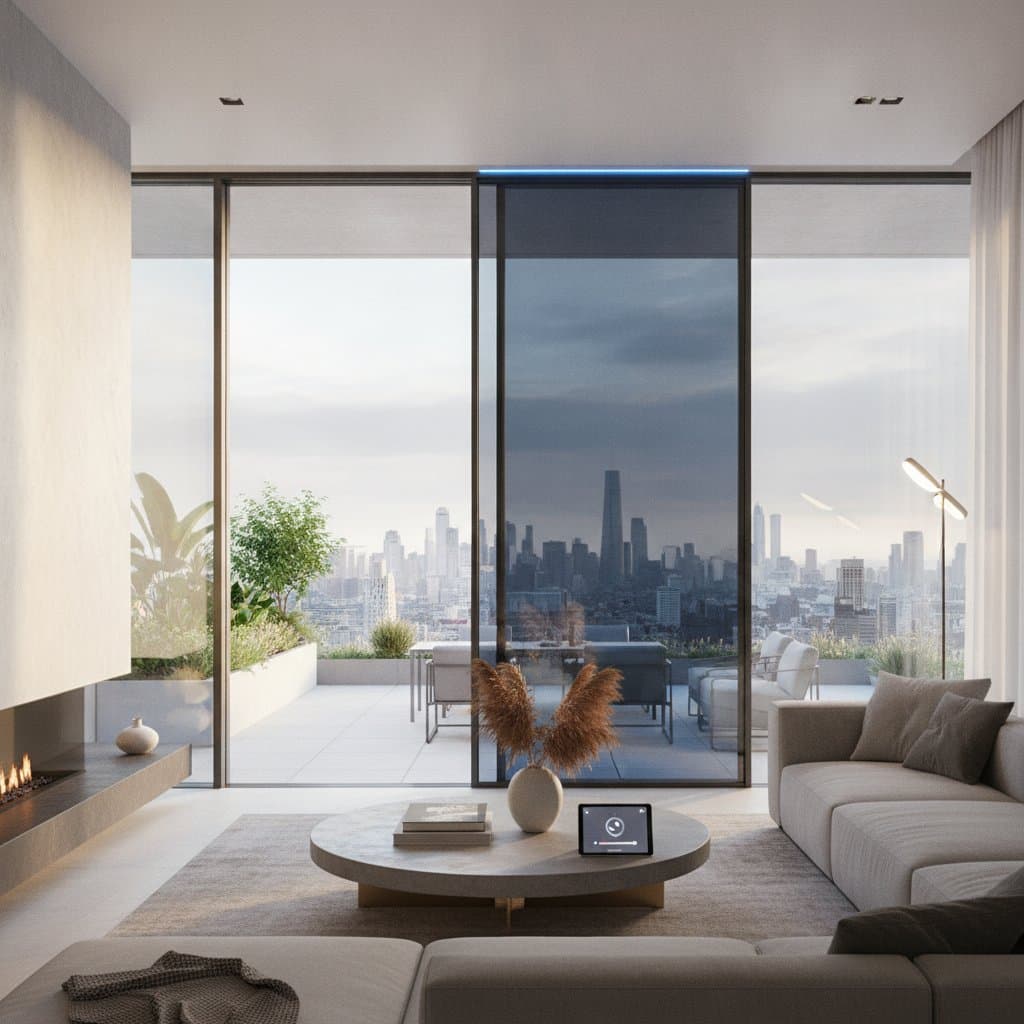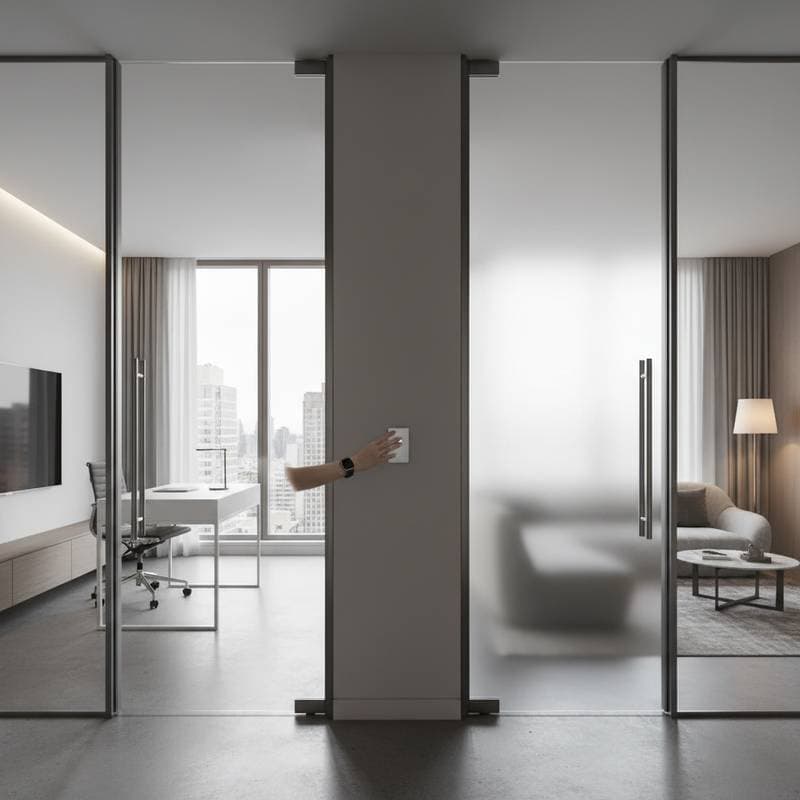
Electrochromic Doors: Instant Privacy at Your Fingertips
Smart technology continues to permeate home architecture, moving beyond basic appliances into structural elements. Electrochromic doors represent a pinnacle of this evolution, blending advanced materials with intuitive controls. These doors employ smart glass that alters its transparency through electrical impulses, allowing users to manage privacy, illumination, and atmosphere with precision.
Homeowners often desire versatile spaces that adapt to daily needs. Electrochromic glass doors address this by offering seamless transitions without mechanical obstructions. To evaluate their suitability, consider the operational principles, performance benefits, potential limitations, and integration steps. Such knowledge empowers informed choices for enhancing residential environments.
Material Construction and Design Options
Electrochromic doors feature laminated glass panels engineered for strength and shatter resistance. Sandwiched between these panes, an electrochromic film responds to voltage by changing opacity. Frame selections influence both aesthetics and functionality, tailored to specific applications.
Common frame materials include:
- Aluminum, which provides a minimalist profile and robust support for large panels
- Wood, valued for its organic appeal and compatibility with traditional interiors
- Composite or fiberglass, offering weather resistance and minimal upkeep for high-traffic areas
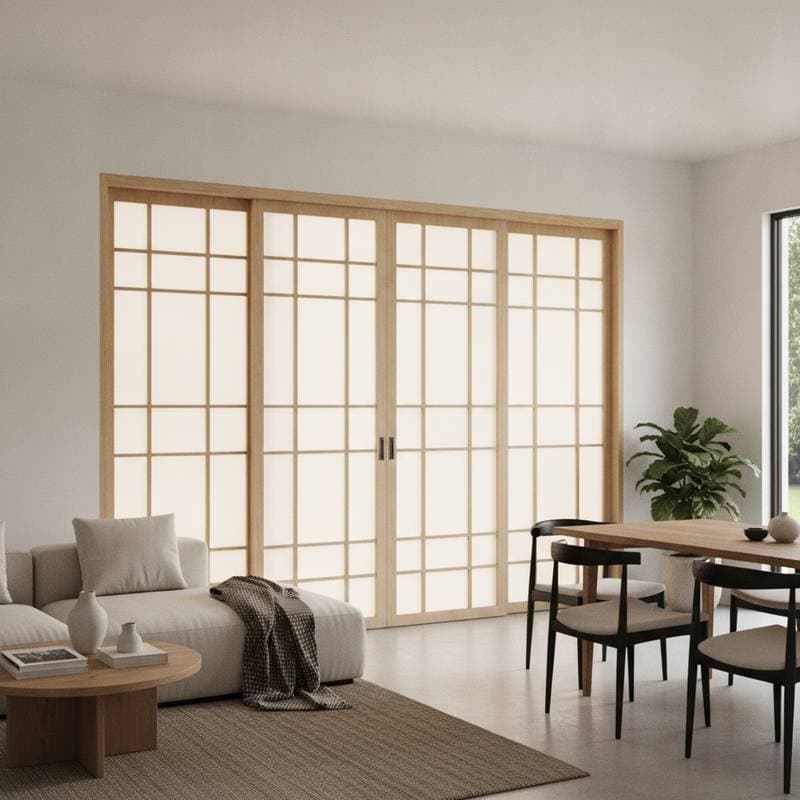
Customization extends to surface treatments, opacity levels, and frame profiles that harmonize with existing decor. Advanced models support zoned controls, where sections of the glass maintain clarity while adjacent areas obscure. For hybrid styles, wood-framed variants preserve material authenticity alongside technological precision, creating cohesive transitions in mixed architectural settings.
Energy Efficiency and Comfort Benefits
Electrochromic glass extends beyond visual control to influence thermal dynamics and resource consumption. Users adjust solar exposure to optimize natural heating or cooling, reducing mechanical system demands. In clear mode, abundant daylight minimizes electrical lighting usage during peak hours.
When activated to opaque, the glass filters infrared and ultraviolet rays, curbing heat buildup and glare that strain cooling units. This adaptability proves especially valuable in sun-intensive regions, where it safeguards interiors from discoloration of fabrics and surfaces. Laminated construction further bolsters thermal insulation, stabilizing temperatures and fostering year-round comfort.
Quantifiable savings emerge over time; for instance, consistent use can lower energy bills by optimizing passive climate management. Homeowners report heightened satisfaction from environments that respond dynamically to weather and occupancy patterns.
Maintenance and Longevity
Manufacturers engineer electrochromic systems for extended service life, with components resistant to environmental stressors like humidity and direct sunlight. The design eliminates mechanical vulnerabilities, relying instead on electrochemical reactions that endure repeated cycles without degradation.
Essential upkeep practices encompass:
- Wiping surfaces with pH-neutral solutions to prevent residue buildup
- Inspecting perimeter seals annually to maintain weatherproofing
- Verifying power supply integrity to avoid operational interruptions
- Protecting against abrasive contact that might compromise the finish
Under standard conditions, these doors retain functionality for decades, outlasting conventional shading alternatives. Periodic professional assessments ensure optimal performance, often covered under extended manufacturer guarantees.
Safety and Code Considerations
Integration of electrical elements demands adherence to rigorous safety protocols. Installations require insulated wiring and grounding to mitigate risks, particularly in moist environments like showers or patios. Certified components undergo testing for electromagnetic compatibility and fire resistance.
Local regulations dictate specifications for load-bearing capacity, electrical loads, and accessibility features. Engage licensed contractors who navigate these requirements, ensuring compliance during permitting and final inspections. Reputable brands provide documentation on standards met, including UL listings for electronics.
Warranties typically span 10 to 20 years for glass and mechanisms, detailing coverage for defects or failures. Reviewing these provisions clarifies maintenance obligations and recourse options, promoting long-term reliability.
Environmental and Climate Factors
Electrochromic performance adapts to regional variations, enhancing efficacy in diverse settings. In arid, high-sun locales, opacity modes block excessive heat, easing cooling loads. Temperate zones benefit from clear configurations that capture solar warmth, supplementing heating without added energy.
Sustainability appeals to eco-minded residents, as these doors curtail fossil fuel reliance through intelligent light and heat modulation. Production processes incorporate recyclable substrates, and low-voltage operations minimize power draw. Optional low-E coatings amplify efficiency by reflecting unwanted radiation while transmitting visible light.
Over a home's lifecycle, such features contribute to reduced carbon footprints, aligning with green building certifications like LEED. Users in variable climates appreciate the versatility that maintains consistent indoor quality regardless of external conditions.
Preparing for Installation
Successful electrochromic door projects begin with thorough planning to align technology with spatial goals. Collaborate early with architects, electricians, and fabricators to map out placements and power needs. Site evaluations confirm structural support and wiring feasibility.
Key preparation steps include:
- Identify target areas where privacy toggles or light control will elevate usability, such as home offices or patios.
- Assess existing electrical infrastructure for low-voltage compatibility, potentially upgrading outlets or panels.
- Select frames and glass specifications that match architectural motifs, considering size and swing directions.
- Solicit bids from vetted specialists, comparing timelines, costs, and post-install support.
- Scrutinize warranty details, including response times for service calls and replacement policies.
Budget for ancillary elements like remote controls or app integrations, which expand usability. Professional execution minimizes disruptions, delivering a polished outcome that integrates effortlessly.
Selecting Electrochromic Doors for Your Home
Choosing electrochromic doors involves weighing personal priorities against technical specifications. Prioritize models with proven response times under five seconds for seamless operation. Test samples in lighting conditions similar to your space to gauge tint uniformity and color neutrality.
Factor in scalability; expandable systems allow future additions to windows or partitions. Consult user reviews for insights on real-world reliability, focusing on noise levels and app stability. Ultimately, these doors elevate living standards by merging innovation with practicality, creating adaptable havens that evolve with your lifestyle.