Japandi Sliding Doors: The 2026 Essential for Space Optimization
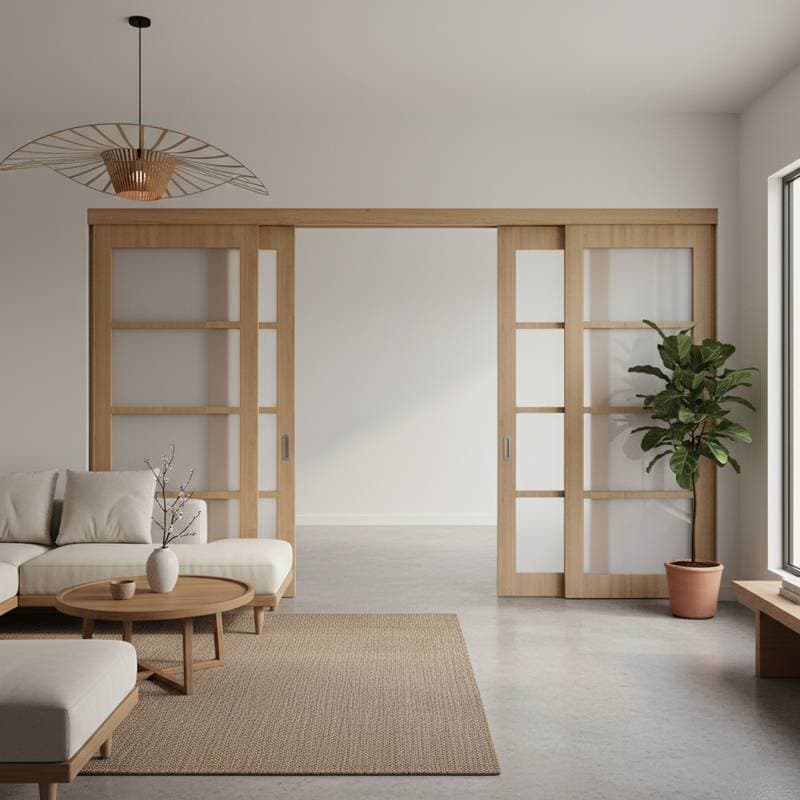
Homeowners who seek methods to optimize space while upholding a serene, minimalist style increasingly embrace Japandi design. This approach integrates the precise lines of Scandinavian simplicity with the subtle elegance of Japanese artistry. Among its most practical and aesthetically compelling components stands the Japandi sliding door, which conserves essential floor area and introduces organic texture, abundant light, and harmonious equilibrium to contemporary spaces.
The following sections detail this evolving trend, outline anticipated expenses, and provide guidance on selecting appropriate materials and installation methods to suit your residence.
Pricing Overview for Japandi Sliding Doors
Expenses for Japandi sliding doors fluctuate based on factors such as material composition, panel dimensions, and track configurations. Most installations range from $800 to $3,500 per door, with bespoke creations surpassing $5,000. These figures account for the premium materials and meticulous fabrication needed for flawless alignment and fluid performance.
| Material/Style | Cost Range (Installed) | Key Features |
|---|---|---|
| Solid Wood | $1,200 to $3,500 | Warm visual appeal, robust construction, versatile finishing options |
| Wood with Glass Panels | $1,000 to $2,800 | Enhanced light passage, adjustable privacy levels, sophisticated profile |
| Bamboo Composite | $800 to $1,800 | Environmentally sustainable, reduced weight, resistance to humidity |
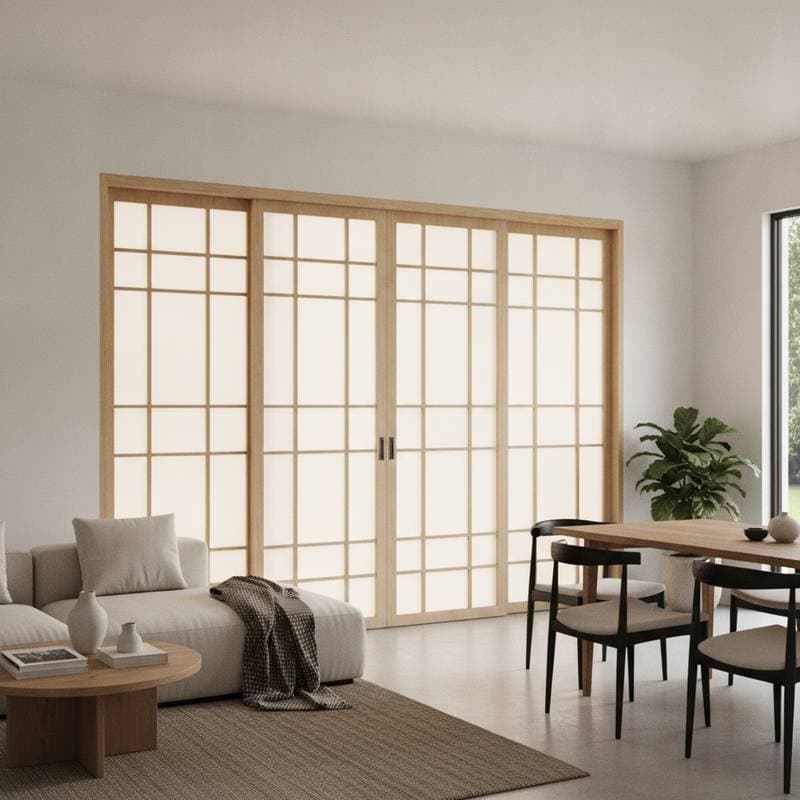
| Shoji-Style with Rice Paper or Acrylic | $900 to $2,400 | Gentle illumination diffusion, traditional Japanese essence |
| Engineered Wood Veneer | $700 to $1,600 | Cost-effective, dimensionally stable, contemporary surface treatments |
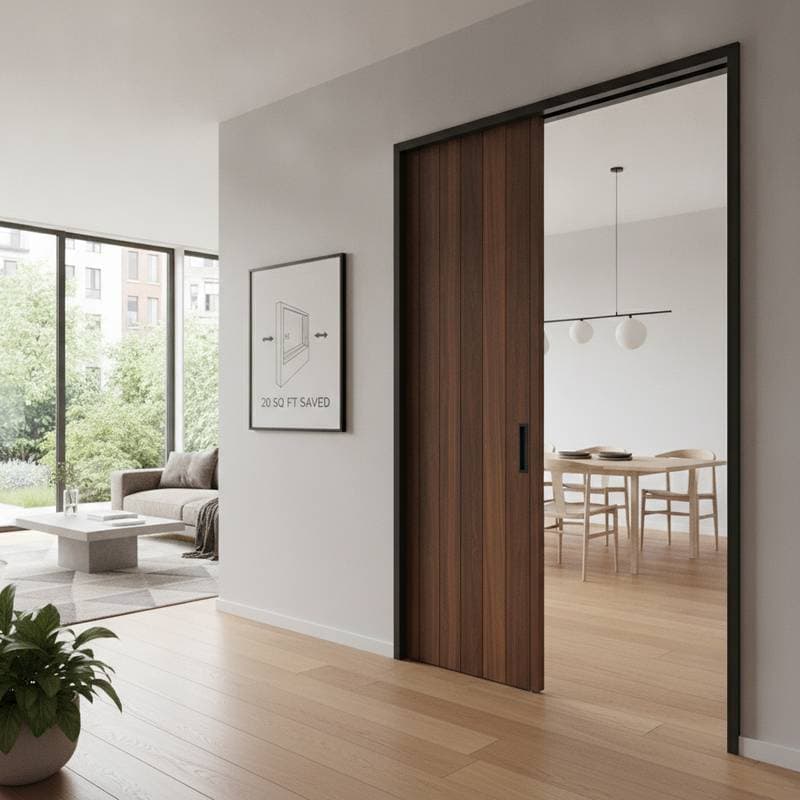
Such estimates typically encompass materials, mounting hardware, and expert labor. Intricate setups like recessed pocket mechanisms or paired sliding panels may incur additional $500 to $1,000 in workmanship fees.
Japandi Sliding Doors Versus Alternative Interior Divisions
To evaluate Japandi sliding doors against competing varieties, consider attributes including expense, upkeep demands, and spatial effectiveness.
| Door Type | Average Installed Cost | Space Efficiency | Maintenance Level | Aesthetic Fit |
|---|---|---|---|---|
| Hinged Door | $400 to $1,200 | Low | Low | Traditional or transitional |
| Barn-Style Sliding Door | $700 to $2,000 | High | Moderate | Rustic or farmhouse |
| Pocket Door | $900 to $2,500 | Very High | Moderate | Modern or minimalist |
| Japandi Sliding Door | $800 to $3,500 | Very High | Low to Moderate | Minimalist, natural, tranquil |
Japandi sliding doors command a premium within the spectrum yet provide superior elegance and area reclamation capabilities.
Selecting Materials and Finishes
The chosen material shapes the door's appearance and endurance. Japandi principles emphasize organic surfaces, subdued palettes, and pronounced wood grains.
Recommended Materials:
- Oak: Features a pale tone, prominent grain, and superior strength. It aligns seamlessly with Scandinavian color schemes.
- Ash: Presents a sleek surface and soft shade, perfect for understated environments. This wood resists wear in high-traffic zones.
- Walnut: Delivers a deep brown hue for added depth and coziness. Its natural oils enhance longevity without frequent treatments.
- Bamboo: Offers renewability and ease of handling, thriving in moisture-prone areas like bathrooms or kitchens.
- Shoji Screens: Employ classic Japanese framing with rice paper or acrylic for subtle glow. These elements evoke cultural authenticity while allowing customizable opacity.
Finish Alternatives:
- Natural Oil or Wax Application: Accentuates the wood's inherent patterns and sustains a non-reflective surface.
- Matte Lacquer Coating: Provides defense from dampness and spills, ideal for family homes.
- Whitewash or Subtle Stain: Imparts a luminous, Scandinavian-inspired clarity to brighter rooms.
- Charred or Deep Stain: Introduces grounding contrast, enhancing modern architectural lines.
Pair these choices with your room's lighting and adjacent furnishings to achieve cohesive tranquility.
Upkeep Strategies for Enduring Performance
Japandi sliding doors endure for generations with diligent attention. Consistent routines preserve the tracks and surfaces in prime condition.
Essential Care Practices:
-
Track Cleaning Routine
Remove accumulated dust and particles that hinder movement. Employ a vacuum weekly, followed by a soft cloth dampened with water. -
Roller Lubrication Schedule
Apply silicone lubricant biannually to facilitate effortless sliding. This step minimizes noise and prevents binding over time. -
Hardware Evaluation
Check for loosened fasteners or fittings monthly. Prompt adjustments avert irregular abrasion and maintain balance. -
Finish Preservation Methods
Steer clear of abrasive agents. Opt for gentle, wood-compatible cleaners to safeguard color and texture integrity. -
Humidity Regulation
Wood responds to environmental moisture by shifting dimensions. Maintain interior levels at 40 to 60 percent using dehumidifiers or vents as needed.
These habits extend functionality and retain the doors' refined allure.
Upgrading with Contemporary Hardware Features
Current sliding systems incorporate innovative components for hushed, reliable operation. Elements like soft-close devices, hidden rollers, and stabilizing guides elevate usability and security.
| Hardware Feature | Added Cost | Benefit |
|---|---|---|
| Soft-Close Mechanism | $100 to $250 | Avoids abrupt closures, prolongs component durability |
| Concealed Rollers | $150 to $300 | Streamlined visuals, reduced operational sound |
| Floor Guides | $20 to $80 | Ensures steady panel alignment during use |
| Flush Handles | $50 to $120 | Subtle design integration, intuitive handling |
| Dual-Track Systems | $200 to $500 | Supports multi-panel configurations for larger openings |
Quality enhancements align with Japandi's emphasis on subtlety, ensuring doors operate with precision and poise.
Steps to Execute Your Japandi Sliding Door Installation
Approach your project methodically to guarantee success.
-
Precise Measurement Protocol
Record exact dimensions of the doorway, factoring in allowances for moldings and fittings. Assess adjacent wall areas for track mounting to avoid obstructions. -
Material Decision Timeline
Determine if the door functions as a divider or statement piece. Select options that harmonize with flooring, woodwork, and built-ins for unified aesthetics. -
Comprehensive Budget Allocation
Factor in every element, including accents and closure aids. Obtain detailed estimates from providers to facilitate informed comparisons. -
Professional Consultation Integration
Engage certified installers early to review structural compatibility. They can recommend adjustments for optimal light flow and spatial dynamics.
Realizing Serene, Spacious Interiors
Integrating Japandi sliding doors transforms constrained areas into inviting sanctuaries. By reclaiming 10 square feet per room, these installations foster openness without sacrificing privacy. Embrace this trend to cultivate lasting calm, where functionality meets timeless beauty in every transition.