Why Reclaimed Barn Door Hardware Costs Three Times as Much
Reclaimed barn door hardware has transformed from a simple functional element into a key feature in rustic and industrial interior designs. This hardware now symbolizes skilled workmanship, rarity, and ties to historical construction techniques. Homeowners planning sliding barn door projects frequently observe that reclaimed options command prices three times higher than comparable new items. Grasping the reasons behind this premium enables informed choices aligned with personal objectives, financial plans, and aesthetic preferences.
Defining Reclaimed Barn Door Hardware
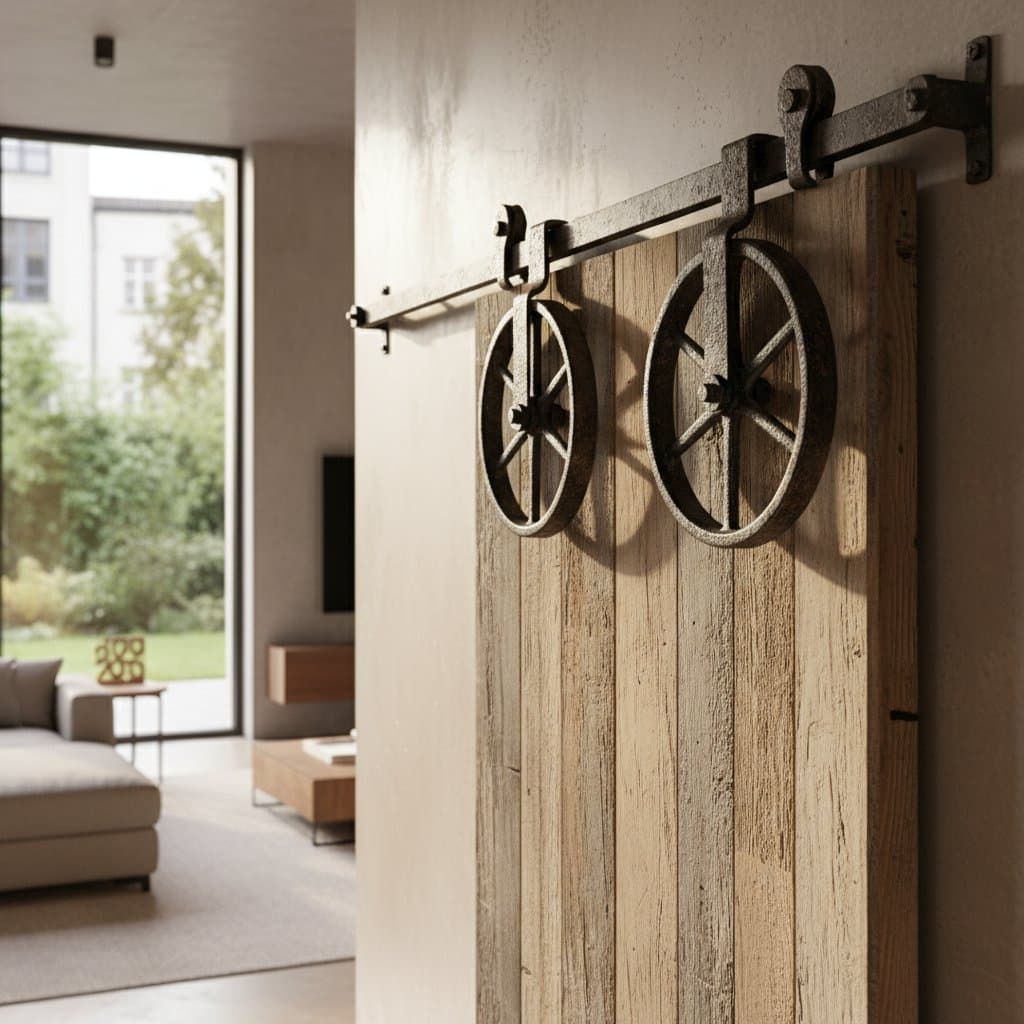
Reclaimed barn door hardware consists of genuine metal elements recovered from aged barns, factories, or workshops. These components serve as original supports for substantial wooden doors in past agricultural or industrial environments. Brackets, hinges, and rollers bear evidence of time, including hand-forged details and natural patina that modern production cannot replicate.
Authenticity defines its allure. Although new hardware can simulate distressed surfaces, authentic reclaimed pieces exhibit unique structural traits and visual inconsistencies from years of service. Such features, including uneven surfaces and minor flaws, narrate a history that resonates with individuals who prioritize legacy and artisanal quality. However, this distinctiveness demands complex procurement and refurbishment efforts, which elevate expenses.
Sourcing Impacts on Pricing
Reclaimed hardware emerges from targeted searches rather than routine production. Providers identify and extract viable items from demolished structures, frequently in isolated locations. This entails site visits, discussions with landowners, and meticulous disassembly to safeguard piece integrity. In contrast to factory-made goods, each recovered element undergoes evaluation, decontamination, and potential mending prior to market entry.
The demanding nature of extraction contributes significantly to overhead. Specialists focus on modest collections, restricting availability and boosting desirability. Shipping adds to costs, given the weight of these items and the need for secure wrapping against transit harm. Upon arrival, further interventions often address oxidation, fortify degradation, or adjust vintage specifications for current building codes.
Restoration Processes and Adaptation Hurdles
Refurbishing reclaimed hardware blends artistic skill with engineering precision. Incoming pieces commonly feature absent fasteners, bent rails, or incompatible wheels. Artisans revive functionality while retaining historical essence through techniques such as abrasive cleaning, lubricant application, protective coating, or targeted fusion. The aim remains usability in today's settings without compromising inherent traits.
Fitment presents another expense driver. Contemporary doors adhere to exact dimensions, whereas legacy hardware lacks uniformity. Vintage elements might necessitate bespoke adapters or altered guides for seamless integration. Such modifications demand expert handling and dedicated equipment, extending labor duration and overall outlay.
Supply Constraints Amid Rising Interest
Availability limits the reclaimed barn door hardware sector. Genuine artifacts defy large-scale replication. Each razed structure yields a finite array of serviceable parts, and depletion prompts hunts in fresh territories. Concurrently, enthusiasm for salvaged aesthetics surges among residential owners, professionals, and business ventures.
This supply-demand disparity elevates rates organically. Enthusiasts and creators vie for standout specimens, with vendors emphasizing refurbishment excellence and provenance over quantity. Consequently, a niche economy thrives on exclusivity, where purchasers invest extra for unparalleled genuineness.
New Versus Reclaimed: A Direct Comparison
Evaluating costs requires juxtaposing reclaimed hardware against style-matched modern equivalents.
| Option | Initial Cost | Lifespan | Maintenance | Best For |
|---|---|---|---|---|
| New Barn Door Hardware | Moderate | Long | Minimal if coated | Homeowners seeking consistent performance and easy installation |
| Reclaimed Barn Door Hardware | High | Variable depending on condition | Requires periodic care and inspection | Homeowners valuing authenticity and character |
Standardized dimensions and guarantees favor new hardware, ensuring reliable operation. Reclaimed variants, forged from robust eras, frequently demonstrate superior endurance, though performance fluctuates with prior exposure. These differences enhance appeal yet necessitate ongoing attention.
Aligning with Lifestyle and Visual Priorities
Selecting reclaimed hardware extends beyond economics to embody personal tastes and principles. Admirers of timeworn substances often integrate it with rough-hewn timber, visible rafters, and organic finishes. This combination fosters an intimate, rooted ambiance that bridges current residences with bygone artistry.
Sustainability bolsters its rationale. Repurposing salvaged resources curbs landfill contributions and eases pressure on fresh metal extraction. Environmentally minded renovators view the surcharge as an investment in responsible practices.
Nevertheless, reclaimed selections do not suit all routines. Households desiring minimal intervention might opt for durable new systems with reduced oversight. Exposed metals react to moisture or climate shifts, potentially requiring regular oiling or barriers against rust.
Craftsmanship's Central Influence
Skilled restorers guide each reclaimed set, harmonizing conservation with practicality. These experts discern methods to uphold surface authenticity alongside structural enhancements. Procedures encompass tailored assembly, accurate joining, and manual polishing.
Such expertise embeds worth and expense. Diverging from automated lines, restoration hinges on intuitive expertise. Outcomes display this distinction: a salvaged wheel might showcase forge imprints, contrasting the sleek uniformity of machined replicas. For discerning owners, these nuances warrant the investment.
Key Variables in Pricing
Multiple elements shape the ultimate cost of reclaimed barn door hardware:
- Original state: Heavily weathered or corroded items demand extensive revival.
- Material composition: Iron and steel treatments vary; brass or copper rarities fetch premiums.
- Ornamental intricacy: Elaborate or manually shaped designs hold greater worth.
- Refinishing approach: Expert resurfacing or fortification amplifies charges.
- Geographic factors: Delivery distances and regional stock affect end prices.
Recognizing these aspects equips buyers to assess proposals and discern true quality from mere rarity premiums.
Sustaining Performance Over Time
With diligent upkeep, reclaimed hardware surpasses factory counterparts in longevity. Vintage alloys boast dense formulations and straightforward mechanics amenable to endless repairs. Essential practices include routine wheel checks, part greasing, and bracket verifications.
Composition diversity means finishes degrade inconsistently. A transparent barrier or polish application tempers progression while safeguarding hue. In case of wear, targeted fixes preserve essence over full substitutions.
Selecting the Ideal Option
Opting for reclaimed barn door hardware hinges on appreciation for provenance, eco-stewardship, and material narrative. Preferences for uniform elegance may steer toward new hardware's reliability. Conversely, affinity for salvaged tales positions the premium as encompassing labor, skill, and green intent.
Prospective acquirers should probe origins, validate door metrics compatibility, and solicit refurbishment specifics. Original-condition images aid in authenticity assessment.
Achieving Optimal Installation
Partnering with seasoned installers or refurbishers guarantees secure, effective placement of reclaimed hardware. Processes encompass rail leveling tests, weight distribution confirmation, and anchor reinforcements.
Thoughtfully executed, this hardware elevates beyond ornamentation. It weaves traditional mastery and sustainable ethos into everyday spaces.