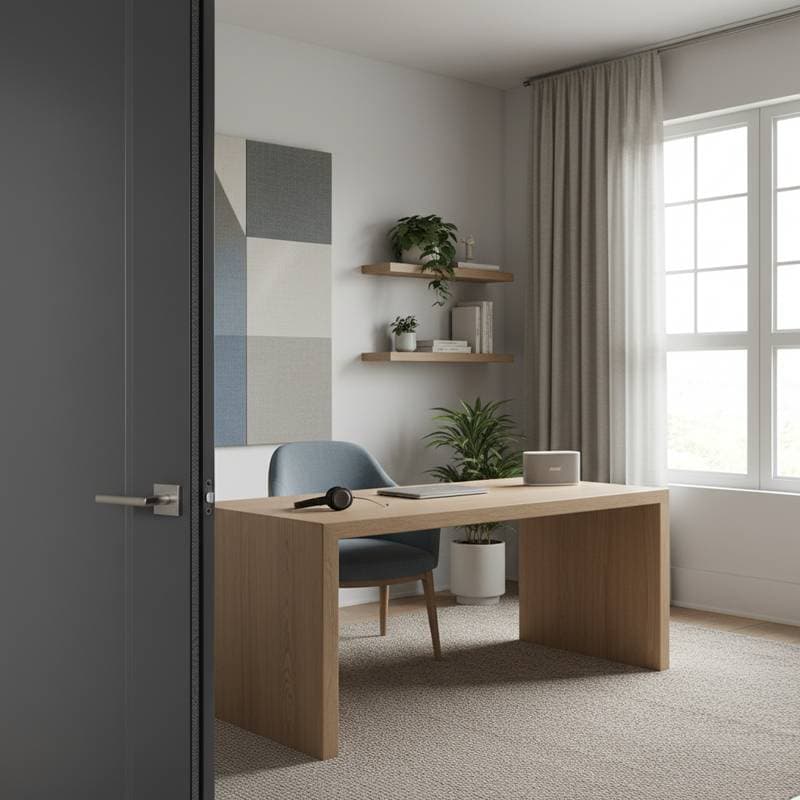
Soundproof Doors: Achieving 80% Noise Reduction in Home Offices
In today's remote work environment, maintaining focus amid household distractions proves challenging. Soundproof doors offer a practical solution by reducing noise transmission by up to 80 percent, creating a serene space for productivity. This article explores the mechanics of soundproofing, available options, and steps to implement them effectively.
Understanding Noise Reduction in Home Offices
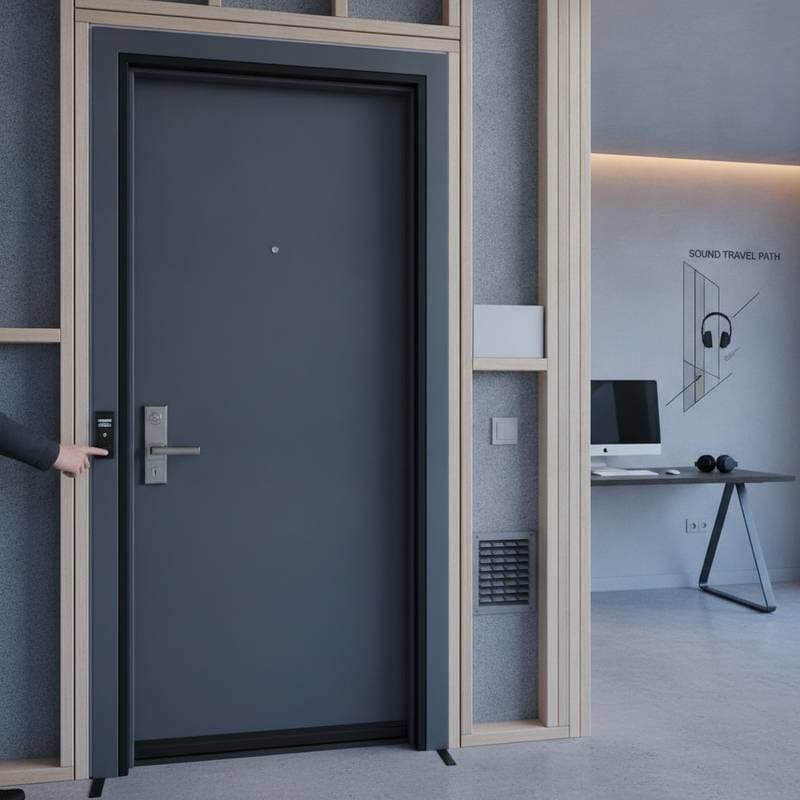
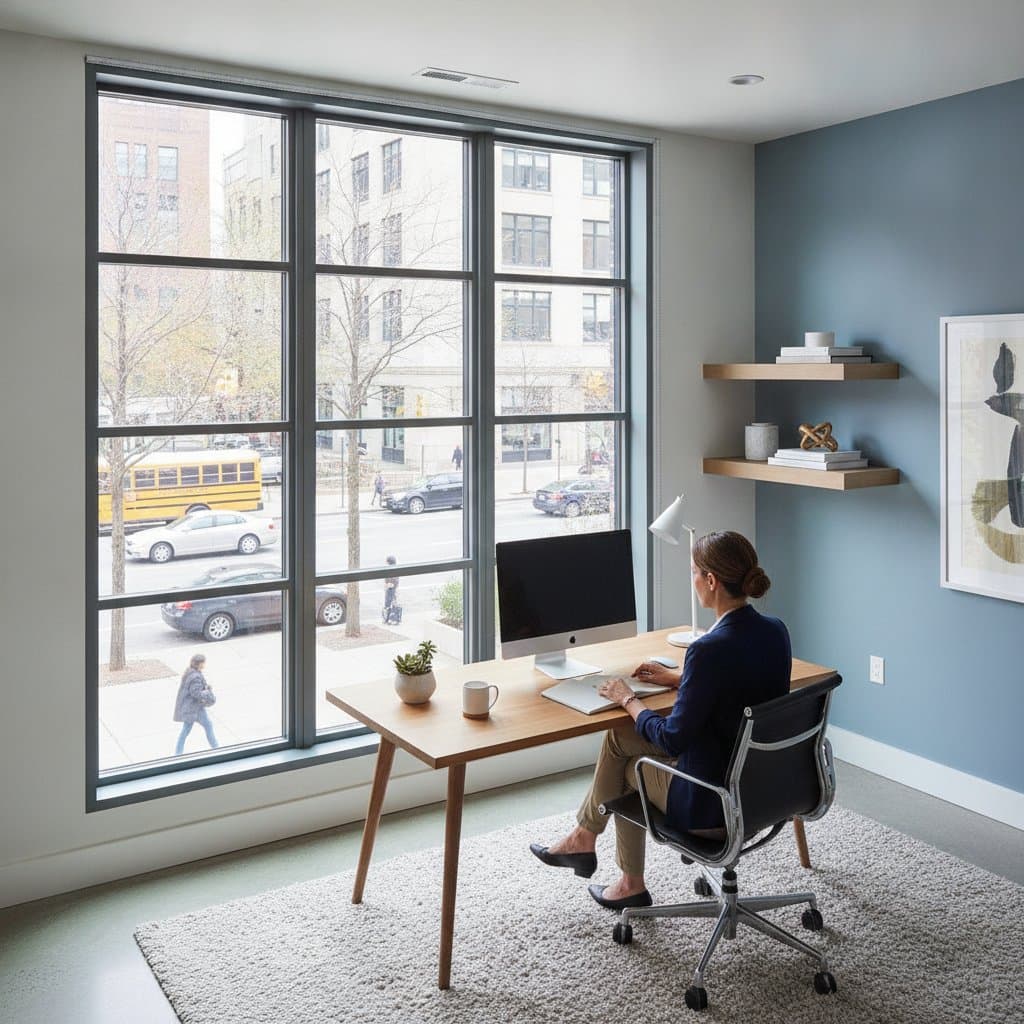
Noise from family members, appliances, or street traffic disrupts concentration and lowers efficiency. Soundproof doors address this by incorporating materials that absorb or block sound waves. These doors typically achieve a Sound Transmission Class (STC) rating of 40 or higher, translating to substantial noise reduction in real-world settings.
The effectiveness depends on the door's construction and surrounding elements. For instance, a solid-core door with acoustic seals outperforms a hollow interior model. Experts recommend assessing your home's specific noise sources before selecting a product.
Key Materials for Soundproof Doors
Various materials contribute to superior sound insulation. Solid wood or composite cores provide density to block sound, while foam gaskets and weatherstripping seal gaps around the frame. Advanced options include mass-loaded vinyl layers, which add weight and dampen vibrations.
Acoustic panels integrated into the door surface absorb echoes within the room. Fiberglass or mineral wool fills enhance internal soundproofing. Selecting the right combination ensures optimal performance without compromising aesthetics.
Comparing Common Materials
- Solid Wood: Offers natural density and durability; ideal for traditional interiors.
- Composite with Acoustic Fill: Balances cost and effectiveness; suitable for modern homes.
- Vinyl-Layered Doors: Provides maximum blocking for high-noise environments.
Each material influences both noise reduction and price, allowing customization based on budget and needs.
Installation Options and Costs
Professional installation guarantees proper fitting, which is crucial for sealing out sound. Basic upgrades, such as adding seals to existing doors, cost between 50 and 200 dollars. Full soundproof door replacements range from 300 to 1500 dollars, depending on size and features.
DIY approaches suit handy individuals but require precise measurements to avoid gaps. Begin by removing the old door and frame, then install the new unit with shims for alignment. Acoustic caulk seals edges, preventing sound leaks.
Consulting a specialist helps compare options and predict noise reduction outcomes. They evaluate door size, wall construction, and existing insulation to recommend tailored solutions.
Maximizing Performance with Additional Measures
A soundproof door works best alongside complementary strategies. Insulate adjacent walls with acoustic panels to contain sound within the office. Heavy curtains or rugs further absorb ambient noise.
Regular maintenance preserves effectiveness. Inspect seals quarterly for wear and replace as needed. Lubricate hinges to ensure smooth operation, which maintains a tight seal.
Step-by-Step Sealing Guide
- Measure gaps around the door frame.
- Apply adhesive-backed weatherstripping to the top and sides.
- Install a door sweep at the bottom to block under-door noise.
- Test with a sound meter to verify improvements.
These steps enhance the door's inherent capabilities, potentially exceeding 80 percent reduction.
Long-Term Benefits and Value
Investing in soundproof doors elevates home office functionality and property appeal. Enhanced privacy supports professional calls, while reduced stress boosts overall well-being. Over time, the upgrade pays for itself through increased productivity and home value.
Homeowners report noticeable improvements in focus after installation. This simple modification transforms chaotic spaces into efficient work zones, fostering a balanced lifestyle.