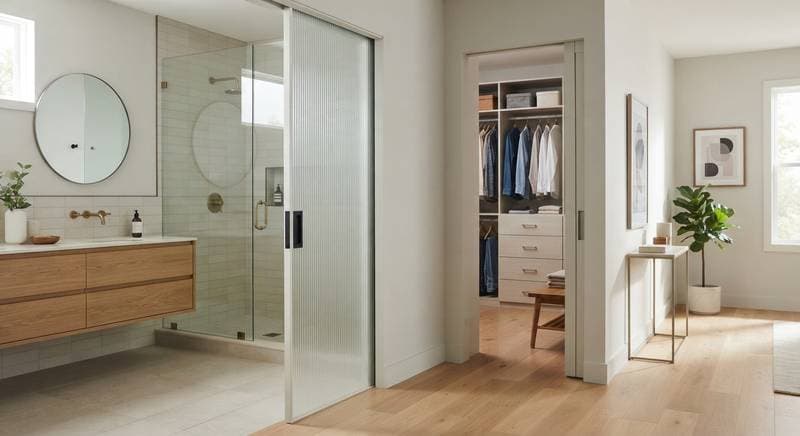
Pocket Doors: A Space-Saving Upgrade for Your Home
Pocket doors slide into a cavity inside the wall, freeing the floor area a hinged door needs to swing open. For a bathroom, closet, laundry room, or small office, that change can improve circulation and make furniture placement easier. A professionally installed pocket door typically costs about $800 to $2,500, including the door, hardware, and labor. Projects that require opening a finished wall, moving wiring, or reinforcing framing can cost more.
Pocket doors suit many homes, but they are not a simple swap in every wall. Before choosing a style, check the wall structure, nearby plumbing and electrical lines, and how much sound privacy the room needs.
What a Pocket Door Does Well
A pocket door hangs from a track and rolls into a framed opening inside the wall. Since it does not swing into the room or hallway, it can help in tight layouts where a conventional door blocks a walkway, vanity, or cabinet.
Common uses include:
- Bathrooms and powder rooms with limited clearance
- Closets, pantries, and laundry areas
- Home offices or flexible rooms where floor space matters
- Openings between rooms where a wide passage is useful
A single pocket door works for most standard openings. Double doors can cover a wider opening, though they require pockets on both sides or a design that accommodates both panels.
Typical Costs and Door Options
Pricing depends on door material, opening size, hardware quality, and the condition of the wall. The figures below are planning ranges for a typical residential project, including installation where noted. Actual quotes depend on local labor rates and site conditions.
| Option | Typical cost | Key features |
|---|---|---|
| Basic hollow-core door and standard frame | $800 to $1,500 installed | Lightweight and budget-friendly, with limited sound control |
| Solid-core door and upgraded track | $1,200 to $2,500 installed | Better privacy and a sturdier feel, with more weight to support |
| Custom wood or glass panel | $1,800 to $4,000 or more installed | Tailored appearance, with higher material and hardware costs |
| Pocket door hardware kit | $100 to $500 for parts | Track, hangers, guides, and stops, not including the door or labor |
A new installation in an open or unfinished wall may cost less than a retrofit in a finished room. Repairing drywall, repainting, or replacing trim can add several hundred dollars. For accurate comparisons, ask contractors to separate the door, frame, hardware, wall repairs, and finish work in their estimates.
Factors That Affect Installation
The wall cavity is the first major consideration. A pocket door needs enough clear space for the panel to slide fully out of sight. Plumbing stacks, electrical boxes, heating ducts, and built-in shelving can block that path. A contractor may be able to reroute some utilities, but doing so can add labor and require a licensed trade.
Wall construction matters, too. Standard interior walls can often accept a pocket door frame, while load-bearing walls may need a structural header to carry the weight above the opening. A header is a support placed across the opening. A qualified contractor can determine whether the wall is load-bearing and specify appropriate framing.
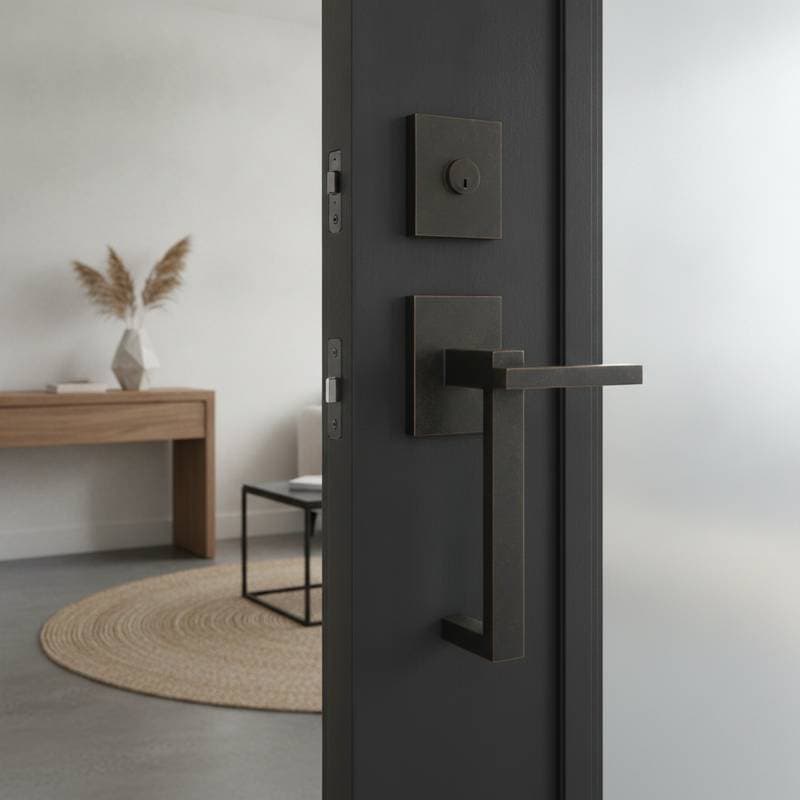
Door weight and size affect hardware selection. Solid-core and glass doors need a track and rollers rated for their weight. Lower-quality hardware can lead to noisy operation, poor alignment, or a door that becomes difficult to move. Ask for the track's weight capacity and whether rollers can be reached for future adjustments.
Privacy, Sound, and Accessibility
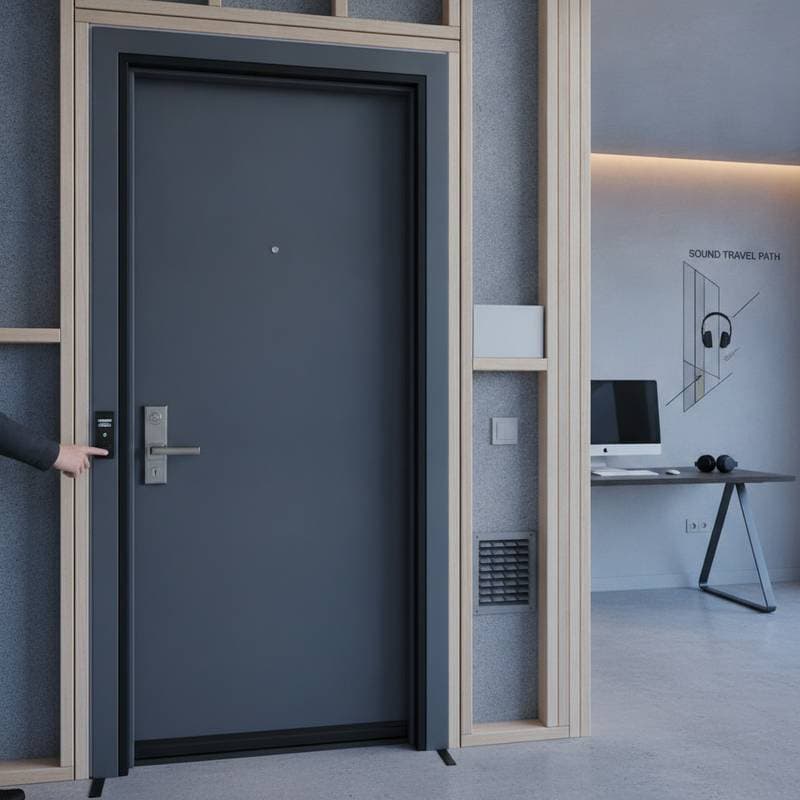
Pocket doors generally seal less tightly than many hinged doors, so they may allow more sound and light through the edges. A solid-core panel can improve sound reduction, though it will not provide the same seal as a well-fitted hinged door. For a bathroom or bedroom, discuss privacy locks, edge pulls, and any gap at the floor before installation.
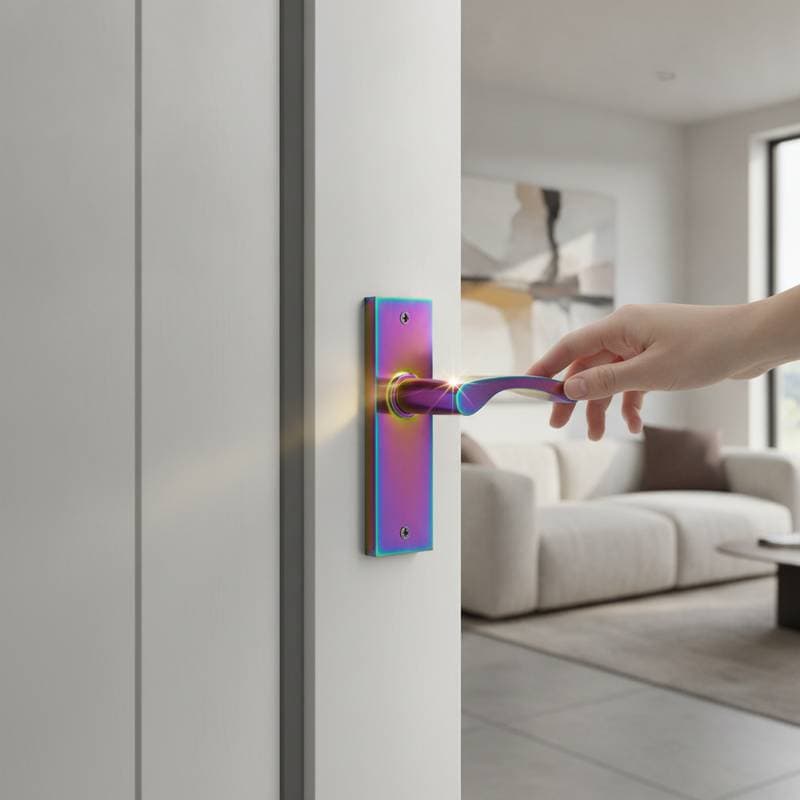
Accessibility also deserves attention. Recessed pulls keep the door flush with the wall, but some can be difficult to grip. Larger pulls or an easy-to-operate handle may be more comfortable for household members with limited hand strength. Confirm that the opening width meets your needs, especially if the door serves a frequently used route.
DIY or Professional Installation
Replacing hardware on an existing pocket door can be a manageable repair for a skilled homeowner if the track is accessible and the panel can be removed safely. Installing a new pocket door is more involved. It usually requires opening the wall, framing the cavity, adjusting the track, hanging the panel, and restoring drywall and trim.
Hire a contractor when the wall may be structural, utilities need relocation, or the opening must be resized. Ask whether the quote includes permits, inspections, drywall repair, painting, and disposal. Permit requirements depend on local rules and the scope of work, so confirm them with your building department before construction starts.
Keeping Your Pocket Door Moving Smoothly
A well-installed system typically needs little routine attention. Keep the track clear of dust and debris, and use a soft brush or vacuum attachment during regular cleaning. Avoid forcing a door that sticks. Check for loose guides, unusual scraping, or a panel that no longer sits straight, since these signs can point to track wear or shifting hardware.
When planning an upgrade, measure the opening and nearby wall space, then have a contractor inspect the cavity before ordering a custom panel. Compare at least two detailed estimates, confirm hardware capacity, and choose a door that balances appearance, privacy, and everyday ease of use.