Electrochromic Glass Doors Reduce HVAC Costs by 35 Percent by 2026
Smart home innovations continue to reshape how homeowners balance comfort and energy consumption. Electrochromic glass doors stand out as a leading advancement, capable of lowering heating and ventilation costs by up to 35 percent. These doors dynamically adjust their tint in response to sunlight, regulating indoor temperatures and easing the load on HVAC systems. For those seeking enhanced energy efficiency, electrochromic glass doors offer tangible savings alongside aesthetic and functional upgrades.
Understanding Electrochromic Glass Doors
Electrochromic glass incorporates a specialized layer of metal oxides that alters transparency upon application of an electric voltage. In its clear state, the glass permits abundant natural light to enter the interior. When tinted, it effectively blocks glare and solar heat, with transitions occurring smoothly over several minutes.
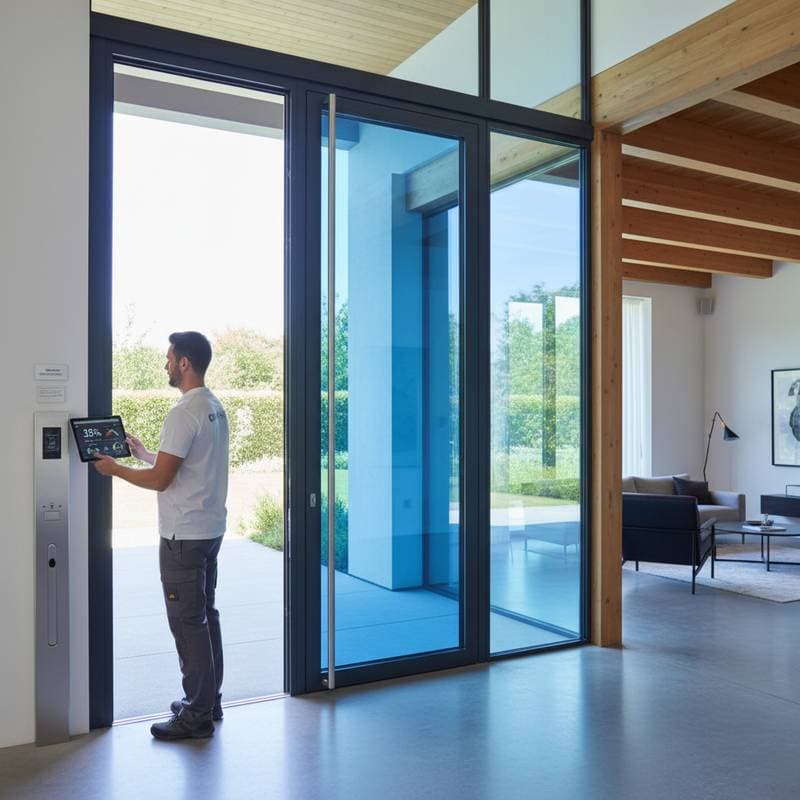
Users can manage the tint manually via switches or automate it through integration with home systems that respond to light sensors or schedules. This technology suits entry doors, patio sliders, and interior dividers, blending expansive views with on-demand privacy and climate control. It serves as both a stylistic element and a practical enhancement for modern residences.
Installation Costs for Electrochromic Glass Doors
Costs fluctuate based on factors such as door dimensions, frame composition, automation features, and supplier. Expect to invest between $1,800 and $5,000 per door for materials and labor in standard installations. Custom configurations, like expansive sliding arrays or advanced automation, push expenses to $6,000 through $8,500.
| Component | Cost Range | Notable Attributes |
|---|---|---|
| Standard Single-Panel Door | $1,800 to $3,000 | Basic manual controls, two tint settings, straightforward setup |
| Automated Sliding System | $4,500 to $6,500 | Multi-panel design, smartphone app integration, built-in energy tracking |
| Luxury Framed Entrance | $6,000 to $8,500 | Sensor-driven automation, premium aesthetics, enhanced durability |
Automation wiring incurs an additional $200 to $500 per door if the home lacks existing conduits. Compatibility with current thermostats can streamline setup and trim expenses.
Mechanisms for Energy Bill Reductions
Conventional glass doors frequently permit excessive summer heat influx or winter heat loss. Electrochromic variants adapt to prevailing light conditions, stabilizing indoor climates with minimal HVAC intervention. During peak warmth, tinting intercepts infrared rays that would otherwise elevate room temperatures.
In milder conditions, reverting to clear mode captures passive solar warmth. Research from building efficiency specialists indicates that residences with electrochromic glass achieve up to 35 percent less HVAC energy demand than those with ordinary double-glazed panels. Actual reductions hinge on regional weather, door placement, and utility pricing.
Elements Affecting Total Expenses
Multiple variables shape both upfront investments and anticipated returns. Grasping these allows for precise financial planning.
- Dimensions and Layout: Expansive or segmented doors demand greater glass area, elevating material and control expenses.
- Frame Composition: Options like aluminum or composites exceed vinyl in price yet provide superior support for wide spans.
- Automation Level: Simple toggles cost less than voice-activated or sensor-equipped interfaces.
- Electrical and System Ties: Syncing with thermostats or lights extends labor and wiring needs.
- Glass Specifications: Premium versions with low-emissivity layers boost insulation at a higher initial outlay.
The final tally reflects the system's sophistication and any requisite home modifications.
Advantages in Comfort and Performance
Electrochromic glass doors elevate daily living beyond mere savings. They minimize visual distractions from harsh light, sustain even temperatures, and shield interiors from ultraviolet degradation. This adaptive approach surpasses static tints by enabling adjustments that match hourly needs.
Surveys among residential designers reveal that more than 60 percent rank electrochromic glass as a premier choice for sustainable architecture. Properties prone to intense sun or fluctuating climates reap the most pronounced gains in usability.
Professional Guidance on Setup and Operation
Experienced technicians advise addressing wiring and controls during initial project phases, such as renovations or builds. Mark Delaney, a certified glass specialist in Phoenix, explains, "We often route low-voltage lines through frame spaces prior to enclosing walls. This approach ensures seamless smart home connectivity without later disruptions."
Delaney highlights applications in sun-exposed zones like patios. "The self-adjusting tint preserves outdoor connections while moderating heat buildup in peak afternoon sun," he adds.
Upkeep and Longevity Factors
These doors demand minimal routine care relative to motorized alternatives. Maintain surfaces with mild, non-scratch solutions and microfiber tools, akin to standard glass. Sealed electronics within the panels resist environmental wear.
Expect a service life of 15 to 25 years, influenced by frequency of use and exposure. Power units or modules occasionally need swapping at $150 to $400. Warranties from producers commonly span 10 years, encompassing optics and circuitry.
Evaluating Electrochromic Glass Against Alternatives
When selecting smart glazing solutions, compare expenses, efficiency, and usability.
| Option | Price Per Unit | Efficiency Gains | Management Methods |
|---|---|---|---|
| Electrochromic Glass | $1,800 to $8,500 | Up to 35 percent HVAC cut | Switch, app, or automatic |
| Motorized Blinds | $300 to $1,200 | 10 to 20 percent HVAC cut | Remote or app exclusive |
| Thermochromic Glass | $1,000 to $3,500 | 15 to 25 percent HVAC cut | Heat-responsive, passive |
Blinds prove more affordable but invite dust accumulation and mechanical issues. Thermochromic options operate without electricity yet forfeit manual overrides. Electrochromic systems excel in versatility and reliability, fueling their rise in eco-conscious builds.
Timeline for Installation and Preparation
Fitting one or two doors spans one to three days, varying by site access. Steps encompass old door removal, conduit preparation, frame mounting, and system linkage. Early wiring in ongoing projects accelerates the process.
Standard swaps rarely require approvals, barring major alterations. Verify regulations for oversized mechanisms that might demand structural reinforcements.
Calculating Returns and Future Value
Initial expenditures yield quicker recoveries in sunny or costly-energy regions. Projections suggest $150 to $400 yearly per door in HVAC reductions, based on occupancy. Within 10 years, cumulative benefits often recoup the bulk of outlays.
Such upgrades appeal to prospective owners, potentially lifting property appeal. They merge cutting-edge utility with proven environmental merits, ideal for contemporary updates.
Steps to Implement Electrochromic Upgrades
Evaluate your spaces for solar impact when considering door enhancements. Engage installers versed in intelligent glazing for detailed assessments. Secure bids detailing electrical work, controls, and guarantees, while reviewing efficiency metrics.
Perform checks on joints and circuits biannually to sustain performance. Update firmware for networked setups to leverage ongoing refinements.