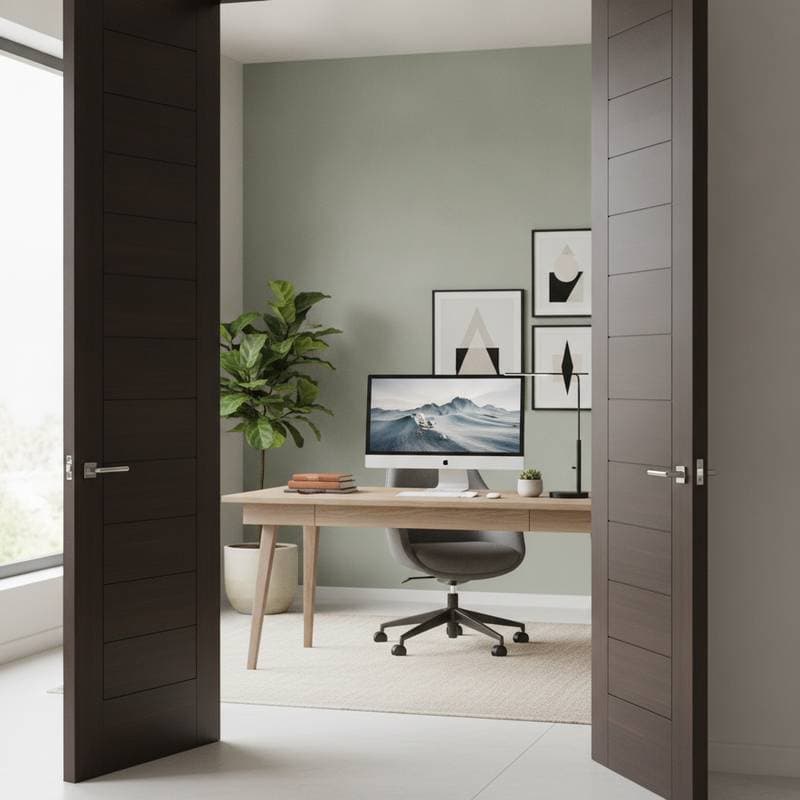
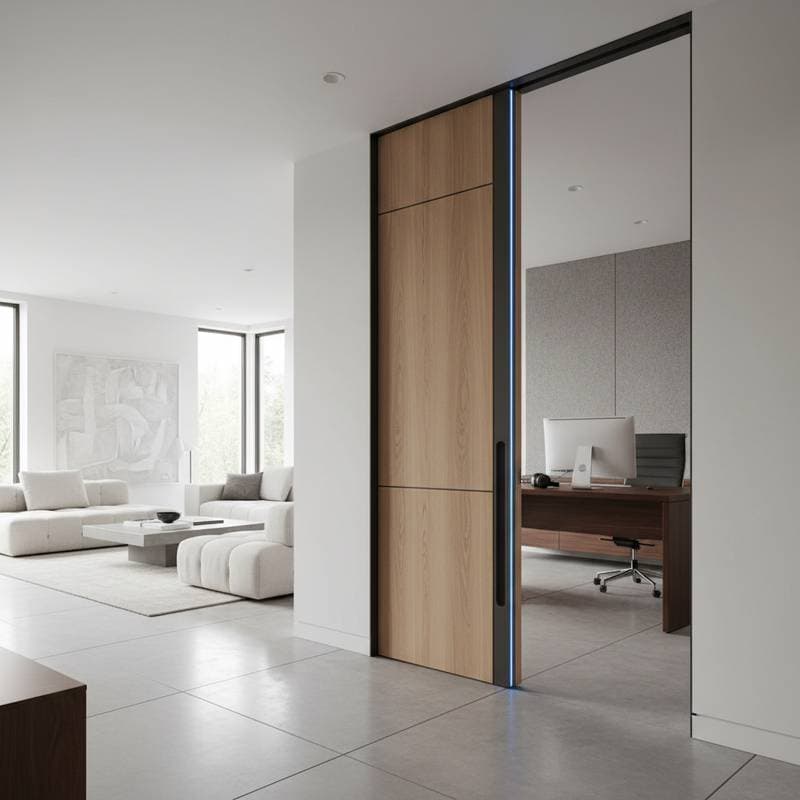
Acoustic Pocket Doors: Achieving 85% Noise Reduction in 2025 Homes
In contemporary home design, quiet environments rank as a top priority. Homes now serve multiple roles, from productive workspaces to relaxing retreats and entertainment hubs, making sound management essential alongside light control. Acoustic pocket doors provide an elegant, space-saving solution that minimizes noise transmission by up to 85 percent. These doors integrate refined aesthetics with robust functionality, fostering tranquil areas that enhance overall living quality.
Three Strategies for Implementation
Budget-Friendly Strategy ($800 - $1,500)
- Select a basic pocket door frame paired with a solid-core door panel for foundational sound blocking.
- Apply an acoustic seal kit to the jambs and threshold, enhancing isolation without extensive modifications.
- Opt for a paint-grade surface that aligns seamlessly with surrounding trim, ensuring a unified appearance at minimal expense.
Mid-Tier Strategy ($1,800 - $3,200)
- Choose a semi-acoustic pocket system equipped with dense composite cores and built-in brush seals for improved performance.
- Add soft-close mechanisms and reinforced tracks to enable effortless, silent operation over time.
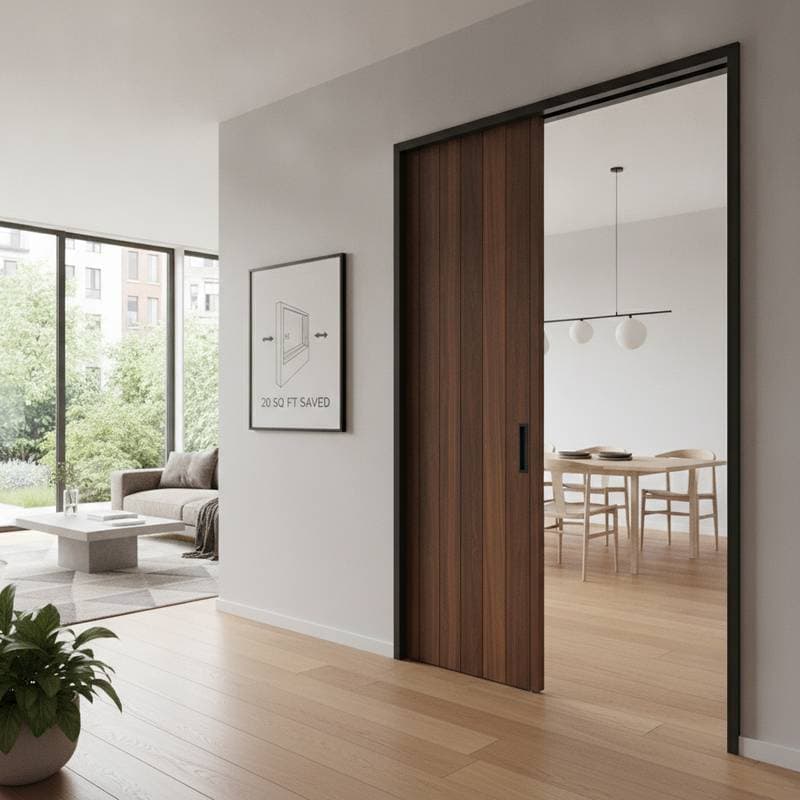
- Select stained wood veneers or matte laminates that introduce natural warmth and tactile interest, harmonizing utility with visual elegance.
Premium Strategy ($4,000 - $6,500)
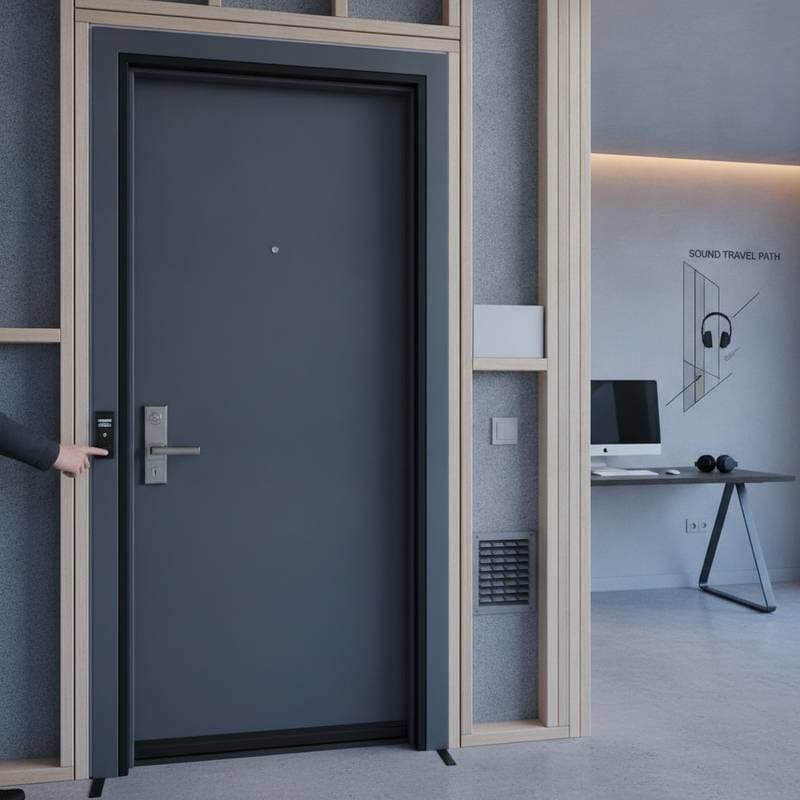
- Install a fully rated acoustic pocket door system incorporating magnetized seals around the perimeter and dual-layer barriers within the frame for maximum isolation.
- Integrate high-end hardware, including hidden tracks and flush pulls in finishes such as brushed nickel or oil-rubbed bronze, for a polished touch.
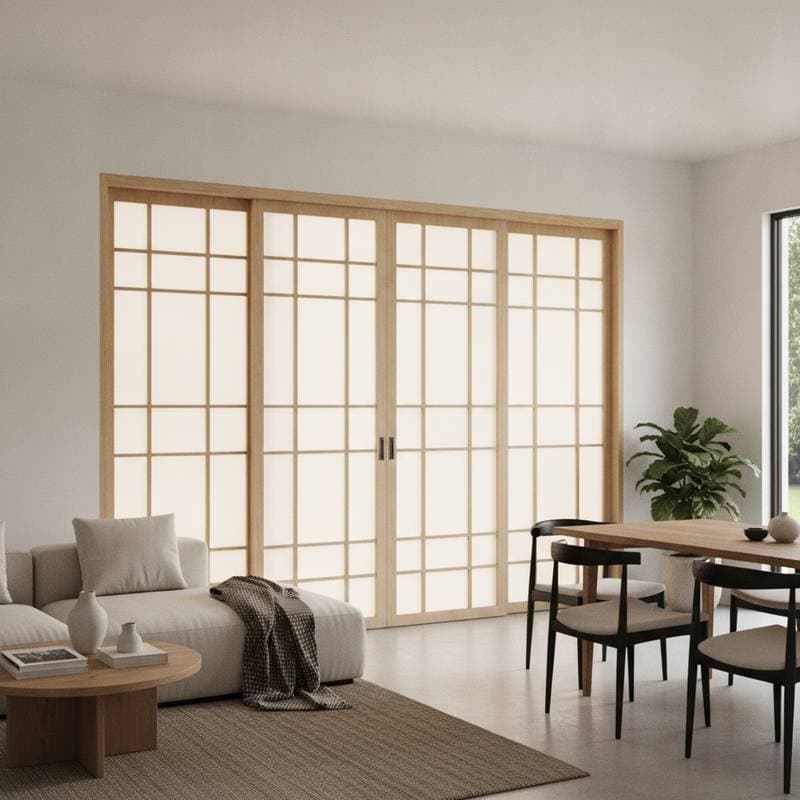
- Incorporate premium veneers or acoustic glass panels that offer subtle transparency while preserving privacy, particularly suited for home offices or dedicated media spaces.
Essential Materials and Finishes
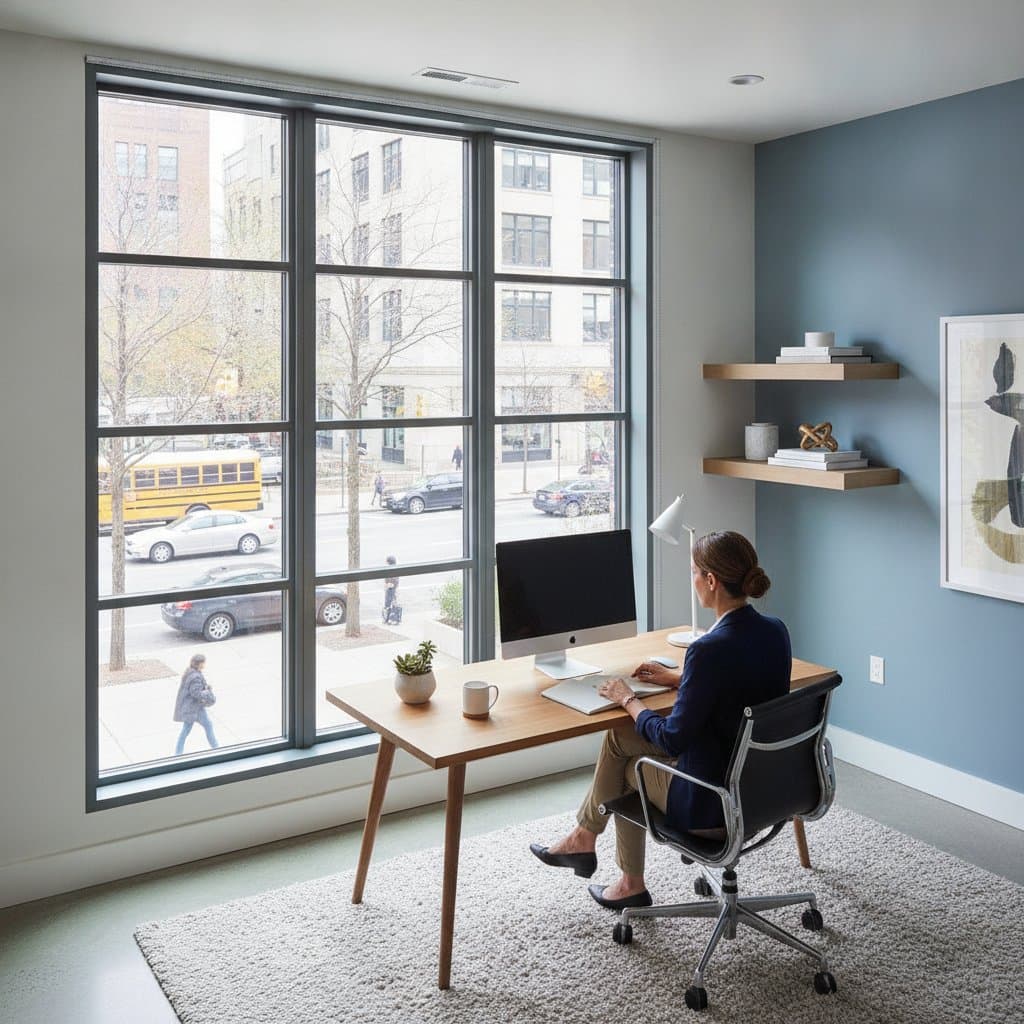
- Windows: Complement acoustic doors with double-pane or laminated glass windows to sustain uniform sound control throughout the space. Sleek aluminum or composite frames in neutral tones enhance both modern and transitional architectural styles.
- Doors: Prioritize solid wood, medium-density fiberboard (MDF), or composite cores with a minimum thickness of 45 millimeters for optimal density. Finishes in white oak, walnut, or painted MDF coordinate with adjacent millwork; flush panels suit sleek contemporary designs, whereas paneled options align with classic profiles.
- Siding: For doors adjacent to exterior walls, specify insulated materials like fiber cement or engineered wood siding to preserve acoustic integrity. Mid-tone shades such as warm gray, driftwood gray, or soft taupe minimize visual distractions and echo interior color schemes.
- Trim and Accents: Employ consistent door casings with streamlined profiles for a cohesive flow. A 3-inch flat trim in matching paint or stain maintains subtlety; nearby sound-absorbing panels or fabric-upholstered artwork further amplify acoustic benefits.
Practical Maintenance Considerations
Proper installation forms the foundation for long-term performance in acoustic pocket doors, with regular adjustments ensuring reliability. Keep tracks clear of debris to support fluid movement and prevent operational issues. Clean magnetized seals periodically to preserve their sealing efficacy, and refresh painted surfaces with touch-up applications as needed. Natural wood veneers require light dusting and seasonal conditioning to retain luster. Steer clear of abrasive cleaners, which may degrade seals or finishes, allowing the system to deliver sustained acoustic and visual excellence.
Common Pitfalls to Avoid
- Overlooking Wall Dimensions: Many standard interior walls lack sufficient depth for accommodating thick acoustic assemblies. Measure framing cavity space meticulously prior to purchase to avoid compatibility problems.
- Selecting Hollow-Core Options: Hollow doors, despite added seals, fail to provide substantial noise mitigation. Commit to solid or composite cores from the outset for effective results.
- Neglecting Floor Gaps: Unsealed bottom edges permit sound infiltration. Equip doors with automatic drop seals or dedicated acoustic thresholds to eliminate these vulnerabilities.
- Attempting DIY Installation: Precision alignment proves critical for pocket doors. Engage certified professionals to prevent misalignment, friction, and diminished soundproofing capabilities.
Harmonizing Colors and Styles
A unified color scheme amplifies both aesthetic harmony and acoustic serenity. The following pairings offer versatile inspiration:
- Charcoal Paired with Oak: Blackened hardware accents light oak veneers, infusing modern spaces with inviting warmth.
- Soft White with Brushed Nickel: This combination brightens minimalist environments while promoting a sense of tranquility.
- Warm Gray and Walnut: A classic duo that bridges traditional and contemporary home aesthetics.
- Matte Black and Ash: Bold contrasts sharpen edges in forward-thinking designs.
- Cream Accented by Natural Maple: Light tones expand perceived space in compact areas requiring discreet privacy.
Pre-Selection Photography Guide
Thorough documentation aids informed decision-making before committing to acoustic pocket doors:
- Photograph wide views of walls and openings from various perspectives to assess spatial constraints.
- Document ceiling heights, existing trim profiles, and floor junctions for accurate customization.
- Identify key architectural features that will shape door selection and integration.
- Check local zoning or homeowners association guidelines for any exterior modifications.
- Establish a clear budget and sequence rooms by priority for acoustic enhancements.
Integrating Acoustic Doors for Lasting Impact
Acoustic pocket doors merge streamlined architecture with proven acoustic efficacy, optimizing space while preserving open sightlines. Ideal for home offices, en-suite bedrooms, or entertainment zones, they deliver tangible quietude alongside refined design. Homeowners who match finishes to surrounding elements and adhere to installation best practices create enduring interiors that embody both sophistication and serenity.