Reviving Mortise Locks: Builders Embrace 1800s Craftsmanship
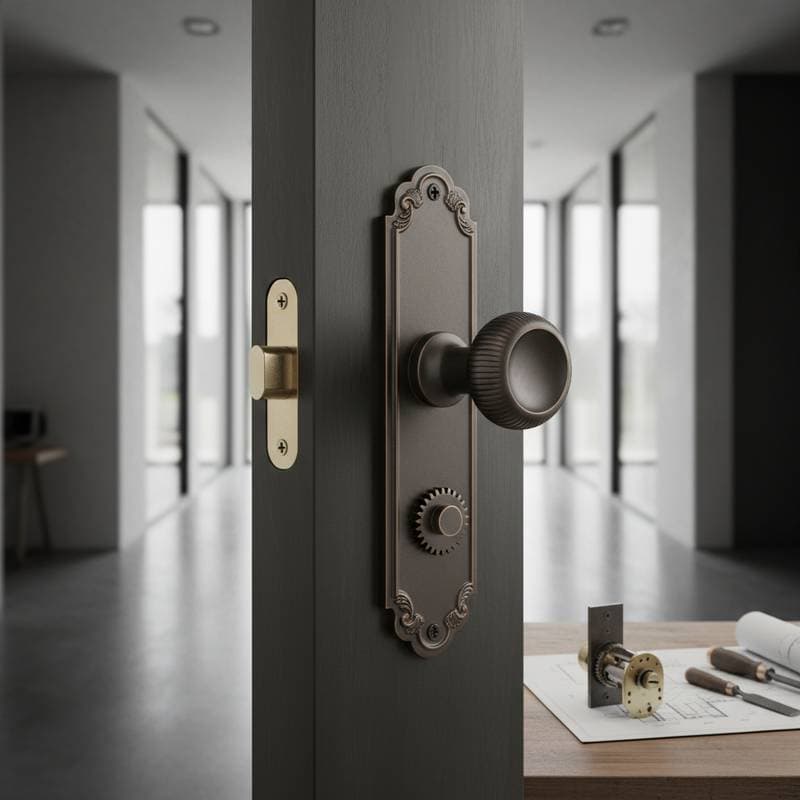
Mortise locks represent the pinnacle of historical door hardware, integrating robust construction, exacting precision, and elegant detailing into a single unit. Contemporary builders and designers now integrate this traditional technology into new projects, merging period authenticity with reliable functionality. This revival aligns with a growing preference for genuine materials and enduring designs in residential architecture. The substantial presence, intricate metal finishes, and uniform styling of mortise locks position them as an ideal selection for spaces that prioritize longevity alongside visual appeal.
Three Approaches to Incorporating Mortise Locks
Budget-Friendly Option ($150 to $350)
- Select reproduction mortise locksets crafted from zinc die-cast or brass-plated steel for cost-effective durability.
- Focus on straightforward lever or knob configurations that capture classic dimensions without elaborate engravings.
- Minimize expenses on ornate backplates while prioritizing robust latching components to ensure smooth operation.
Mid-Range Option ($400 to $800)
- Choose lock bodies forged from solid brass or bronze, featuring traditional skeleton key aesthetics.
- Pair period-style escutcheons with contemporary cylinder mechanisms for practical daily use.
- Incorporate hand-forged levers or knobs treated with subtle patina finishes that develop character through natural aging.
Premium Investment Option ($900 to $1,800)
- Work with artisan fabricators to create bespoke mortise locks from solid bronze or wrought iron.
- Specify tailored backplates, chamfered edges, and precise key escutcheons faithful to historical designs.
- Blend restored antique elements with advanced internal mechanisms to achieve lasting performance and appreciation potential.
Selecting Materials and Finishes
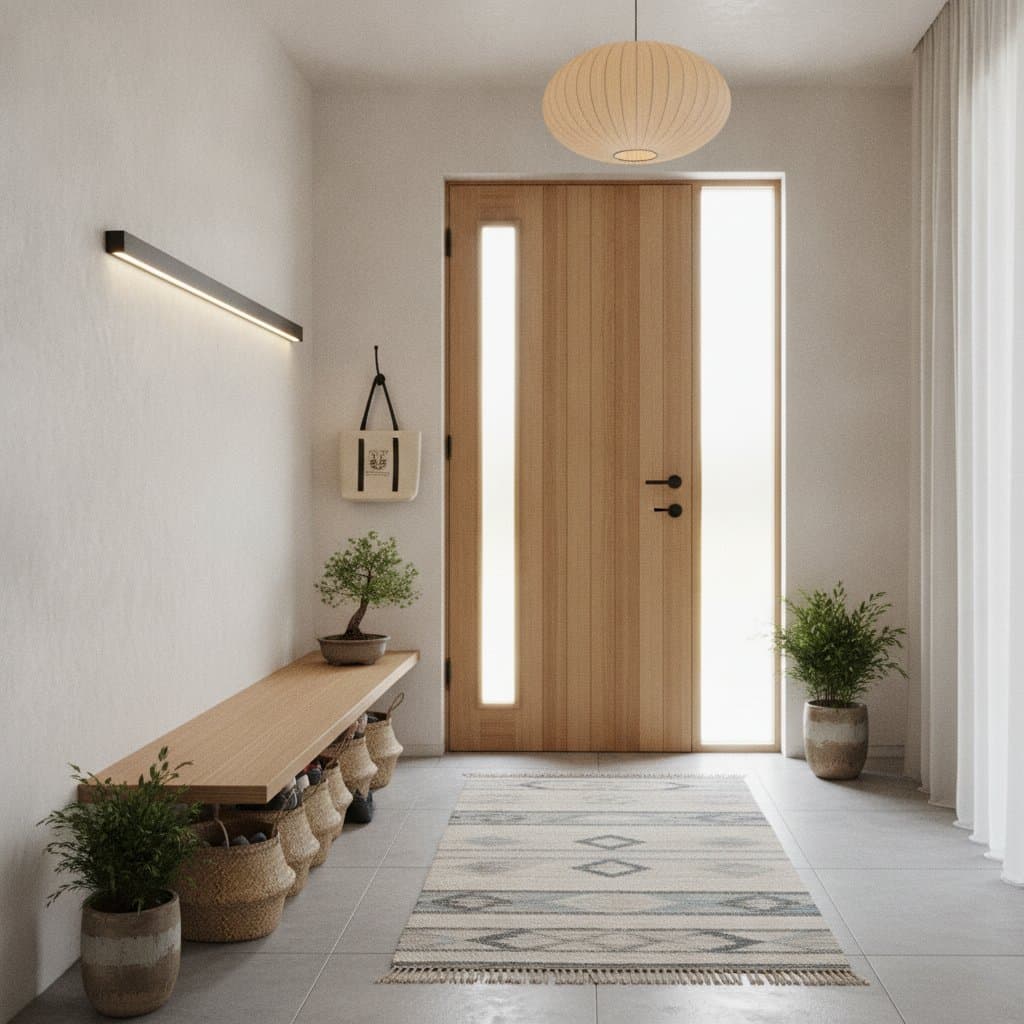
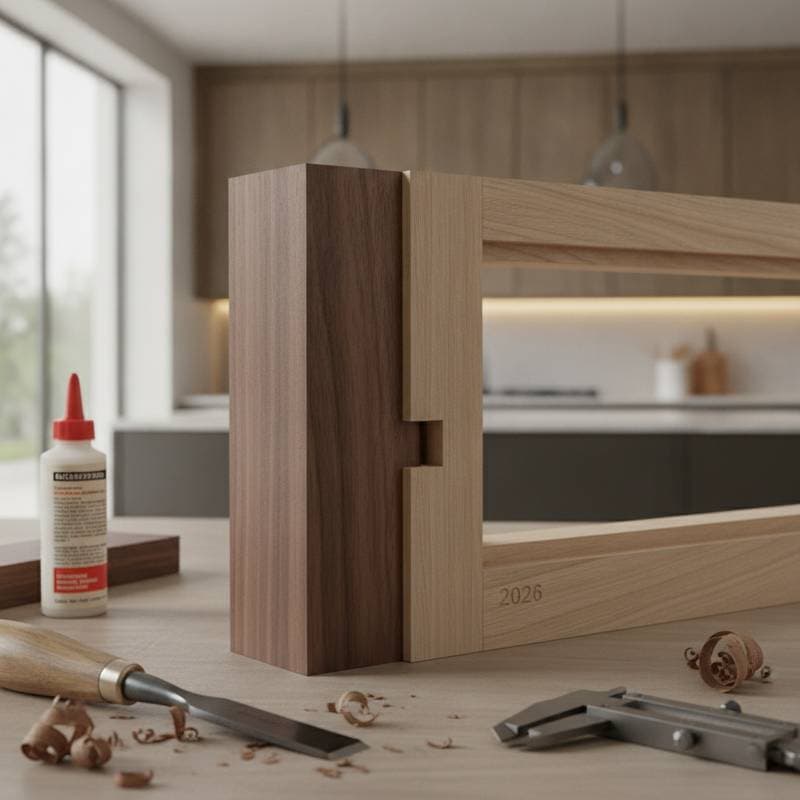
Solid wood doors provide the ideal foundation for mortise locks, as the mechanism demands adequate depth for secure installation. Species such as oak, walnut, or mahogany establish an authentic historical context. For surfaces intended for paint, poplar or maple offers dimensional stability and versatility in coloration.
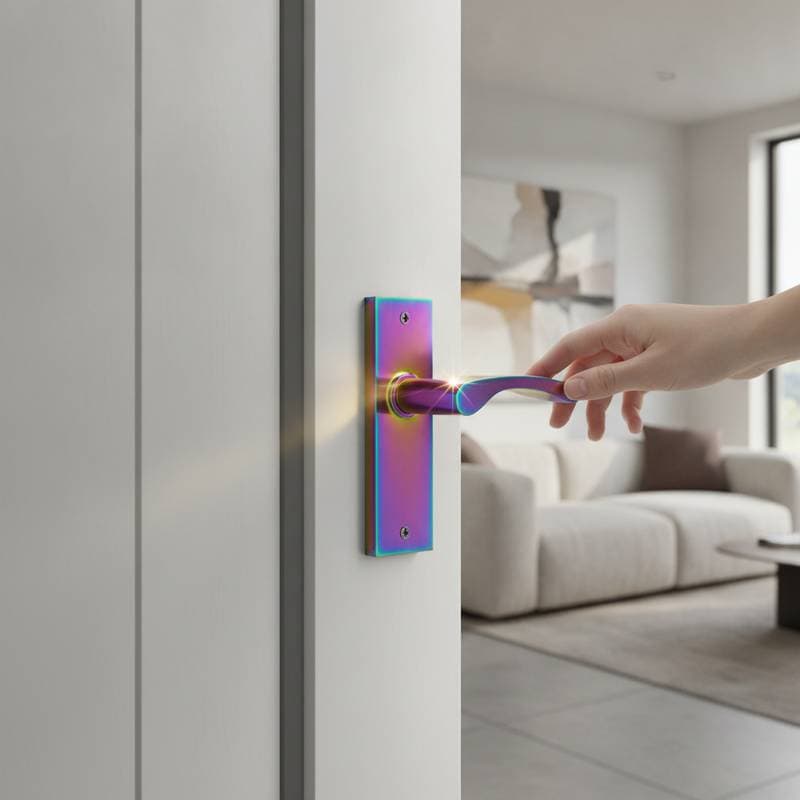
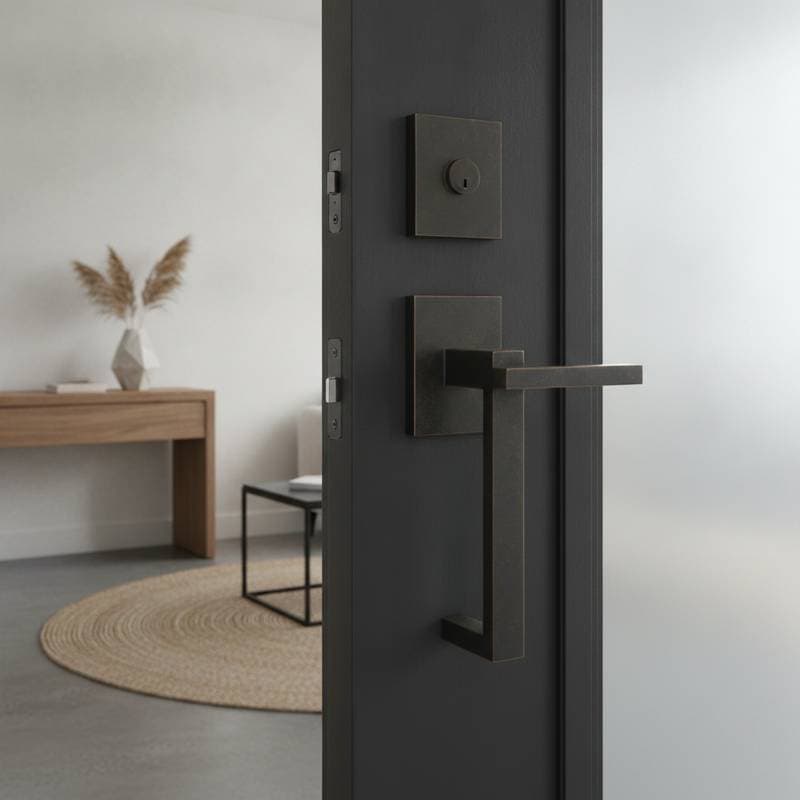
Hardware selections should emphasize finishes that evoke heritage, including aged brass, oil-rubbed bronze, or antique nickel to convey genuine patina. A matte black option introduces modern restraint while honoring the lock's traditional silhouette.
Hinges and supplementary fittings require alignment with the primary hardware to maintain visual unity. Unadorned rosettes or escutcheons replicate the lock's contours and safeguard the door's surface from wear.
Strike plates and fastening hardware must harmonize in tone and aging effects. Even minor inconsistencies can fracture the overall period ambiance.
Essential Maintenance Practices
Mortise locks demand periodic attention compared to cylindrical alternatives, yet this investment remains straightforward. Apply graphite powder to moving parts once each year to prevent friction without attracting dust. Steer clear of abrasive cleaners that erode protective coatings or authentic aging.
Should a door exhibit binding or resistant key operation, inspect for alignment issues; minor adjustments often restore fluidity. Professionals value the reparability of these systems, which supports indefinite service life and justifies the upfront expenditure.
Common Pitfalls to Sidestep
- Incompatible Styling: Combining elaborate Victorian mortise locks with sleek minimalist doors generates discordant aesthetics. Align hardware selections with the prevailing architectural motif.
- Overlooking Door Dimensions: These locks necessitate precise depth accommodation. Verify measurements prior to purchase to avoid expensive modifications.
- Mismatched Finishes: Positioning aged bronze locks beside polished chrome hinges dilutes the historical intent. Prioritize complementary metallic tones.
- Low-Quality Substitutes: Inexpensive models with superficial plating lose luster rapidly. Allocate funds toward substantial metal builds for sustained form and utility.
Harmonizing Colors and Styles
Mortise locks integrate seamlessly with subdued or organic door treatments. Consider these pairings to achieve cohesive, enduring presentations:
- Deep walnut paired with aged brass for a rich, classical warmth.
- Soft white alongside matte black for clean vintage appeal with subtle edge.
- Charcoal gray combined with antique nickel for refined, low-key elegance.
- Natural oak matched to oil-rubbed bronze for a robust craftsman vibe.
Documentation Checklist for Installations
Prior to lock replacement or refurbishment, compile comprehensive records:
- High-resolution photographs of doors from interior and exterior perspectives.
- Detailed shots of current locksets, including strike plates and mechanisms.
- Measurements of door thickness, hinge configurations, and frame integrity.
- Broad views encompassing adjacent moldings, wall hues, and environmental context.
- Samples or images of proximate hardware to guide finish synchronization.
Integrating Mortise Locks for Lasting Impact
Incorporating mortise locks bridges historical precision with practical benefits. Builders rely on their resilient build quality, while residents value the substantial handling and layered visual interest. From targeted enhancements to comprehensive overhauls, strategic hardware choices elevate interior doors to embodiments of authentic style and functional excellence.