Reeded Glass Windows: Textured Transparency for Modern Living
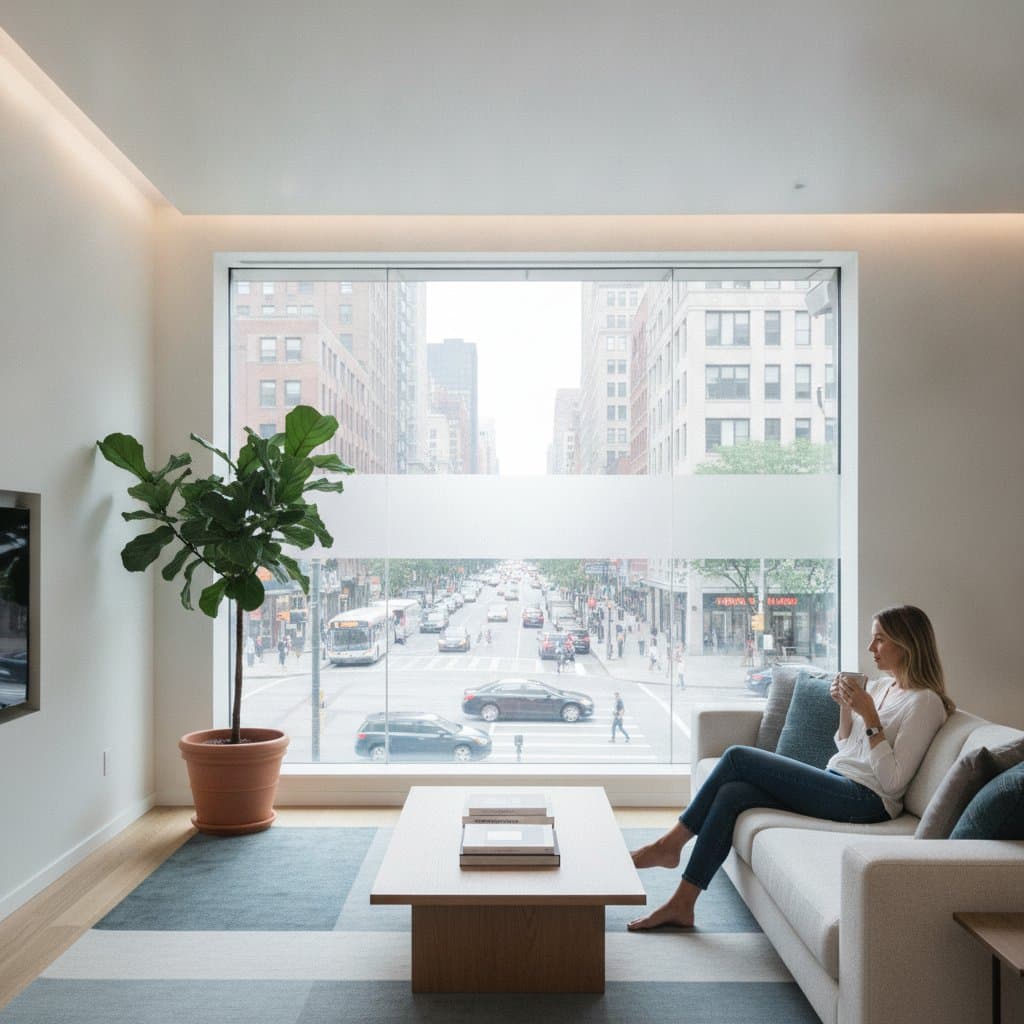
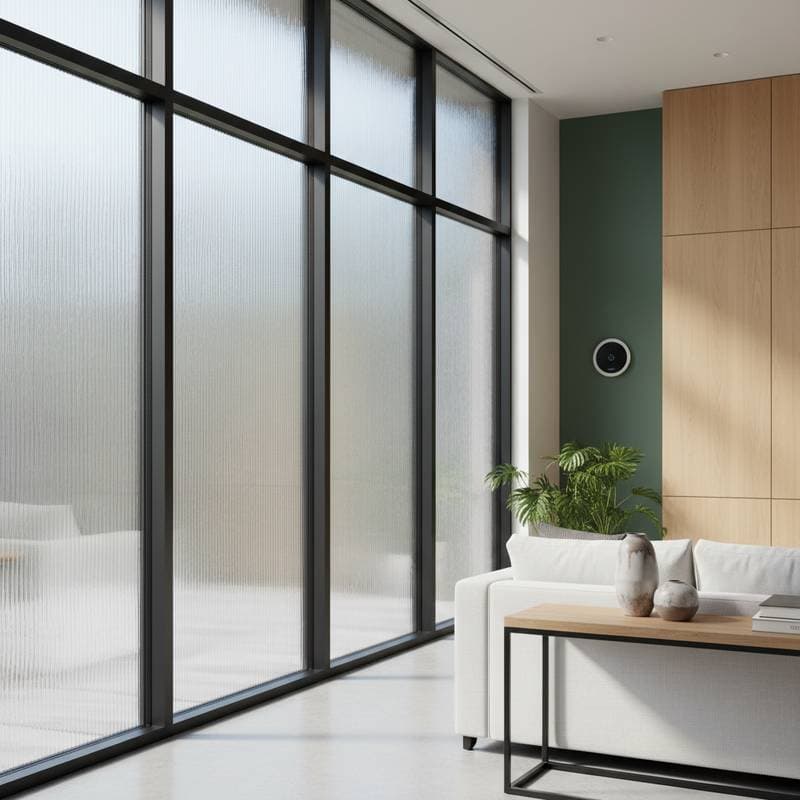
Reeded glass windows emerge as a premier choice for homeowners seeking balanced light, texture, and privacy. The vertical linear ridges provide a contemporary yet enduring aesthetic, infusing exteriors with rhythmic elegance and refinement. This versatile element adapts to various architectural contexts, from sleek minimalist residences to classic cottages enhanced by understated artistry. Light filters softly through the ridges, fostering an inviting ambiance while shielding interiors from external views without blocking illumination.
Three Approaches to Incorporate Reeded Glass
Budget-Friendly Option ($2,000 - $4,000)
- Select vinyl or fiberglass windows featuring reeded glass inserts rather than complete custom installations.
- Target prominent zones like entryway sidelights, bathroom openings, or kitchen alcoves where privacy proves essential.
- Opt for conventional frame shades such as white or bronze to achieve versatile contrast against common exterior surfaces.
- Allocate resources to premium hardware, including brushed nickel fittings, to enhance the complete presentation.
Mid-Range Option ($4,500 - $9,000)
- Choose aluminum-clad or composite frames equipped with energy-efficient glazing and built-in reeded sections.
- Blend clear and textured glass elements for added visual interest; consider a reeded transom above clear fixed panes.
- Incorporate deeper frame tones like matte black or rich espresso to convey sharp, structural presence.
- Ensure uniform hardware finishes throughout exterior openings for a unified visual effect.
Premium Investment ($10,000 - $25,000)
- Pursue custom wood or steel frames integrated with artisan-crafted reeded glass panels.
- Incorporate ornamental muntins or divided lites that echo the vertical glass lines for personalized flair.
- Install expansive panels in communal spaces or along staircases to accentuate verticality and light spread.
- Select meticulous finishes such as oil-rubbed bronze or satin brass hardware to sustain aesthetic and sensory quality over time.
Guide to Materials and Finishes
- Windows: Casement, awning, and fixed configurations accommodate reeded glass effectively. Frames in black, charcoal, or warm taupe accentuate the ridged surface. Low-profile hardware maintains emphasis on the linear design without interference.
- Doors: Integrate reeded glass panels into front or patio doors to preserve seclusion while linking interior and exterior realms. Wood varieties like white oak or mahogany harmonize with the nuanced texture. In contemporary settings, full-height pivot doors with reeded glass deliver striking impact.
- Siding: Opt for smooth fiber cement or vertical board-and-batten profiles to mirror the glass's linear flow. For variation, horizontal lap siding in subdued hues like fog gray, linen white, or sand beige provides subtle balance.
- Trim and Accents: Employ slim trim outlines in matching neutral tones to direct attention to the texture. Metallic details, including black lanterns or brushed stainless numerals, amplify the precise geometry.
Essential Maintenance Considerations
Reeded glass demands a tailored care routine compared to smooth glass surfaces. The ridged design accumulates dust and mineral deposits more readily, particularly in moist environments. Regular attention with a soft-bristle tool or microfiber fabric preserves transparency. Steer clear of harsh abrasives that might erode the ridges with prolonged use.
Inspect window frames regularly for sealant condition and surface renewal, especially on wood elements facing sunlight. Advanced protective layers enhance resilience, yet textured areas thrive under mild handling. For reduced effort, pair fiberglass or composite frames with pre-applied coatings; these options withstand distortion and discoloration, suiting active families or exposed sites.
Common Pitfalls to Sidestep
- Excessive Texture Application: Applying reeded glass to all windows risks a monotonous or overburdened exterior. Reserve it for targeted spots like bathrooms, stairways, or entrances where light and seclusion intersect.
- Pattern Clashes: Reeded glass aligns with sleek or lightly veined siding. Refrain from combining it with ornate stonework or shingled textures that vie for attention.
- Color Incoherence: Ill-suited frame shades diminish the glass's refined quality. Align frame and trim selections from the outset of planning.
- Neglecting Efficiency Features: Prioritizing style alone ignores functional benefits. Incorporate double-pane or laminated reeded glass to boost thermal insulation and noise reduction.
Coordinating Colors and Styles
Reeded glass adapts seamlessly to multiple aesthetic themes.
- Modern Farmhouse Scheme: Pair soft white siding with black frames and natural wood doors featuring reeded panels.
- Contemporary Minimalist Scheme: Use charcoal gray siding, matte black frames, and brushed steel details for cohesive linearity.
- Traditional Revival Scheme: Combine warm taupe siding, cream trim, and dark bronze hardware to evoke refined heritage.
- Coastal Contemporary Scheme: Select pale blue-gray siding, white frames, and sand trim for an airy, illuminated vibe.
- Industrial Chic Scheme: Integrate weathered metal siding, black steel frames, and clear-sealed oak doors with vertical glass accents.
Such pairings underscore the glass's adaptability, allowing shifts from gentle subtlety to assertive architecture based on adjacent elements.
Checklist for Design Documentation
Compile these resources prior to product selection to inform choices:
- Exterior Images: Capture current views from varied perspectives to assess scale and illumination dynamics.
- Style References: Note roof profiles, trim dimensions, and window arrangements that shape the architecture.
- Local Guidelines: Review community aesthetics and association regulations on glazing types or frame hues.
- Environmental Influences: Evaluate regional conditions like moisture levels, coastal corrosion, or solar exposure affecting durability.
- Financial Framework: Define allocation priorities to maximize aesthetic returns.
These elements streamline collaboration between owners and professionals.
Realizing the Full Potential
Reeded glass windows unite artistic expression with practical utility. They diffuse illumination with grace, safeguard seclusion, and impart depth absent in plain glazing. Applied judiciously in accents or expansively across features, the result conveys craftsmanship and modernity.
Homeowners desiring exteriors that blend relevance with longevity find reeded glass an ideal textured enhancement. Through deliberate planning, material discernment, and diligent upkeep, these installations elevate façades to realms of seclusion, brilliance, and contemporary distinction.