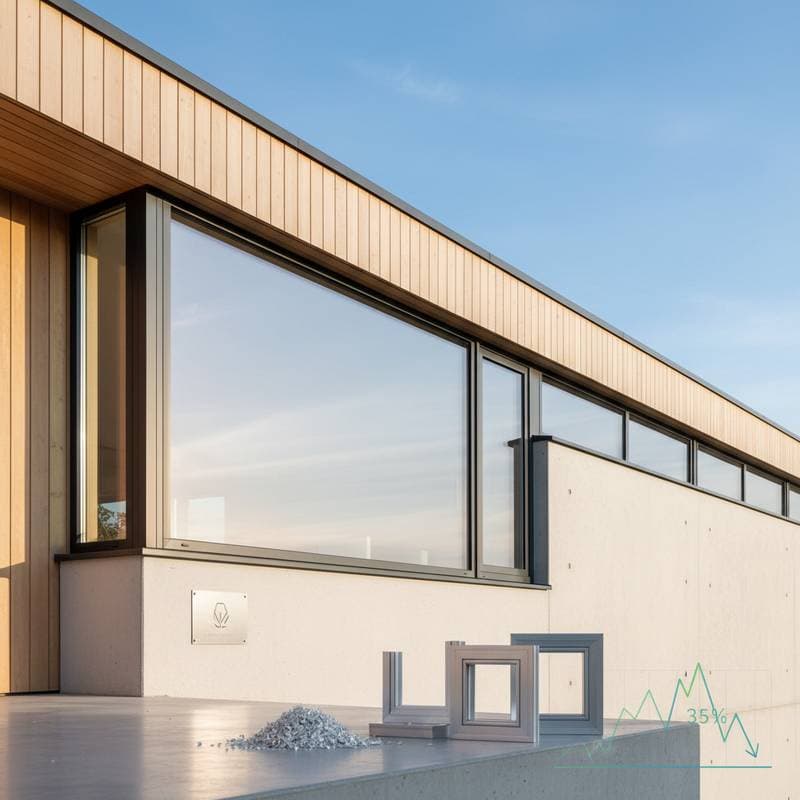
Modern Minimalist Exteriors: Recycled Aluminum Windows for Sleek, Sustainable Style
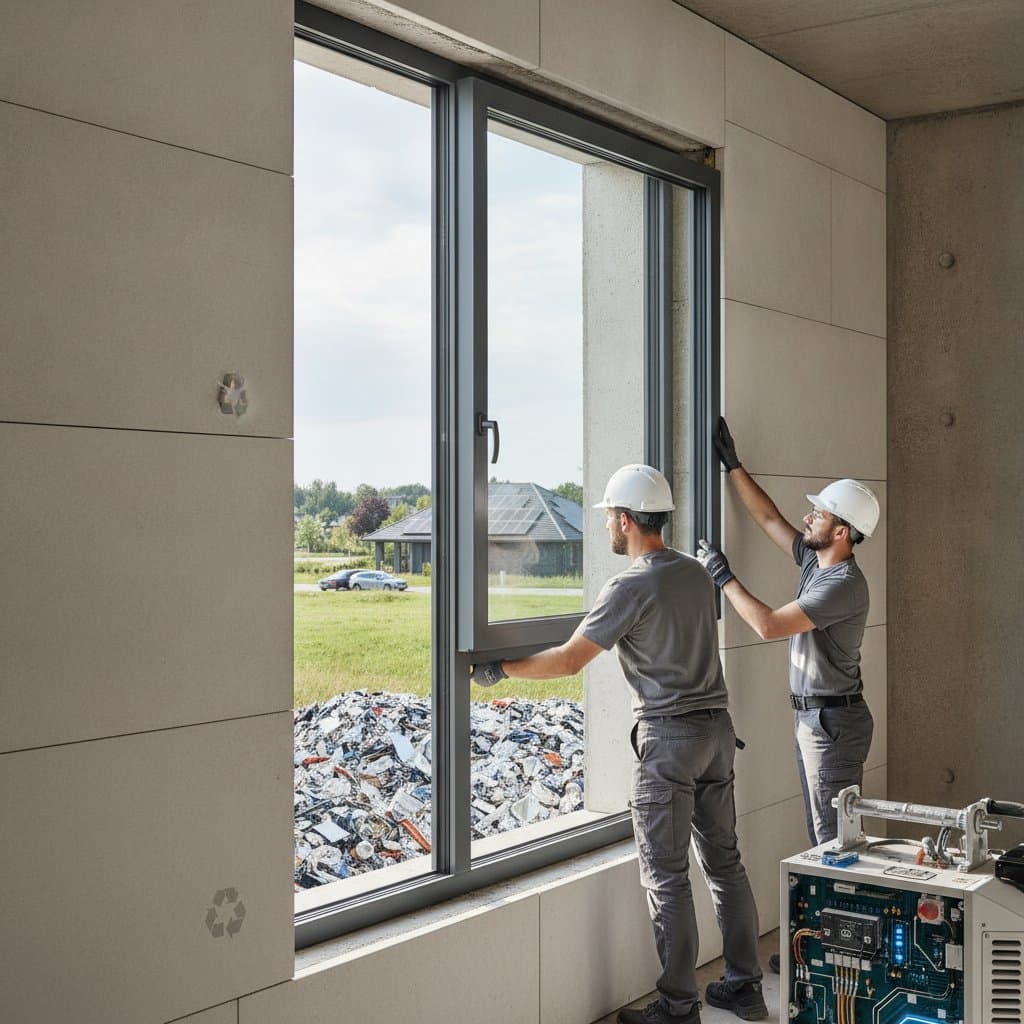
Clean lines, balanced proportions, and material honesty define the modern minimalist exterior. This aesthetic appears refined yet approachable. It emphasizes light, shadow, and subtle contrast rather than heavy ornamentation. Homeowners appreciate the visual calm and timeless simplicity. Recycled aluminum windows integrate seamlessly into this design philosophy. These windows provide a slim, durable framework that accentuates the architecture and enhances energy performance. In addition, they offer cost savings of approximately 35 percent compared to virgin aluminum or wood-clad options. This combination delivers both aesthetic refinement and financial benefits.
Three Ways to Get This Look
Save Approach ($8,000 - $12,000)
- Select standard recycled aluminum window frames finished in matte black or charcoal to establish a strong visual presence.
- Prioritize replacement of front-facing windows to maximize curb appeal, while deferring updates to side and rear windows.
- Incorporate simple casement or fixed-pane designs that emphasize geometric strength without incurring expenses for custom fabrication.
This entry-level strategy focuses on high-impact changes. It allows homeowners to achieve a cohesive look incrementally. Budget constraints receive careful consideration without sacrificing overall design integrity.
Mid-Range Approach ($13,000 - $20,000)
- Pair recycled aluminum frames with low-E double glazing to boost comfort levels and insulation properties.
- Install narrow black trim around the windows and coordinate with simple flat-panel doors in a matching tone for unified appearance.
- Integrate vertical or horizontal siding panels made from smooth fiber cement to ensure consistency in style, while balancing expenses with long-term durability.
This option builds on basic elements with added functionality. Homeowners gain improved energy efficiency alongside enhanced visual harmony. The approach suits moderate renovations where value and performance matter equally.
Invest Approach ($21,000 - $35,000)
- Choose thermally broken recycled aluminum frames to minimize heat transfer and optimize efficiency throughout the year.
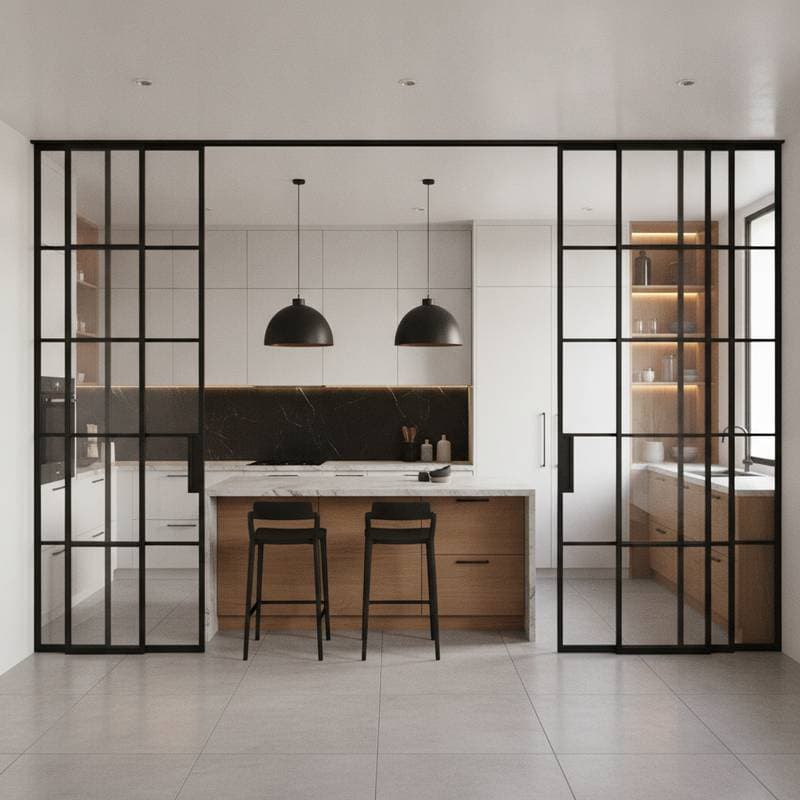
- Incorporate large picture windows or multi-slide glass doors that connect indoor living spaces with outdoor areas.
- Apply architectural-grade finishes in bronze or graphite, complemented by custom aluminum-clad wood doors that introduce subtle warmth.
Premium selections like these elevate the entire facade. They support expansive views and seamless transitions between environments. Long-term energy savings justify the higher initial outlay for discerning homeowners.
Material and Finish Guide
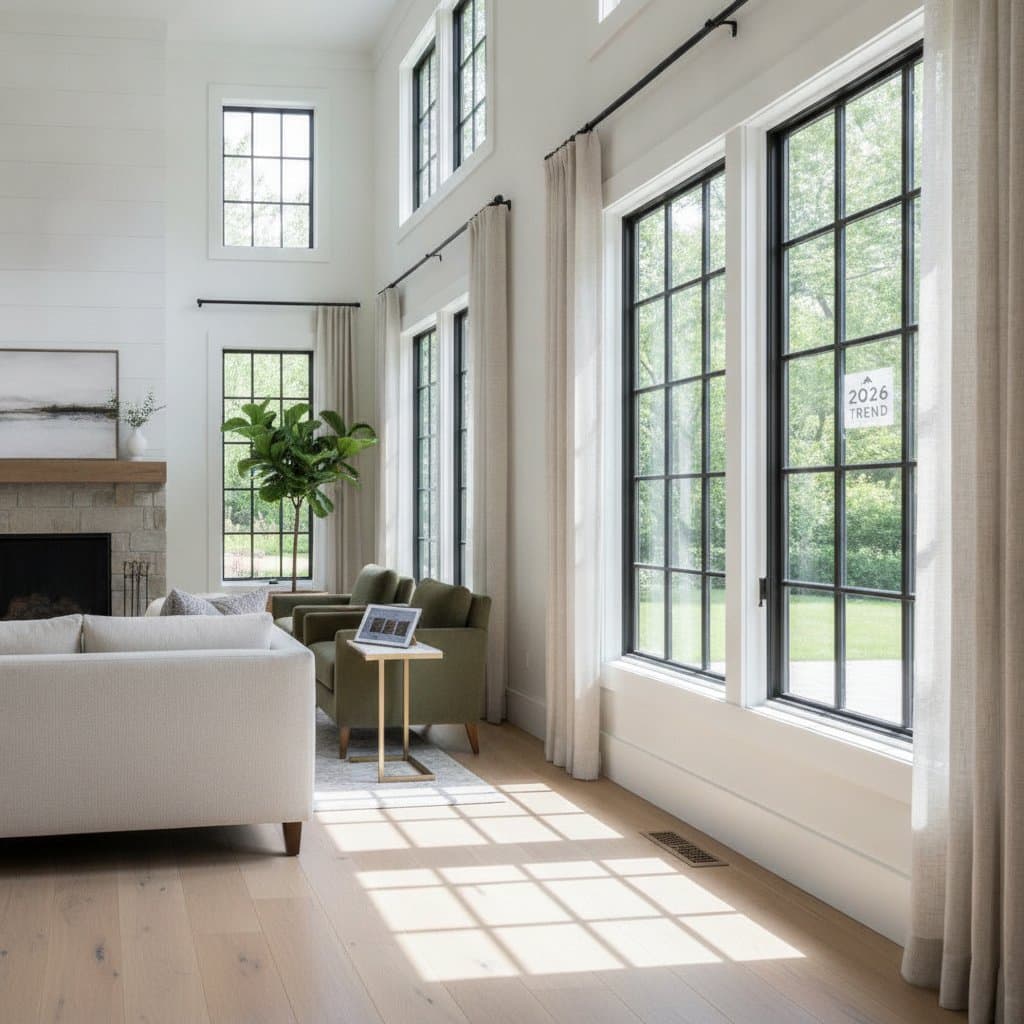
- Windows: Recycled aluminum frames in black, bronze, or champagne finishes create a sharp outline against neutral siding. Opt for casement or tilt-turn styles that operate smoothly and reliably. Brushed nickel or matte black hardware preserves the minimalist aesthetic without drawing undue attention.
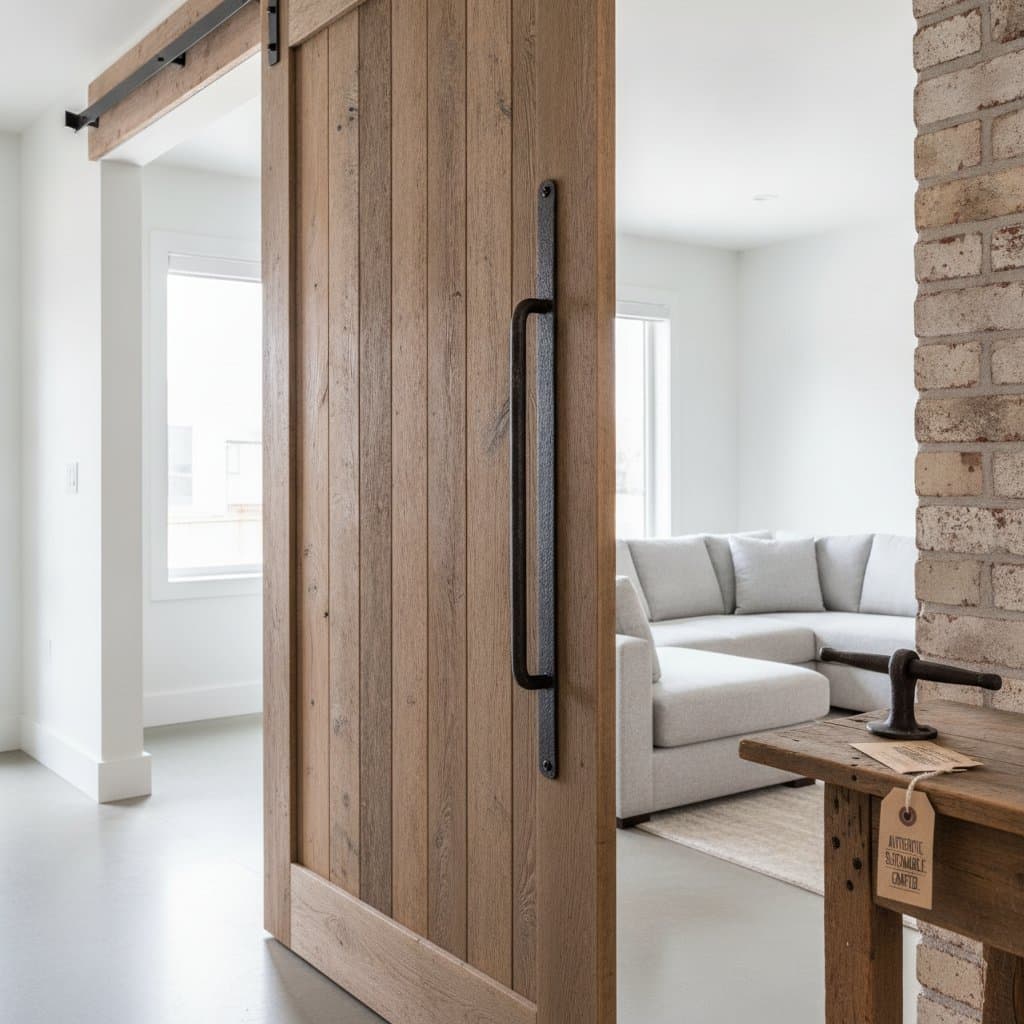
- Doors: Select sleek fiberglass or aluminum doors featuring narrow glass inserts that align precisely with window frames. For added warmth, choose walnut or oak veneer options with aluminum edge detailing to blend materials effectively.
- Siding: Smooth fiber cement or composite panels in neutral grays or off-whites direct focus toward window geometry. Introduce vertical cedar planks sealed with a clear matte coating to provide a natural accent that enhances texture.
- Trim and Accents: Maintain minimal trim lines using aluminum channel edging or color-matched fiber cement for clean transitions. Integrate subtle exterior lighting with black powder-coated metal fixtures to uphold visual uniformity across the elevation.
These material choices promote durability and ease of coordination. Each element supports the overarching minimalist theme. Homeowners benefit from options that adapt to various architectural contexts.
Maintenance Reality Check
Recycled aluminum frames demand minimal upkeep, which suits homeowners who value long-term simplicity. Perform a gentle wash with mild soap twice annually to remove dust and prevent corrosion. Factory-applied powder coatings withstand chipping and fading, even under intense sunlight exposure. In coastal or humid regions, conduct an annual rinse to eliminate salt residue that might otherwise dull the finishes. Unlike wood alternatives, aluminum resists warping or swelling, which lowers repair expenses and prolongs the integrity of glass seals. Pairing these windows with wood-look siding achieves aesthetic balance without escalating maintenance demands.
Avoid These Mistakes
- Ignoring Thermal Breaks: Standard aluminum frames lacking insulation may lead to condensation in cooler climates. Verify that selected recycled aluminum products incorporate a thermal barrier to ensure optimal energy performance.
- Overusing Dark Finishes: Black windows provide striking contrast, yet excessive dark elements can overwhelm smaller homes. Incorporate lighter siding tones or natural materials to preserve visual equilibrium.
- Skipping Window Alignment: Misaligned windows undermine the precise geometry central to modern design. Conduct thorough measurements to guarantee consistent sightlines across all elevations.
Addressing these pitfalls early prevents costly revisions. Professional consultation during planning reinforces accuracy. The result is a facade that endures both stylistically and structurally.
Color and Style Coordination
Establish a cohesive palette by selecting one dominant tone and two supporting hues. Use soft gray or warm white siding as the primary background for clarity. Employ charcoal or bronze aluminum for windows and doors as the key accent. Introduce light cedar or ash wood for entry details or soffits to add a natural element. Incorporate brushed steel or black matte fixtures for lighting and hardware as the metal touch. Choose clear or slightly tinted glass to manage glare while maximizing natural brightness.
This palette adapts well to contemporary neighborhoods, urban infill developments, and renovated mid-century properties. It merges precision with subtle warmth. Flexibility extends to landscaping choices and outdoor furnishings, allowing personalized expression within the minimalist framework.
Planning Photography Checklist
Gather these reference images and notes prior to finalizing window or siding orders:
- Current Exterior Photographs: Capture views from multiple angles, including detailed shots of trim and corners to assess existing conditions.
- Architectural Style Reference: Document roof pitch, symmetry, and current materials to inform design decisions.
- Neighborhood Context: Review surrounding homes to align with community aesthetics or adhere to HOA requirements.
- Climate and Exposure Notes: Note which house sides receive the most sun or wind to guide material selections.
- Budget and Priority List: Outline elements to tackle first, such as window replacements or siding transitions, for efficient resource allocation.
This preparation streamlines the design process. It minimizes surprises during installation. Homeowners emerge with a plan that reflects both vision and practicality.
Bringing It All Together
Recycled aluminum windows provide modern elegance, reduced expenses, and environmentally responsible material choices. These elements suit updates to traditional homes through sleek new openings or complete minimalist constructions. Coordinated finishes with siding and doors foster a unified exterior that conveys intention and longevity. Homeowners realize enhanced efficiency, curb appeal, and sustainability in their living spaces.