Why Japandi Sliding Doors Define 2025 Interior Solutions
Homeowners seek methods to craft serene, efficient spaces that promote openness and ease. Japandi sliding doors emerge as a key element in achieving this vision, uniting Scandinavian minimalism with Japanese artisanal warmth. This approach aligns with the rising demand for streamlined, area-efficient designs that prioritize mindfulness, productivity, and visual harmony in contemporary residences.
Core Elements of the Japandi Style
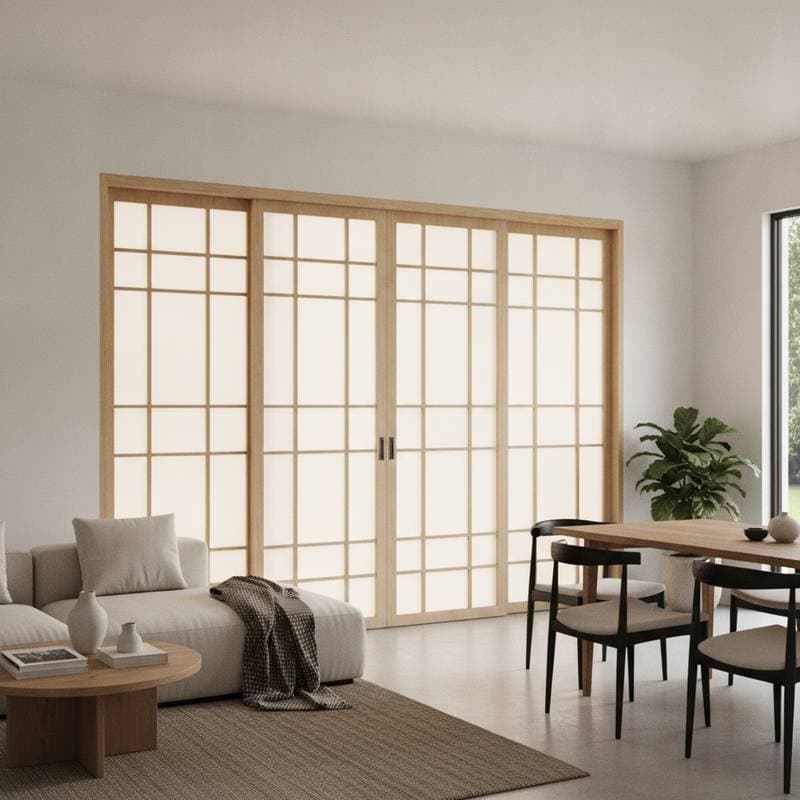
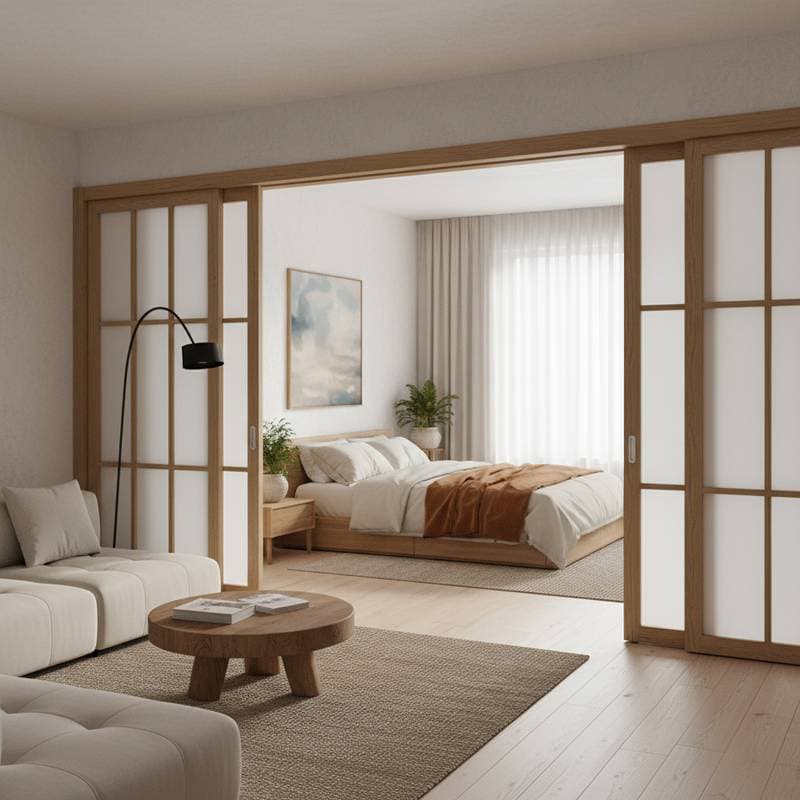
Japandi merges philosophies centered on moderation and organic balance. Japanese design highlights equilibrium, structure, and the appeal of subtle flaws, while Scandinavian principles stress straightforward forms, illumination, and coziness. The fusion yields a cohesive aesthetic that radiates peace with intention. Japandi sliding doors capture this essence via understated patterns, subdued palettes, and organic substances like timber, cane, or tempered glass. They partition areas without fully isolating them, facilitating light circulation alongside seclusion and gentle ambiance.
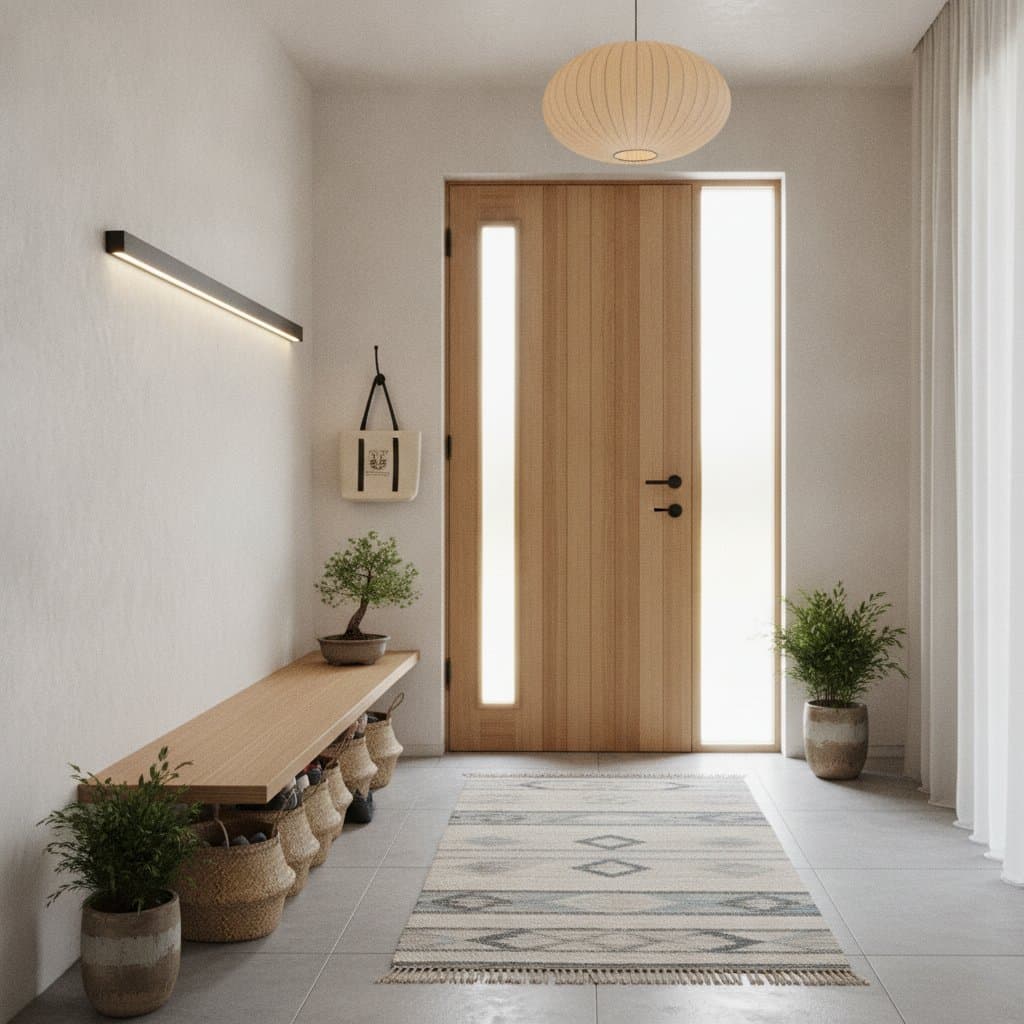
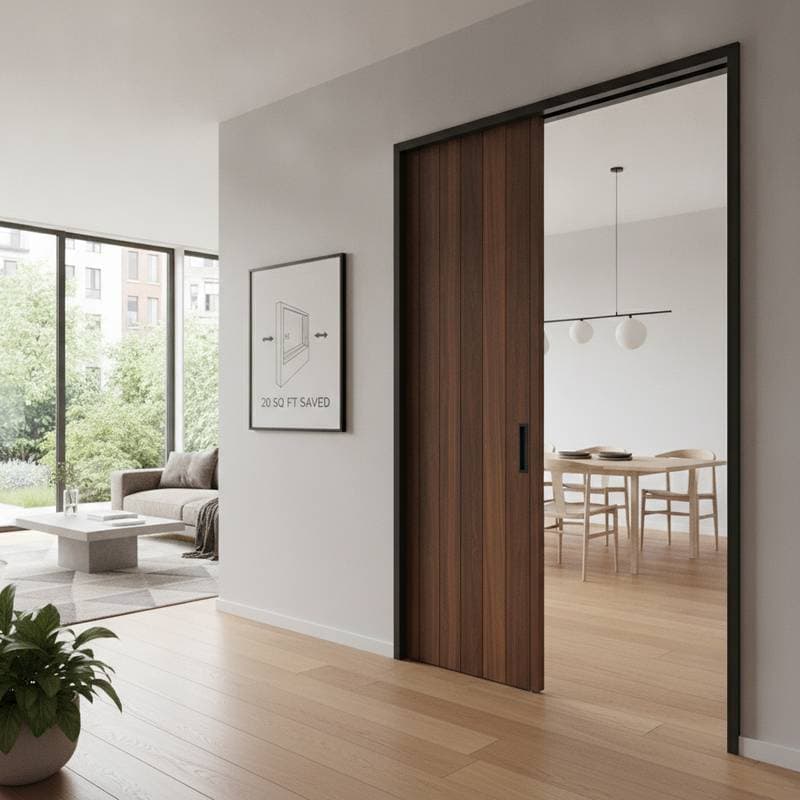
This style suits minimalist foyers, fluid communal zones, or confined dwellings. Unlike cumbersome pivoting doors that demand swing clearance, sliding variants integrate flush into partitions or travel along exposed rails, optimizing every inch of floor area.
Functional Advantages in Design
Japandi-inspired sliding doors combine elegance with utility, streamlining spatial organization through subtle operation. Their fluid motion and slender silhouettes establish a seamless visual cadence, while earthy hues complement diverse decors.
Primary benefits encompass:
- **Area ** Conventional swing doors necessitate open space for operation, restricting layout options. Sliding doors resolve this by gliding parallel to surfaces, freeing up placement for furnishings.
- Illumination Distribution: Opaque or semi-transparent inserts scatter daylight across adjacent areas, preserving vibrancy with discretion.
- Adaptability: Employ them to delineate sleeping quarters, workspaces, or lavatories, or as barriers for storage units and utility zones.
- Tranquil Influence: The aesthetic promotes orderly environs and a restful mood that aids decompression.
Paired with ambient illumination and raw textures, these doors elevate physical ease and psychological well-being within the home.
Selecting Materials and Build Quality
The effectiveness of a Japandi sliding door hinges on its composition and assembly. Options vary, each shaping the ambiance and care needs of the space.
| Material | Initial Cost | Lifespan | Maintenance | Ideal Application |
|---|---|---|---|---|
| Solid Timber | Moderate to High | Extended | Periodic conditioning | Inviting, organic settings |
| Cane Overlay | Moderate | Average | Basic surface care | Sustainable, contemporary layouts |
| Etched Glass in Timber Frame | Moderate | Extended | Simple wiping | Luminous, sparse interiors |
| Synthetic Core | Low to Moderate | Average | Low effort | Economical updates |
Timber doors from species like oak, ash, or pine provide robustness and classic appeal. Cane offers an environmentally sound substitute with genuine texture. Glass elements within timber casings introduce airiness, perfect for compact units requiring enhanced brightness. Synthetic panels suit fiscal constraints, though they lack the sensory depth of authentic timber.
Installation Process Overview
Fitting a sliding door demands thoughtful preparation, though it proves less disruptive than full-scale overhauls. The sequence ensures operational reliability and refined aesthetics.
- Assessment and Measurement: Gauge the intended span or recess. Determine if the panel will track externally or recess into a wall pocket.
- Site Readiness: Confirm framing stability for the rail assembly. Clear prior moldings or hindrances.
- Core Assembly: Secure the rail evenly and plumb. Install casters on the panel, suspend it, and evaluate traversal.
- Verification Steps: Inspect positioning, gaps, and fluidity. Fine-tune rails or casters as required.
- Finishing Touches: Incorporate moldings, grips, or damping features. Polish exteriors and test closure integrity.
Expert fitting guarantees accuracy and endurance, yet skilled residents may handle it independently using appropriate implements. Assistance proves essential for weightier units to prevent injury or structural issues.
Evaluating Expenses Against Longevity
Pricing for Japandi sliding doors fluctuates based on composition, dimensions, and fittings. Entry-level selections offer stylistic impact, yet premium variants yield superior durability and effortless function. Focus on overall utility over upfront expenditure.
Budgeting considerations include:
- Fitting Durability: Inferior casters and rails degrade swiftly, causing rattles or offsets.
- Substance Resilience: Genuine timber endures and accepts renewal, unlike synthetics that demand eventual substitution.
- Fitting Precision: Accurate setup supports silent, prolonged service; flaws accelerate deterioration.
- Upkeep Needs: Consistent care and lubrication prolong component life and safeguard appearances.
Initial investments in quality often minimize future expenses on fixes or swaps.
Aligning with Daily Routines and Tastes
Residences mirror the rhythms and values of their inhabitants. Japandi sliding doors excel when tailored to support habitual flows beyond mere ornamentation. In active families, resilient coatings and reliable mechanisms ease routine interactions. For sparse preferences, unadorned timber shades uphold the peaceful vibe.
In modest abodes or rentals, these doors act as dynamic dividers, expanding or contracting zones per schedule. A communal area might convert to overnight lodging via a silent partition shift. Such versatility renders tight quarters more versatile and inviting.
Upkeep for Enduring Appeal
Preserving Japandi sliding doors involves simple routines to uphold their allure and efficacy. Dust routinely and cleanse with mild moisture as needed to refresh exteriors. Inspect rails for accumulations that impede motion. Timber surfaces gain from infrequent conditioning to counter moisture and retain hue.
Integrating Japandi Doors into Your Space
Selecting Japandi sliding doors extends beyond trends; it enhances daily spatial experience and utility. They enable fluid room shifts, channel ambient light, and accommodate evolving needs. Invest in this design to cultivate a home that balances form, function, and tranquility.