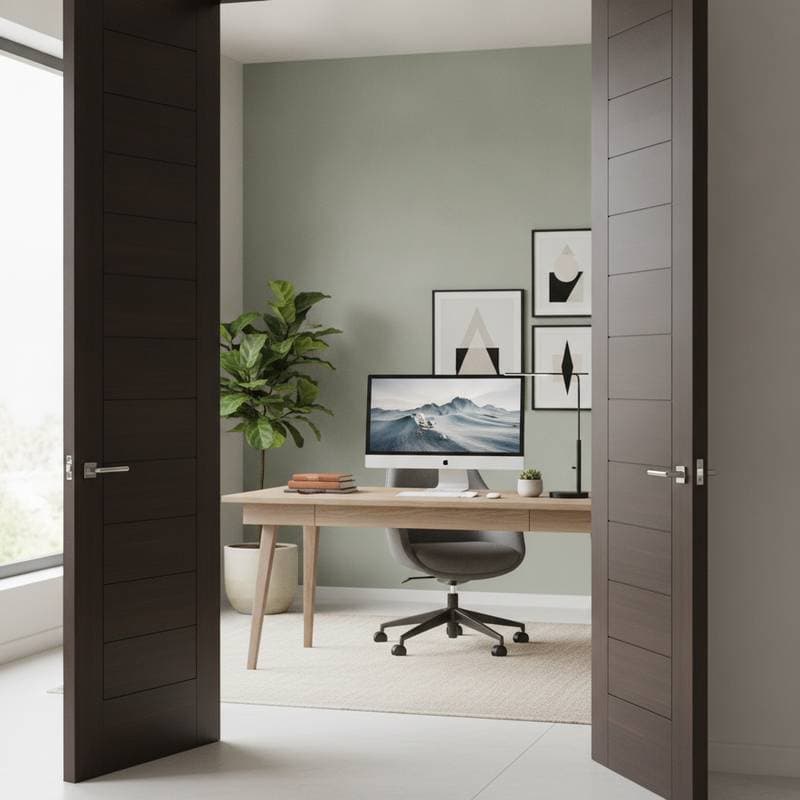
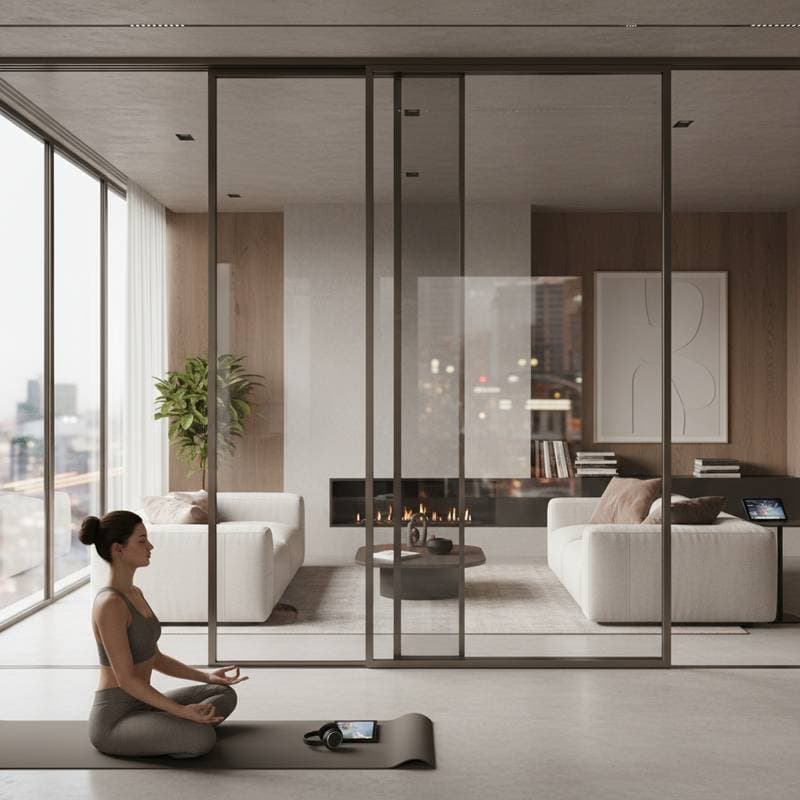
Acoustic Sliding Doors: Elegant Solutions for Noise Reduction
Contemporary homes feature open floor plans, communal areas, and frequent activity. These elements foster connectivity yet amplify unwanted sounds. From dedicated home offices to lively family spaces, minimizing noise ranks high among design considerations. Acoustic sliding doors stand out as an effective remedy, merging refined visuals with superior sound barriers. Their rising demand signals a preference for serene, adaptable environments where utility harmonizes with elegance.
How Acoustic Sliding Doors Achieve Sound Isolation
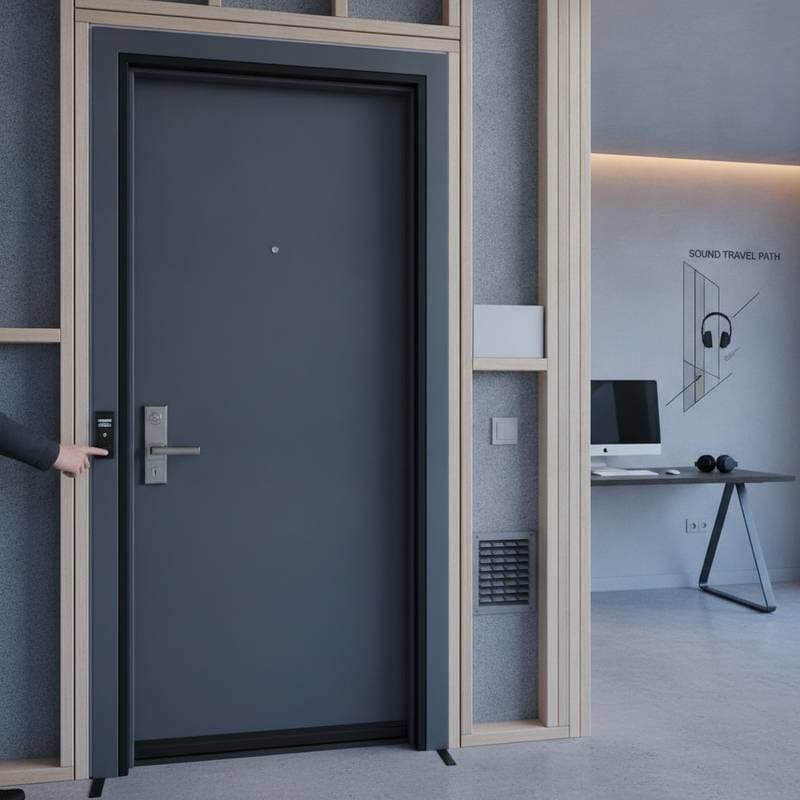
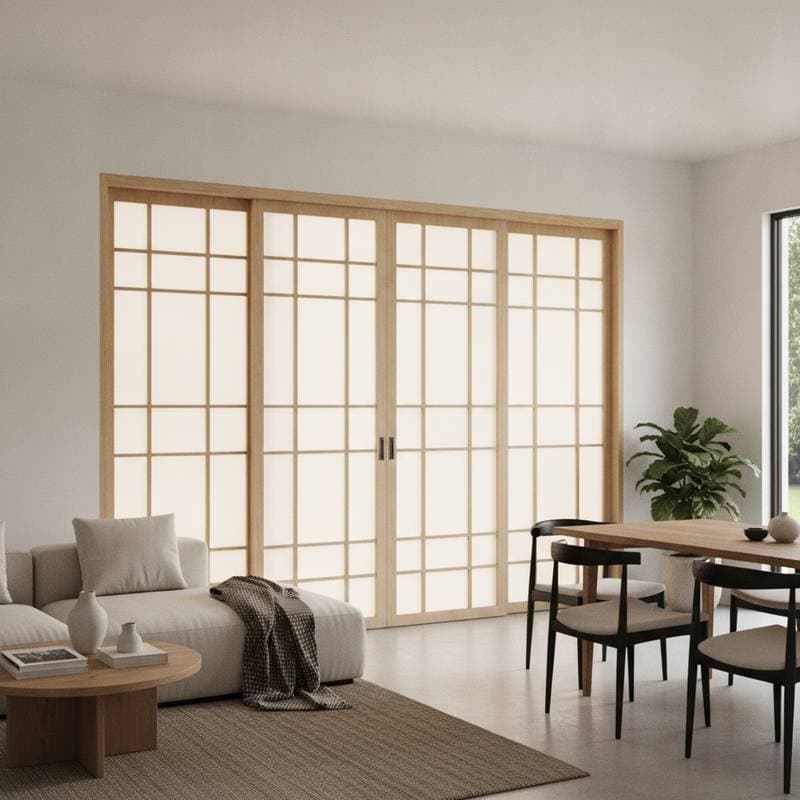
Acoustic sliding doors employ multilayered builds, advanced seals, and robust materials to prevent sound from passing between areas. They convert expansive rooms into secluded havens while allowing light and sightlines to remain uninterrupted. This balance provides tranquility without compromising visual appeal. In contrast to cumbersome barriers, these doors preserve clean silhouettes and blend seamlessly into modern or classic settings.
Budget-Friendly Implementation ($1,500 to $3,000)
Select hollow-core composite panels enhanced with acoustic seals for economical choices. Although less dense than solid alternatives, correct installation reduces everyday noise effectively.
Incorporate surface-mounted tracks and basic hardware to lower expenses. Prioritize thorough perimeter sealing to boost efficacy.
Allocate resources toward superior gaskets or brush seals, which enhance noise suppression significantly.
Balanced Mid-Range Options ($3,500 to $7,000)
Choose solid-core medium-density fiberboard or engineered wood with built-in sound-absorbing layers for reliable insulation and attractive finishes.
Enhance functionality with dual-seal edges and vibration-dampening tracks. Opt for laminated glass panels to permit illumination without acoustic breaches.
Invest in broader panels or paired sliders to craft a bold architectural feature that upholds soundproof qualities.
Premium Investments ($8,000 to $15,000)
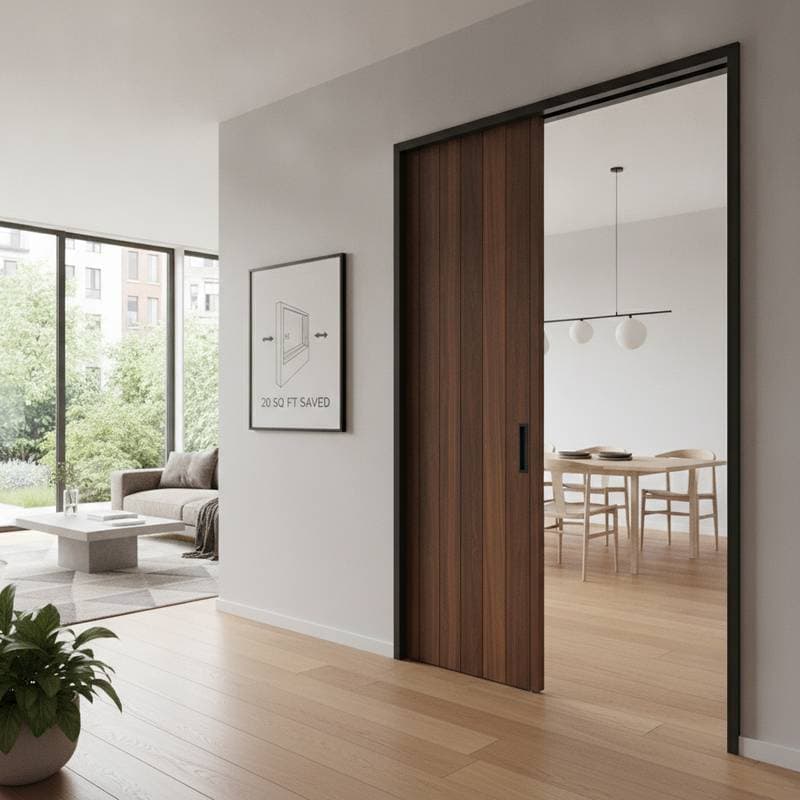
Specify dense timber cores combined with sound-rated glass and hidden tracks for exceptional quietude akin to professional studios.
Incorporate bespoke surfaces like rift-sawn oak or satin lacquer to refine the ambiance alongside performance.
Select seamless thresholds and slender frames for a streamlined appearance. Such choices elevate resale potential and support versatile room uses, from remote workspaces to entertainment areas.
Guide to Materials and Finishes
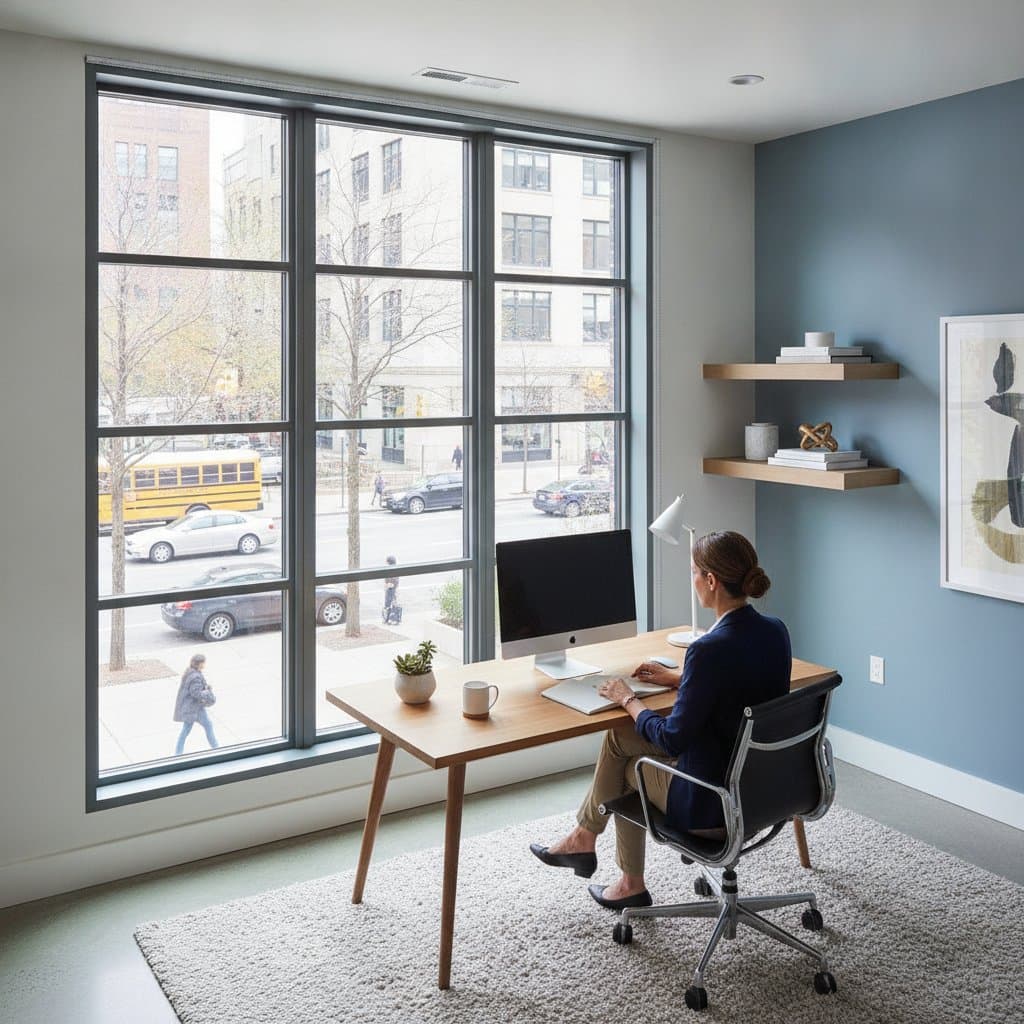
Pair acoustic sliding doors with double-glazed or laminated windows in adjacent rooms. Align frame hues with track systems using finishes such as matte black, bronze, or soft white for cohesion.
For doors, favor solid cores with integrated soundproofing or glass elements. White oak, ash, or painted medium-density fiberboard suits sparse designs; frameless options fit sleek homes, while slim aluminum edges enhance industrial themes.
Address exterior noise with fiber cement or composite siding backed by insulation. These options curb sound entry and sustain sharp exteriors.
Match baseboards and casings to the sliding setup. Hidden pulls and flush handles maintain a sophisticated, current profile.
Essential Maintenance Practices
Acoustic doors demand regular attention to sustain peak operation. Seals forming the sound barrier may wear and compress with use. Examine them routinely and replace any showing wear to eliminate gaps.
Clear tracks of debris to avoid disruptions in smooth operation. For wooden surfaces, apply gentle detergent with a soft cloth, steering clear of abrasives that diminish luster. Clean glass with non-scratching solutions and microfiber.
Lubricate tracks biannually for fluid motion. In moist regions, apply water-repellent coatings to guard against wood expansion. Monitor glass seals closely, as deterioration can impair insulation over time.
Common Pitfalls to Sidestep
- Overlook wall builds: A premium door paired with flimsy, single-layer walls diminishes results. Combine with insulated or dual-stud constructions for optimal outcomes.
- Neglect seal standards: Emphasis on panels often ignores edges. Inferior seals permit sound infiltration, undermining overall isolation.
- Bypass expert fitting: Precision matters for alignment. Misalignments or faulty tracks erode sound blocking and hardware durability.
- Select standard glass: Ordinary panes conduct noise readily. Insist on laminated or specialized acoustic variants for transparent sections.
- Excessively ornate finishes: Rough textures attract grime and demand extra care. Opt for sleek, matte options that offer sophistication with ease.
Harmonizing Colors and Styles
A thoughtful color scheme amplifies the tranquility of acoustic setups. Consider these pairings adaptable to diverse architectures:
- Gentle contrast: Light gray walls, white oak panels, and nickel accents evoke Scandinavian simplicity.
- Warm contemporary: Charcoal frames, walnut doors, and ivory walls provide richness and ease.
- City neutral: Ebony tracks, opaque glass, and beige siding forge a polished industrial vibe.
- Seaside serenity: Painted white doors, beige trim, and pale blue touches capture breezy lightness.
- Enduring elegance: Rich espresso tones with creamy walls and bronze details convey heritage charm.
Sync door treatments with window surrounds and outer walls for seamless flow. In structures blending stone or masonry, echo hues in hardware for unity.
Pre-Installation Photography Guide
Record your space thoroughly to inform choices and streamline planning. Follow this sequence:
- Image exteriors under natural light to gauge scale and current materials.
- Shoot broad and detailed interior views of target zones, recording wall depth, ceiling scale, and light sources.
- Classify your home's motif as modern, classic, or hybrid to refine selections.
- Survey surrounding aesthetics and regulatory constraints from associations.
- Evaluate local weather patterns, including moisture or temperature variations, impacting material resilience.
- Establish spending limits and designate priorities, like advanced seals versus tailored looks.
- Anticipate subsequent upgrades, choosing compatible elements for windows or facades.
Enhancing Everyday Living Through Acoustic Design
Acoustic sliding doors extend beyond mere quietude. They redefine room dynamics, enabling homes to evolve with shifting needs for productivity and leisure. This fusion of form, utility, and efficacy positions them as enduring enhancements.
Advancements in door engineering promise further refinements, yet their true merit resides in elevating routines. Tranquil zones foster concentration, rejuvenation, and well-being. Regardless of scale, from basic setups to custom builds, the aim persists: forging harmonious, visually compelling havens.
Strategic choices in materials, hues, and upkeep yield spaces that perform acoustically while captivating the eye. Acoustic sliding doors demonstrate that superior design and function can align effortlessly, transforming sound management into a refined element of residential artistry.