The Rapid Decline in Barn Door Hardware Prices: Reasons and Smart Buying Tips
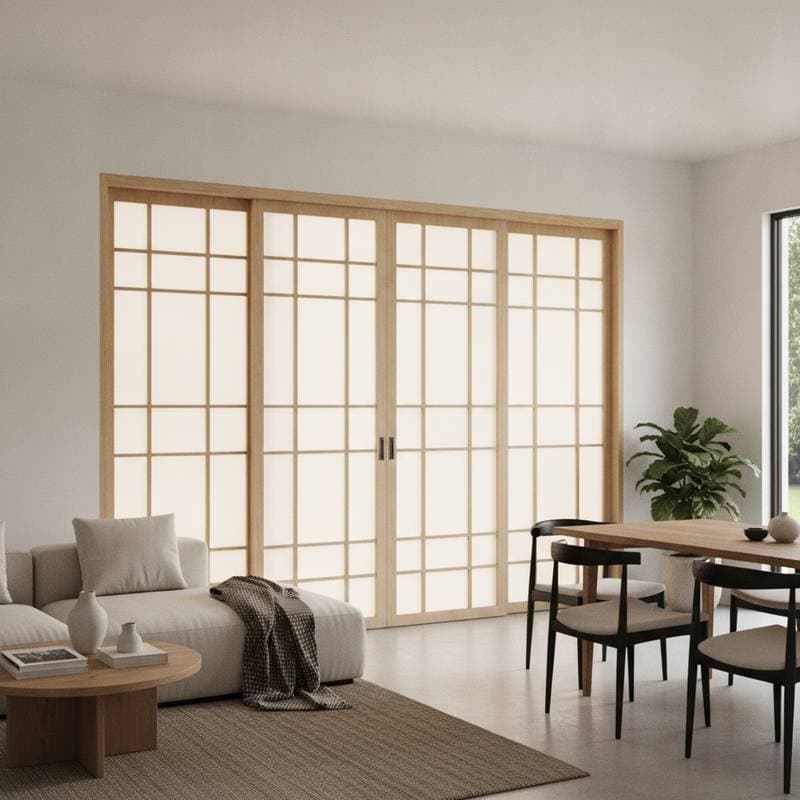
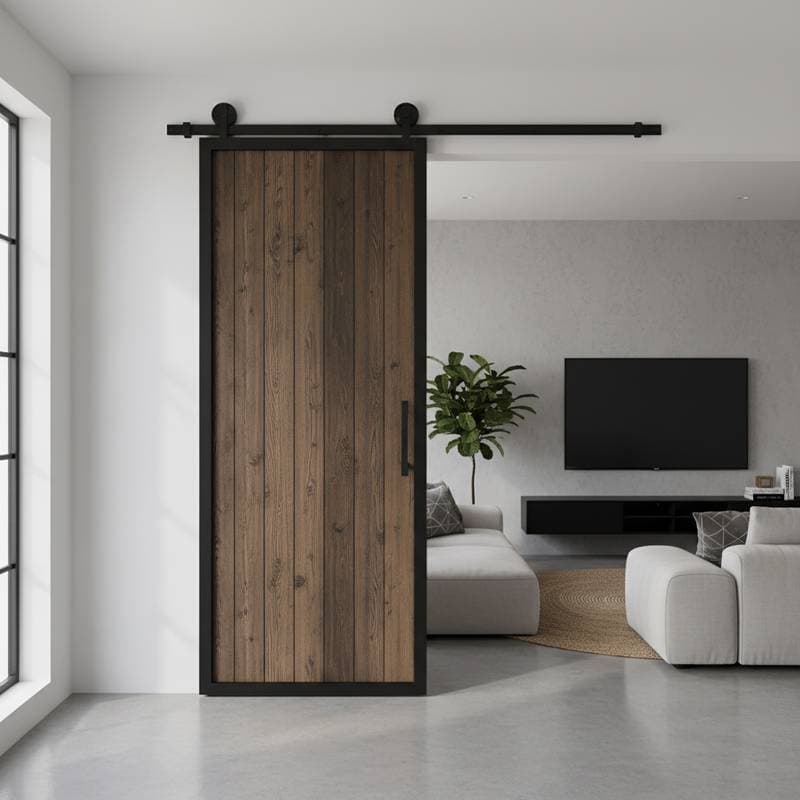
Barn doors represent a popular element in contemporary home design, combining rustic appeal with practical functionality. These sliding doors, once confined to farmhouse styles, now enhance urban lofts, suburban renovations, and small apartments alike. Homeowners often express surprise at the swift reduction in barn door hardware prices. What served as a high-end choice previously has become accessible to broader audiences. Grasping the causes of this shift and strategies to capitalize on it empowers individuals to select durable, effective upgrades for their interiors.
Key Drivers Behind the Price Reduction
Barn door hardware long functioned as a specialized product with elevated costs due to restricted production, bespoke fabrication, and limited suppliers. As design preferences expanded into homes and commercial projects, manufacturers responded by developing uniform kits for large-scale output, which lowered expenses significantly. This evolution transformed a specialized item into a standard offering available at competitive rates.
Material advancements play a crucial role in affordability. Earlier models relied on substantial forged steel or tailored tracks, but modern versions incorporate lighter alloys that maintain strength. Techniques like powder coating and refined surface treatments prolong component life and ease upkeep. Enhanced packaging and distribution methods further cut logistics expenses, passing benefits to consumers.
Exploring Available Hardware Choices
The market for barn door hardware offers unprecedented diversity today. Options span sleek flat tracks, ornamental horseshoe designs, and hidden roller mechanisms that conceal the workings. Each type presents unique costs, durability levels, and suitability for specific applications.
| Option | Initial Cost | Lifespan | Maintenance | Best For |
|---|---|---|---|---|
| Standard Steel Kit | Low to moderate | Long | Occasional lubrication | General interior doors |
| Decorative Forged Set | Moderate to high | Very long | Periodic cleaning | Rustic or traditional aesthetics |
| Soft-Close System | Moderate | Long | Minimal | Bedrooms and noise-sensitive areas |
| Concealed Track | High | Long | Minimal | Sleek, modern environments |
Such selection enables precise alignment of expenses with aesthetic goals and operational demands. Premium or custom variants, though pricier, have seen notable reductions from past benchmarks.
Elements Influencing Hardware Expenses
Beyond materials and aesthetics, several variables shape barn door hardware pricing. The track's length, the door's weight capacity, and surface finishes all impact the total. Heavier doors necessitate robust rollers, and extended tracks require additional resources. Options like matte black or brushed nickel finishes may incur a small premium yet offer superior resistance to daily use.
Features such as soft-close functions or anti-jump safeguards enhance usability and security, warranting their added expense. The installation setting also matters. Drywall mounts often demand extra brackets for stability, whereas solid wood or masonry surfaces accommodate basic anchors.
Ensuring Quality and Longevity
Affordable pricing does not imply compromised standards, yet thorough assessment proves essential. Effective hardware glides effortlessly, bears the door's complete load, and withstands environmental factors like corrosion. Powder-coated or galvanized surfaces excel in moist or busy locations. Stainless steel components, at a modest upcharge, deliver superior endurance over time.
Examine warranty details and load specifications when evaluating products. Established brands provide clear capacity guidelines. Selecting mismatched hardware risks premature deterioration or hazards, so align the system with the door's dimensions and composition to promote safety and extended service.
Step-by-Step Installation Guide
Barn door hardware installation typically proceeds with relative ease, provided one adheres to precise measures. Follow these stages for optimal results:
- Assess and plan: Determine the door's dimensions and the area above the doorway to confirm track compatibility. Evaluate wall integrity and sliding clearance.
- Prepare the site: Outline the mounting position and identify studs. Employ a level for straight lines prior to any drilling.
- Mount the components: Secure the track, affix rollers to the door, and position the door. Fine-tune brackets to achieve fluid motion.
- Verify functionality: Operate the door to test smoothness, alignment, and security. Secure all connections and incorporate stops, guides, or dampers as applicable.
- Finalize and maintain: Wipe the track clean, lubricate moving parts, and schedule routine checks.
Numerous individuals handle the setup independently, but hiring experts guarantees accuracy and durability, particularly for substantial or tailored installations.
Integrating Barn Doors into Daily Living and Design
Barn doors affect both spatial utility and visual harmony. By gliding parallel to walls, they preserve floor space, proving advantageous for compact areas, storage, or transitional zones. In expansive layouts, they facilitate adjustable separations without fixed walls. The hardware's prominence demands coordination with elements like fixtures, surfaces, and furnishings.
Consider acoustics, seclusion, and ease of access in choices. Soft-close mechanisms minimize noise and sudden stops, benefiting restful or professional areas. For households with young children, anti-jump elements and firm guides bolster security.
Strategies for Optimal Selection
Homeowners benefit from weighing finances, reliability, and future utility when choosing barn door hardware. Reflect on usage frequency, exposure to humidity, and finish compatibility with surrounding decor. Prioritize systems that align with these aspects to maximize value.
Realizing Savings Through Informed Choices
The sharp decline in barn door hardware prices expands opportunities for home enhancements. From isolated room refreshes to comprehensive overhauls, these cost-effective, adaptable solutions advance varied interior visions while delivering enduring performance.