Minimalist Japandi Zen Doors: Calm, Craft, and Clarity for Modern Entryways
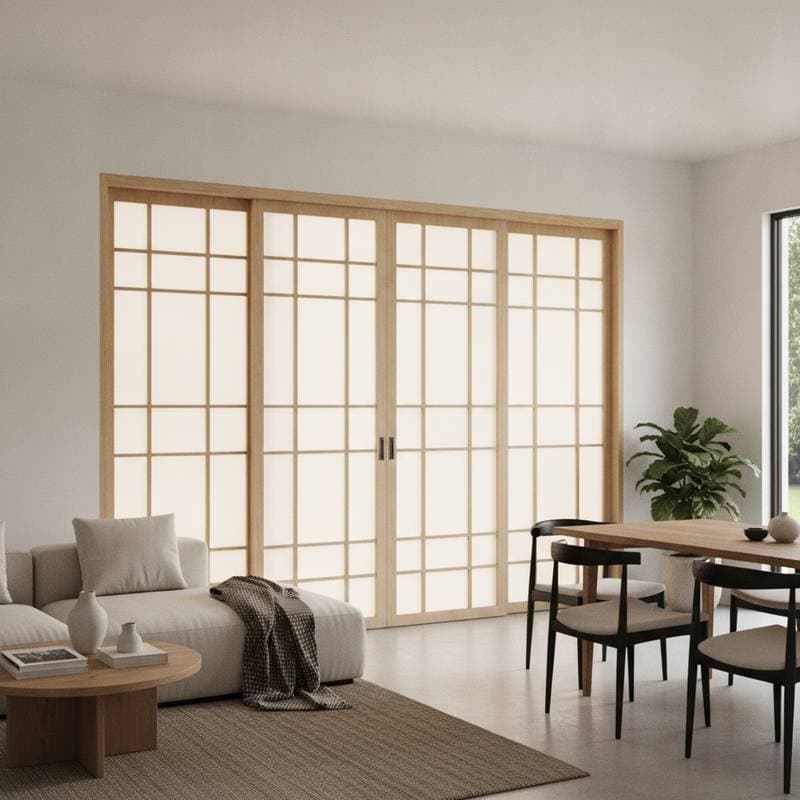
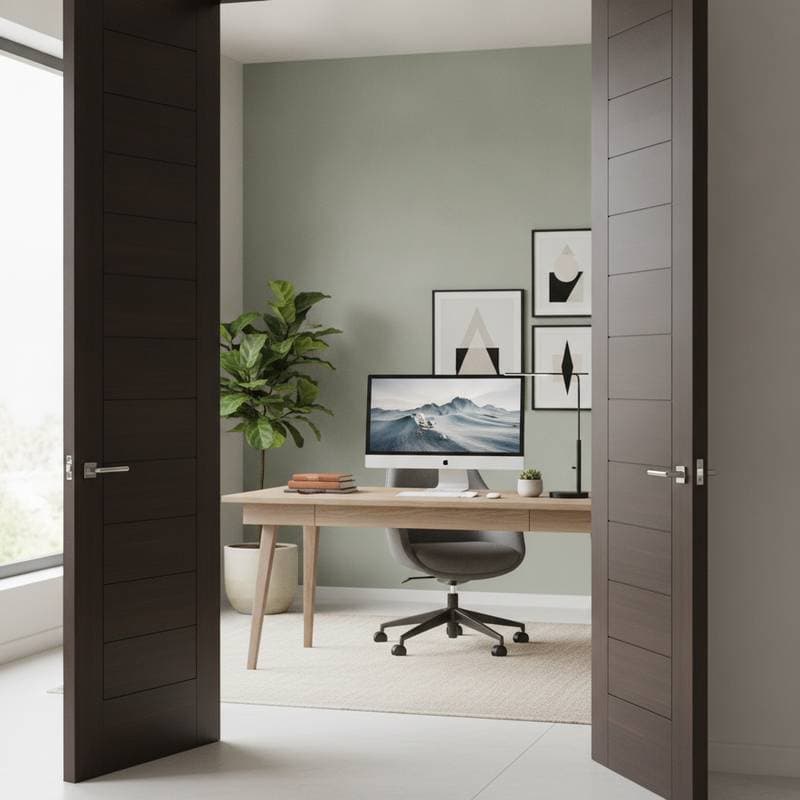
The growing appeal of Japandi design stems from its fusion of Scandinavian simplicity and Japanese serenity. This cross-cultural approach emphasizes clean lines, neutral colors, and purposeful craftsmanship. Applied to exterior and interior doors, Japandi provides more than a visual refresh; it establishes a serene boundary between spaces that promotes balance and longevity.
Homeowners gravitate toward Japandi-inspired doors for their understated elegance that avoids sterility. Natural textures, restrained forms, and gentle asymmetry foster an ordered yet inviting atmosphere. This style appeals to those seeking simplification through high-quality materials and environments that nurture tranquility.
Three Ways to Achieve the Japandi Look
Budget-Friendly Approach ($1,000 - $2,500)
- Select engineered wood veneers in oak, ash, or birch to achieve a natural appearance at lower cost.
- Opt for flat, frameless panels to minimize hardware requirements; incorporate hidden hinges or basic matte-black pulls from off-the-shelf options.
- Allocate funds to superior stains or paints that replicate wood grain; a satin finish in warm beige or light taupe enhances serenity affordably.
Mid-Range Approach ($2,500 - $5,000)
- Choose solid hardwood doors with simple paneling in white oak, maple, or bamboo for enduring warmth.
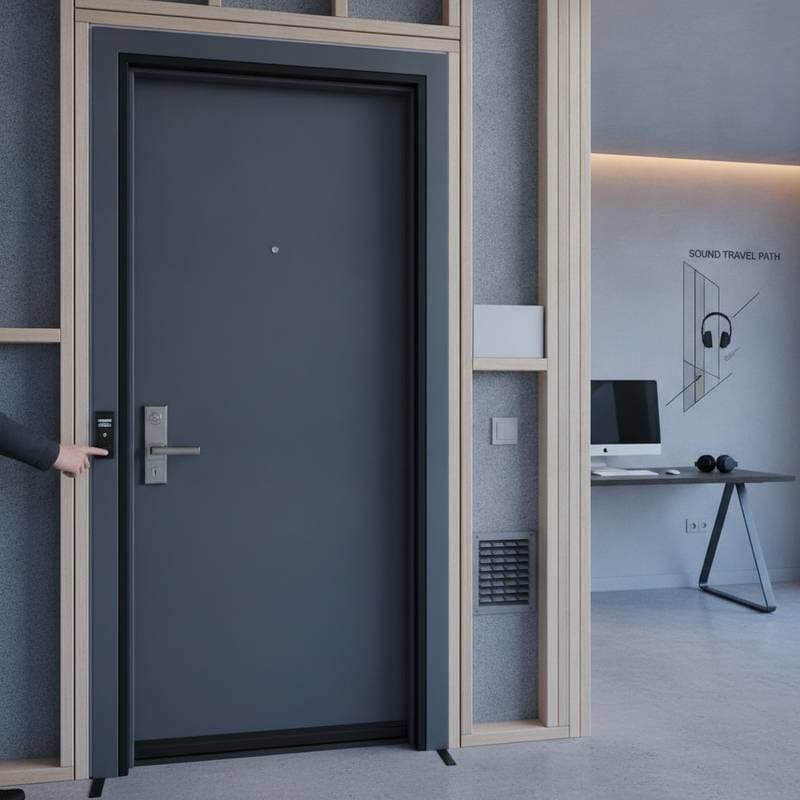
- Include acoustic insulation or soft-close mechanisms to improve functionality; select slim frames in natural black or bronze to align with minimalism.
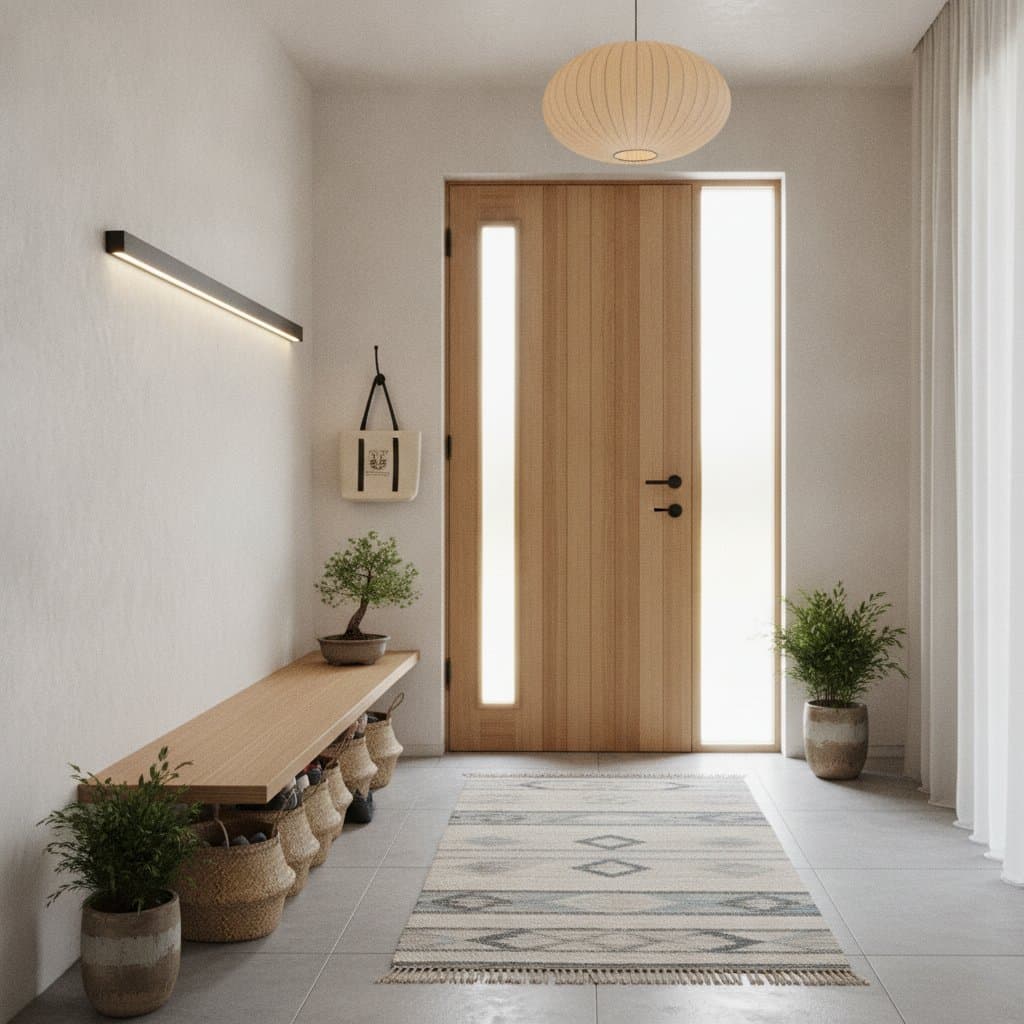
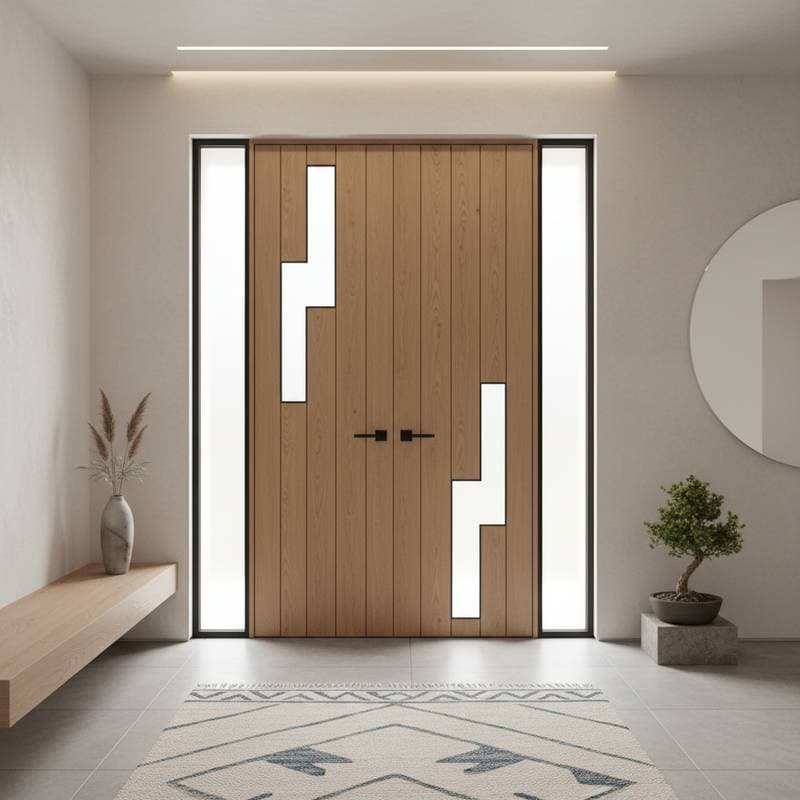
- Integrate frosted glass side panels or transoms to allow soft light entry while preserving privacy.
Premium Approach ($5,000 - $9,000)
- Commission bespoke doors from rift-cut white oak or charred cedar featuring handcrafted joinery for evolving texture.
- Add concealed pivot hinges, recessed pulls, or subtle metal inlays in brushed brass or graphite tones.
- Prioritize factory-applied finishes and precise joinery to minimize warping and upkeep; custom sizing ensures seamless architectural integration.
Material and Finish Guide
Windows: Employ large, unobstructed panes in black aluminum or natural wood frames to harmonize with Japandi doors. Frosted or reeded glass provides privacy and diffuses light effectively. Select hardware in satin nickel or matte black for a subtle, unified appearance.
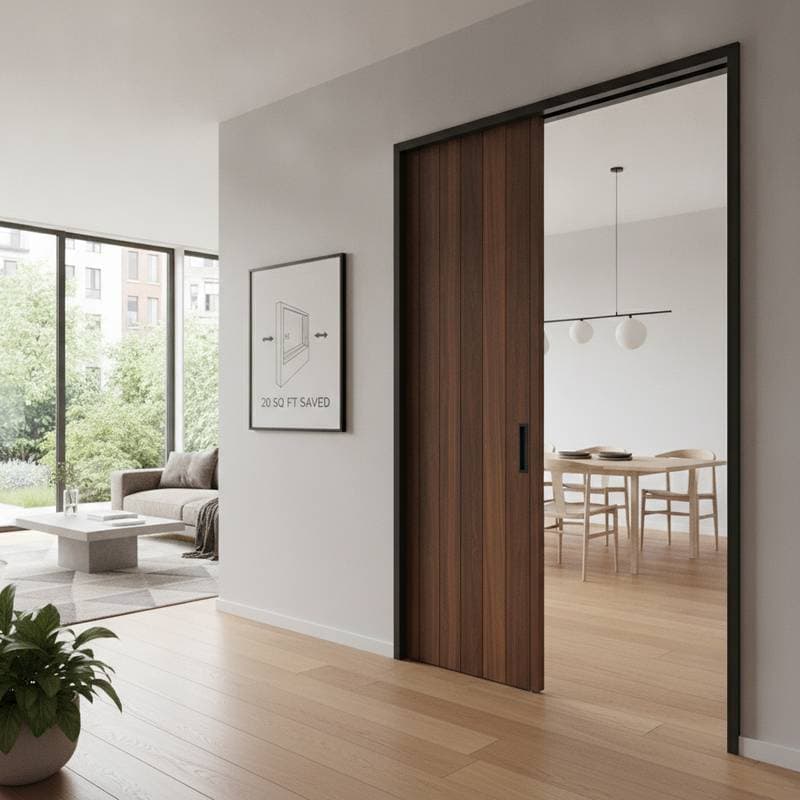
Doors: Prefer natural wood tones or painted surfaces in earthy neutrals such as warm white, clay, driftwood, or soft charcoal. Incorporate vertical slats or flush panels for understated texture. Choose tactile handles like brushed metal or simple wood pulls.
Siding: Pair with smooth fiber cement or vertical cedar cladding. Select balanced hues like mushroom gray, pale sand, or clay beige for cohesion. Maintain minimal trim to preserve visual serenity.
Trim and Accents: Use narrow profiles and crisp edges to embody Japandi precision. A slim reveal around the door focuses attention without ornamentation. Install soft warm lighting to accentuate wood grain and textures.
Maintenance Considerations
Minimalist doors demand consistent care to sustain their appeal. Veneered options require gentle cleaning and periodic resealing. Solid hardwood varieties benefit from regular oiling or staining to retain depth and repel moisture. Painted surfaces may necessitate occasional touch-ups in busy zones.
Exterior doors face primary threats from weather. Position overhangs or recessed porches to protect against sun and rain. Metal or composite frames resist distortion, and sealed joints avert swelling. Those favoring authentic wood must commit to seasonal tasks like light sanding or re-oiling.
Interior doors encounter milder conditions. Regular dusting with non-abrasive cleaners suffices to uphold their calm aesthetic. The design's simplicity facilitates updates; new hardware or surface refinishing revives the style without overhaul.
Common Pitfalls to Avoid
- Excessive Ornamentation: Ornate hardware, intense lighting, or vivid paints disrupt Japandi's subtle grace. Maintain uniform palettes and materials.
- Proportional Imbalance: An undersized door amid robust trim appears diminished. Match scale to the building and ensure even margins.
- Inappropriate Finishes for Local Conditions: Untreated wood falters in humid or coastal settings. Select sealed or composite alternatives that emulate grain for resilience.
- Subpar Installation: Misalignment detracts from even superior doors. Engage professionals for fluid movement and secure seals.
- Lack of Texture: Uniform smooth paint risks appearing lifeless. Choose finishes revealing faint grain or brushwork.
Coordinating Colors and Styles
Japandi relies on natural hues, gentle contrasts, and genuine materials. This restrained palette ensures every element serves intention, blending visual poise with subtle warmth.
Recommended Palette:
- Warm White: Provides clarity for walls and trim without harshness.
- Clay Beige: Offers an earthy base that enhances wood elements.
- Driftwood Gray: Anchors brighter tones with soft neutrality.
- Charcoal Black: Delivers precise contrast for frames and accents.
- Muted Sage: Introduces vitality as a restrained highlight.
Balance light siding with medium wood doors or reverse for depth. Layer tones gradually to avoid jarring shifts. Reserve black for metallic details or fixtures.
Warm white lighting around entrances illuminates textures and bolsters wood finishes. Steer clear of intense or cool bulbs that diminish material warmth.
Photography Planning Checklist
Document your home's existing features prior to selecting doors or finishes. This record informs choices and anchors the project in practicality.
Essential Items:
- Exterior photos from various perspectives, capturing light's effect on the facade.
- Details of architectural style and current elements to ensure door compatibility.
- Local surroundings and HOA guidelines influencing materials or colors.
- Environmental factors like sunlight, humidity, or winds affecting durability.
- Budget limits and key investment zones for optimal design and function.
These captures facilitate precise discussions with installers or designers. They also aid in envisioning the door's harmony with windows, siding, and outdoor spaces.
Integrating Japandi for Lasting Harmony
Japandi Zen doors embody a commitment to mindful design, where form and utility align seamlessly. Japanese precision meets Scandinavian restraint, yielding doors that convey modernity alongside timelessness.
Thoughtful implementation boosts exterior allure and internal continuity. An exterior Japandi door introduces a tone of composure; interior counterparts extend this ethos throughout the residence.
For optimal results:
- Select authentic materials with subdued finishes.
- Favor forms highlighting balance and restraint.
- Employ a palette of grounded, harmonious shades.
- Schedule upkeep to safeguard wood and surface integrity.
- Honor the home's inherent architecture over imposed trends.
Such deliberate efforts transform updates into enhancements of serenity. Wood's inherent warmth, design's lucidity, and minimalism's assurance create thresholds that invite repose. Japandi endures through its emphasis on subtlety, skill, and natural affinity, manifesting tranquility in every detail.