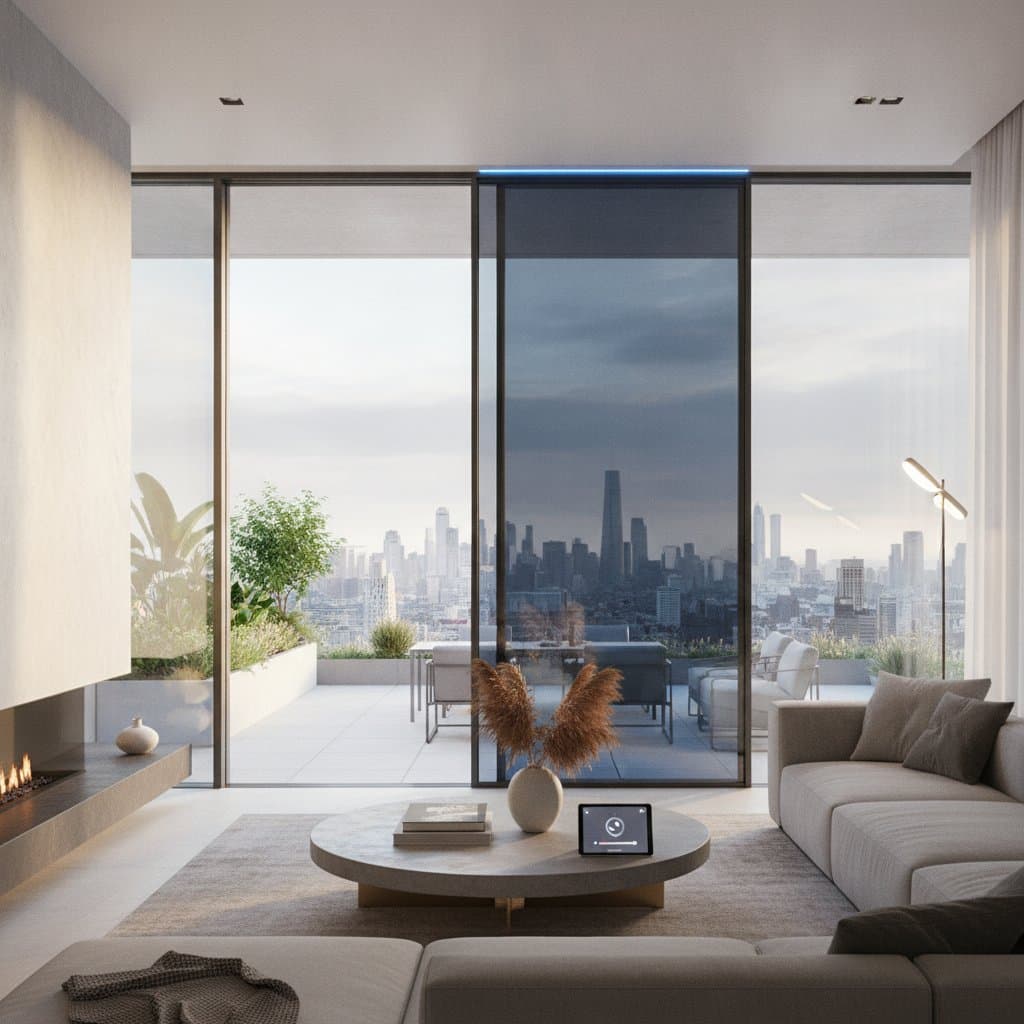
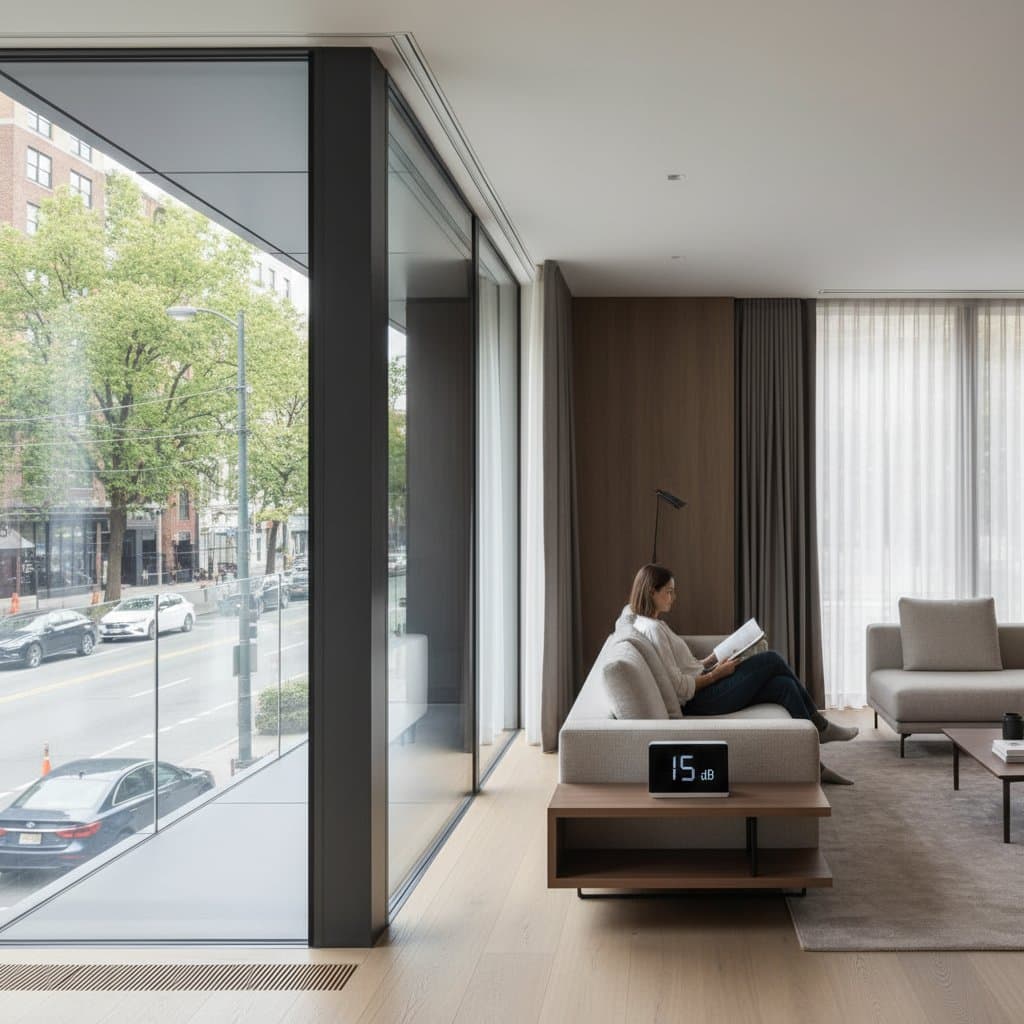
Acoustic Windows: Quiet Luxury for Modern Living
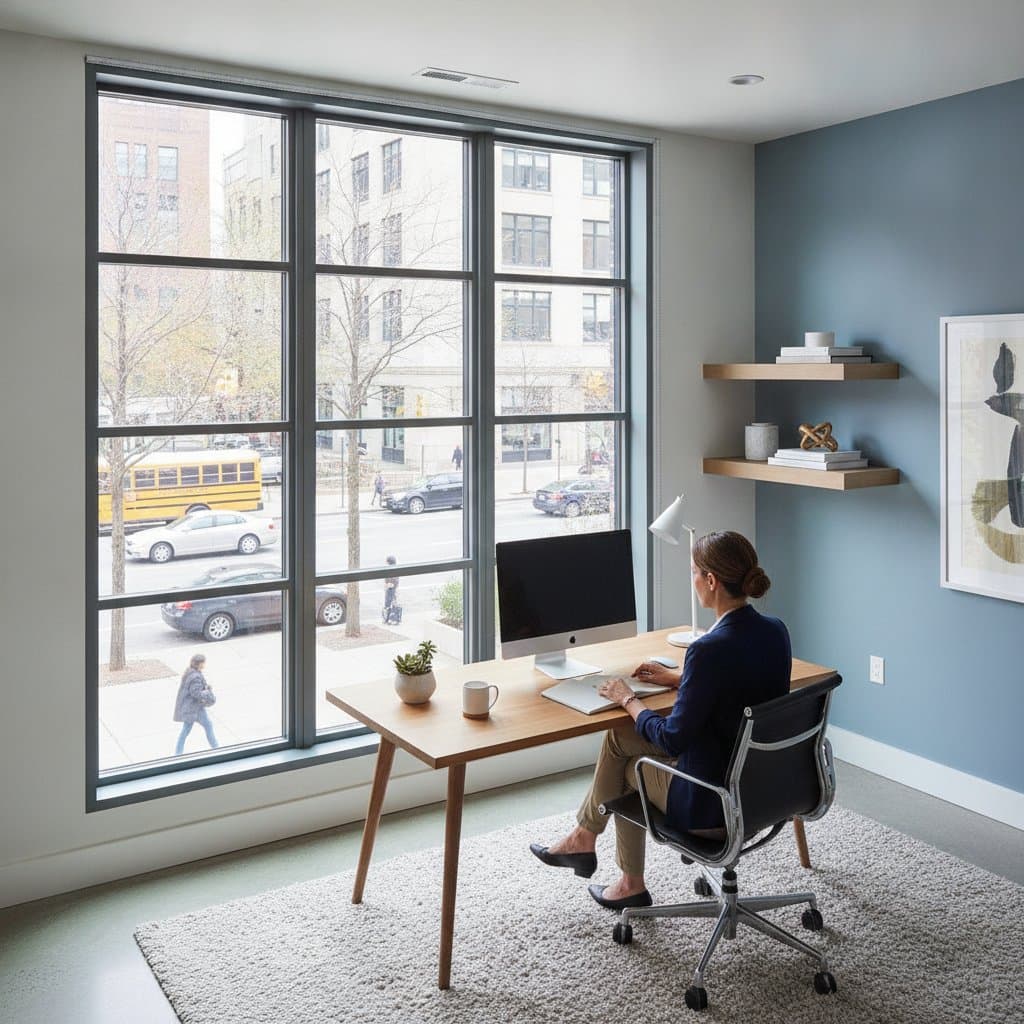
Urban noise poses a constant challenge for residents in crowded areas. Traffic rumble, neighborhood sounds, and distant construction often interfere with rest and focus. Acoustic windows address this issue effectively by reducing external noise by up to 85 percent. These windows incorporate advanced laminated glass to create peaceful interiors while preserving a refined exterior appearance.
Homeowners benefit from this technology in multiple ways. It improves sleep quality and productivity without compromising aesthetics. The combination of sound dampening and visual appeal makes acoustic windows a practical choice for contemporary residences.
Three Approaches to Acoustic Window Installation
Selecting the right acoustic windows depends on budget, performance needs, and design preferences. The following options provide varying levels of noise reduction and features, allowing customization for different home styles.
Budget-Friendly Option ($2,000 to $4,000)
- Install double-pane insulated glass units with an acoustic interlayer. This setup targets low-frequency noises like engine hums and effectively maintains indoor temperatures.
- Select vinyl or fiberglass frames for affordability and durability. These materials withstand weather changes and demand little ongoing care.
- Invest in high-quality weatherstripping and professional installation. Such measures seal edges tightly, preventing sound infiltration through small openings.
Mid-Range Option ($5,000 to $8,000)
- Choose laminated acoustic glass with a vibration-dampening core. This layer absorbs sound waves more efficiently than standard glass.
- Pair with composite or aluminum-clad wood frames to boost strength and insulation. These frames resist warping and enhance overall window longevity.
- Incorporate tilt-and-turn mechanisms for superior airtightness. Add acoustic seals and multi-point locks to improve both noise blocking and home security.
Premium Option ($9,000 to $15,000)
- Use triple-glazed laminated units with varying glass thicknesses. This configuration blocks a broad spectrum of sounds, from traffic to heavy machinery.
- Combine with custom wood or thermally broken aluminum frames. These provide premium visuals and superior thermal performance over time.
- Apply smart glass coatings that manage heat gain while keeping views clear. Although the initial cost is higher, these features yield significant energy reductions and exceptional quietness.
Guide to Materials and Finishes
Choosing complementary materials ensures that acoustic windows integrate seamlessly with existing home features. Focus on durability, style, and functional harmony.
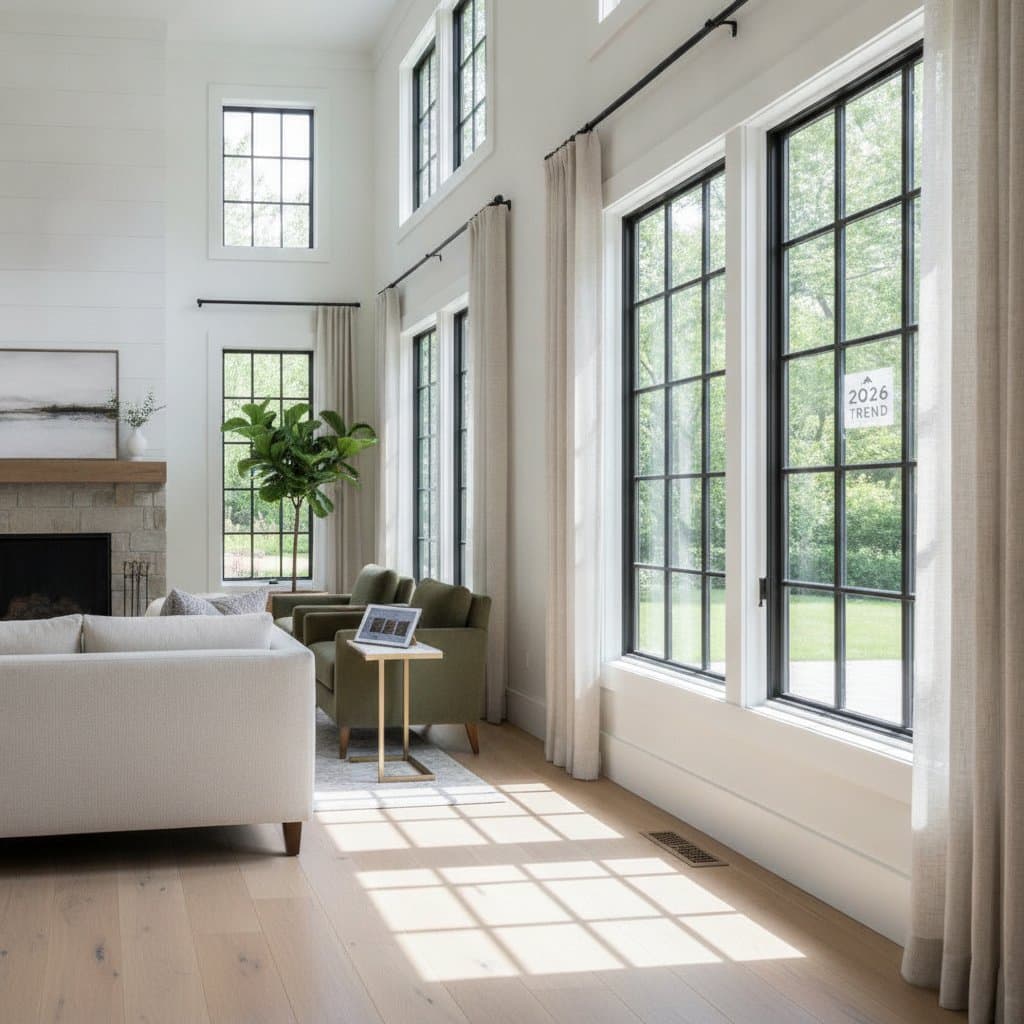
- Window Frames: Black or bronze finishes suit modern and industrial aesthetics. For classic homes, opt for painted wood in neutral tones like soft white or light gray. Select hardware in brushed nickel or matte black for a cohesive, understated elegance.
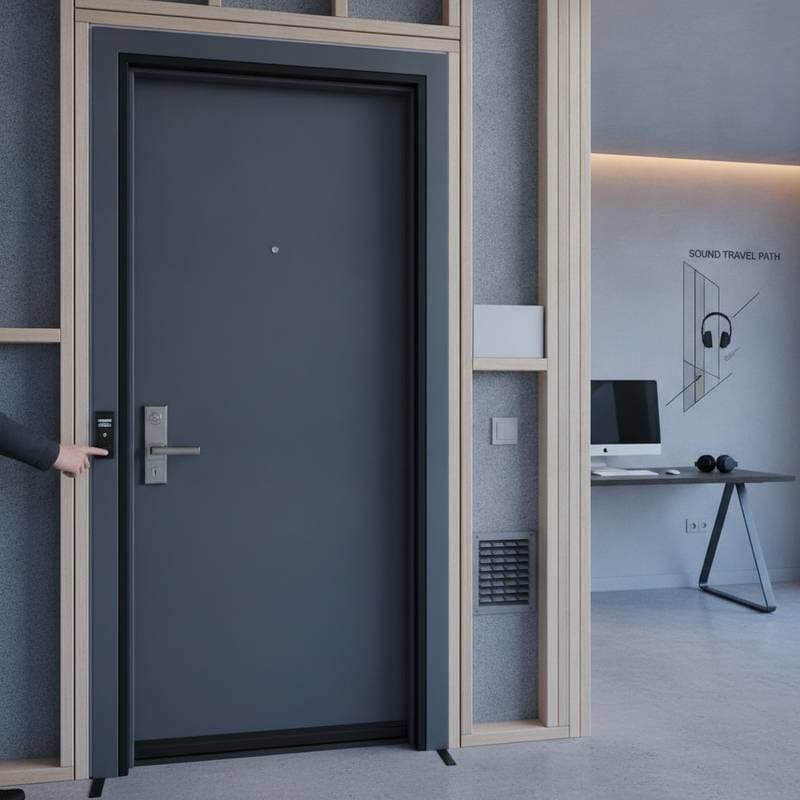
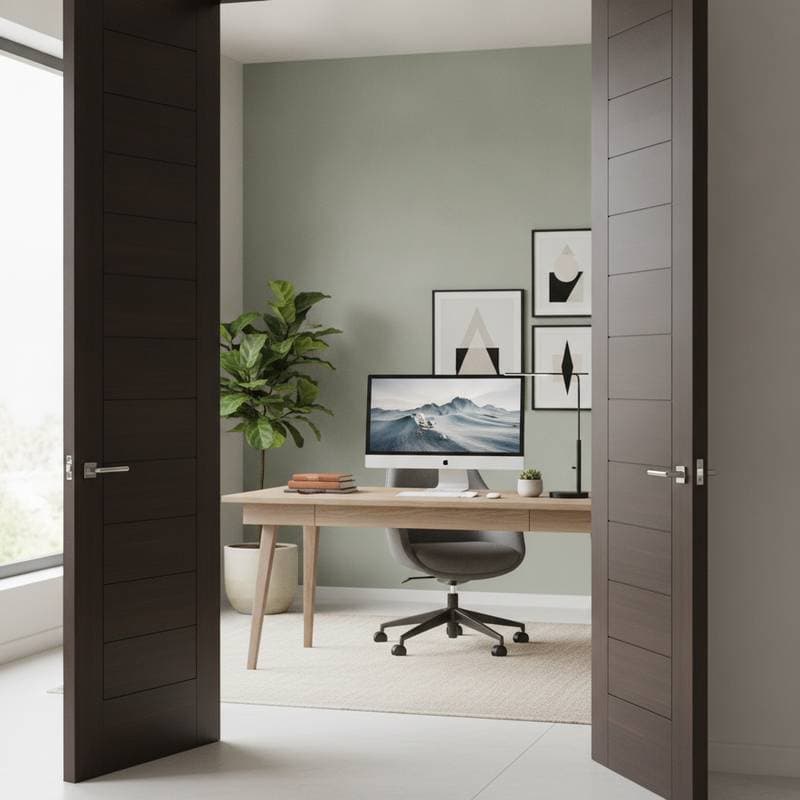
- Doors: Complement windows with solid-core doors that include laminated glass panels. Full-glass doors with acoustic inserts allow natural light to enter while preserving sound isolation.
- Siding Materials: Fiber cement or engineered wood siding aligns well with the clean profiles of acoustic windows. Smooth or subtle textures create a streamlined exterior without overwhelming the design.
- Trim and Details: Employ slim trim profiles and matching metal accents for unity. Align window grids or muntins with door hardware to achieve balanced proportions across the facade.
These selections not only support acoustic performance but also elevate the home's overall curb appeal.
Essential Maintenance Practices
Acoustic windows demand less maintenance than older single-pane varieties. Regular cleaning with mild, non-abrasive solutions keeps glass surfaces pristine and functional.
Inspect seals biannually to confirm the integrity of the acoustic layers. Aluminum and fiberglass frames endure for years with simple rinsing, while wood frames require occasional sealing to guard against moisture.
Installation quality determines long-term success. Premium windows underperform if fitted poorly. Ensure contractors apply acoustic-rated foam and sealants to eliminate potential sound pathways.
Common Pitfalls to Avoid
Several errors can undermine the effectiveness of acoustic windows. Addressing them upfront leads to better results.
- Mismatched Frame Materials: Different expansion rates among materials create gaps over time. Maintain consistency in frame choices throughout the exterior to sustain performance.
- Neglected Ventilation: Complete sealing risks moisture buildup indoors. Integrate trickle vents or operable sections that allow air circulation while minimizing noise entry.
- Subpar Installation Choices: Economizing on labor often leads to diminished benefits. Engage certified installers familiar with acoustic specifications to maximize noise reduction.
By steering clear of these issues, homeowners secure reliable, long-lasting quiet.
Coordinating Colors and Styles
Visual harmony enhances the serene environmentwindows. Thoughtful color choices tie the installation to the home's architecture.
- Charcoal Black: Provides bold contrast ideal for sleek, minimalist designs.
- Warm Taupe: Offers versatile neutrality that works with stone or brick elements.
- Coastal White: Reflects light effectively for bright, enduring exteriors.
- Iron Gray: Delivers elegance suitable for diverse architectural styles.
- Natural Oak: Introduces organic warmth alongside the transparency of laminated glass.
These palettes adapt to various siding types, fostering a tranquil yet inviting street presence.
Checklist for Planning and Photography
Thorough preparation streamlines the selection process. Document key aspects of the property to inform decisions.
- Photograph the exterior from various angles to evaluate scale and lighting impacts.
- Catalog current features such as trim, roofing, and entry elements.
- Consult local design standards or community rules for compliance.
- Assess local weather patterns to select resilient materials.
- Outline financial limits and prioritize areas like sleeping quarters or workspaces for noise control.
This systematic approach ensures the project aligns with practical and aesthetic goals.
Achieving Lasting Serenity and Style
Acoustic windows extend beyond mere noise control. They deliver a comprehensive upgrade that fosters tranquility, aesthetic refinement, and operational efficiency. Homeowners pursuing partial updates or comprehensive replacements find substantial improvements in daily comfort. This investment transforms urban challenges into opportunities for enhanced living.