
Urban Noise Reduced by 85 Percent: Acoustic Windows for 2025
City environments provide excitement, diversity, and ease of access, but they often include relentless noise from vehicles, building projects, and evening activities. This persistent sound can make indoor spaces feel overwhelming. The latest acoustic windows address this issue effectively. These windows feature enhanced frame constructions, layered glass, and superior sealing mechanisms to block up to 85 percent of outside noise. Homeowners gain serene interiors that maintain a sense of connection to the surrounding urban pulse.
Three Strategies for Implementation
Budget Strategy (1,500 to 4,000 Dollars)
- Select double-pane windows equipped with a laminated inner glass pane designed to absorb mid-range sounds, such as conversations and vehicle motors.
- Opt for vinyl or composite frames integrated with foam seals to deliver reliable results at a lower cost.
- Prioritize replacements in high-need areas like sleeping quarters or workspaces to maximize immediate benefits.
Intermediate Strategy (4,000 to 9,000 Dollars)
- Advance to triple-pane acoustic windows that incorporate glass layers of different thicknesses to neutralize a broader spectrum of sound frequencies.
- Choose fiberglass frames, which withstand environmental stresses and preserve secure seals over extended periods.
- Incorporate compression gaskets along with specialized acoustic sealants to enhance overall sound barriers.
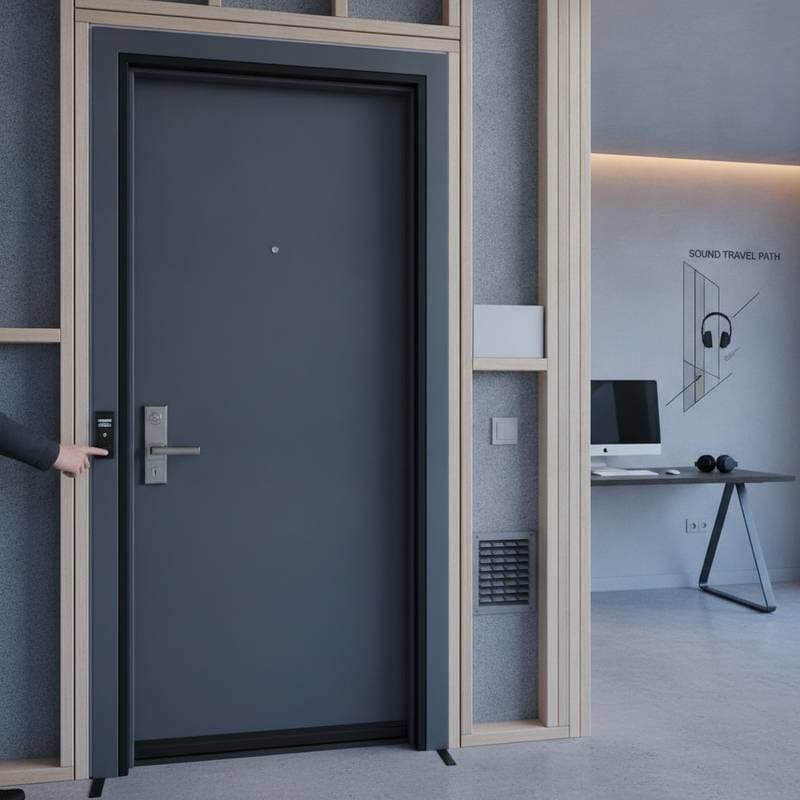
- Pair these with complementary acoustic doors to achieve uniform noise reduction and visual harmony across the residence.
Premium Strategy (9,000 to 20,000 Dollars)
- Deploy high-end architectural acoustic setups featuring laminated glass, argon gas-filled spaces, and meticulously crafted seals.
- Combine with thermally broken aluminum frames that offer durability, thermal performance, and reduced upkeep demands.
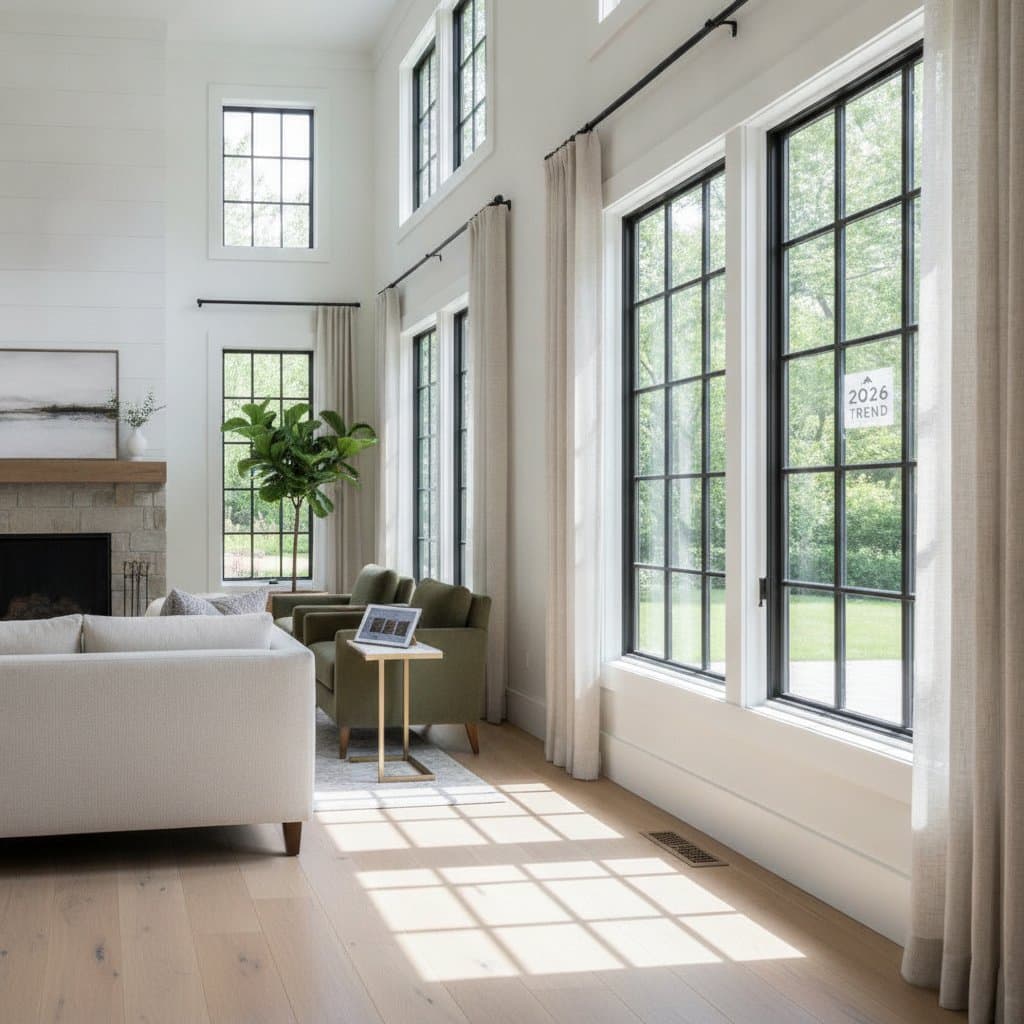
- Customize frame surfaces, including options like matte black or anodized bronze, to improve external aesthetics.
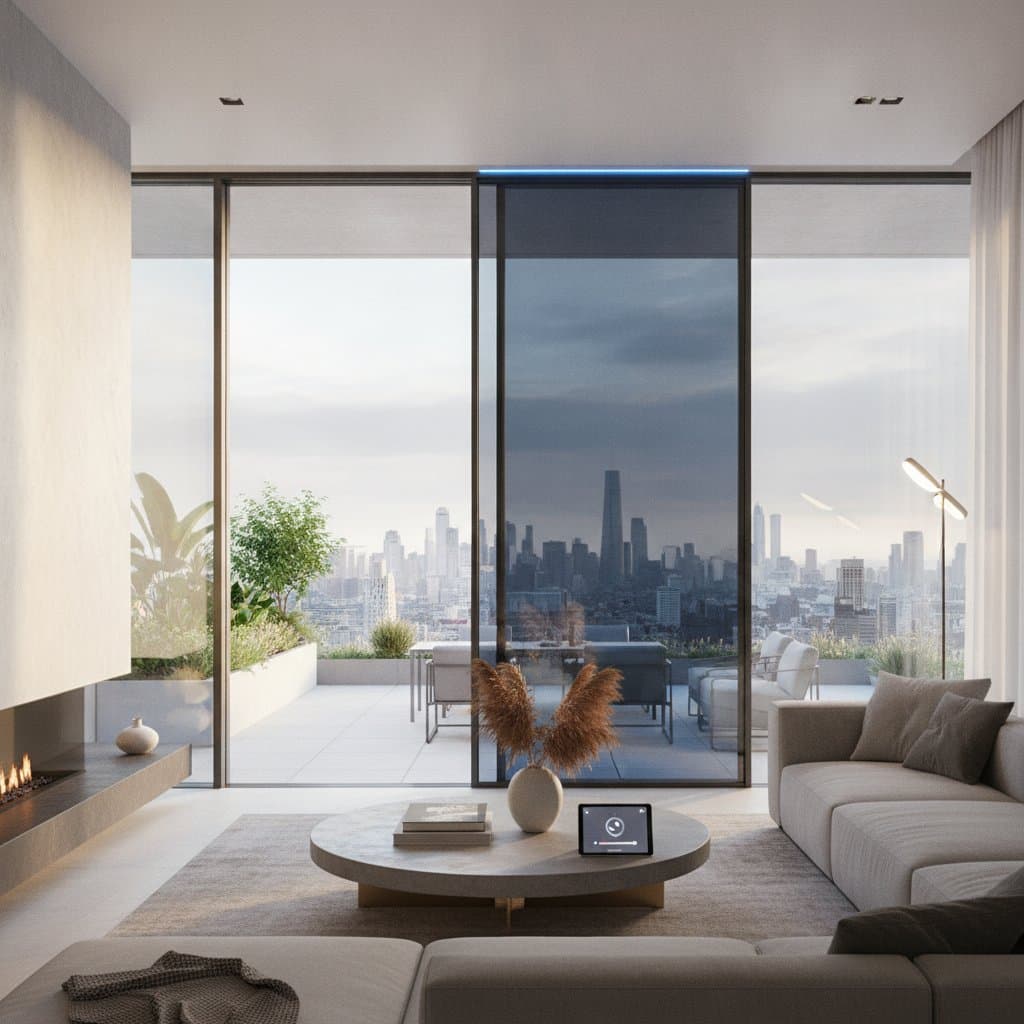
- Explore smart glass features that dynamically modify tint levels and insulation properties for peak indoor conditions.
Guide to Materials and Finishes
For windows, seek models certified with Sound Transmission Class ratings exceeding 45 to ensure effective noise control. Popular frame colors include matte black, dark bronze, and subtle gray for contemporary or industrial settings; crisp white or almond shades pair well with classic facades.
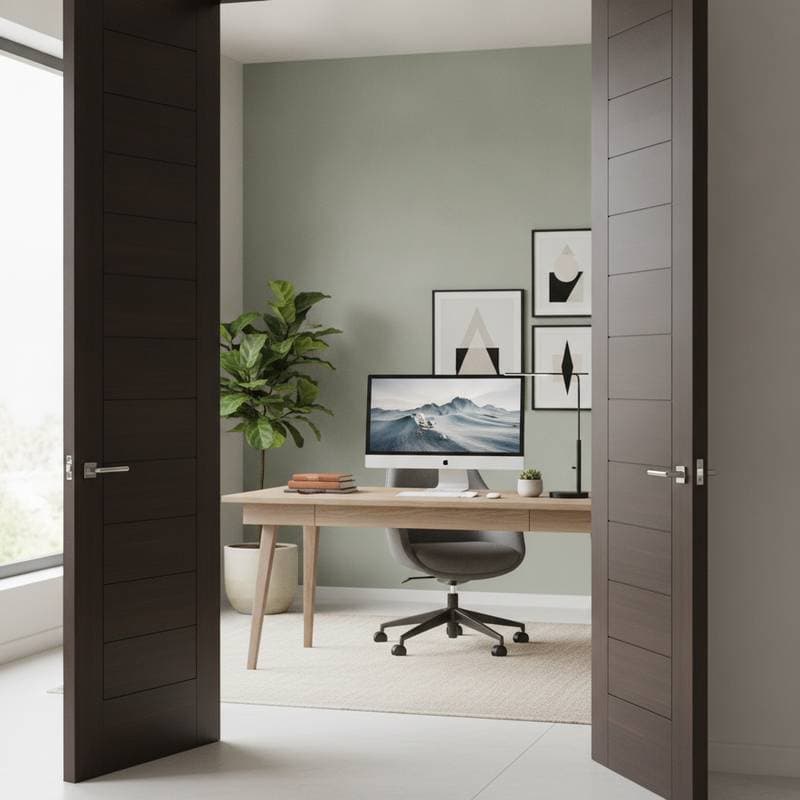
Doors require solid-core constructions or those with laminated glass and multiple sealing layers for seamless sound management. Modern designs with slim profiles fit urban layouts, while fiberglass doors mimicking wood add inviting textures.
Siding options such as fiber cement or insulated vinyl contribute to sound dampening. These choices also endure weather exposure without color loss. Horizontal lap siding in smooth finishes, accented by metal or stone elements, creates a cohesive urban appearance.
Trim and hardware complete the ensemble. Employ broad trim around window edges for a polished effect. In sleek modern homes, use minimal trim matching frame hues. Select brushed nickel or matte black fittings to unify the overall design.
Essential Maintenance Practices
Acoustic windows demand minimal ongoing care compared to traditional varieties. Laminated glass surfaces clean easily with standard methods and resist damage. Schedule yearly checks on seals to detect potential air intrusions that could compromise effectiveness.
Vinyl and fiberglass frames benefit from routine washing with mild solutions. Aluminum frames may require gentle detergents to clear city residue. Steer clear of abrasive chemicals that might harm rubber components. Visible condensation between glass layers indicates seal failure; address it swiftly to sustain acoustic and thermal qualities.
Common Pitfalls to Avoid
Selecting ordinary glass for high-noise zones proves insufficient against urban clamor. Verify acoustic specifications prior to any purchase to guarantee suitability.
Overlooking frame integrity undermines even superior glass performance. Focus on materials that provide airtight seals and robust thermal barriers.
Neglecting coordination with walls and doors allows sound leakage through untreated areas. Integrate insulation enhancements and door modifications for comprehensive protection.
Bypassing expert installation introduces gaps that diminish noise reduction. Engage certified professionals experienced in acoustic applications to ensure precision.
Coordinating Colors and Styles
A soundproofed home supports striking visual elements. Contemporary exterior schemes blend neutral bases with bold frame accents. Consider these curated pairings for harmonious results:
- Charcoal gray siding with matte black frames and warm cedar doors to evoke an industrial urban vibe.
- Soft white siding paired with light gray frames and navy doors for coastal or transitional aesthetics.
- Beige fiber cement siding, dark bronze frames, and walnut doors for enduring elegance.
- Cool concrete siding tones, silver frames, and natural oak details for minimalist expressions.
These combinations balance functional noise control with appealing exteriors, enabling residents to embrace quietude alongside stylish presence.
Pre-Installation Documentation Checklist
Capture the existing exterior thoroughly before committing to acoustic window upgrades:
- Photograph from various perspectives, capturing street views and elevated sections.
- Document key architectural features, including trim dimensions, window divisions, and roof alignments.
- Observe prevailing neighborhood designs to align upgrades with local character.
- Review municipal guidelines on frame hues or glass reflections to comply with regulations.
- Outline financial allocations, pinpointing priority zones for sound mitigation.
Such records inform selections, facilitate contractor consultations, and serve as baselines for post-project evaluations.
Factoring in Climate and Durability
Prioritize longevity alongside acoustic benefits. In warmer regions, apply low-emissivity coatings to deflect solar heat without sacrificing sound isolation. Colder areas gain from triple-pane designs that retain indoor warmth and minimize moisture buildup.
Coastal properties need marine-grade components and corrosion-resistant coatings to combat salt exposure. Consistent cleaning routines and seal assessments prolong system lifespan, preserving both auditory and energy efficiencies over time.
Tailoring for Individual Needs
In crowded city settings, tranquility emerges as a premium asset, yet acoustic windows render it accessible. Whether targeting a single area or overhauling an entire frontage, success lies in harmonizing efficacy, aesthetics, and expenditure.
Align frame shades with siding palettes, select seals and glass configurations suited to local conditions, and oversee installation with precision. These steps yield interiors conducive to relaxation, focus, and amplified appreciation of urban surroundings. Ultimately, acoustic windows deliver up to 85 percent noise reduction while reshaping the essence of city dwelling.