Acoustic Windows: Achieving 85 Percent Noise Reduction in Urban Settings
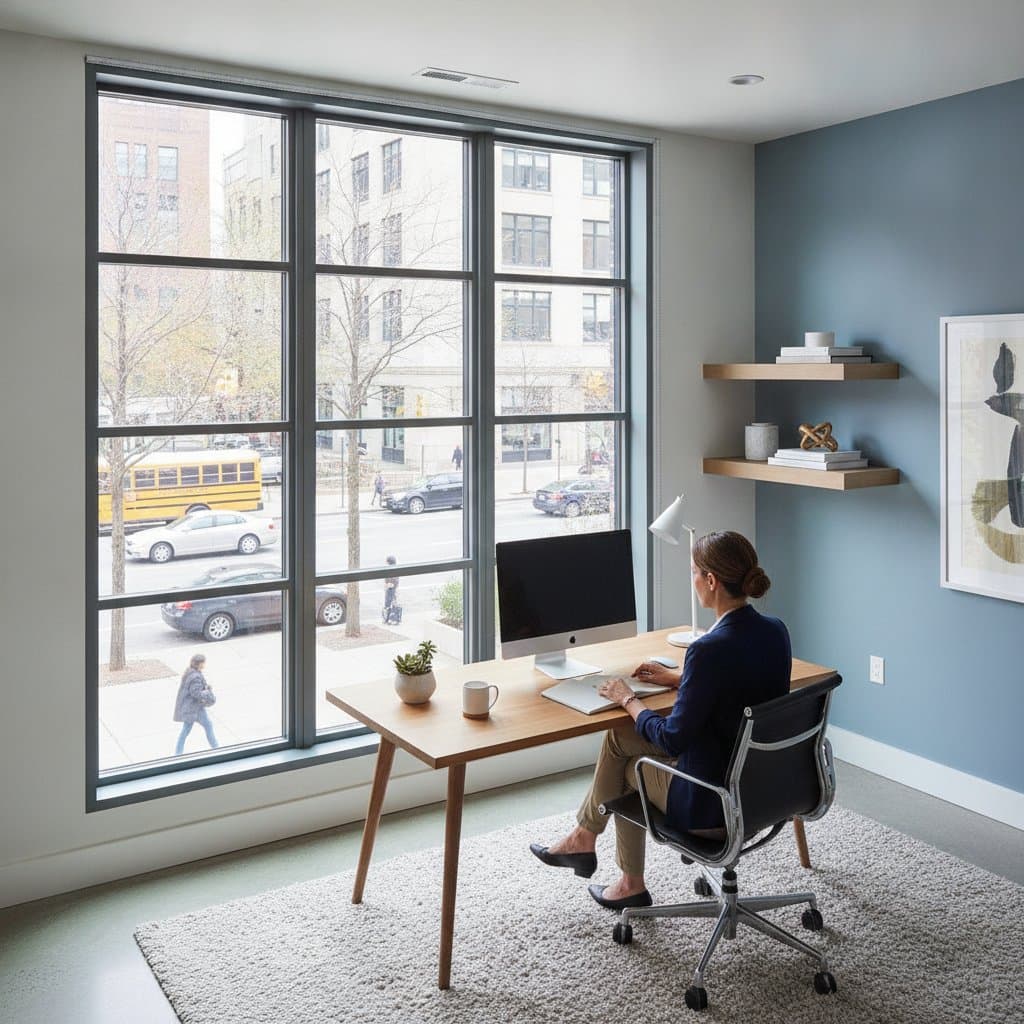
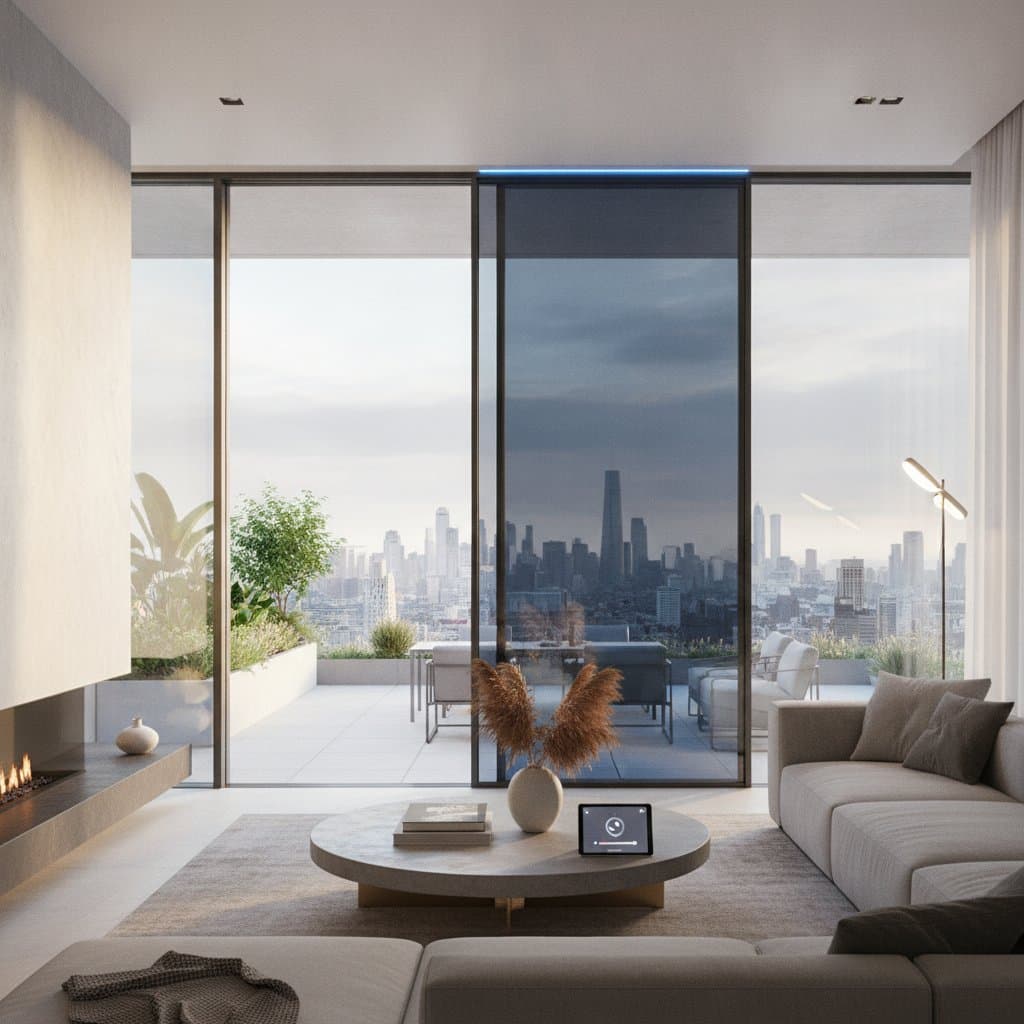
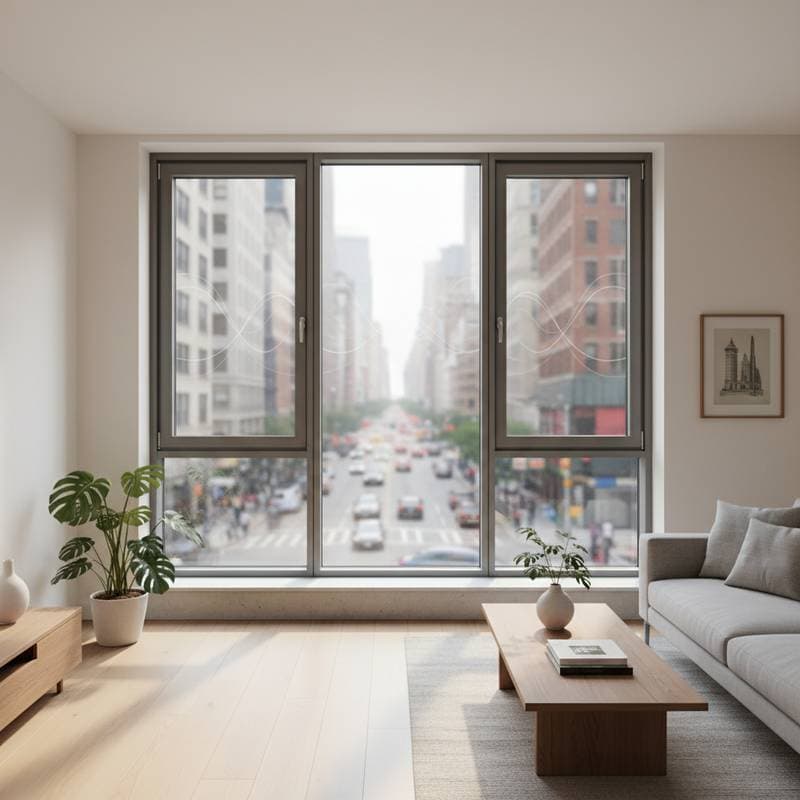
Urban environments offer vitality, accessibility, and diversity, yet they introduce persistent auditory disturbances. Vehicle traffic, nighttime disturbances, and building activities create ongoing challenges. Homeowners seeking tranquility without relocating find acoustic windows provide an effective, stylish remedy. These windows employ advanced glazing techniques alongside elegant framing to diminish external sounds by up to 85 percent, all while admitting ample daylight and preserving outward views.
Contemporary trends emphasize serene indoor spaces, influencing facade selections. Acoustic windows align with sustainable, comfort-oriented building practices. They function as functional enhancements and visual focal points, merging innovation with adaptable styling for residences that exude composure.
How Acoustic Windows Enhance Urban Facades
Acoustic glazing features multiple layers of glass divided by vibration-absorbing materials. This configuration disrupts sound propagation into living areas. Frames constructed from insulating composites minimize resonances and eliminate drafts. Consequently, these windows deliver transparent sightlines paired with substantial auditory isolation.
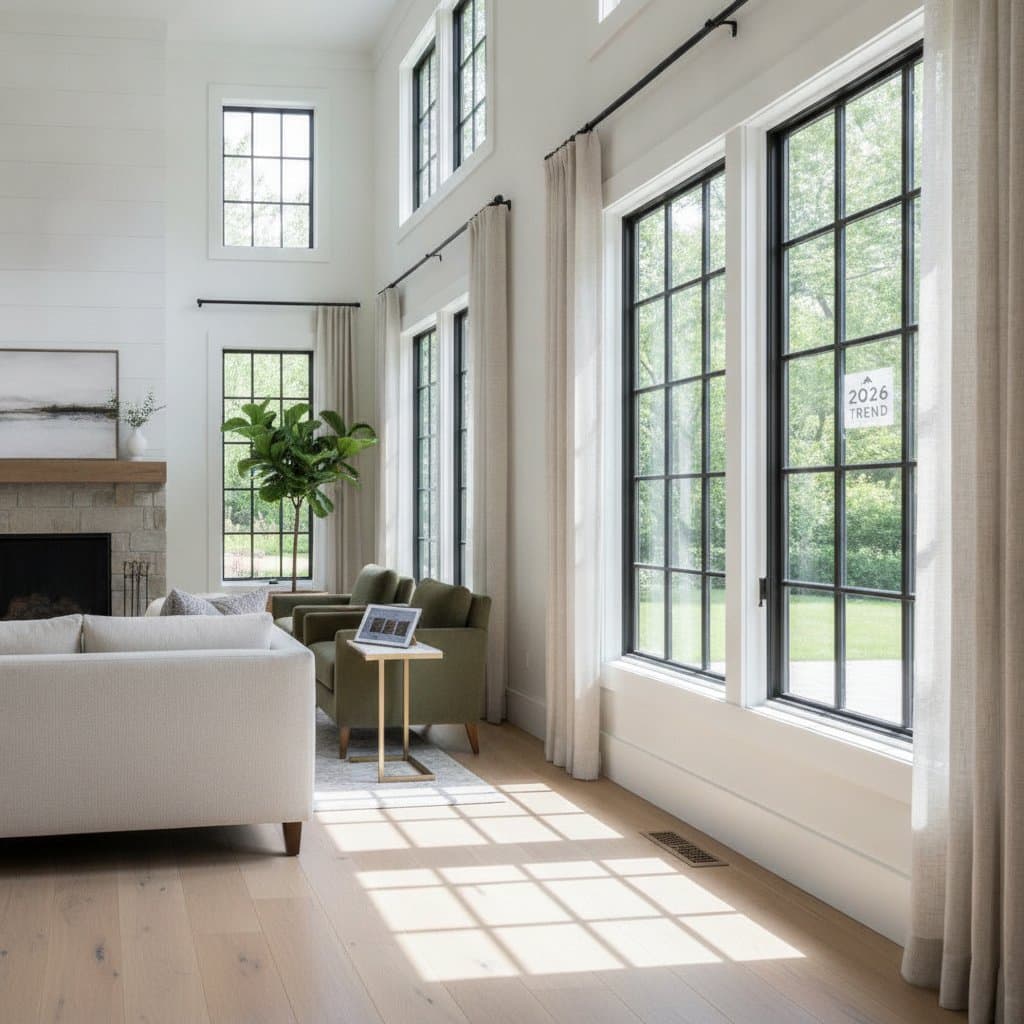
Such systems also elevate thermal efficiency, curbing energy escape and fostering economical operation. During comprehensive exterior overhauls, acoustic variants yield tangible and ornamental benefits. Sleek profiles, dark or metallic coatings, and broad glazing surfaces harmonize with contemporary and hybrid architectural styles.
Strategies for Implementation
Budget-Conscious Option (4000 to 7000 Dollars)
- Material Recommendations: Select vinyl-framed acoustic windows equipped with double glazing and sound-laminating layers for reliable isolation at modest expense. Opt for white or subdued hues that integrate seamlessly with current cladding.
- Expense-Reduction Methods: Focus replacements on noise-exposed elevations or high-impact rooms. Retain original moldings during fitting to lower labor charges.
- Key Investment Areas: Prioritize superior weatherstripping and barriers. These components safeguard against breaches that undermine acoustic efficacy.
Moderate Investment Option (8000 to 14000 Dollars)
- Material Balance: Fiberglass casings with triple-glazed acoustic units ensure robust function and longevity. These resist distortion and discoloration, suiting variable weather patterns.
- Essential Enhancements: Choose units verified by independent testing for sound attenuation. Favor designs with hidden mechanisms to sustain streamlined exteriors.
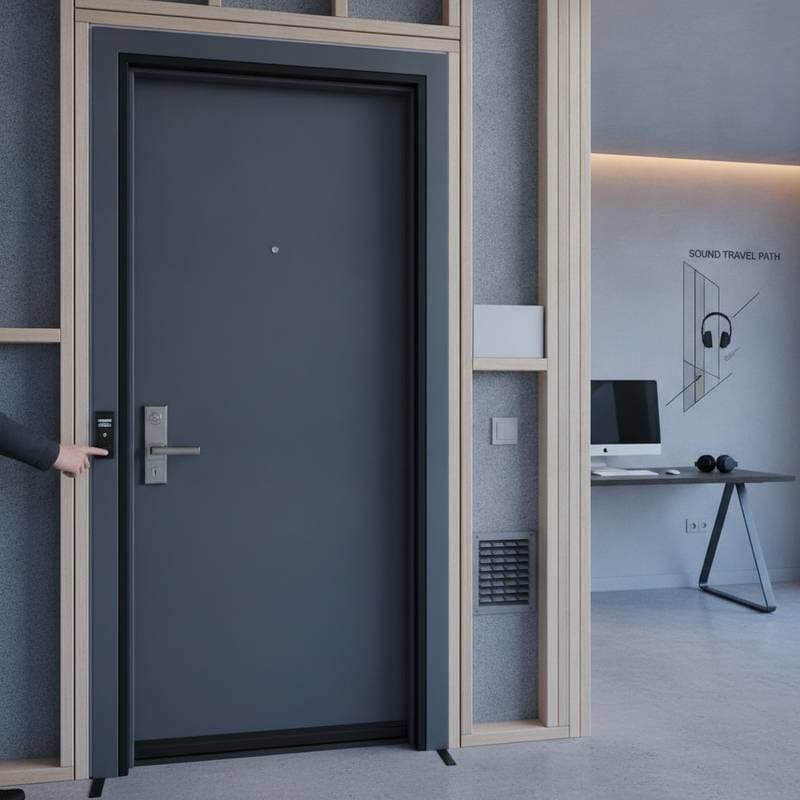
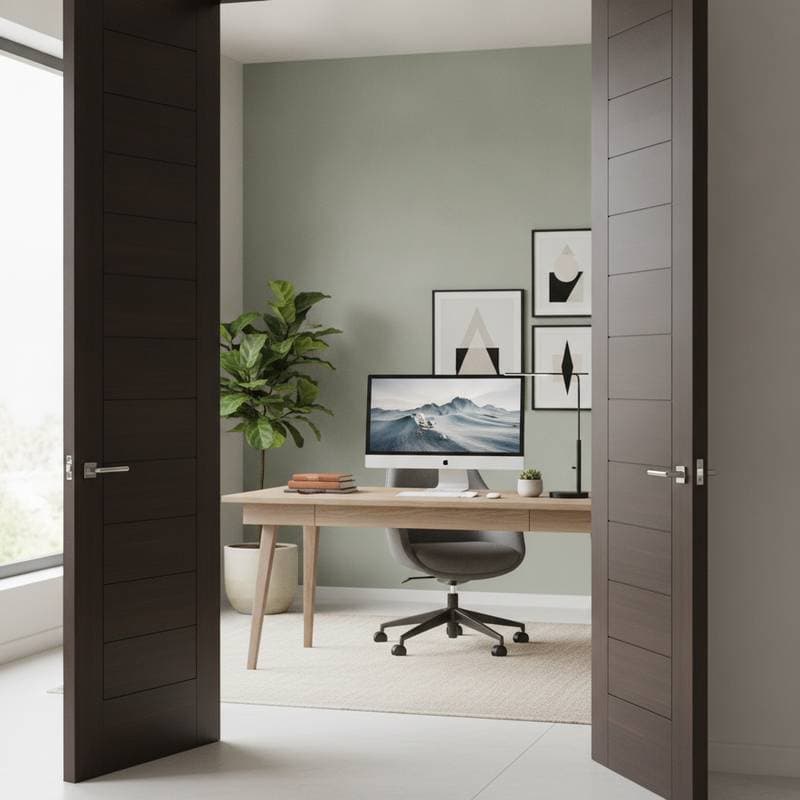
- Valuable Additions: Integrate sound-resistant windows with dense interior doors and sealed overhead entries for unified auditory shielding. This strategy amplifies livability and market attractiveness.
Premium Investment Option (15000 to 28000 Dollars)
- Elite Material Selections: Aluminum-sheathed timber or bespoke steel surrounds combined with layered acoustic glazing achieve peak isolation and opulent form. These complement progressive or utilitarian frontages.
- Sophisticated Features: Incorporate tailored muntins, slim profiles, and embedded shading for refined execution.
- Sustained Benefits: High-caliber units typically include prolonged guarantees and superior efficiency metrics, deferring upkeep expenses. Their polished exteriors boost standing in dense housing markets.
Guide to Materials and Finishes
- Window Specifications: Pursue laminated glazing attaining a sound transmission class rating of 40 or above for optimal blocking. Charcoal or copper-toned frames enhance modern shells, whereas muted silvers and creams align with heritage or seaside motifs.
- Door Complements: Pair with solid or rated doors to reinforce the system. Match casings and surrounds for unity; etched panels admit illumination while securing seclusion.
- Cladding Choices: Smooth cement composites or synthetic timber maintain crisp contours. Patterned synthetics replicate natural textures with reduced care. Layered horizontal panels with framed openings add depth.
- Detailing Elements: Subtle borders in harmonious or offset shades accentuate acoustic installations. Satin or dulled dark fixtures ensure uniformity. For forward-looking designs, slender edges accentuate height.
Essential Maintenance Practices
Acoustic windows demand upkeep comparable to conventional insulated assemblies, with efficacy tied to routine attention. Clear channels and barriers regularly to avert infiltration. Examine sealants yearly to sustain barriers. Laminated panels endure impacts, but employ gentle cleaners to retain transparency.
Composite and coated frames require little intervention, unlike timber exteriors needing occasional restoration against elements. In moist locales, monitor for interlayer moisture signaling barrier compromise. Swift seal renewal upholds auditory and insulating qualities.
Cladding like cement boards and synthetics offers ease alongside acoustic pairings. Coated timber demands vigilance but imparts distinctive appeal when tended.
Common Pitfalls to Sidestep
- Style Mismatches: Placing stark contemporary dark-rimmed units on heritage masonry disrupts harmony. Select tonalities that echo the structure, like shadowed metals for earthy bases or pale shades for timeless fronts.
- Frame Oversights: Superior glazing falters in inadequately insulated housings. Pair with casings engineered for acoustic integrity.
- Airflow Neglect: Tight seals block sounds but restrict circulation. Incorporate powered systems or vented sections for healthy interiors.
- Installation Shortcuts: Premium products underperform with sloppy fitting. Engage accredited specialists versed in auditory specifics, from adhesives to alignments.
Harmonizing Tones and Aesthetics
Unified schemes amplify allure and acoustic integration. Consider this versatile exterior arrangement adaptable to diverse forms.
Recommended Scheme:
- Frame Colors: Slate Gray or Rich Copper
- Cladding Foundation: Neutral Beige or Soft Ivory
- Border Shades: Warm Sand or Subdued Charcoal
- Entry Highlight: Forest Green or Indigo Blue
- Fixture Textures: Polished Silver or Oxidized Iron
This array provides definition without intensity. Bold frames draw attention to panes, while restrained bases promote equilibrium. In verdant settings, temperate hues spotlight foliage.
Project Preparation Essentials
Compile these elements prior to procurement to inform choices and prevent errors.
Preparation Inventory
- Exterior images capturing varied perspectives
- Style descriptions and preserved motifs
- Local guidelines influencing hues and profiles
- Regional weather profiles for material compatibility
- Financial limits and focal upgrade zones
Such records enable alignment among specialists on selections, coatings, and timelines, distinguishing visual from functional priorities.
Benefits Beyond Silence
Tranquil residences foster restoration and concentration. Acoustic windows support this ambiance through architectural polish. Their precise edges, generous areas, and faint hues refine contemporary shells unobtrusively.
Market-wise, auditory mitigation gains favor among city purchasers. Properties offering inward peace amid external clamor differentiate themselves. Aligning with cladding and portal enhancements produces polished, desirable outcomes denoting care and foresight.
Incorporating into Comprehensive Facelifts
Homeowners often embed acoustic windows within expansive renewals. Coupling with thermal portals, refreshed sheathing, and aligned details maximizes outcomes.
- Rustic Modern Blends: Dark-rimmed acoustics with paneled whites. Introduce timber portals for texture.
- Seaside Modern Variants: Silvered frames against azure or cream bases. Select salt-proof fittings for resilience.
- Utilitarian Edges: Dulled iron units with ebony composites. Accent with raw stone or alloy for dimension.
These pairings weave technology into prevailing motifs seamlessly.
Adapting to Local Conditions
Auditory dynamics and material endurance vary by locale.
- Warm Zones: Pale frames and mirroring coatings limit solar intake. Synthetics endure thermal shifts.
- Chilly Districts: Absorbent darks aid warmth. Multi-layered units deter icing.
- Marine Environments: Sheathed or blended frames counter brine. Layered panels bolster storm resistance.
- Dense Core Zones: Elevated ratings counter bass rumbles from transit.
Tailoring to surroundings sustains year-long performance.
Climate-Specific Upkeep
Locales pose distinct demands; vigilant checks preserve integrity.
- Damp Areas: Remove pane moisture; deploy dryers for barriers.
- Arid Spots: Inspect sun damage on surfaces; renew shields periodically.
- Frosty Regions: Remove accumulations near bases to bar dampness.
- Briny Coasts: Monthly rinses clear residues to halt decay.
These routines ensure enduring clarity and quietude.
Collaborating with Experts
Precision fitting defines acoustic success. Seek installers experienced in rated assemblies, with portfolios of prior work. Inquire on anchoring, adhesives, and verification methods.
For integrated projects, synchronize trades. Fit windows pre-sheathing for optimal barriers. In regulated zones, secure clearances before bespoke orders.
Financial Strategy and Value Recovery
Auditory improvements appear indulgent but yield quantifiable gains. They enhance barriers, trim expenses, and elevate appeal.
Budget-limited owners benefit from phased targeting of loudest sectors. Subsequent expansions complete the shift.
Elevated tiers refine daily ease and enduring market edge, recouping via efficiencies and desirability.
Realizing Urban Serenity
Acoustic windows reshape metropolitan existence. They fuse elegance with hush, crafting refuges from clamor.
This approach transcends quietude, embracing equilibrium, skill, and spaces that cultivate peace while honoring identity.