Wood Grilles: Defining Japandi Entryways in 2025
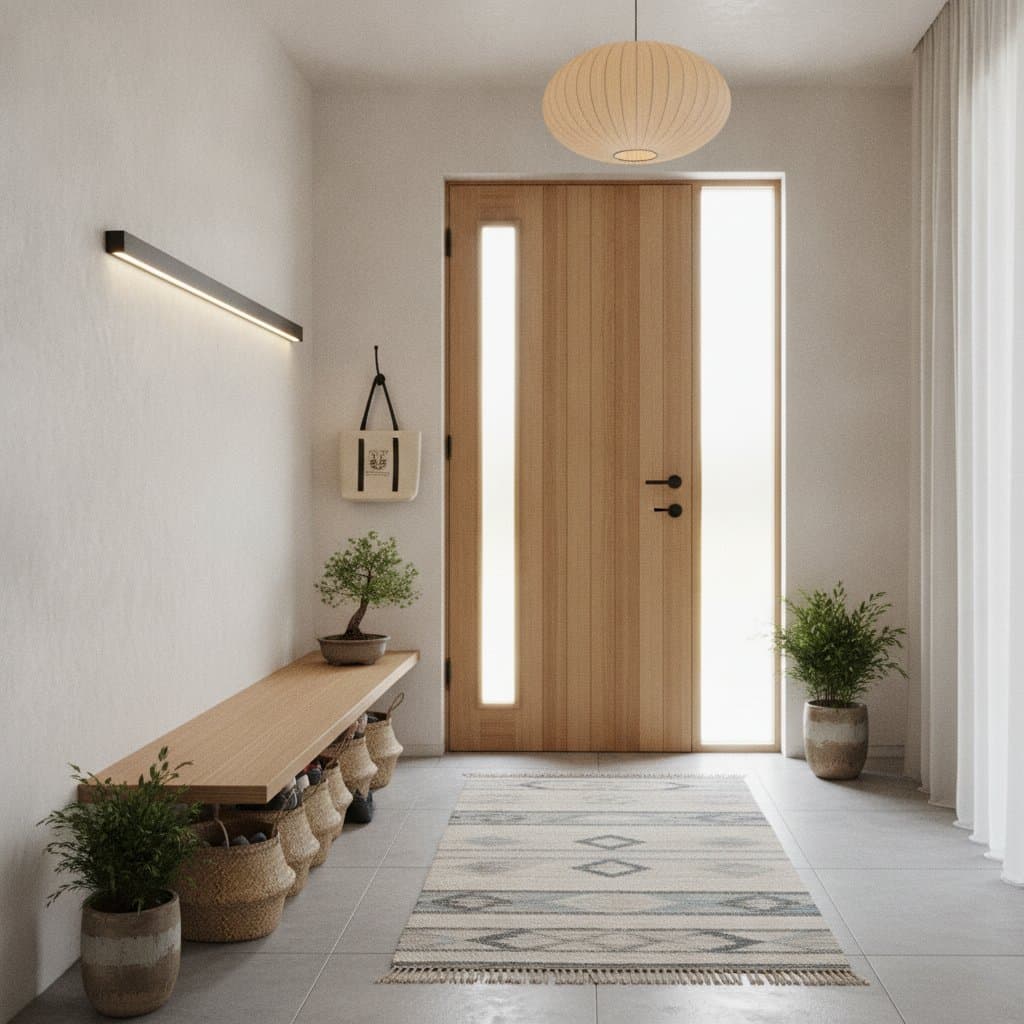
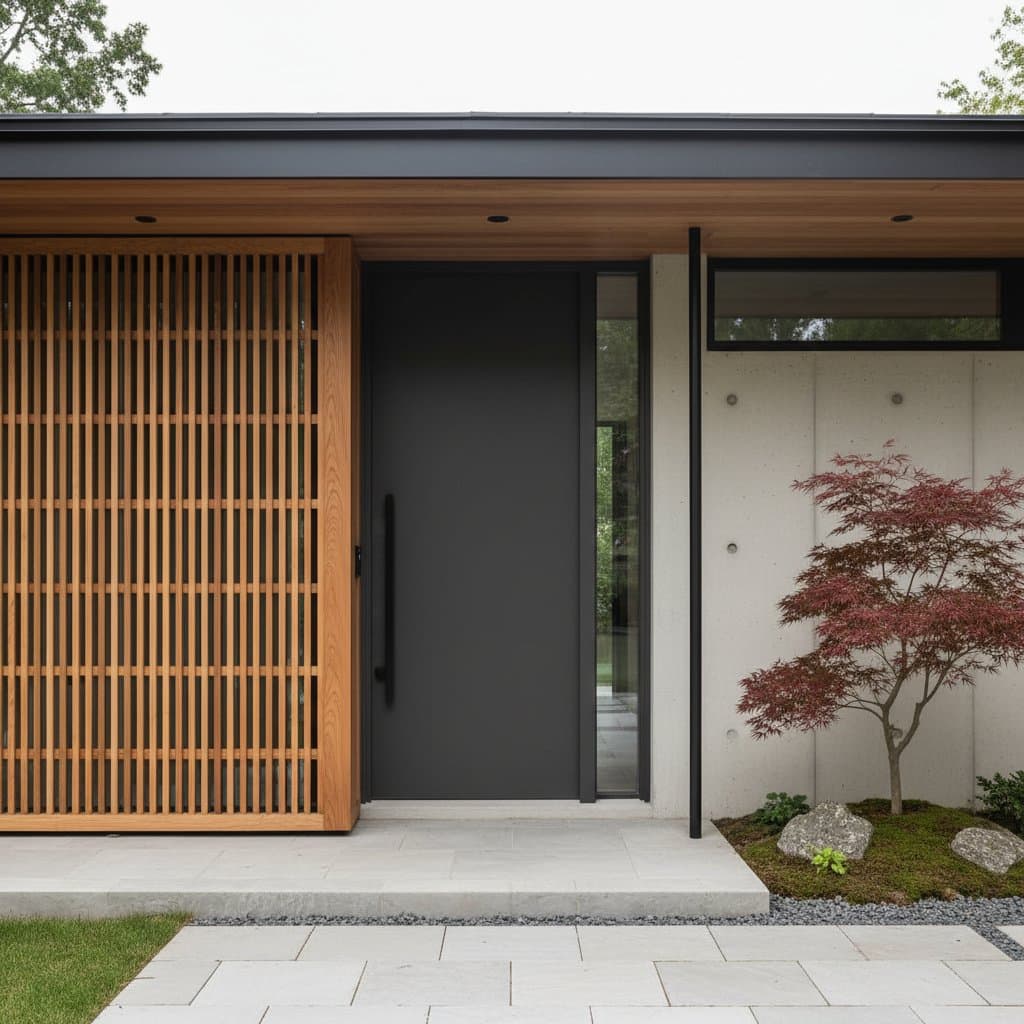
Wood grilles emerge as a core element in Japandi design, which fuses Scandinavian restraint with Japanese poise. This approach emphasizes equilibrium between natural warmth and precise minimalism. In entryways, wood grilles provide structure, modulate light, and add subtle texture, converting transitional areas into serene havens. They serve dual roles as practical features and artistic anchors, enhancing spatial flow.
The style's allure stems from its understated elegance. Vertical or horizontal slats soften light while establishing rhythmic patterns. These elements delineate spaces without enclosure, yielding an organized yet inviting atmosphere. Residents appreciate this equilibrium, as it cultivates a sense of tranquility upon arrival. The focus rests on purposeful design rather than adornment, where each line contributes to overall harmony.
This aesthetic integrates seamlessly with diverse architectures, from modern to traditional. Wood's inherent warmth paired with geometric clarity fosters unity. The outcome is an exterior that conveys modernity, nature, and permanence.
Three Approaches to Achieve the Look
Budget Option ($3,000 - $6,000)
- Select prefinished pine or engineered wood grilles for doors and sidelights.
- Install modular panels on existing frames to bypass major alterations.
- Concentrate resources on one focal point, like the primary door, with minimal facade changes.
This method suits those seeking enhancement without disruption. Prefinished options install quickly and replicate bespoke quality affordably. Light oak or ash in matte finishes preserves an organic, luminous quality.
Mid-Range Option ($7,000 - $12,000)
- Pair solid wood doors with built-in vertical slats or grille inserts.
- Incorporate coordinating panels on adjacent windows for continuity.
- Include energy-efficient glass and durable coatings.
This tier merges aesthetics with performance. Funds support resilient materials that enhance insulation. Repeating the grille pattern across surfaces builds visual cadence. Mid-toned woods like white oak or maple introduce warmth without density.
Premium Option ($13,000 - $25,000)
- Order custom grilles in teak, walnut, or cedar using exact joinery.
- Integrate concealed hardware and lighting for fluid integration.
- Expand to pergolas, screens, or gates in matching style.
Here, superior workmanship elevates the entry. Grilles frame the approach as architectural highlights. Selected woods develop patina gracefully, offering sustained value in resilience and allure.
Materials and Finishes Overview
- Windows: Opt for slim frames in wood or aluminum-clad interiors that align with Japandi grilles. Select subdued hues such as driftwood, soft black, or natural oak. Use understated hardware in brushed nickel or matte bronze to integrate subtly.
- Doors: Choose wood or clad doors featuring vertical slats. Pivot or large single doors amplify minimalism. Frosted or opaque glass inserts ensure privacy and diffuse light gently.
- Siding: Employ natural wood, fiber cement, or composites in tones like sand beige, warm gray, or pale cedar to echo grille textures. Horizontal siding contrasts vertical grilles, while board-and-batten reinforces linearity.
- Trim and Details: Maintain slim, flush trim for simplicity. Match finishes to grille tones in natural or painted variants. A thin black metal border adds definition without dominance.
Maintenance Essentials
Wood grilles demand consistent care to retain appeal. Natural varieties require sealing or oiling against moisture and sun. In damp or seaside areas, refresh finishes biennially to avert discoloration or distortion. For ease, consider composites or clad alternatives that simulate wood grain with less effort.
Routine cleaning involves a soft cloth and mild soap to safeguard surfaces. Steer clear of pressure washing, which harms seams. Annually check door seals and hardware for optimal function. Proper upkeep sustains wood grilles for decades.
Common Pitfalls to Avoid
- Excessive Complexity: Multiple intersecting lines clutter the space. Maintain uniform spacing and separate patterns.
- Scale Mismatch: Large slats overwhelm; small ones appear weak. Align grille size with entry proportions.
- Finish Conflicts: Warm woods against cool siding disrupt unity. Sample stains alongside existing elements.
- Maintenance Oversight: Unprotected wood fades in sunlight. Prioritize sealed or UV-resistant options.
- Subpar Installation: Misaligned elements or weak fixings undermine precision. Engage millwork specialists.
Color and Style Coordination
Japandi relies on neutral palettes for inherent calm. Exteriors benefit from muted, desaturated shades. A compatible scheme for wood grilles includes:
- Warm Oak: Golden base that harmonizes with varied sidings.
- Charcoal Mist: Gentle black for edging without severity.
- Clay White: Soft off-white for luminous yet subdued façades.
- Fog Gray: Mid-tone that tempers wood's glow.
- Smoke Beige: Earthy accent for trim or panels.
These create layered, tonal depth over stark contrasts. Matte textures provide interest amid restraint.
Evening lighting accentuates surfaces. Downward sconces or LED behind grilles play with shadows, underscoring detail without excess.
Adapting to Region and Climate
Dry zones favor cedar or modified ash to resist splitting. Humid settings suit sealed hardwoods or composites against expansion. Coastal applications need salt-resistant coatings. Japandi's ethos supports materials attuned to locale.
Cold regions gain from insulated cores and broken frames for efficiency. Hot areas use reflective finishes to cut heat. Such tweaks uphold form and utility.
Pre-Installation Documentation
Capture the current exterior to inform choices. Essential items:
- Photos from various views, detailing doors and sidelights.
- Images of eaves, siding, and trim.
- Notes on local style and restrictions.
- Records of light, wind, and shadow.
- Budget outline and focus areas.
These aid in selecting spacing, species, and tones, aligning teams early.
Extending the Design
Wood grilles extend effortlessly for facade unity. Apply to window screens, railings, or garage doors. This repetition strengthens cohesion.
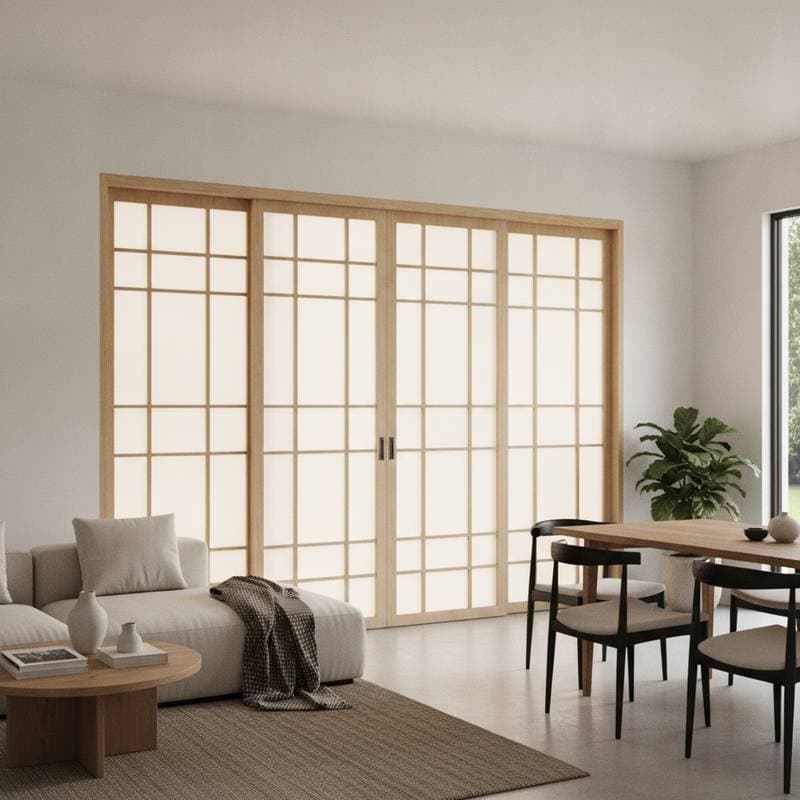
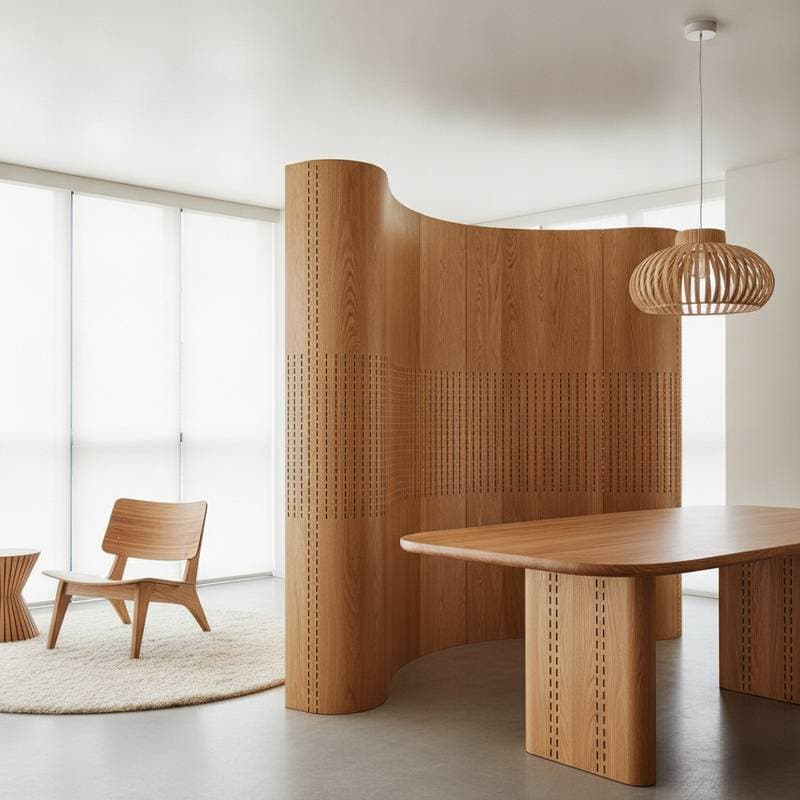
Interior echoes via dividers or cabinetry sustain flow. The indoor-outdoor link embodies Japandi's blend of nature and structure.
Essential Implementation Guide
Achieve lasting Japandi grilles with these priorities:
- Authentic Materials: Favor genuine wood or premium mimics for texture.
- Precise Proportions: Ensure even spacing and sharp edges.
- Unified Tones: Align finishes across components.
- Care Routine: Plan cleanings and reseals.
- Strategic Lighting: Employ warm LEDs for texture enhancement.
- Eco-Conscious Choices: Source sustainable options.
Realizing Enduring Harmony
Japandi wood grilles craft entryways of poise and precision. They prioritize material integrity over excess, making home approaches restorative. Thoughtful execution yields designs that mature elegantly and perform reliably, transcending trends for perpetual welcome.