Why Your Home Office Requires Soundproof Doors in 2025
Remote work has fundamentally altered home environments. The home office evolves from a makeshift arrangement into a permanent fixture essential for daily productivity. Among various design choices, soundproof doors emerge as a critical component that enhances focus, comfort, and privacy.
Silence forms the bedrock of effective concentration, clear communication, and uninterrupted creativity in a home office. A thoughtfully selected door reshapes the workspace experience, converting a modest home area into a sophisticated professional haven.
The Importance of Effective Soundproofing
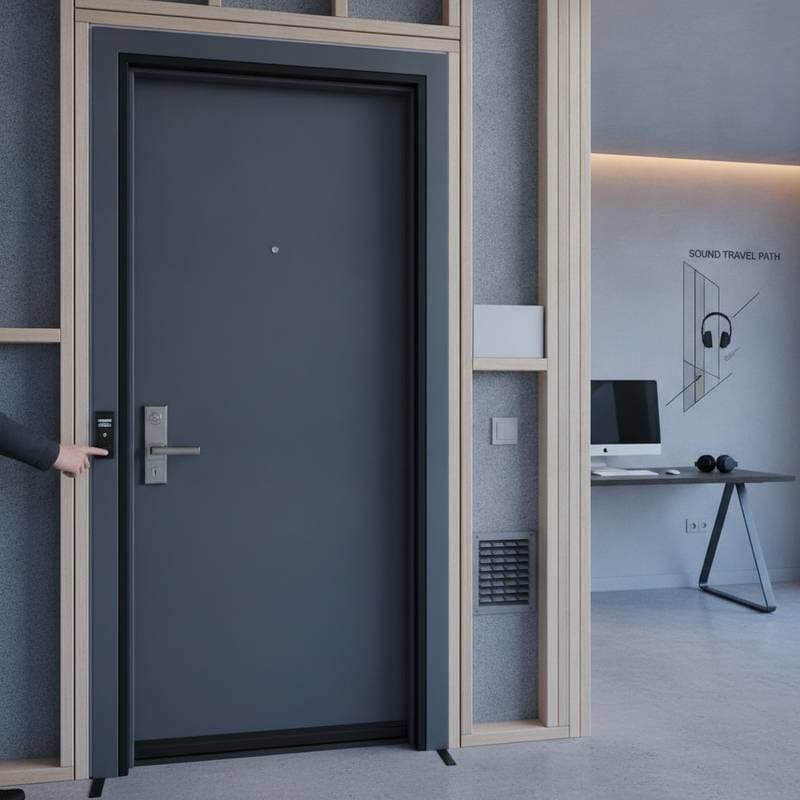
Household activities generate persistent distractions, including voices from family members, television audio, pet movements, and appliance hums. Standard interior doors, often lightweight and hollow, permit these noises to infiltrate the workspace. Soundproof doors counter this issue through dense core materials, precisely fitted frames, and specialized acoustic seals that minimize sound transmission.
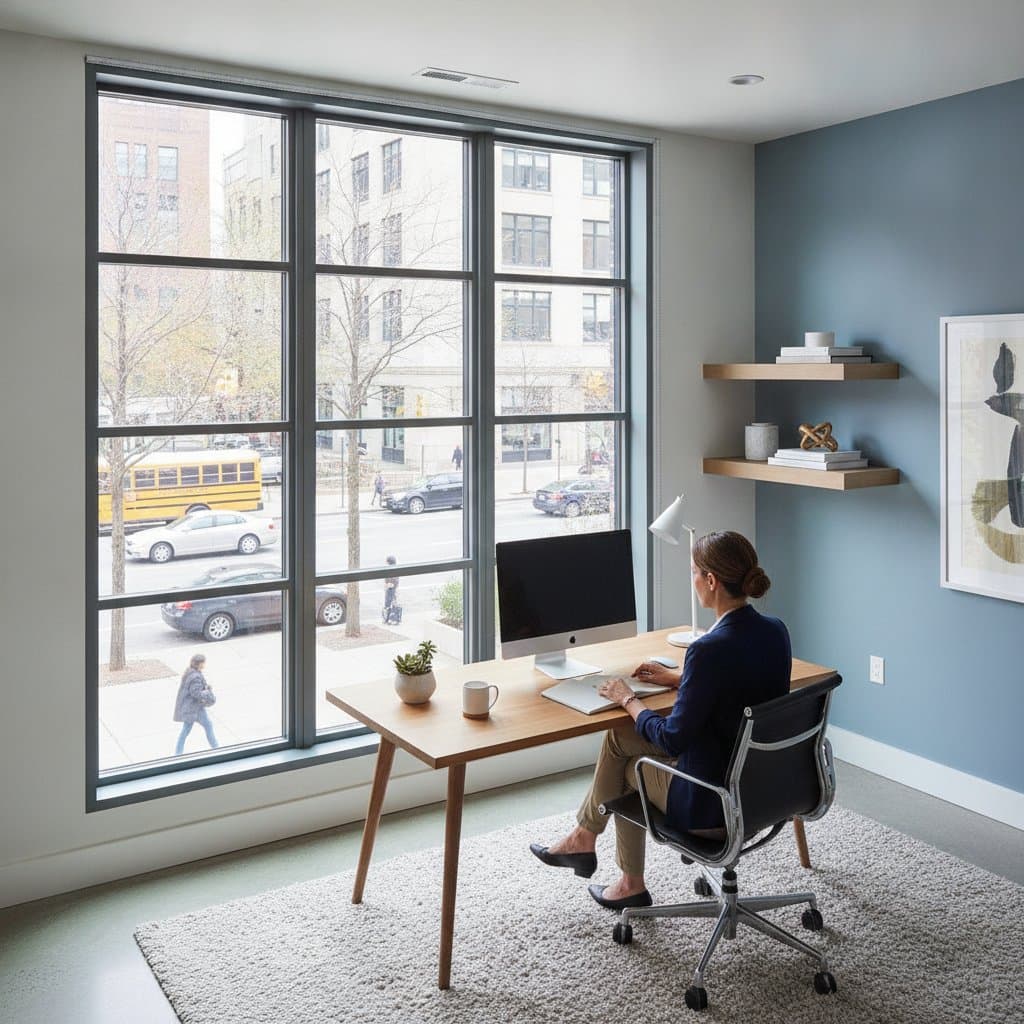
This acoustic barrier yields a more serene environment, where virtual meetings proceed without interruptions and sustained attention becomes feasible. Enhanced sound control also refines video call audio by diminishing echoes and ambient interference, resulting in professional-grade interactions that convey confidence and clarity.
Three Practical Upgrade Strategies
Budget-Friendly Option ($250 to $600)
- Swap a hollow-core door for a solid-core version crafted from wood or composite materials.
- Install weatherstripping along the perimeter and an automatic door bottom to seal potential sound pathways.
- Apply paint or stain to align the door with surrounding trim, avoiding the need for frame replacement.
Mid-Tier Option ($700 to $1,200)
- Select a prehung solid-core door equipped with advanced seals and a matching threshold.
- Incorporate hardware featuring precise tolerances, including ball-bearing hinges and latches that ensure a secure closure.
- Integrate decorative glass panels lined with acoustic laminates to allow light entry while suppressing noise.
Premium Option ($1,500 to $3,000)
- Opt for a custom-engineered acoustic door with built-in seals, reinforced framing, and proprietary sound-dampening layers.
- Utilize concealed hinges and magnetic seals for a streamlined, contemporary aesthetic.
- Pair the door with supplementary elements like wall-mounted acoustic panels or absorptive trim moldings to form a comprehensive noise-reduction setup.
Selecting Materials and Finishes
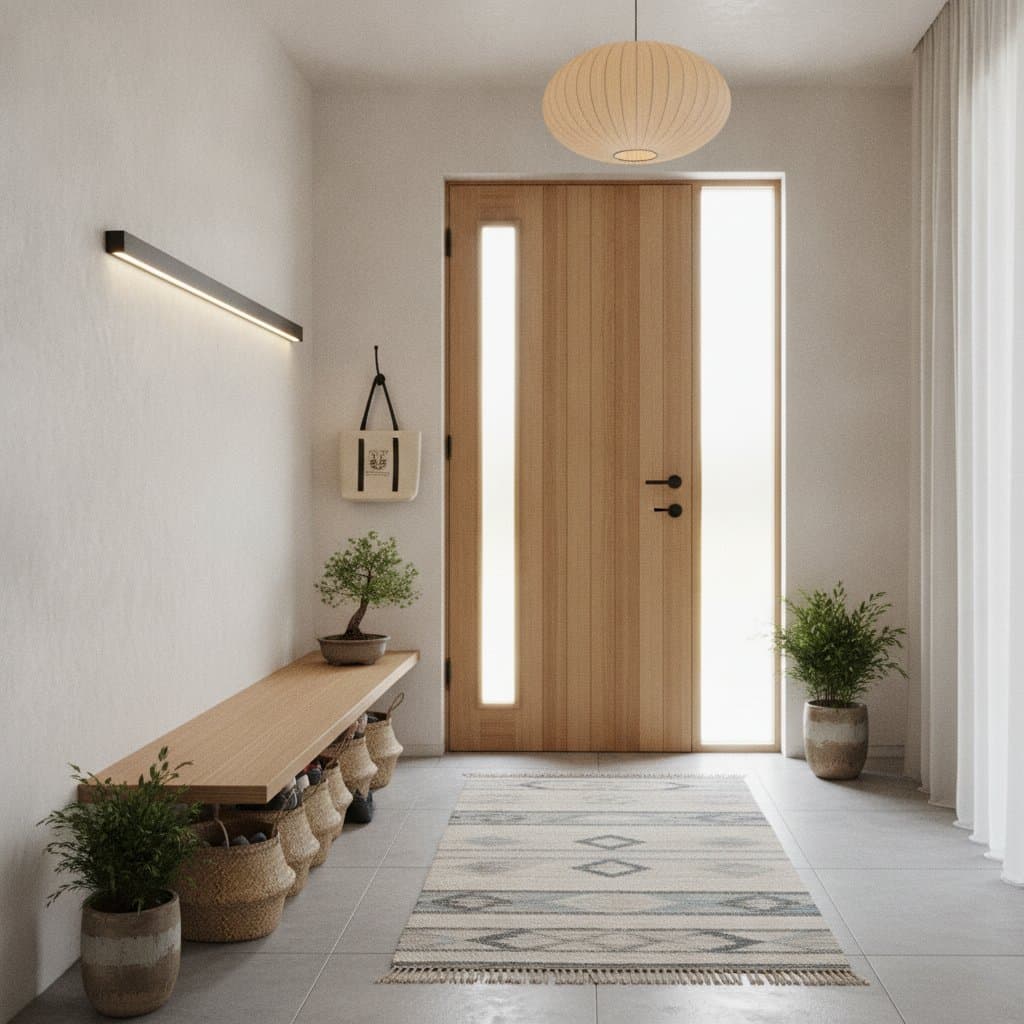
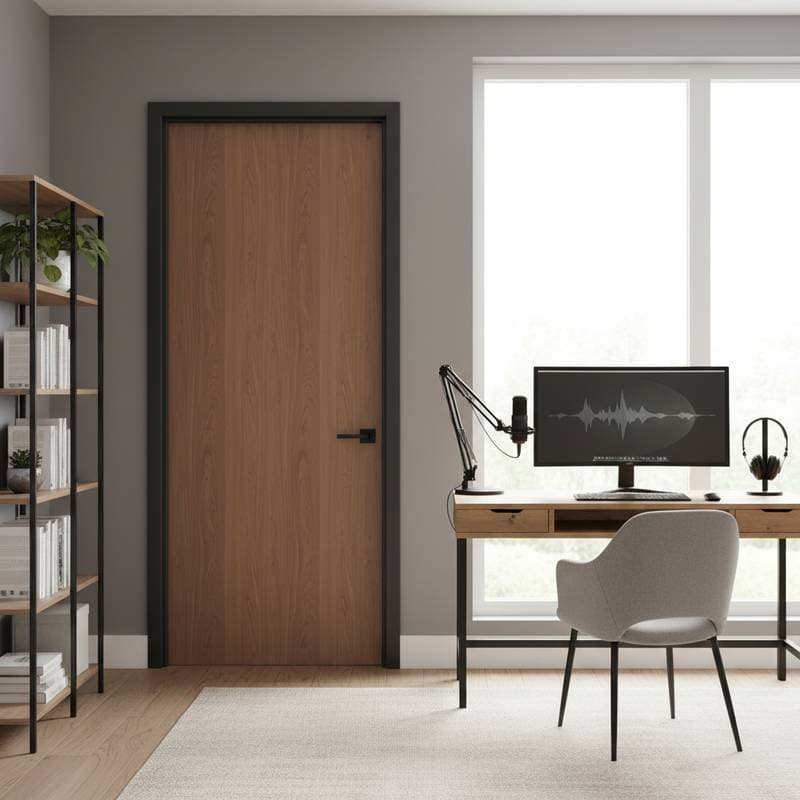
For the door itself, prioritize solid wood, medium-density fiberboard (MDF), or engineered cores designed for acoustics. Finishes in oak, walnut, or neutral paints deliver enduring warmth and visual appeal alongside robust sound isolation.
Seals demand durability; continuous perimeter gaskets paired with automatic drop bottoms effectively eliminate gaps. Materials such as silicone or neoprene offer resilient, weather-resistant performance over time.
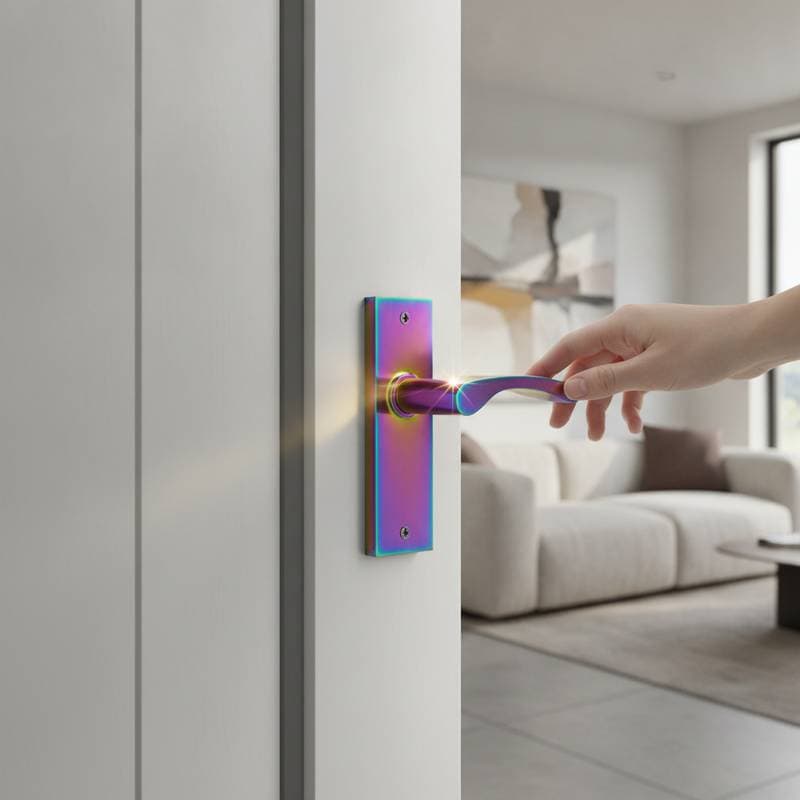
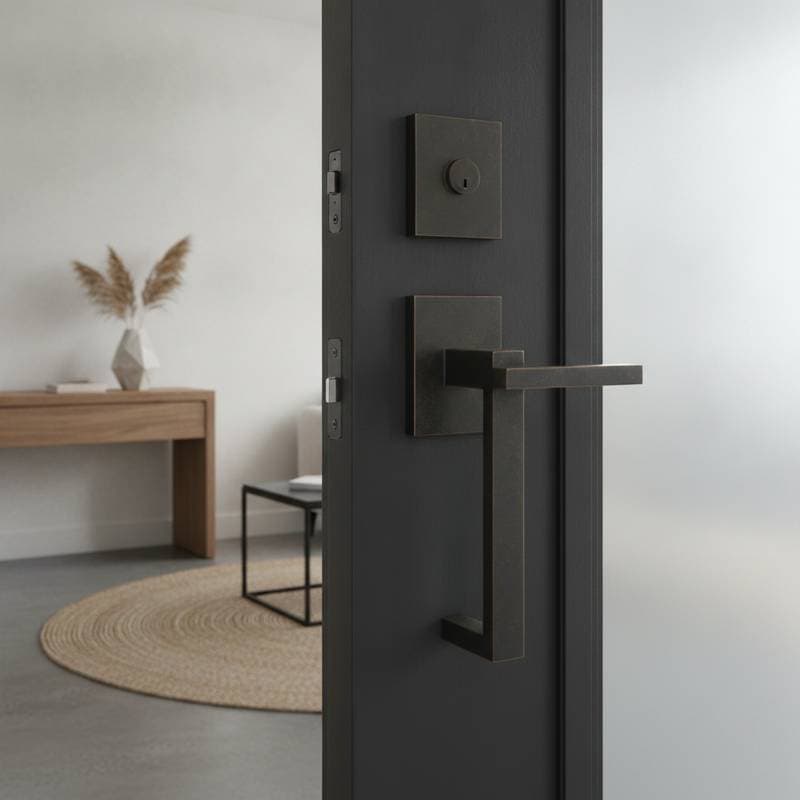
Hardware choices include lever-style handles or mortise locks that promote firm latching. Finishes like satin nickel, matte black, or brushed bronze complement diverse interior schemes seamlessly.
When light access matters, choose laminated acoustic glass inserts. These options filter external sounds while preserving natural illumination and a sense of openness.
Essential Maintenance Practices
Properly installed soundproof doors demand minimal ongoing care. Regularly clean seals to remove dust accumulation and preserve their efficacy. Conduct periodic checks on hinges and latches to verify alignment and tightness.
Painted surfaces occasionally require touch-up applications to counteract wear. Stained wood benefits from gentle polishing to sustain its luster. Refrain from forceful door operations, as such actions may compromise seals or disrupt frame integrity.
Common Pitfalls to Sidestep
Overlooking the door frame undermines overall soundproofing. Focus solely on the door panel while ignoring jamb gaps results in suboptimal noise reduction. Evaluate and upgrade the complete assembly for maximum benefit.
Hollow-core doors offer superficial resemblance to solid alternatives but deliver negligible acoustic gains. Commit to solid or layered cores for tangible improvements in sound control.
Neglect gaps beneath the door invites sound leakage. Implement automatic bottoms or thresholds to achieve a complete seal across the entire opening.
Balancing Aesthetics with Acoustic Performance
Contemporary soundproof doors integrate seamlessly into varied home styles, from sleek modern to rustic farmhouse or classic traditional designs. Tailor selections through careful attention to color, texture, and hardware.
Recommended Color Schemes
- Charcoal gray suits minimalist environments with its clean, understated elegance.
- Warm white harmonizes with natural wood accents, promoting a serene and airy office atmosphere.
- Deep navy imparts refined depth and conceals everyday marks on high-traffic doors.
- Natural oak introduces organic texture and inviting warmth suitable for professional settings.
Preparation Steps Prior to Purchase
Thorough assessment ensures a successful installation. Begin by documenting the existing configuration to inform choices.
Pre-Purchase Checklist
- Capture photographs of the office doorway from interior and exterior perspectives, noting light levels and trim details.
- Record current materials, colors, and styles to facilitate harmonious integration.
- Precisely measure the door opening, encompassing thresholds and nearby wall areas.
- Pinpoint primary noise sources within the home to determine required soundproofing intensity.
- Establish a budget framework, weighing priorities between aesthetic enhancements and acoustic superiority.
Achieving a Productive, Peaceful Workspace
Investing in soundproof doors equips the home office for sustained focus, confidential interactions, and elevated professionalism. These elements merge advanced functionality with versatile design, yielding a workspace that supports seamless productivity and genuine work-life balance.