Why Japandi Fusion Dominates Entryways in 2026
Japandi design influences modern interiors profoundly, and entryways showcase its harmony of tranquility and utility. This approach integrates Scandinavian coziness with Japanese restraint to produce spaces that appear spacious and rooted. As the initial view into a home, the entryway embodies Japandi principles that promote wellness, organization, and elegance in routine activities.
Core Elements of the Japandi Aesthetic
Japandi prioritizes simplicity, organic materials, and skilled workmanship. It eliminates excess, embraces textured surfaces, and uses light delicately. Japanese aspects contribute intentionality and moderation, whereas Scandinavian elements add practicality and inviting warmth. The combination yields a style that endures, remains authentic, and suits daily life.
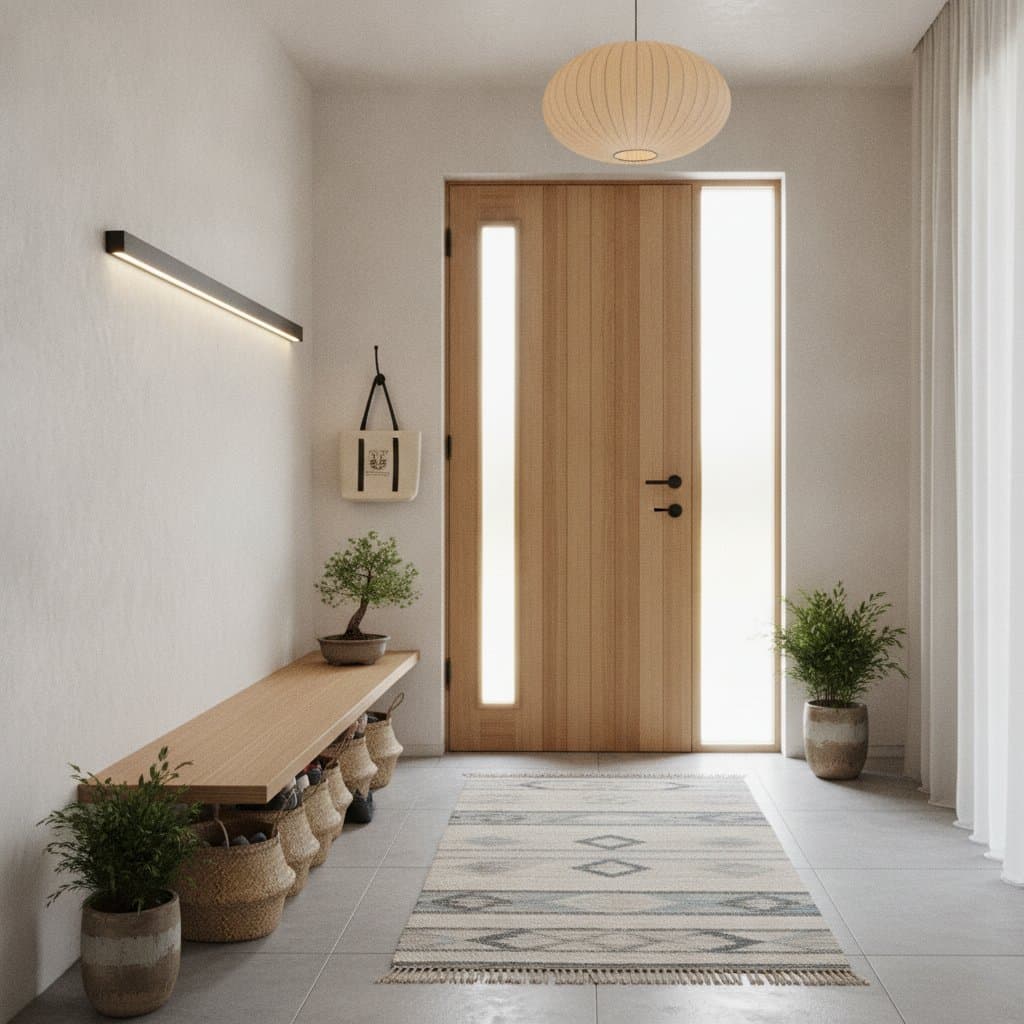
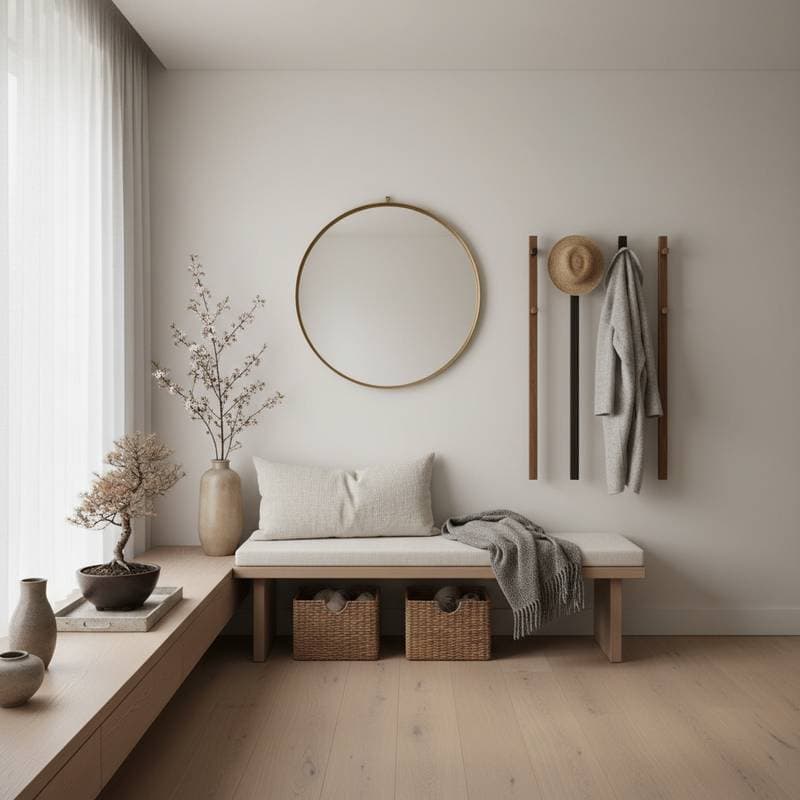
Entryways under this influence feature unobstructed sightlines, subdued colors, and select items that fulfill decorative and practical needs. Concealed storage keeps areas tidy, clean surfaces prevail, and each component serves a clear role. Japandi curates rather than overcrowds, fostering orderly zones that ease shifts from exterior bustle to interior peace.
Essential Materials for Japandi Entryways
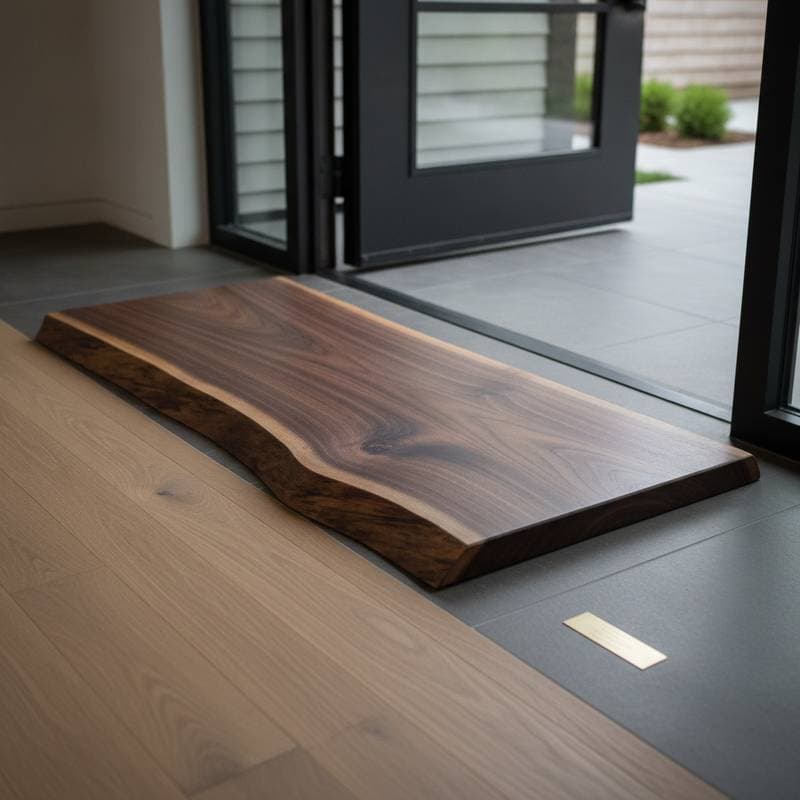
Organic materials form the basis of this aesthetic. Wood dominates, typically in light ash, oak, or pale walnut finishes. These shades capture Scandinavian lightness and align with Japanese nature ties. Stone, ceramics, and woven textiles accompany wood to introduce variety without dominance.
Sustainability shapes selections as well. Property owners favor ethically harvested timber and green coatings. The inherent touch of these substances warms sparse arrangements. Coupled with gentle illumination and strategic plants, they yield equilibrated, rejuvenating environments.
Neutral Palettes for Serenity and Focus
Japandi employs earth-toned neutrals to build layers without sharp edges. Creams, soft beiges, gentle grays, and warm browns provide foundations. Natural textures or faint blacks accent doors and accents. The scheme shuns synthetic vibrancy for shades linked to the outdoors.
Such palettes in entryways soften the chaos of arrivals and departures. They buffer external energy from internal harmony. Warm LED wall lights or rice-paper shades amplify tranquility and direct flow.
Practical Features and Streamlined Storage
Japandi entryways equate utility with visual appeal. Choices enhance usability. Wood or metal benches, inset shelves, and hooks organize items discreetly. Integrated cabinets hide footwear, accessories, and coats, preserving open surfaces.
Utility integrates seamlessly with style. Precise woodworking and understated fittings align hidden areas with overall minimalism. The outcome is a zone that operates smoothly amid everyday demands.
Entryway Material Comparison
| Material | Initial Cost | Lifespan | Maintenance | Best For |
|---|---|---|---|---|
| Light Oak | Moderate | Long | Occasional oiling | Warm, airy Scandinavian vibes |
| Bamboo | Low to Moderate | Medium | Regular dusting, sealing | Sustainable, budget-friendly homes |
| Walnut | High | Long | Minimal polishing | Elegant, organic luxury |
| Stone Tile | High | Very Long | Periodic sealing | High-traffic durability |
| Ceramic | Moderate | Long | Simple cleaning | Areas with moisture exposure |
This table guides selections based on finances, routines, and style goals. In demanding entryways, endurance and upkeep outweigh upfront expenses. For natural allure and ease, oak or bamboo excel.
Integrating Doors into Japandi Entryways
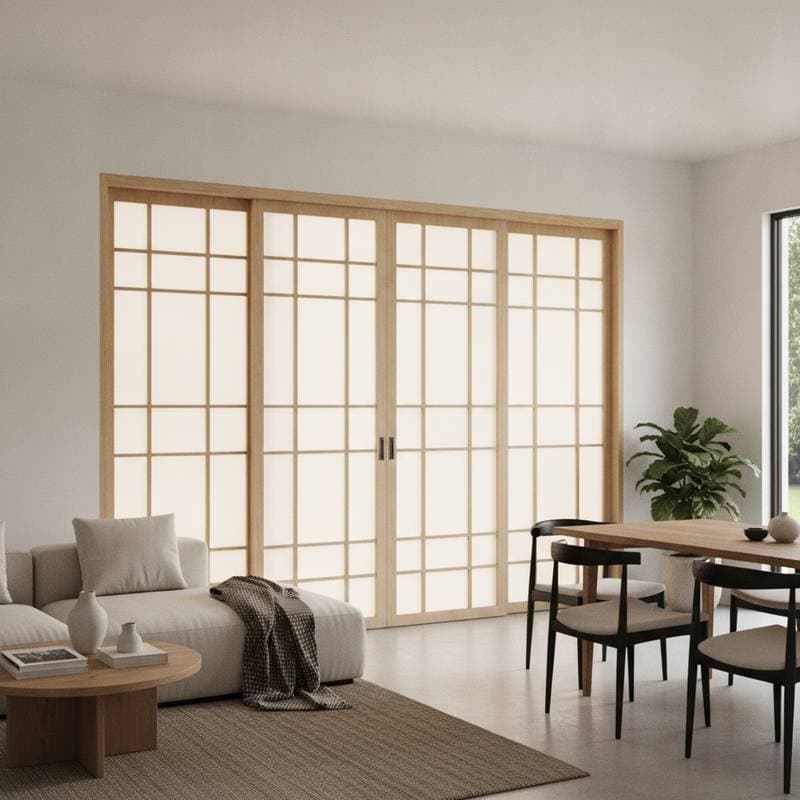
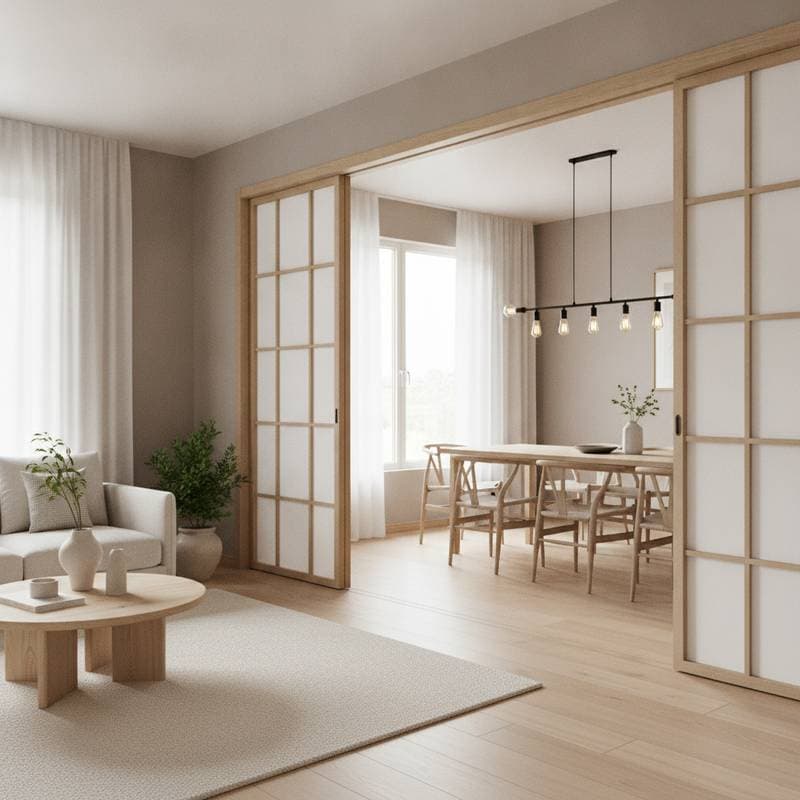
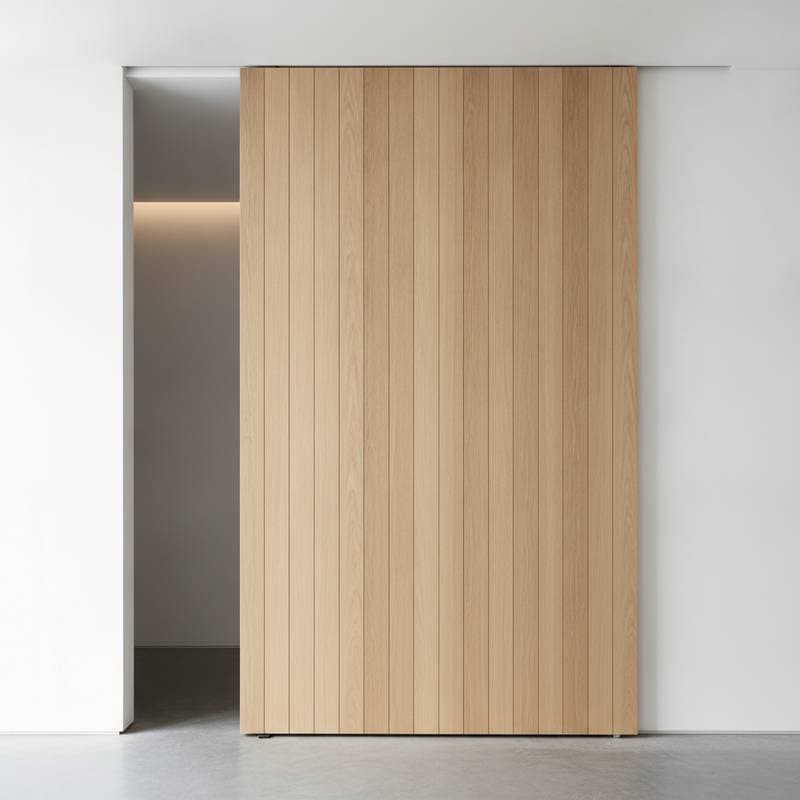
Wood interior doors often anchor Japandi entryways. They establish mood and support operations. A sturdy wood panel with simple framing, sleek pull, and raw finish blends effortlessly. Sliding panels or shoji-inspired screens offer adaptable divisions while preserving openness.
Door selection weighs seclusion, illumination passage, and surface feel. Etched glass or louvered wood permits light transfer yet upholds barriers. Matte black or satin metal accents provide subtle definition.
Steps for a Japandi Entryway Renovation
- Assess and Plan: Evaluate current setup, pinpoint storage gaps, light sources, and traffic paths. Aim to streamline navigation and boost tidiness.
- Prepare the Space: Clear out obstructive items or heavy pieces. Prime walls for fresh coatings and check framework for modifications.
- Execute Core Work: Lay floors, apply wall finishes, and fit cabinets. Choose consistent hues and visible grains. Sequence tasks to prevent color clashes.
- Verify Installation: Check seams, door fits, and light positions. Ensure even textures and fluid material shifts.
- Finalize and Maintain: Seal surfaces, fine-tune illumination, and test storage. Routine care preserves the look long-term.
Aligning Design with Daily Routines
Japandi appears polished yet accommodates actual use. Families value low upkeep, while remote workers cherish the soothing entry. The area evolves into a renewal spot. Designated places for essentials cut morning haste.
For homes with young ones or animals, treated wood or stone withstands wear. Gentle lights and varied touches foster invitation amid activity. The style promotes awareness by clearing clutter and highlighting organic grace.
Budgeting for Lasting Impact
Costs for Japandi entryways fluctuate with material grades and tailoring. Premium timber and custom work elevate expenses, but durability and enduring charm recoup them. Opt for robust coatings and adaptable plans to minimize future changes.
On tighter budgets, mix genuine wood highlights with affordable overlays. Maintain uniform shades, feels, and finishes. A solid mid-range Japandi setup retains value and ease for years.
Tailoring to Home Dynamics
Homes vary in pace, and entryways mirror that. Compact units gain from tall storage and pale shades that amplify space. Expansive properties accommodate integrated seats or hybrid zones.
Japandi suits diverse scales through scale and purpose. Social hosts may select open plans with ambient glows. Privacy seekers opt for screened divisions. Adaptations preserve the core poise.
Embracing Sustainability in Design
Japandi's organic emphasis aids eco-friendly practices. Renewable resources, non-toxic paints, and efficient bulbs foster well-being. The approach curbs overbuying, favoring quality over quantity to lessen refuse.
Sourcing nearby timber and rock bolsters local skills and cuts travel impacts. Enduring choices extend project life, merging aesthetics with stewardship.
Installation Best Practices
Effective renovations blend vision with execution. Verify samples, fittings, and lights pre-installation. Minor variances can unsettle harmony. Dialogue with teams guarantees cohesive results from base to trim.
Shield nearby rooms from mess during work. Focus on door precision and light setup, as they shape final ambiance.
Achieving Enduring Excellence
Quality Japandi entryways demand meticulous oversight. Select providers versed in natural integrations. Test elements post-install for seamless operation. With proper care, these spaces deliver sustained calm and function, elevating home arrivals for years.