Slash HVAC Costs by 50 Percent with Smart Glass Windows
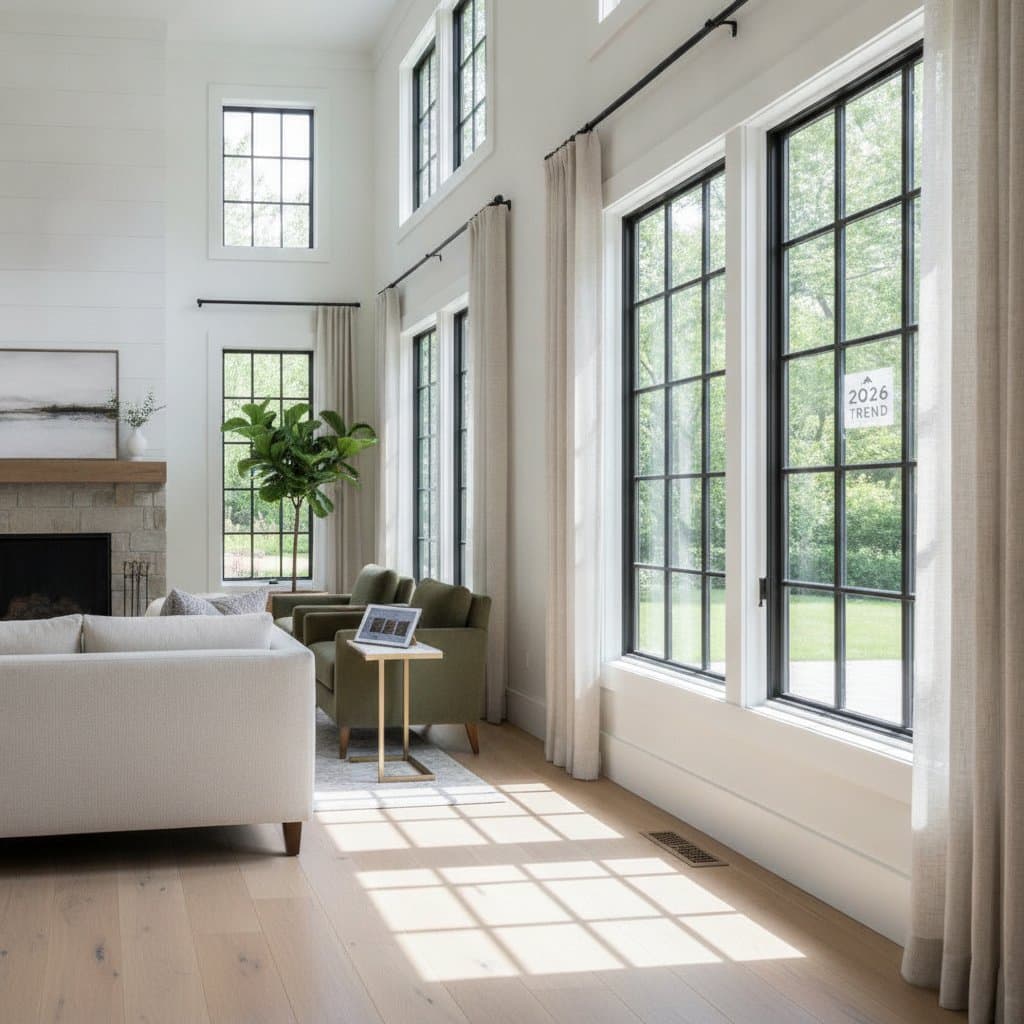
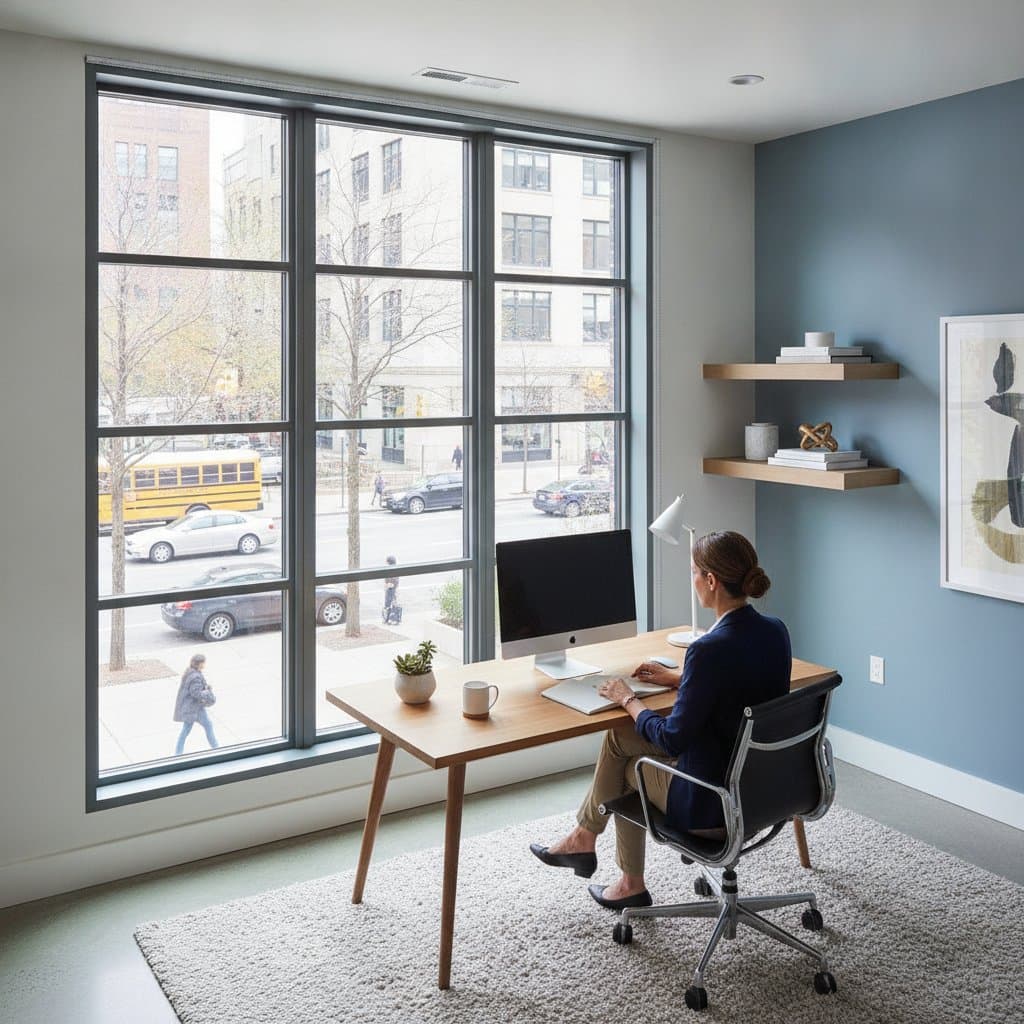
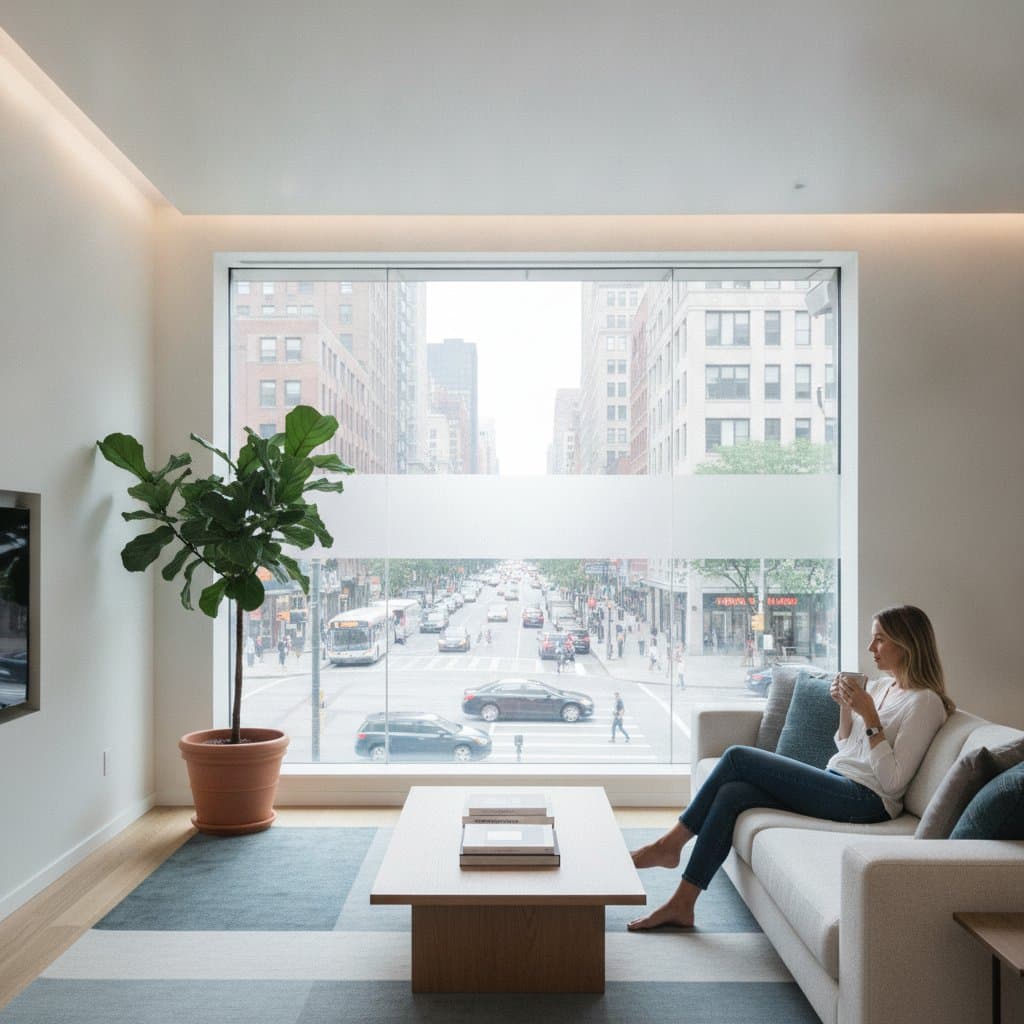
Energy efficiency extends beyond basic insulation and advanced HVAC units. Smart glass windows, or electrochromic windows, redefine indoor climate control for homeowners. These innovative panes adjust tint levels in response to sunlight, minimizing heat buildup in summer and maximizing natural warmth in winter. Proper design and installation enable significant reductions in energy use, often cutting HVAC expenses by half while enhancing overall living comfort.
The Mechanics of Smart Glass
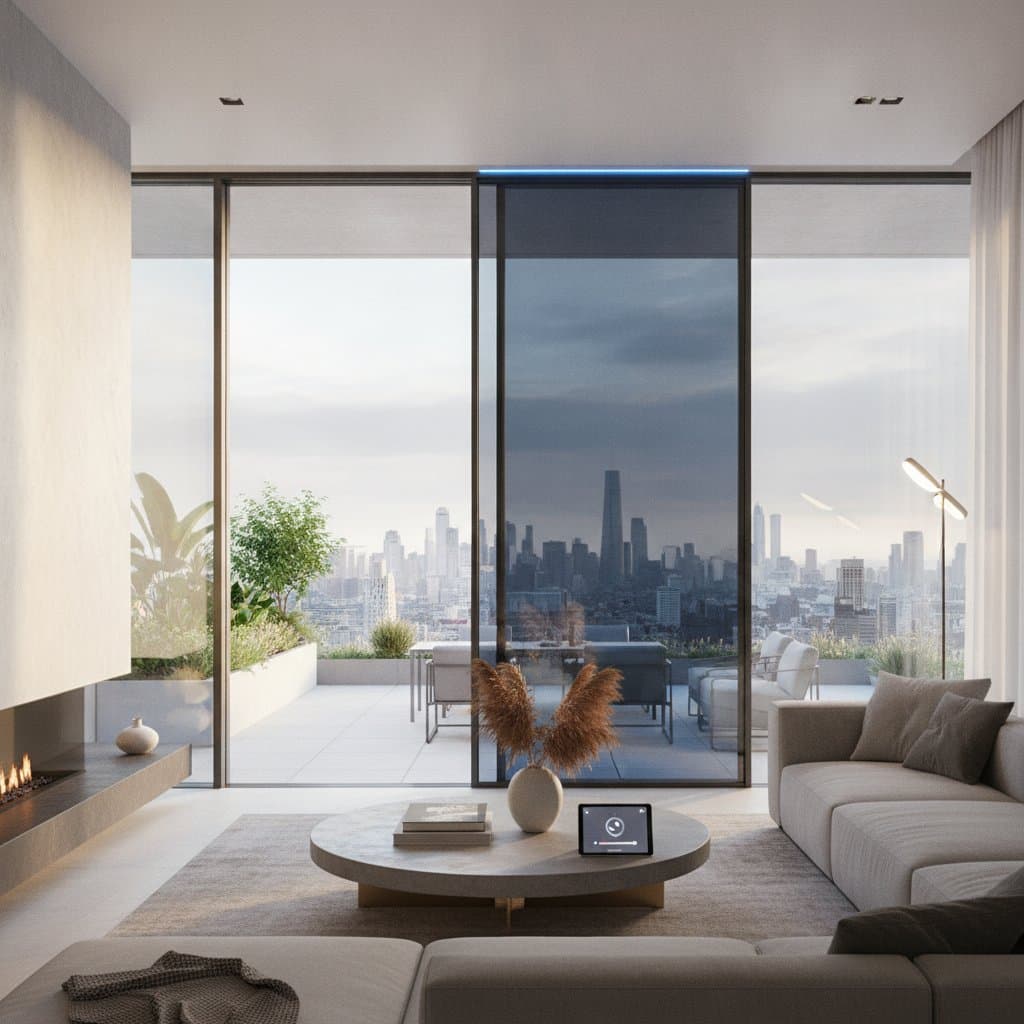
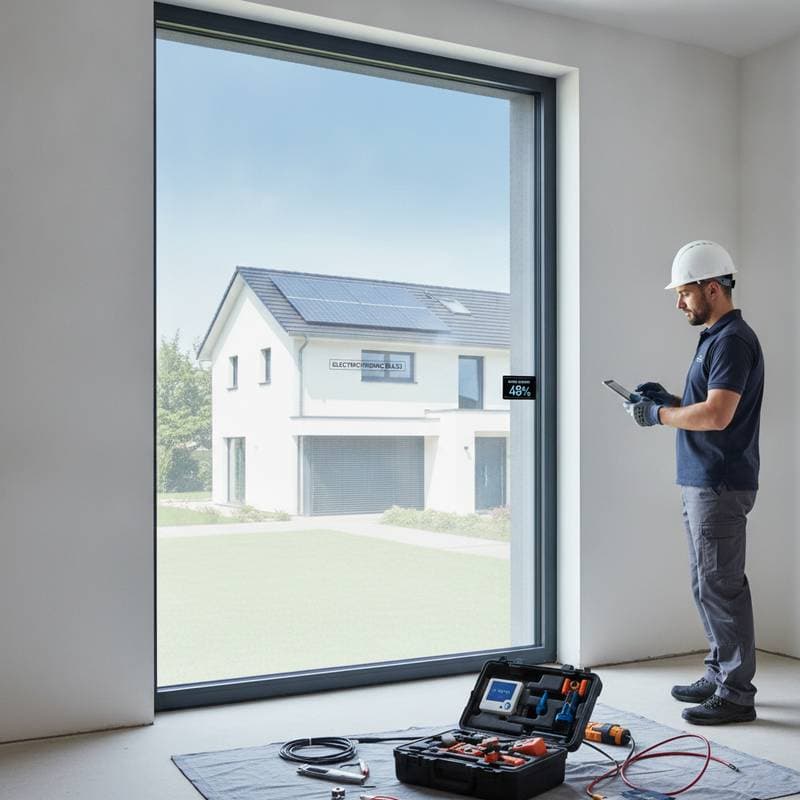
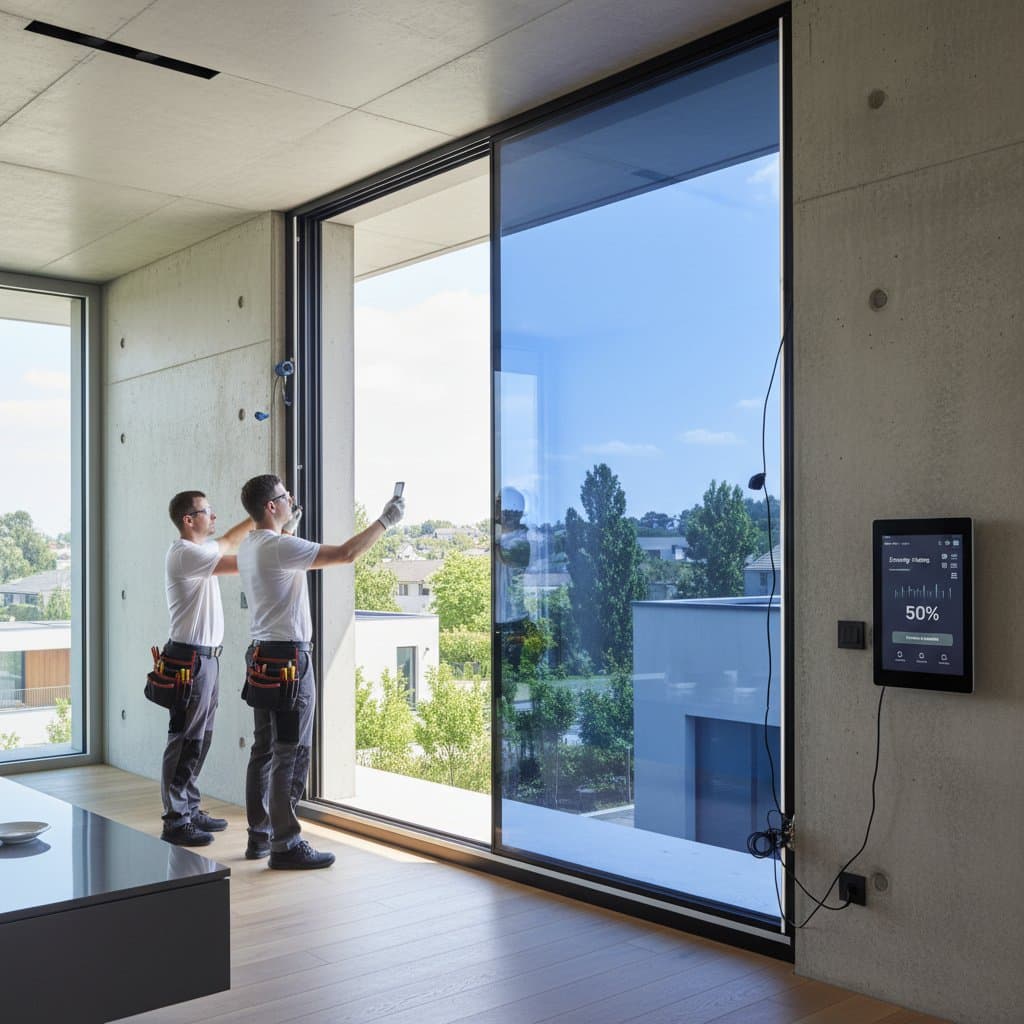
At the core of smart glass lies an electrochromic layer embedded within the pane. A low-voltage current activates this layer, altering the glass from transparent to opaque as needed. This process regulates solar heat gain without relying on external shades or motorized components. Residents enjoy customizable light and temperature settings, preserving panoramic views and daylight. Integration with home automation platforms allows seamless daily adjustments, optimizing energy consumption and occupant well-being.
Three Installation Strategies
Budget Strategy ($8,000 to $12,000)
- Install basic electrochromic panels on primary south-facing windows to target peak sunlight areas.
- Restrict upgrades to high-traffic zones like living rooms for maximum impact.
- Pair with conventional double-glazed units in low-exposure locations.
- Select frames featuring thermal breaks to eliminate heat transfer points.
Intermediate Strategy ($15,000 to $22,000)
- Extend smart glass coverage to living areas and bedrooms for comprehensive savings.
- Choose aluminum-clad wooden frames that blend durability with aesthetic appeal and superior insulation.
- Link controls to a mobile app or central hub for effortless operation.
- Incorporate triple glazing in regions prone to harsh weather for enhanced resilience.
Premium Strategy ($25,000 to $40,000)
- Equip the full residence with zoned electrochromic systems for precise light management.
- Customize frames in finishes such as matte black or bronze to align with home architecture.
- Incorporate matching inserts in doors and skylights for unified aesthetics.
- Combine with photovoltaic panels to amplify energy independence and financial returns.
Selecting Materials and Finishes
Window Options: Prioritize electrochromic glass certified for optimal visible light transmittance and solar heat rejection. Opt for frames in aluminum, fiberglass, or composite materials that offer modern lines and low upkeep. Versatile colors including deep charcoal or crisp white adapt to diverse building designs.
Door Choices: Coordinate smart glass inserts in entryways and patios to synchronize with window performance. Fiberglass or steel frames deliver robust security and thermal properties alongside contemporary profiles. Hardware in brushed nickel or matte black ensures visual unity.
Exterior Siding: Balance smart glass with fiber cement or engineered wood siding for enduring, hassle-free facades. Subdued earth tones such as warm taupe, cool gray, or soft white harmonize with the glass's subtle gleam.
Trim and Details: Employ slender trim profiles to accentuate the glass without overwhelming it. Subtle metal accents or slim black edging underscore the precision of expansive window arrays.
Practical Maintenance Insights
Smart glass demands far less upkeep than conventional shading solutions. Absent are the mechanical elements that accumulate grime or degrade over time. Routine cleaning employs everyday glass cleaners applied with soft cloths. The sealed electrochromic components shield against environmental factors like humidity. Annual checks of wiring occur alongside standard window servicing, ensuring longevity that spans decades with negligible efficiency decline.
Common Pitfalls to Sidestep
- Neglecting Window Orientation: Placing smart glass on north-facing or shaded surfaces yields minimal returns. Direct efforts toward sun-drenched elevations for optimal results.
- Undervaluing Frame Quality: Superior glass loses effectiveness with inadequate framing. Insist on thermally broken designs to sustain performance.
- Bypassing System Connectivity: Standalone installations forgo automation benefits. Full integration enables hands-free operation and peak efficiency.
Harmonizing Colors and Styles
Exterior cohesion arises from thoughtful material and color pairings. Smart glass suits modern and transitional architectures equally well. Neutral siding bases provide a refined backdrop for tinted panes. Palette suggestions include:
- Graphite and Sandstone: Pair slate-gray frames with beige siding for a grounded, contemporary vibe.
- White on White: White siding paired with subtle frosted panels evokes clean, seaside simplicity.
- Charcoal and Cedar: Bold dark frames against wood siding accentuate structure with natural warmth.
Pre-Installation Documentation Guide
Thorough preparation precedes any smart glass project. Photograph exteriors from multiple vantage points to evaluate proportions and flow. Document elements like roof angles, trim dimensions, and current window sizes. Review local aesthetics and regulatory constraints on tint levels or reflections. Track daily sun paths to identify prime candidates for dynamic control.
Achieving Integrated Design and Efficiency
Smart glass unites form and function in residential upgrades. Strategic implementation curbs glare, trims utility costs, and refines curb appeal. Aligning adaptive windows with resilient siding, insulated framing, and matching palettes crafts facades that impress visually and operate efficiently over time.