Japandi Shoji Screens Revolutionize 2025 Entryways
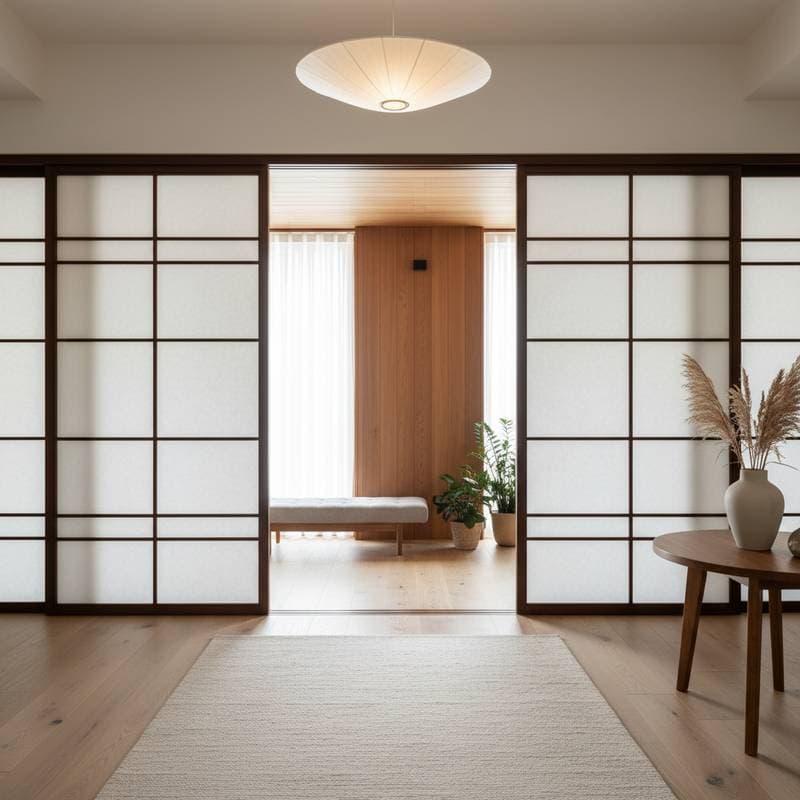
Japandi design shapes contemporary interiors by combining Japanese minimalism with Scandinavian functionality. A prominent feature in this style involves Japandi Shoji screens for entryways. These translucent partitions deliver privacy, diffused light, and serene aesthetics. Homeowners increasingly select them to create welcoming transitions into living spaces.
Shoji screens excel in practicality as well as appearance. They separate areas while permitting light to pass through, fostering openness and calm. This article examines costs, materials, and design options to guide entryway enhancements.
Why Japandi Shoji Screens Suit Modern Entryways
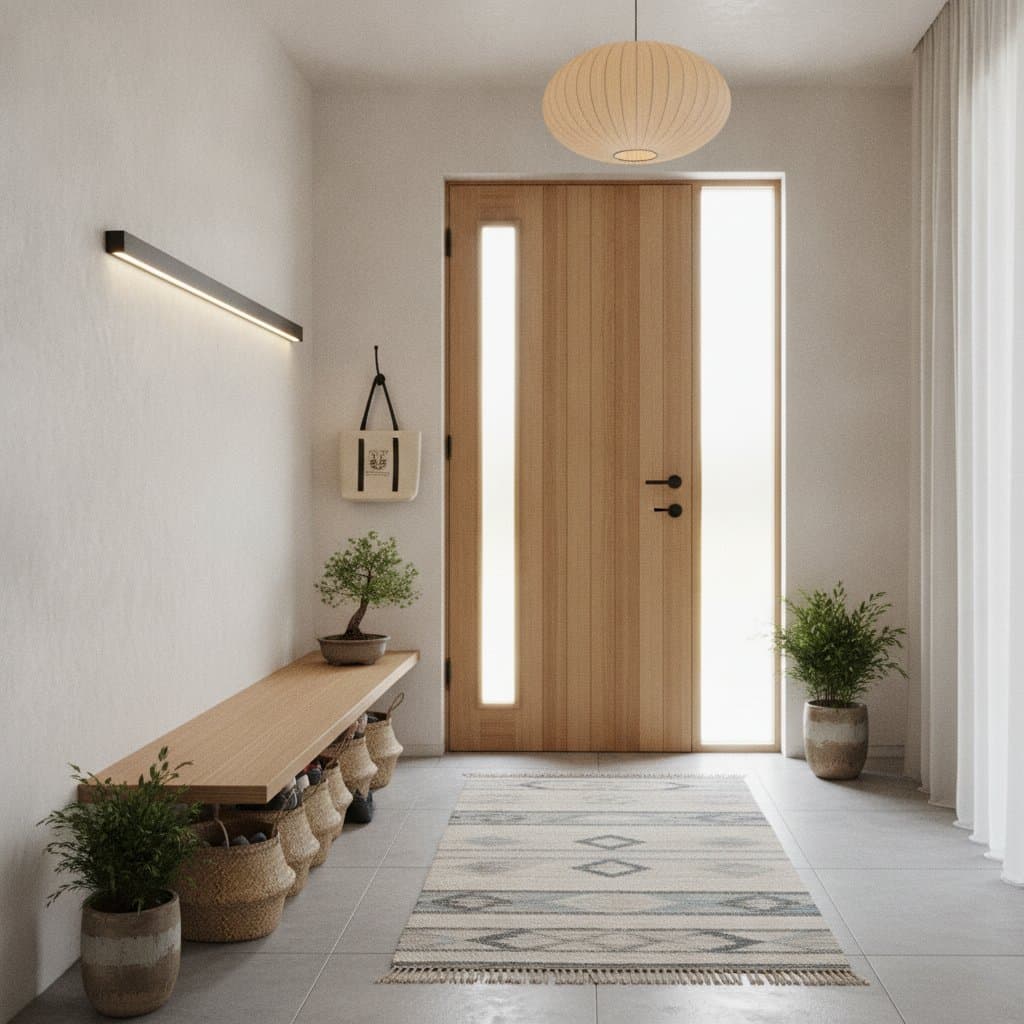
Entryways establish a home's initial tone, and Shoji screens introduce elegance and peace. Their semi-transparent nature tempers incoming light, providing seclusion without the weight of opaque barriers. In Japandi aesthetics, equilibrium prevails. These screens link interior and exterior realms, embodying principles of simplicity and cohesion.
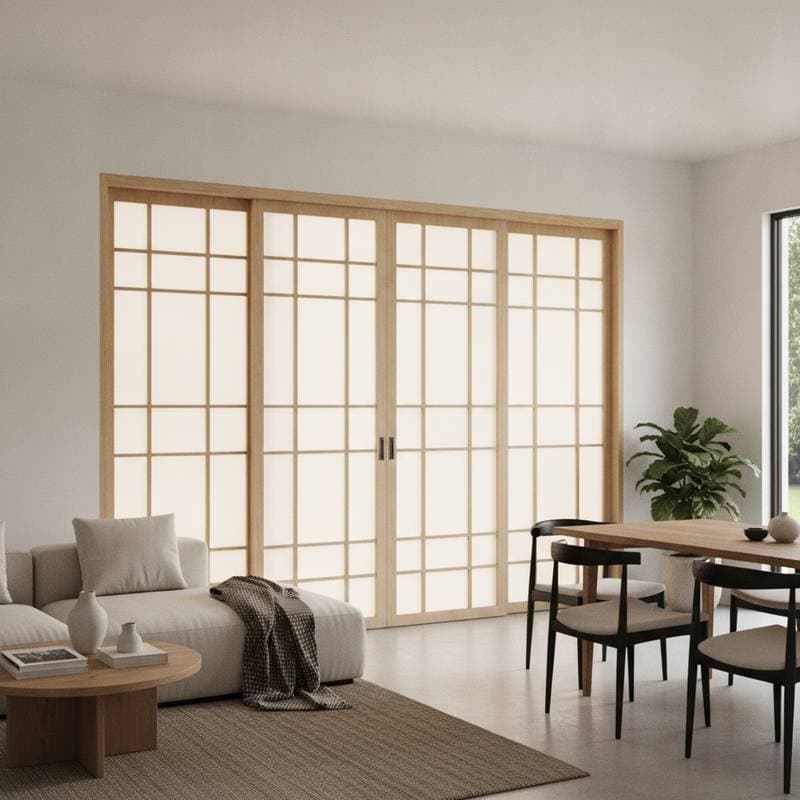
Designers suggest Shoji screens for entryways adjacent to open-plan rooms. Such placement delineates zones without imposing barriers. As interior carpenter Mika Tanaka notes, "A Shoji screen gives the entryway a quiet presence. It divides without isolating."
Benefits for Light and Space
Shoji screens filter sunlight to create soft illumination, reducing glare and enhancing ambiance. This effect suits narrow or dimly lit entryways, making spaces feel larger. Homeowners report a noticeable uplift in daily mood from the gentle glow these screens provide.
In multifunctional homes, screens maintain flow between areas. For instance, position a sliding Shoji panel to shield coat storage while allowing visibility into the living room.
Installation Considerations
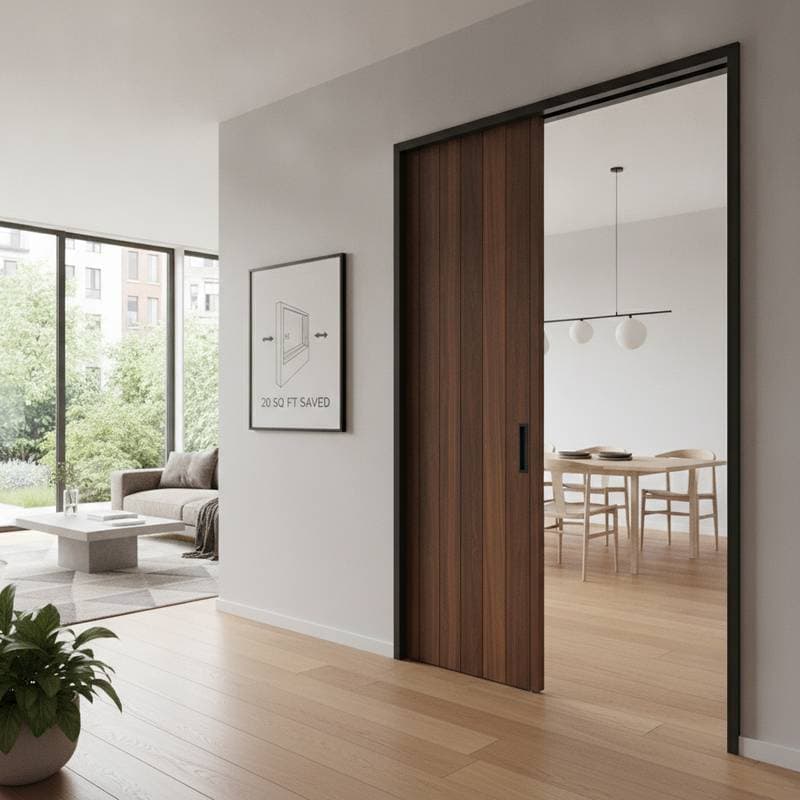
Precise setup defines the success of Shoji screens in entryways. Popular setups encompass sliding tracks, hinged swings, or stationary dividers. Sliding variants conserve space, ideal for compact foyers. Hinged options mimic conventional doors for formal entrances.
Engage professionals for installations within current structures. Accurate fitting guarantees fluid movement and resists distortion. Projects typically require three to six hours, varying by complexity.
Pre-Installation Assessments
Experts evaluate several elements prior to work:
- Structural integrity of walls and frames for secure mounting
- Ambient moisture, particularly near outer walls, to avoid material degradation
- Track straightness for sliding mechanisms to ensure even operation
- Harmony with surrounding wood elements to blend seamlessly
High-traffic entryways warrant sturdy reinforcements or durable acrylic substitutes. These choices withstand daily handling without damage.
Factors Influencing Project Costs
Initial pricing offers a baseline, yet multiple elements adjust the total. Awareness of these aids budgeting.
-
Customization Extent
Elaborate carvings, bespoke patterns, or embedded lights elevate expenses through added craftsmanship and supplies. -
Dimensions and Scale
Larger formats demand extra resources and supports, increasing costs by $100 to $300 each. -
Hardware Durability
High-grade tracks in stainless steel or brass promote reliability. Initial investment offsets future repairs. -
Surface Treatments
Protective varnishes suit wood in damp climates, adding $50 to $150 per panel. -
Labor Variations
Regional differences apply; city rates exceed rural by 15 to 30 percent.
Overall, budgets span $800 for basic setups to over $4,000 for tailored installations.
Material Breakdown
Traditional Shoji screens feature rice paper over wooden lattices, starting at $200 per panel. Modern alternatives use frosted acrylic or fabric inserts for $300 to $500, offering greater resilience. Sustainable woods like bamboo or reclaimed oak raise prices but enhance eco-credentials.
Maintenance and Longevity
Shoji screens demand minimal upkeep, enduring for decades with routine attention. Focus on frame stability and panel integrity to preserve performance.
Essential Cleaning Practices
- Dust frames using a soft, dry cloth to prevent scratches
- Clean acrylic or glass surfaces with mild soap and water, then dry thoroughly
- Swap damaged rice paper immediately to sustain visual appeal
- Apply lubricant to tracks biannually for effortless sliding
In humid environments, employ dehumidifiers to avert wood swelling. Annual frame checks detect loose joints early.
Enhancing Energy Efficiency and Privacy
Shoji screens contribute modestly to insulation when configured thoughtfully. Dual-layer designs or acrylic with foam cores minimize air leaks in transitional zones. Light scattering cuts daytime bulb usage, lowering energy bills.
Privacy options include stacking screens with lightweight drapes or roller shades. This setup adjusts illumination while protecting views. For evening use, select screens with subtle patterns to obscure shapes without blocking light entirely.
DIY Versus Professional Installation
Prefabricated Shoji kits appeal to capable homeowners, costing $400 to $1,000. These include assembled components for basic track setups. Follow manufacturer guides for level mounting and tension adjustments.
Professionals deliver superior results for intricate or custom work. Their expertise in joinery and alignment avoids common pitfalls like sagging panels. Allocate $500 to $1,500 for labor, depending on scope.
Basic skills suffice for DIY in level spaces. Complex integrations, however, benefit from specialist input to ensure safety and durability.
Sustainable and Eco-Friendly Aspects
Japandi principles align with environmental stewardship. Shoji screens employ replenishable resources such as bamboo frames and recycled paper. Contemporary models feature FSC-certified woods and biodegradable inserts.
Opt for regional producers to cut transport emissions. Compared to metal or plastic alternatives, these screens use fewer raw materials and promote passive lighting for reduced power needs.
Homeowners pursuing green upgrades value how Shoji designs harmonize with nature-inspired palettes and organic textures.
Steps to Integrate Shoji Screens
Begin by measuring your entryway precisely, noting height, width, and traffic patterns. Consult local suppliers for material samples to match your decor.
Select a configuration that fits your lifestyle: sliding for fluidity, fixed for accents. Budget for professional advice if uncertainties arise.
Once installed, enjoy the serene transformation. Shoji screens not only elevate aesthetics but also infuse daily routines with tranquility and light.