Japandi Door Upgrades: Achieving Minimalist Elegance for $400 in 2025
A targeted door upgrade introduces profound changes to a home's atmosphere, and Japandi style exemplifies this potential. For approximately $400 per door, individuals create a serene, minimalist environment that merges Japanese restraint with Scandinavian functionality. This approach allows homeowners to infuse harmony and refined subtlety into their spaces without undertaking extensive renovations.
The Appeal of Japandi Design
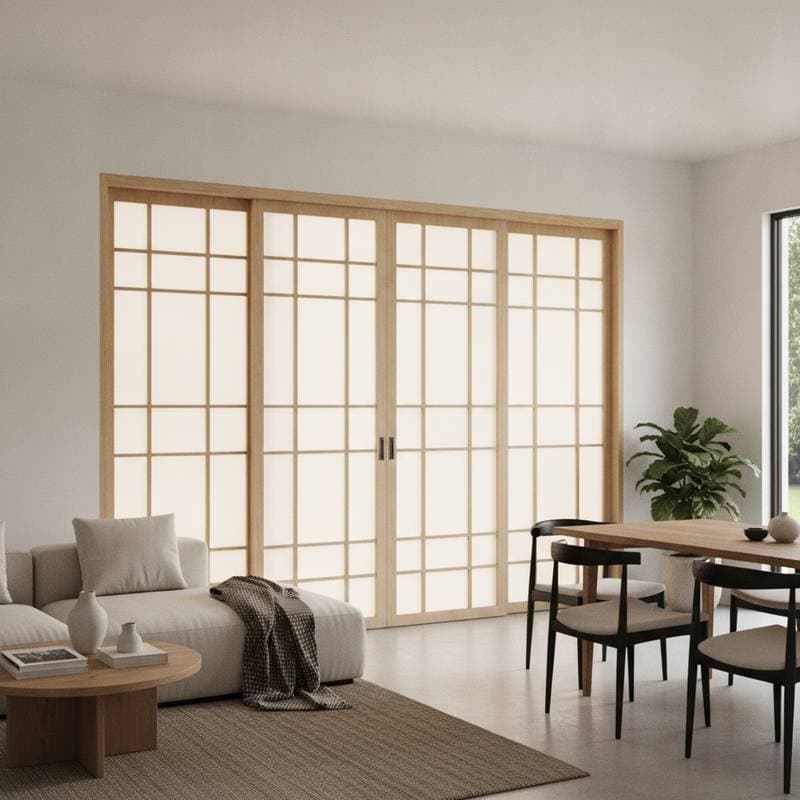
Japandi style draws from clean lines, organic materials, and restrained elegance. It combines the practical coziness of Scandinavian interiors with the tranquil minimalism of Japanese aesthetics, yielding spaces that feel inviting yet orderly.
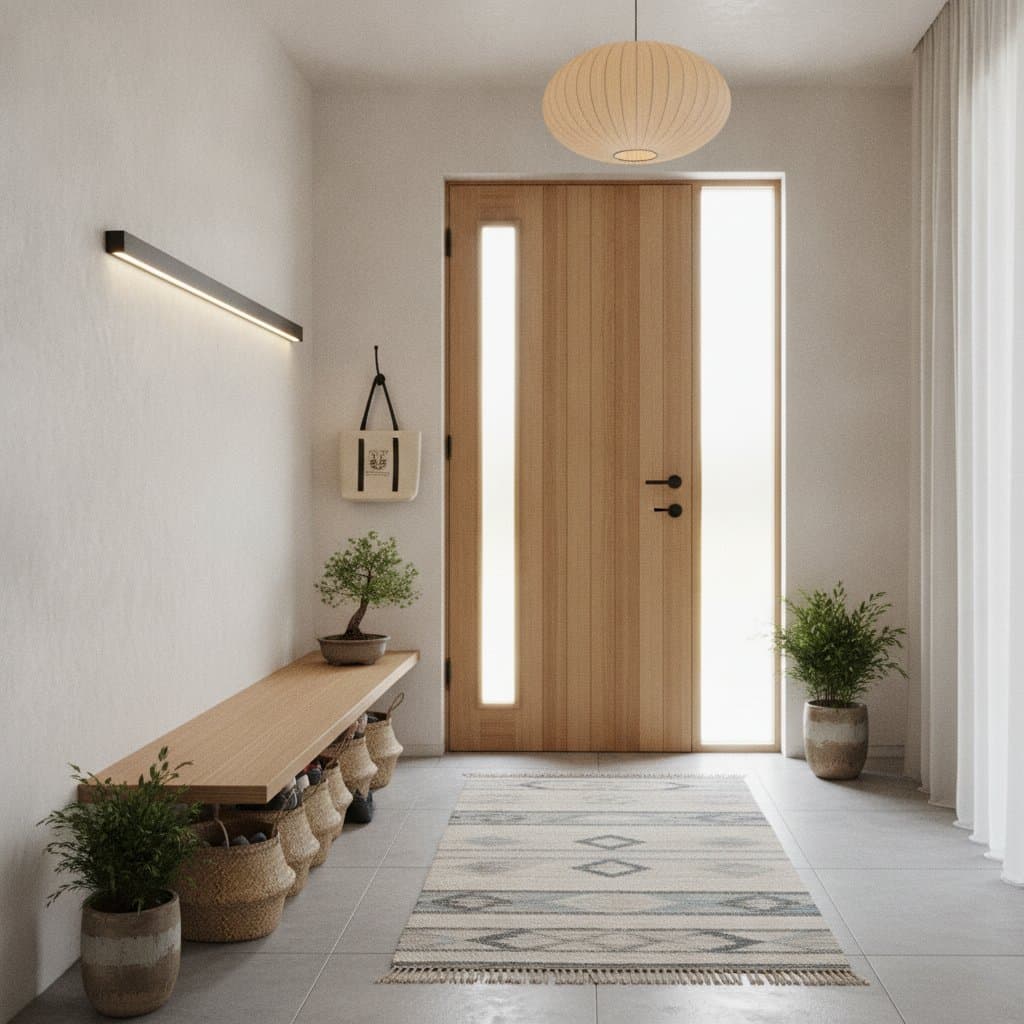
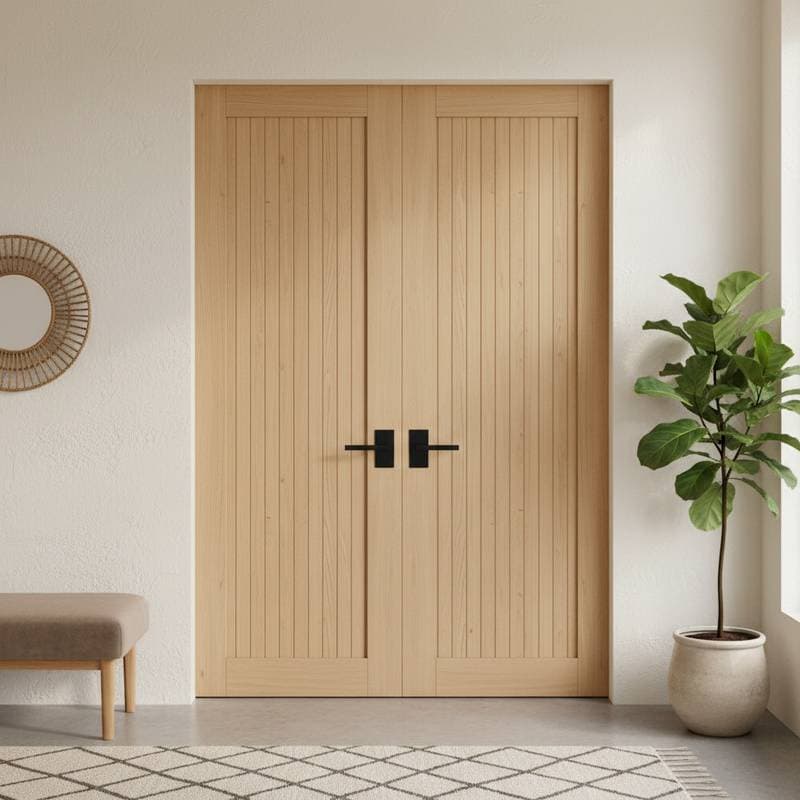
Applied to interior doors, this style features pale wood tones, slender frames, and simple hardware. Doors become integral design features, with smooth panels and subtle textures promoting tranquility rather than serving merely as barriers.
Breaking Down the Costs of a Japandi Door Upgrade
Expect to invest around $400 per door for a complete Japandi upgrade, encompassing the door itself and hardware. Costs vary based on selected materials, finishes, and regional labor rates. Those opting for self-installation might limit expenses to $250, whereas hiring professionals could elevate the total to $600.
| Component | Cost Range | Description |
|---|---|---|
| Solid Wood Door Slab | $200 to $350 | Options like light oak, ash, or birch provide natural warmth |
| Hardware (Handles, Hinges, Latch) | $60 to $120 | Finishes in matte black or brushed brass for minimalism |
| Professional Installation | $100 to $200 | Covers removal, fitting, and final adjustments |
| Optional Finishing (Stain or Clear Coat) | $40 to $80 | Improves longevity and ensures even coloration |
These estimates apply to standard interior doors measuring 30 to 36 inches in width. Custom dimensions, high-end materials, or specialty finishes may increase expenses by 20 to 30 percent.
Selecting Materials for Authentic Japandi Appeal
Choices in materials shape both the visual impact and the budget of door upgrades. Japandi favors genuine, touchable elements that evoke nature. Consider these primary selections to capture the essence.
| Material | Cost per Door | Key Features |
|---|---|---|
| Light Oak | $250 to $400 | Strong durability, even grain, pairs with matte hardware |
| Ash | $200 to $350 | Lighter hue, accepts stains uniformly |
| Bamboo Veneer | $180 to $300 | Eco-friendly, easy to handle, offers gentle texture |
| Painted MDF | $150 to $250 | Budget-friendly for solid white or gray surfaces |
While solid wood delivers superior authenticity, veneered or composite alternatives achieve comparable minimalism at reduced costs.
Choosing Hardware to Enhance the Aesthetic
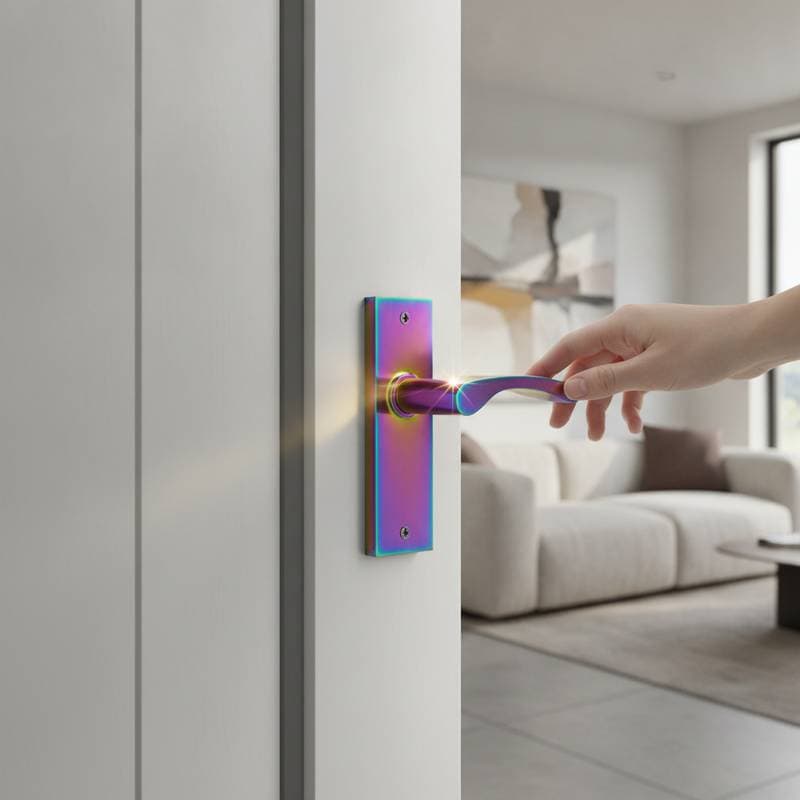
Hardware choices significantly influence the success of a Japandi look. Prioritize understated, purposeful elements over elaborate or reflective surfaces.
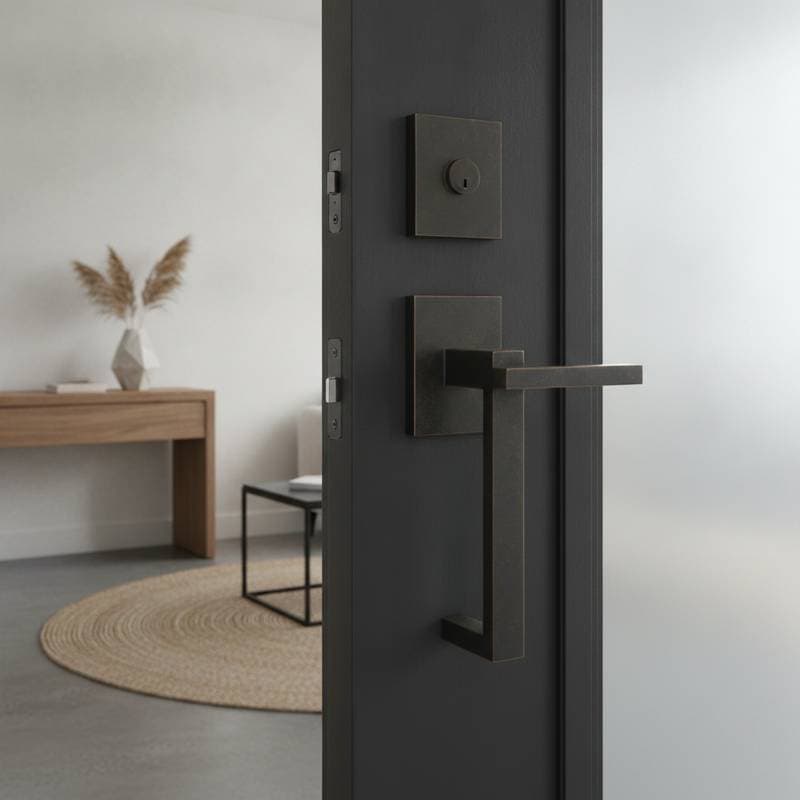
Popular options include matte black levers, brushed brass pulls, and champagne bronze accents. Slim profiles on lever handles suit flat-panel doors, while hidden hinges or pivot mechanisms minimize visual distractions.
| Hardware Finish | Cost Range | Design Benefit |
|---|---|---|
| Matte Black | $60 to $100 | Provides sharp contrast against pale woods |
| Brushed Brass | $80 to $120 | Introduces subtle warmth and dimension |
| Stainless Steel | $50 to $90 | Offers versatility and resistance to wear |
| Oil-Rubbed Bronze | $70 to $110 | Suits deeper tones in Japandi schemes |
Interior contractor Mason Clarke of Nordic Studio Interiors notes, “Homeowners often underestimate how much door hardware affects the overall tone of a space. Minimalist handles with soft finishes can completely shift the visual weight of a room.”
Navigating Installation and Labor
Engaging a professional proves valuable for solid wood or tailored doors, guaranteeing precise alignment and fluid functionality. Installers handle frame adjustments and ensure consistent gaps. Fees typically range from $100 to $200 per door, incorporating old door removal.
Standard openings facilitate quick work, often completed in hours. Challenges like irregular frames or structural modifications can raise costs by 25 percent. Measure openings accurately prior to purchase to prevent delays or additional fees.
Key Factors Affecting Project Expenses
Multiple variables shape the final cost of a Japandi door upgrade. Understanding them enables informed budgeting.
- Material Quality: Solid woods exceed veneers in price but offer longevity and refinishing potential.
- Hardware Selection: Designer or premium options increase costs while elevating authenticity.
- Installation Demands: Damaged frames necessitate repairs, adding to labor.
- Finishes Applied: Stains and sealants enhance appearance and protection at modest extra cost.
- Project Scale: Multiple doors may secure discounts from suppliers or installers.
Armed with this knowledge, set a feasible budget that preserves design integrity.
Integrating Japandi Doors Seamlessly
Japandi emphasizes harmony in scale, illumination, and equilibrium. Evaluate how new doors align with existing floors, walls, and furnishings. Light oak complements neutral palettes with dark accents, whereas ash harmonizes with soft grays or subdued greens.
Consistency across doors fosters unity; align trims and moldings for flow. Begin with high-impact zones like bedrooms or entryways if full replacement feels overwhelming. A few strategic updates can refresh the entire home's mood.
Deciding Between DIY and Professional Help
Individuals with basic woodworking experience can manage straightforward replacements using common tools. Yet, achieving perfect seals and alignments frequently demands expert intervention.
Self-installation cuts costs by $100 to $200 per door, but errors might require corrections that negate savings. For substantial wood doors, professionals ensure secure handling and compliance with codes. Verify that any hired team adheres to local regulations and selects appropriate hardware for the door's specifications.
Ensuring Longevity Through Maintenance
Japandi doors develop a natural patina over time. Simple upkeep sustains their clean appearance. Clean with a damp cloth and gentle soap periodically, steering clear of abrasives that harm surfaces.
Reapply clear varnish to wood doors every few years for protection. Refresh paint on coated doors to cover minor damage. Apply silicone lubricant to hinges annually for quiet, reliable movement.
Realizing Tranquility in Your Living Spaces
Upgrading to Japandi doors extends beyond aesthetics; it shapes daily comfort. Natural elements, soft colors, and practical forms cultivate peace. At $400 per door, this investment delivers sophisticated style minus comprehensive overhauls.
Homeowners pursuing enduring serenity find Japandi a viable solution. Initiate with select doors or expand gradually—the transformation proves swift and enduring.
Steps to Launch Your Upgrade
Identify priority doors and gather precise measurements. Source materials from reputable suppliers emphasizing sustainable options. Consult professionals early to align on budget and timeline, securing a serene home ready for 2025.