Achieving 85% Noise Reduction: The Power of Soundproof Doors in 2025 Homes
Homeowners increasingly select soundproof doors to foster serene and inviting interiors. In urban settings or lively family environments, diminishing noise by as much as 85 percent significantly elevates everyday well-being. This guide examines the mechanics of these doors, their pricing structure, and strategies for selecting the ideal choice for your residence.
Average Cost of Soundproof Doors
Installation of a soundproof door typically ranges from $1,000 to $4,000 per unit, encompassing materials and labor. Factors such as construction quality, material composition, and acoustic rating influence the final expense. Advanced models with enhanced sound barriers may extend to $6,000 for premium setups.
| Door Type | Average Cost (Installed) | Sound Reduction Rating (STC) | Best Use |
|---|---|---|---|
| Solid Core Wood | $900 to $2,500 | 30 to 35 | Bedrooms, studies |
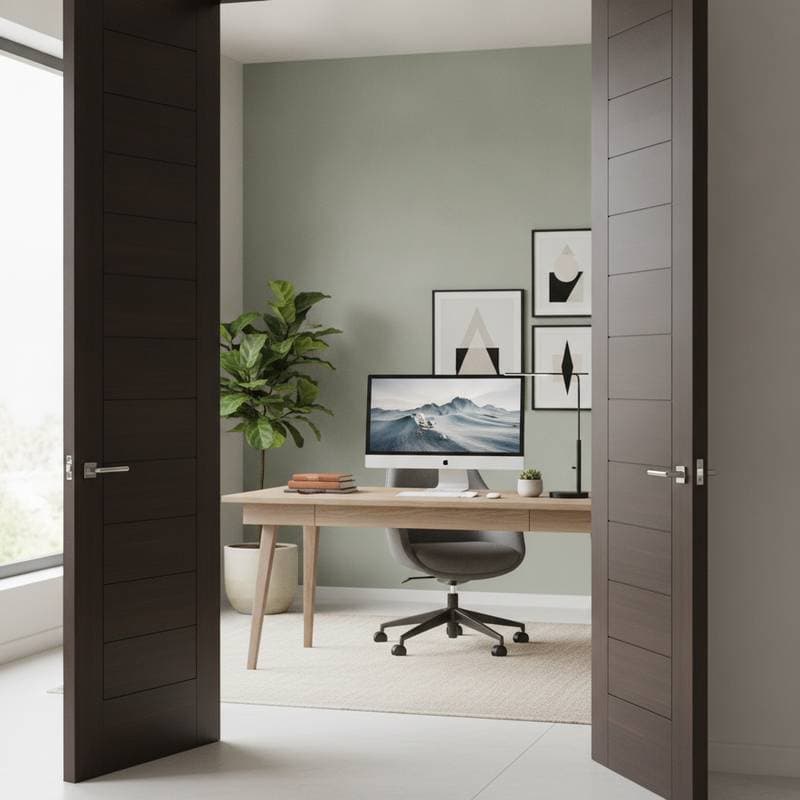
| Acoustic Composite | $1,500 to $3,500 | 35 to 45 | Home offices, media rooms |
| Sealed Metal Acoustic | $2,500 to $6,000 | 45 to 55 | Multi-unit homes, studios |
STC, or Sound Transmission Class, quantifies a material's capacity to impede airborne sound. Higher STC values indicate greater effectiveness in preventing sound passage.
How Soundproof Doors Work
Soundproof doors attenuate noise through the integration of dense cores, perimeter seals, and insulating layers. Common features encompass a solid interior core, compressible acoustic gaskets, and threshold seals that activate upon closure to eliminate gaps.
Conventional interior doors frequently feature hollow cores that permit sound to propagate freely. Substituting these with solid or composite variants, infused with damping compounds, achieves noise reduction of up to 85 percent. Upon installation, the enclosed space gains immediate acoustic isolation, fostering a markedly quieter atmosphere.
James Carter, a licensed contractor and acoustic consultant based in Atlanta, states, "The biggest difference comes from sealing every gap. Even premium materials lose effectiveness if air leaks remain."
Key Factors That Influence Cost and Performance
Multiple elements shape both expenditure and efficacy of soundproof doors. Consider these aspects during planning:
- Door Material: Solid wood or composite options deliver optimal cost-performance ratios. Metal variants provide peak isolation yet demand higher installation investments.
- Door Frame Quality: Frames equipped with integrated acoustic seals promote a snug fit, minimizing vibrations and drafts.
- Installation Precision: Expert fitting remains essential; minor misalignments can compromise noise-blocking capabilities substantially.
- Sealing Systems: Comprehensive perimeter gaskets and automatic threshold seals ensure uniform performance across all edges.
- Room Use: Moderate ratings suffice for bedrooms or offices, whereas studios or theaters necessitate elevated STC levels for professional-grade quietude.
When to Consider Upgrading to Soundproof Doors
Opt for soundproof doors if ambient sounds like family discussions, media playback, or external traffic penetrate closed doors. These upgrades prove particularly beneficial in:
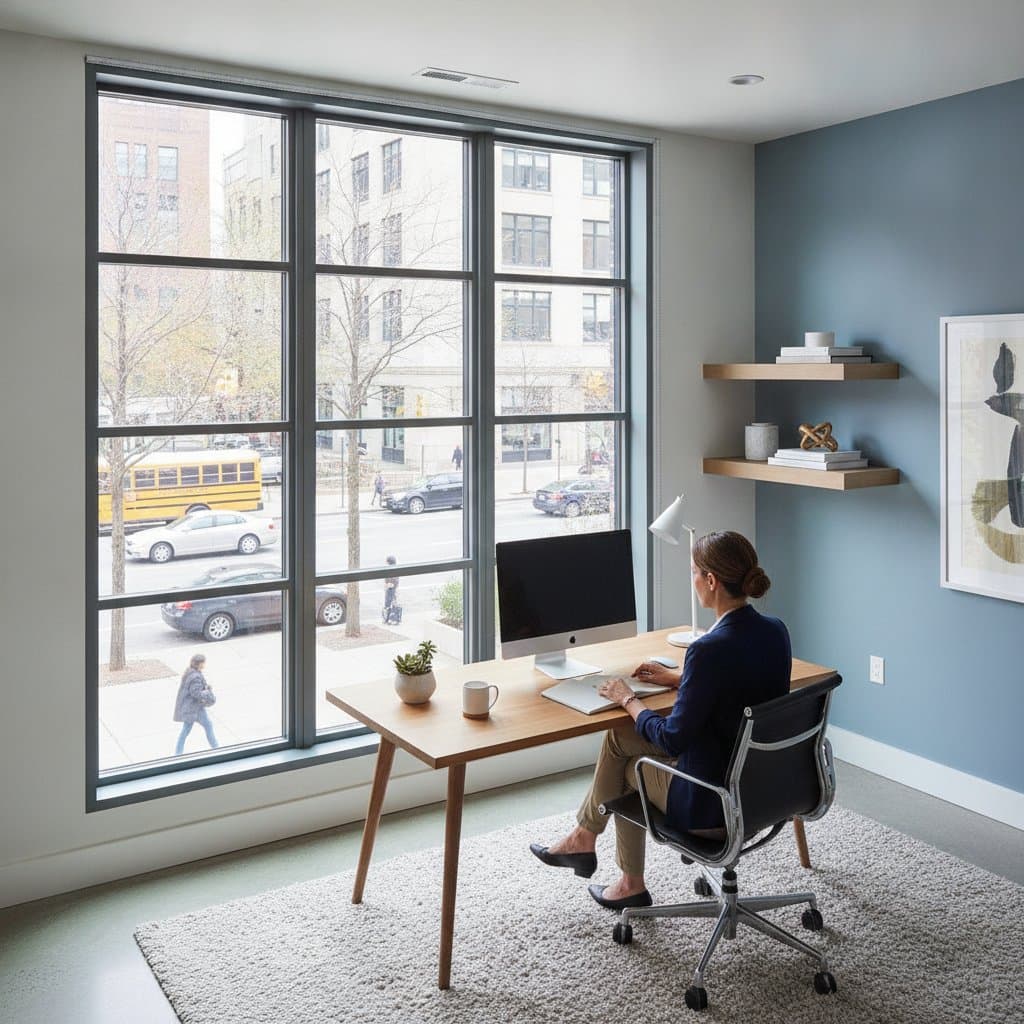
- Home offices, where focus drives productivity
- Apartments with adjacent units, to safeguard privacy
- Media rooms, for precise audio containment
- Nurseries, to support uninterrupted sleep cycles
Beyond functionality, soundproof doors enhance marketability, as prospective buyers prioritize serene and efficient home designs.
Professional vs. DIY Installation
Although DIY approaches appeal to some, soundproof doors demand meticulous calibration for optimal results. Professionals guarantee alignment within the frame, proper seal engagement, and adherence to technical standards.
Labor charges for experts range from $200 to $600 per door, covering old door removal, frame modifications, and secure fitting with seals. While self-installation cuts costs, imperfect seals or alignments often yield suboptimal noise control. For enduring reliability, enlist certified installers.
Maintenance and Long-Term Care
Soundproof doors demand little upkeep post-installation. Clean seals regularly and examine them biannually for degradation. Swift replacement of deteriorated gaskets or seals preserves acoustic integrity. Apply lubricant to hinges sparingly and secure hardware as needed to sustain fluid movement and tight closure.
Steps to Select and Install Your Soundproof Door
To initiate your upgrade, pinpoint rooms plagued by sound infiltration. Measure door openings accurately and consult STC requirements based on intended use.
Evaluate material durability against your aesthetic preferences, then secure quotes from reputable suppliers. Pair high-caliber components with skilled installation to realize 85 percent noise attenuation. This investment not only heightens privacy and ease but also bolsters your home's overall allure and worth, delivering a tranquil haven tailored to modern living.