Why Fiberglass Surpasses Wood Windows for 2025 Homes
Home exterior trends in 2025 emphasize materials that blend aesthetic appeal with robust functionality. Fiberglass windows stand out among choices by fulfilling both visual and operational needs. Property owners, previously drawn to wood for its natural warmth, increasingly select fiberglass for its pristine appearance, reduced care requirements, and sustained reliability.
The Advantages of Fiberglass in Contemporary Exteriors
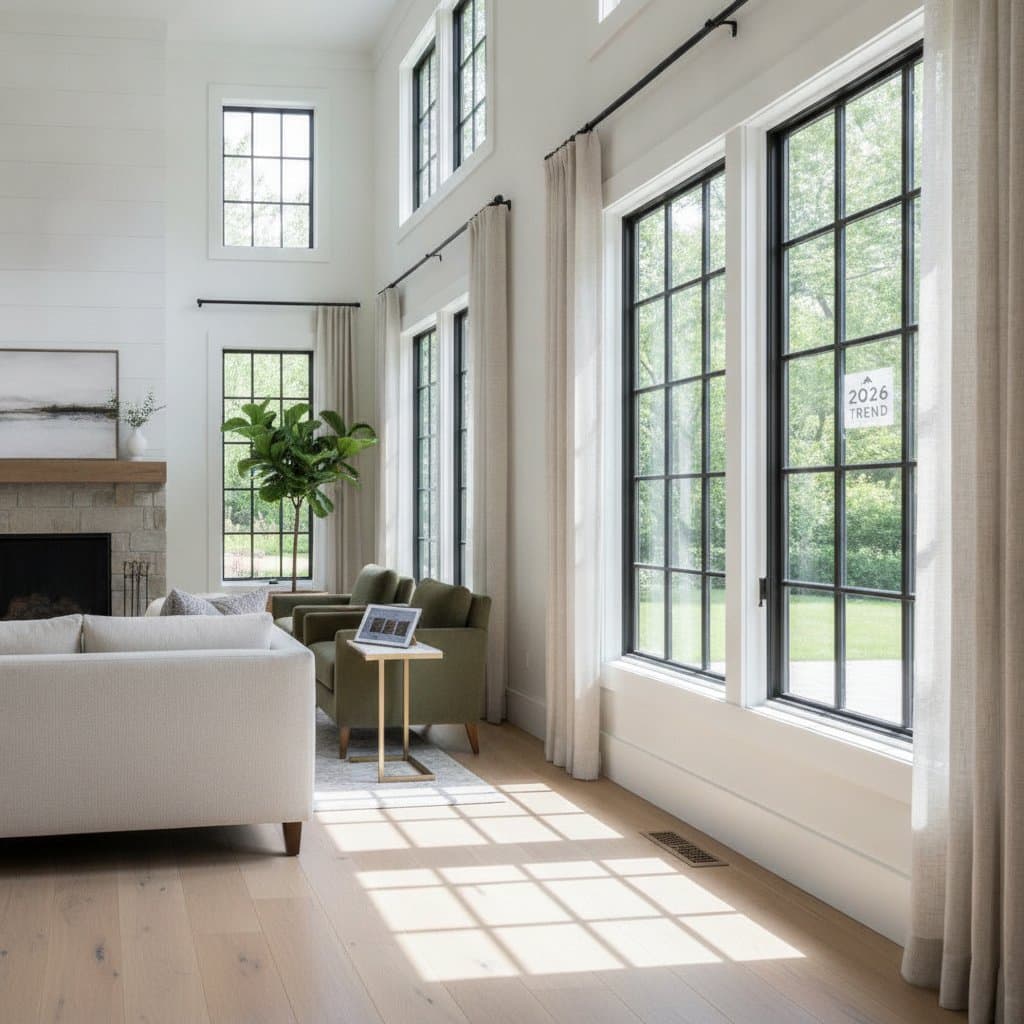
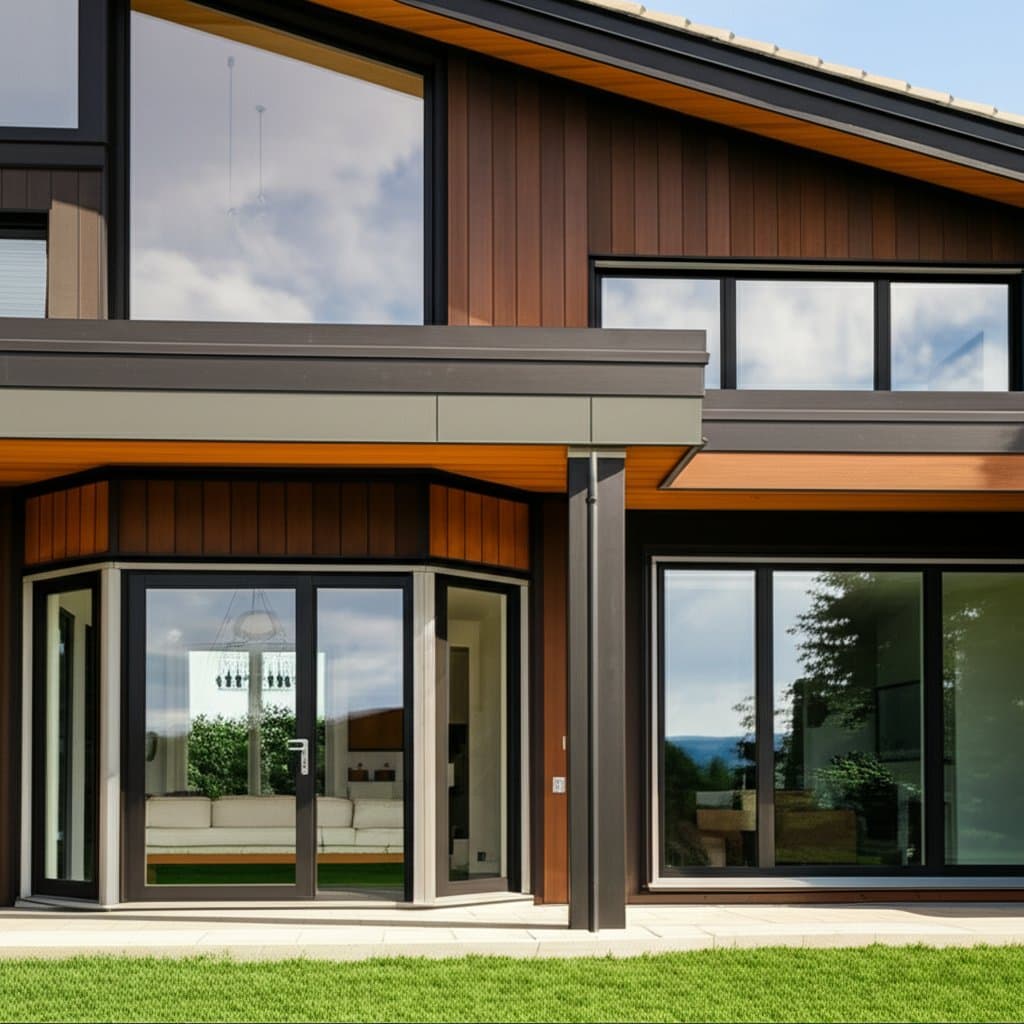
Fiberglass windows replicate the luxurious finish of painted wood while enduring environmental stresses more effectively. Their composition prevents expansion, fractures, and color loss, which suits regions with significant seasonal variations. These windows support narrow frame designs that maximize daylight entry without sacrificing insulation. Consequently, they deliver a sharp, up-to-date aesthetic that pairs seamlessly with styles ranging from modern farmhouses to seaside retreats.
Homeowners appreciate how fiberglass maintains structural integrity over decades, even in harsh conditions like heavy rain or intense sun exposure. Unlike wood, which may require frequent treatments, fiberglass preserves its form and hue through integrated pigmentation processes. This durability translates to fewer repairs and lower long-term costs, making it a strategic choice for forward-thinking renovations.
Three Strategies to Incorporate Fiberglass Windows
Budget-Friendly Strategy ($8,000 to $12,000)
- Select basic fiberglass frames with pre-applied finishes in neutral shades such as soft white or light gray.
- Incorporate straightforward grid configurations that echo classic wood patterns.
- Allocate resources primarily to visible front areas to optimize street-facing impact, opting for basic units at the back.
This approach suits entry-level projects where cost control remains key. It ensures a cohesive upgrade without overwhelming expenses, focusing on high-visibility elements for immediate visual enhancement.
Intermediate Strategy ($12,000 to $18,000)
- Advance to personalized hues like rich bronze or muted slate to provide contrast against pale exterior walls.
- Choose dual-layer glass featuring low-emissivity coatings for better thermal performance.
- Integrate ornamental molding or exterior shutters to add depth and harmonize windows with surrounding features.
At this level, customization elevates the overall design. Energy-efficient upgrades reduce utility bills, while added details create a more polished, integrated exterior.
Premium Strategy ($18,000 to $25,000)
- Opt for high-end fiberglass units with interior surfaces mimicking wood grain for versatile interiors.
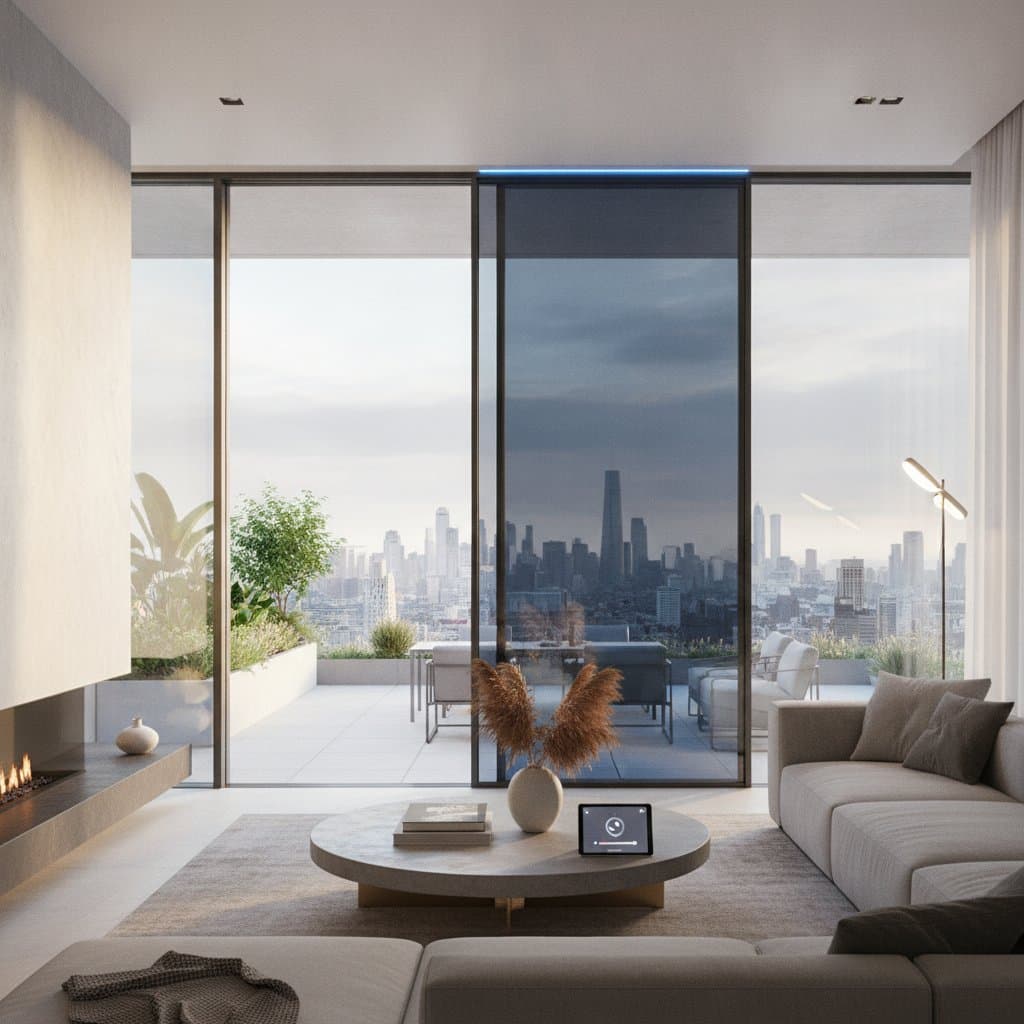
- Incorporate oversized fixed panes or multi-section sliding doors to frame scenic outlooks.
- Equip with triple-layer glass and built-in dividers for optimal insulation and visual intrigue.
Investing here yields transformative results. These features not only enhance aesthetics but also support sustainable living through superior energy retention.
Guide to Materials and Finishes
- Windows: Matte black frames offer striking definition against neutral backdrops. Lighter options like coastal white or sandy beige suit airy schemes. Select hardware in satin nickel or aged bronze for refined accents.
- Doors: Coordinate with fiberglass front doors in aligned tones. Doors with extensive glass panels foster a consistent, forward-looking vibe.
- Siding: Pair with sleek fiber cement or upright board-and-batten installations in subdued palettes such as pebble gray, weathered wood, or warm terracotta.
- Trim and Details: Apply broad trim boards in bright white or pale cream to accentuate window shapes and strengthen structural outlines.
Selecting complementary elements ensures a unified facade. Consider local climate when choosing finishes; for example, UV-resistant coatings benefit sunny areas.
Understanding Maintenance Needs
Fiberglass demands minimal attention, typically just periodic washing with gentle soap and water. Wood counterparts require regular sanding, fresh coats of paint, and protective sealants, which add time and expense. The embedded color in fiberglass prevents discoloration, preserving vibrancy for extended periods.
In moisture-rich or marine environments, fiberglass eliminates the distortion issues common in wood. This reliability extends the material's service life, often exceeding 50 years with proper care. Homeowners gain peace of mind knowing their investment withstands daily wear without constant intervention.
Common Pitfalls to Sidestep
- Neglecting Finish Harmony: Bold dark frames demand counterbalance. Pair them with pale trim or walls to prevent an overly dominant look.
- Undervaluing Professional Fitting: Superior fiberglass performs poorly if seals fail. Engage installers certified in composite handling for lasting results.
- Disregarding Regional Conditions: Fiberglass excels broadly, yet verify that glazing options align with area-specific efficiency standards, such as enhanced insulation in cold zones.
Addressing these areas upfront avoids costly corrections. A thorough planning phase, including site assessments, maximizes the material's potential.
Realize Timeless Appeal Through Smart Choices
Fiberglass windows deliver wood's grace minus the ongoing demands. They integrate smoothly into contemporary, hybrid, or classic facades, providing adaptability that sustains fresh appearances. By prioritizing durable components, matching aesthetics, and expert placement, owners secure an exterior that endures with ease and elegance.