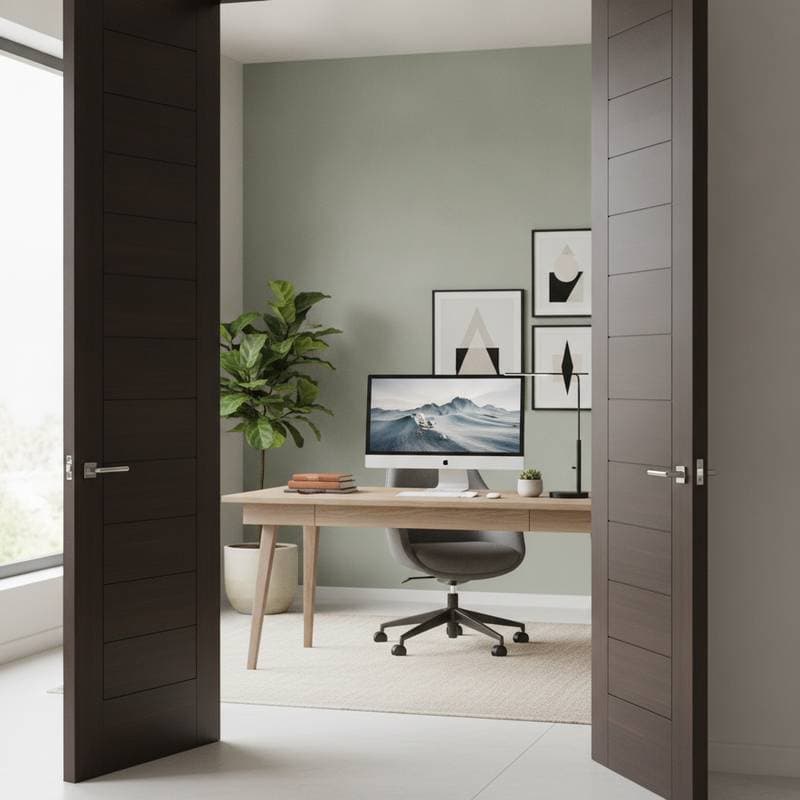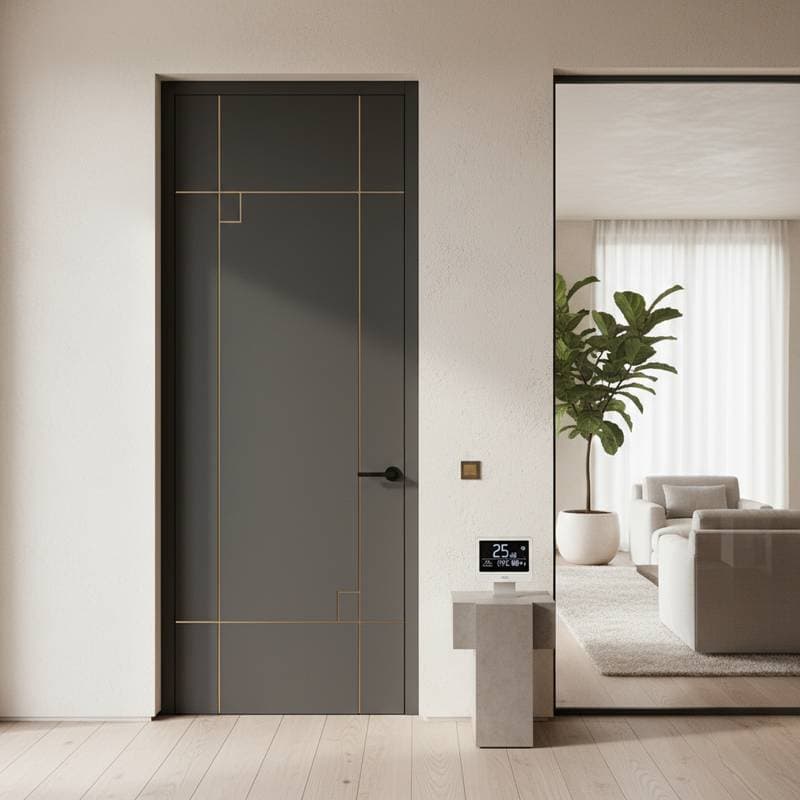
Why Acoustic Doors Define 2025 Quiet Luxury
A quiet home ranks among the most sought-after elements of contemporary living. With open floor plans and hard-surface materials gaining prevalence, managing noise emerges as a key design priority. Acoustic doors offer an elegant resolution, merging premium visuals with effective sound attenuation. In 2025, those who select acoustic doors discover that silence elevates beyond mere convenience to embody true luxury.
Average Cost to Install Acoustic Doors
Acoustic doors vary by material, thickness, and performance level. For a standard installation, expect costs between $1,000 and $4,500 per door, influenced by the sound transmission class (STC) rating, frame build, and surface finish. Installation labor contributes an additional $300 to $800, scaling with project intricacy.
| Door Type | Cost Range (Installed) | STC Rating | Best Use |
|---|---|---|---|
| Solid Core Wood | $1,000 to $2,200 | 30-34 | Bedrooms, offices |
| Acoustic Composite | $2,000 to $3,500 | 35-40 | Home theaters, nurseries |
| Sealed Acoustic Metal | $3,000 to $4,500 | 40-50 | Recording studios, high-noise areas |
Elevated STC ratings signify superior soundproofing. Conventional hollow-core interior doors register 20 to 25 STC, whereas top-tier acoustic models achieve 45 or more. Select based on your setting, targeted noise types, and aesthetic objectives.
Understanding What Makes a Door Acoustic
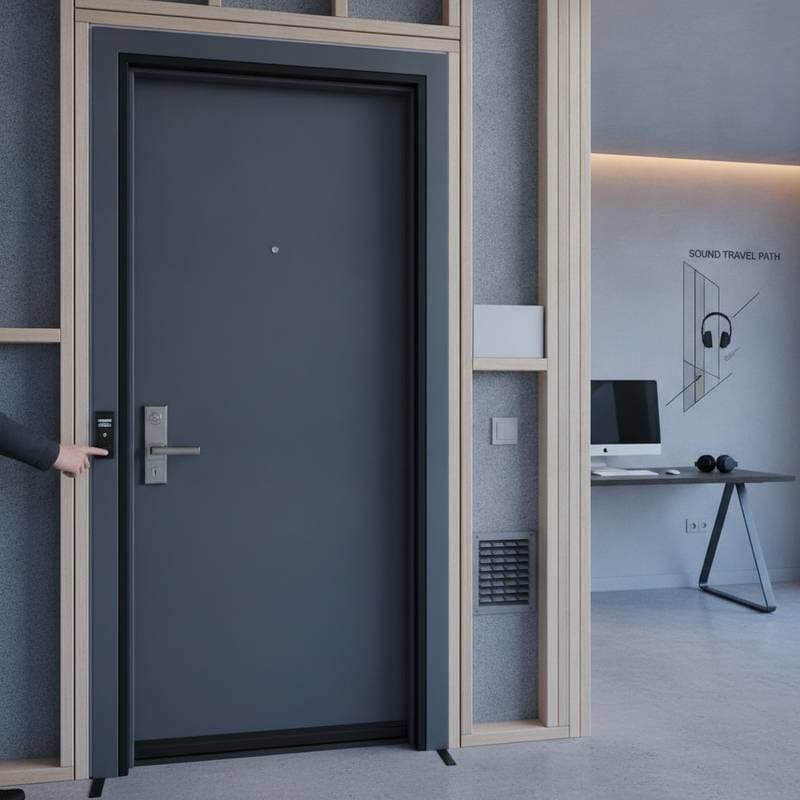
An acoustic door minimizes airborne sound passage between spaces. It incorporates dense cores, dedicated seals, and sturdy frames to block vibrations through potential openings. Certain designs employ multi-layer cores with elements such as mineral wool or acoustic foam to capture and dissipate sound waves.
Perimeter sealing proves vital. Features like automatic door bottoms, magnetic strips, and compression gaskets seal the acoustic boundary that ordinary doors overlook. Minor gaps can halve effectiveness, underscoring the value of expert installation.
Mark Jensen, a licensed contractor at SoundGuard Interiors, states, "Acoustic doors depend on exactness. A one-eighth-inch gap can slash soundproofing by half." Alignment and sealing match the importance of core composition.
Why Quiet Luxury Shapes Modern Interiors
Quiet luxury emphasizes subtlety over ostentation, fostering serene spaces where superior craftsmanship and ease prevail. Acoustic doors align seamlessly with this ethos. They mitigate sounds from appliances, ventilation systems, or active household zones, converting each area into a tranquil haven.
Property owners now integrate acoustic enhancements with amenities like underfloor heating or high-efficiency glazing. This approach yields harmonious surroundings where silence integrates into routine life, rather than serving as an incidental element.
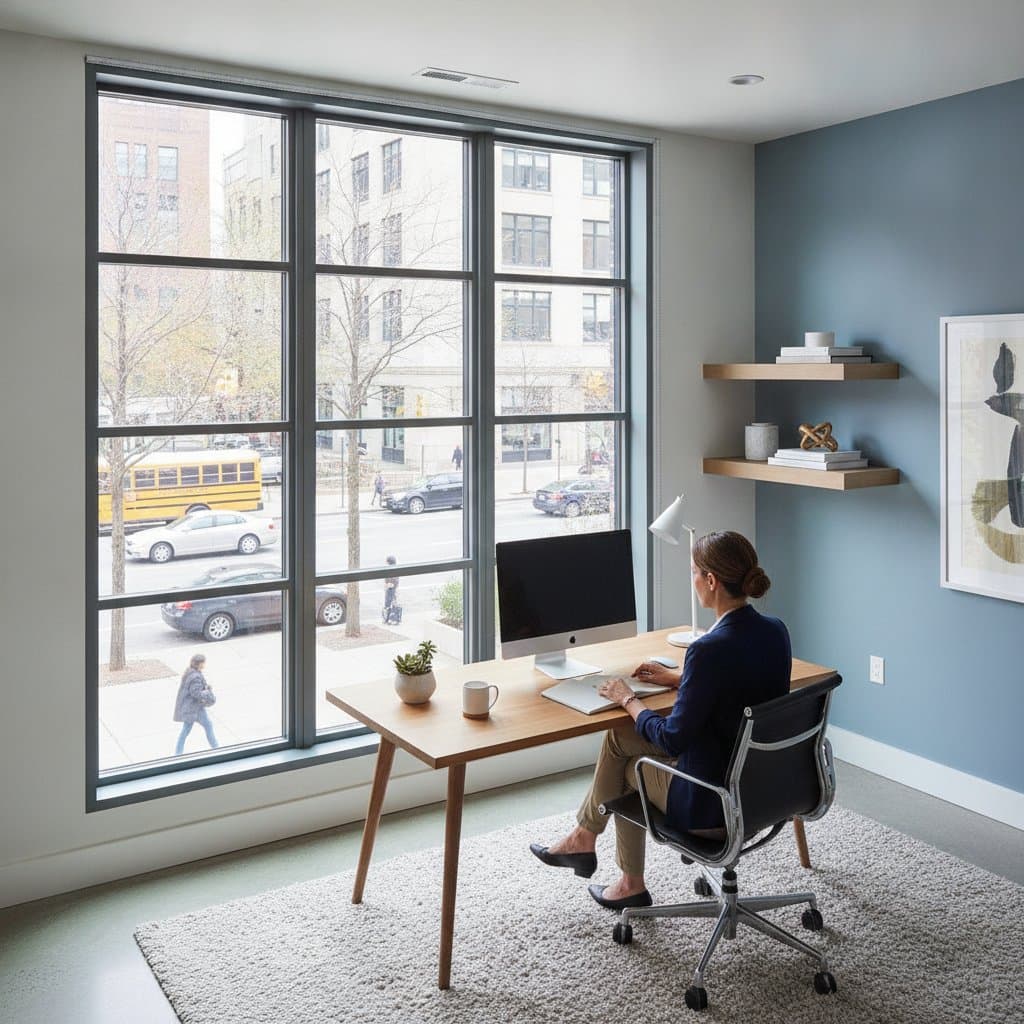
Architectural designer Emily Clarke notes, "Clients request sound management in unexpected areas, such as home offices and master suites. It represents a understated enhancement with profound impact."
Factors That Influence Acoustic Door Costs
Several elements determine overall expenditure:
-
Material Selection
Solid-core wood suits most homes. Composite or steel variants, though pricier, attain elevated STC levels for demanding applications. -
Dimensions and Customization
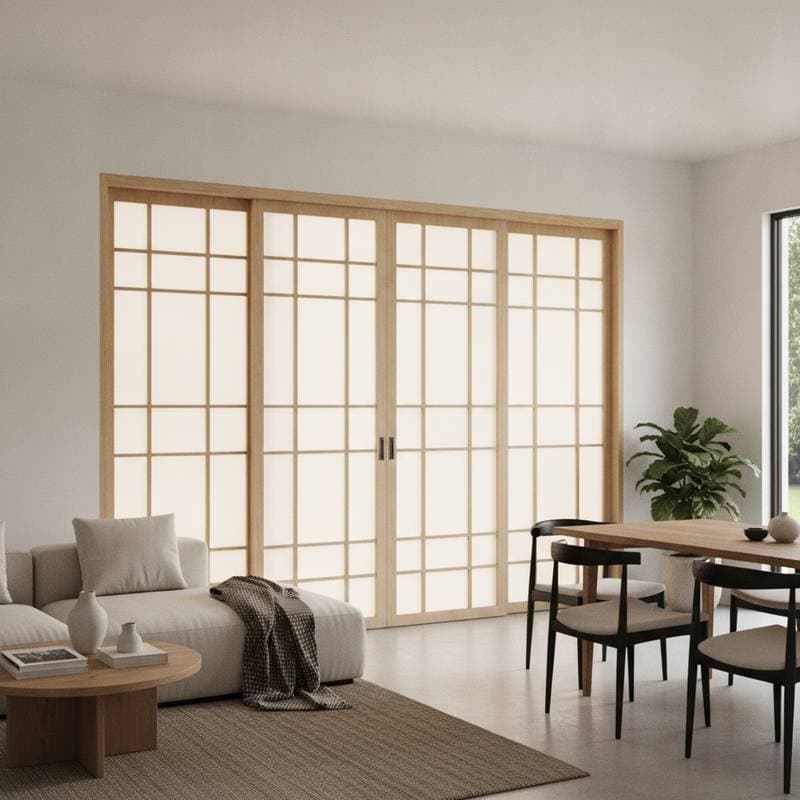
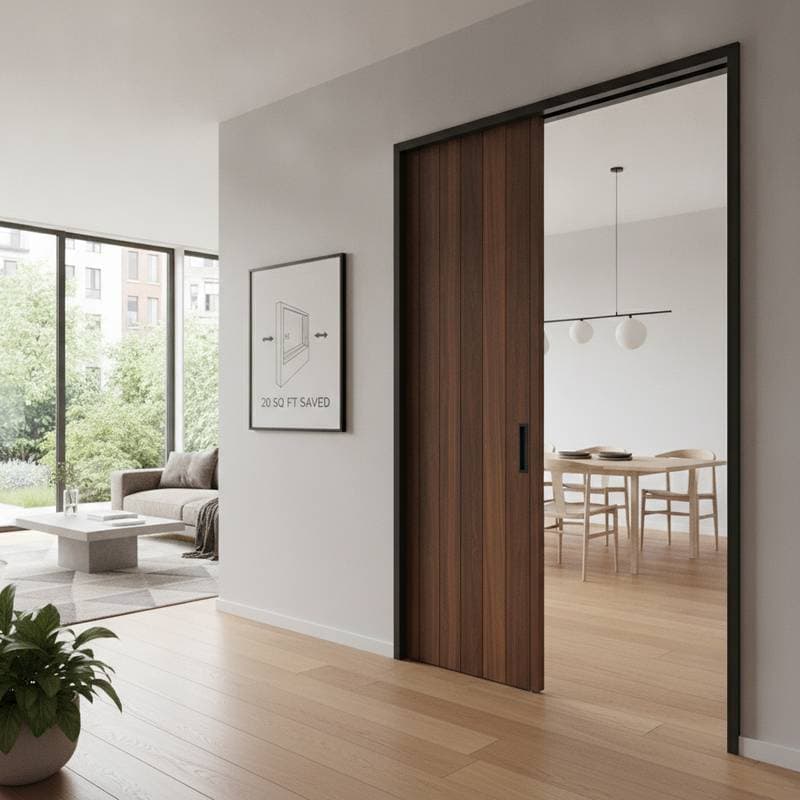
Oversized or bespoke doors demand extra resources and effort. Options like flush wall-door transitions or hidden hinges elevate labor charges. -
Sealing Mechanisms
Acoustic seals, drop seals, and dual gaskets increase expenses yet ensure optimal results. -
Finishes and Details
Veneers, painted surfaces, or embedded glass affect price and appearance. Acoustic glass additions, for example, raise costs by $400 to $1,000 per door. -
Installation Demands
Adapting vintage structures may involve frame alterations or threshold adjustments, extending time and fees.
Comparing Acoustic Materials and Performance
| Material | Sound Reduction | Durability | Maintenance |
|---|---|---|---|
| Solid Wood | Moderate | High | Occasional refinishing |
| MDF Core | Moderate to High | Medium | Low maintenance |
| Composite Acoustic Core | High | High | Minimal upkeep |
| Metal Core | Very High | Very High | Wipe-clean surfaces |
Wood endures as the aesthetic favorite for interiors, yet composite and metal cores excel in insulation. Producers increasingly provide hybrids blending wood exteriors with engineered acoustic interiors, preserving organic warmth alongside robust function.
DIY vs. Professional Installation
Mounting an acoustic door seems simple, yet optimal isolation demands accuracy. DIY attempts frequently compromise seals and alignment, diminishing STC outcomes.
Experts assess openings, deploy acoustic compounds, and calibrate fittings for secure edges. Allocating funds to qualified professionals safeguards the door's value. For premium acoustic achievements, hire specialists.
Benefits Beyond Noise Control
Beyond primary sound blocking, acoustic doors yield additional advantages:
- Energy Savings: Seals that halt noise also curb drafts, boosting thermal retention.
- Enhanced Privacy: They delineate zones, such as work areas from communal rooms.
- Property Appreciation: Demand for practical comforts elevates quiet homes in the market.
- Improved Rest and Concentration: Lower ambient noise aids health, efficiency, and repose.
These gains position acoustic doors as multifaceted improvements.
Maintenance and Care Tips
Preserve acoustic door efficacy through routine attention. Examine seals biannually for degradation or flattening. Wipe gaskets with gentle soap solution and verify closure for gaps. Lubricate hinges periodically and confirm latch operation.
Refrain from cutting or sanding, as such actions harm the core and impair isolation. Replace faulty seals without delay; kits range from $50 to $150 and reinstate performance upon proper fitting.
Integrating Quiet Luxury into Your Home
Acoustic doors elevate beyond noise suppression to refine home sensation and utility. Such serenity promotes concentration, calm, and seclusion. Target high-impact rooms first, then evaluate STC levels, materials, and styles suited to your vision. Collaborate with installers versed in acoustic and design principles to realize enduring tranquility.