Why $8K Electrochromic Glass Pays for Itself in 5 Years
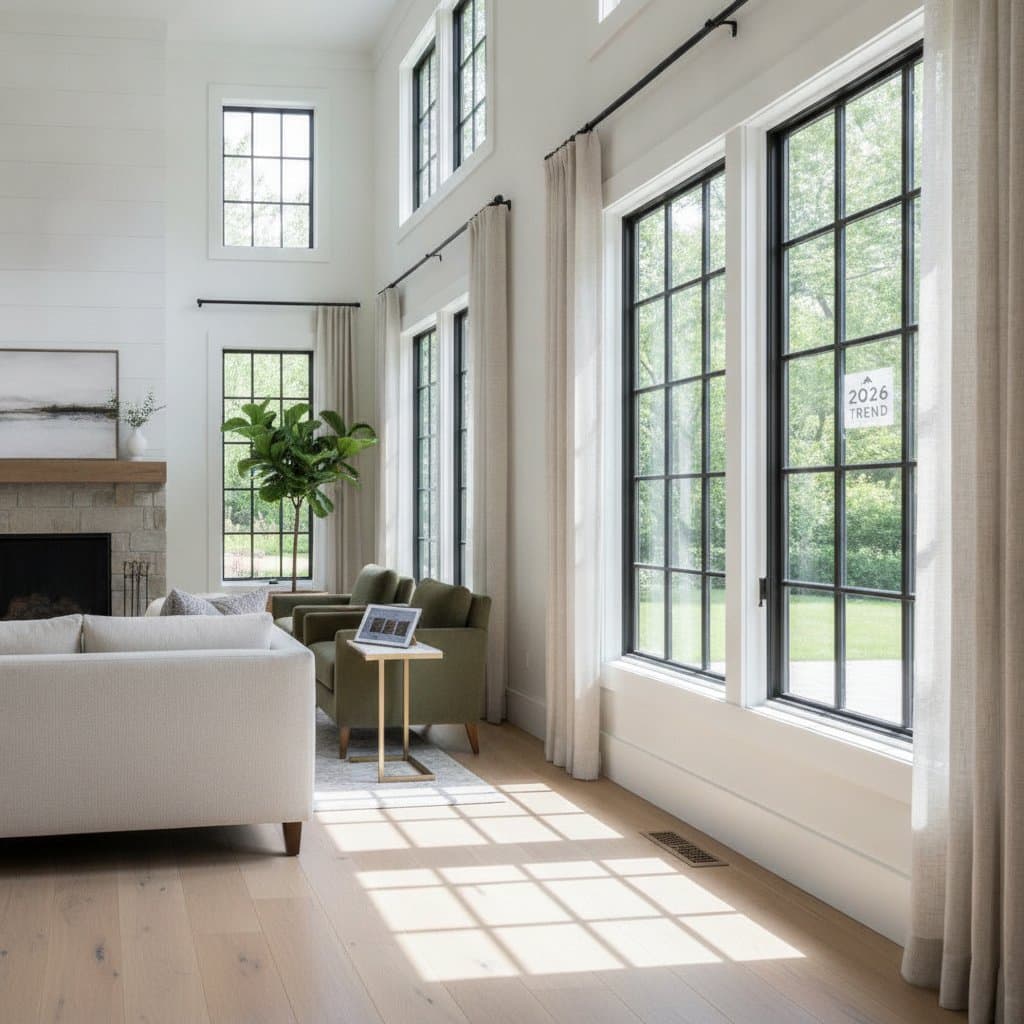
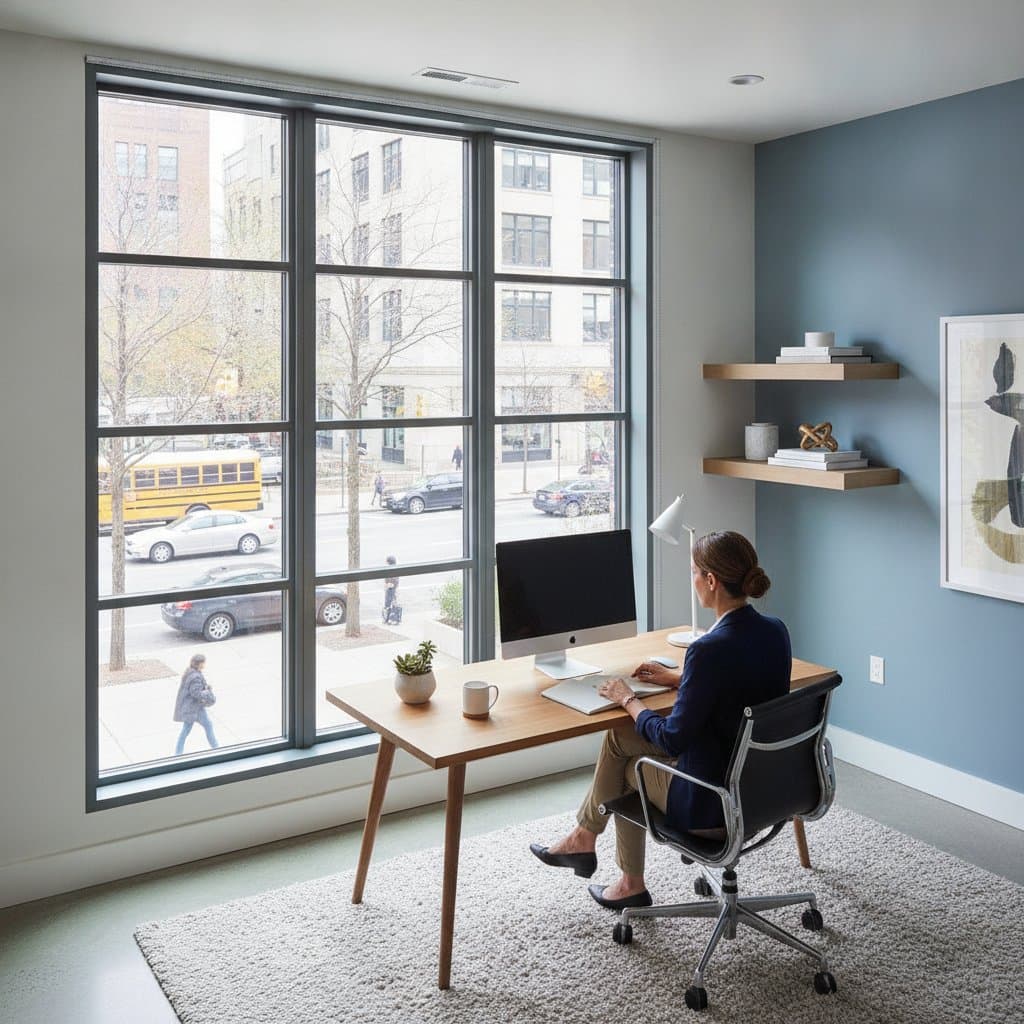
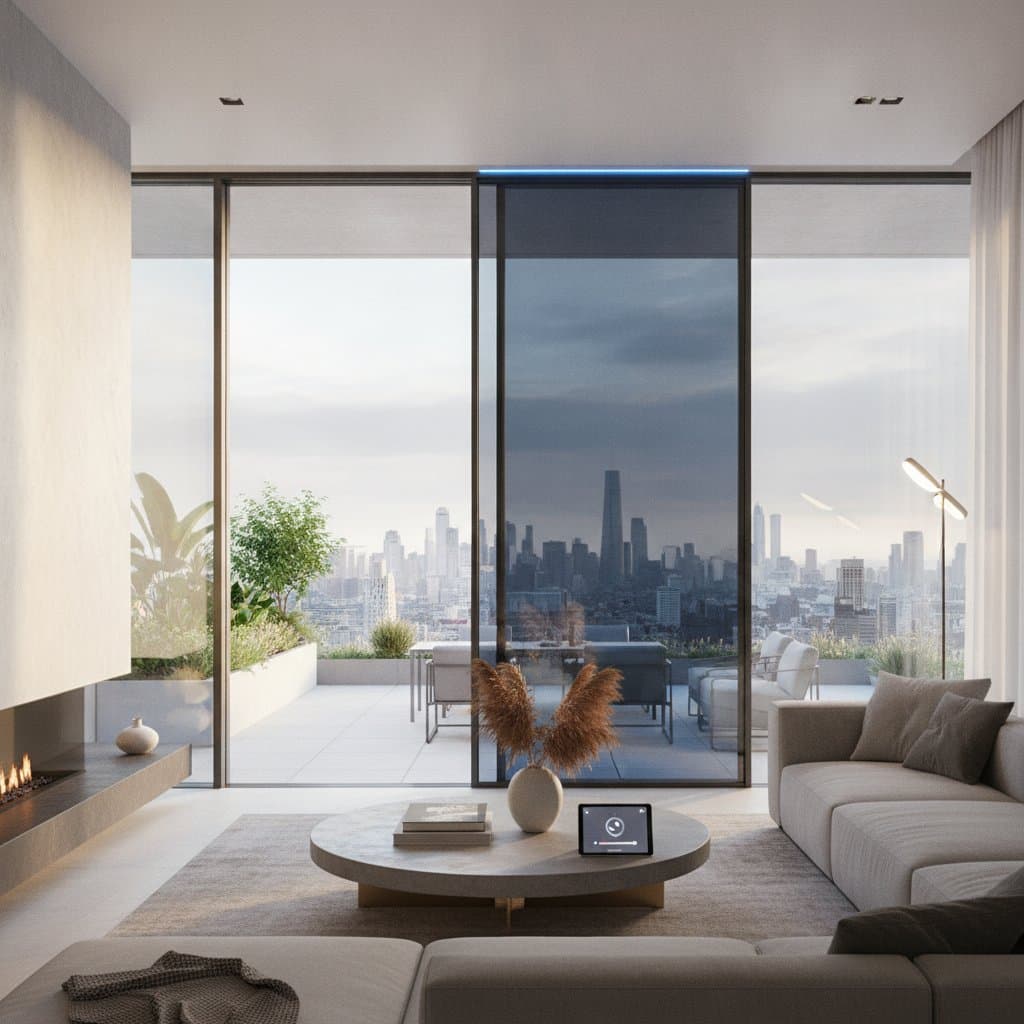
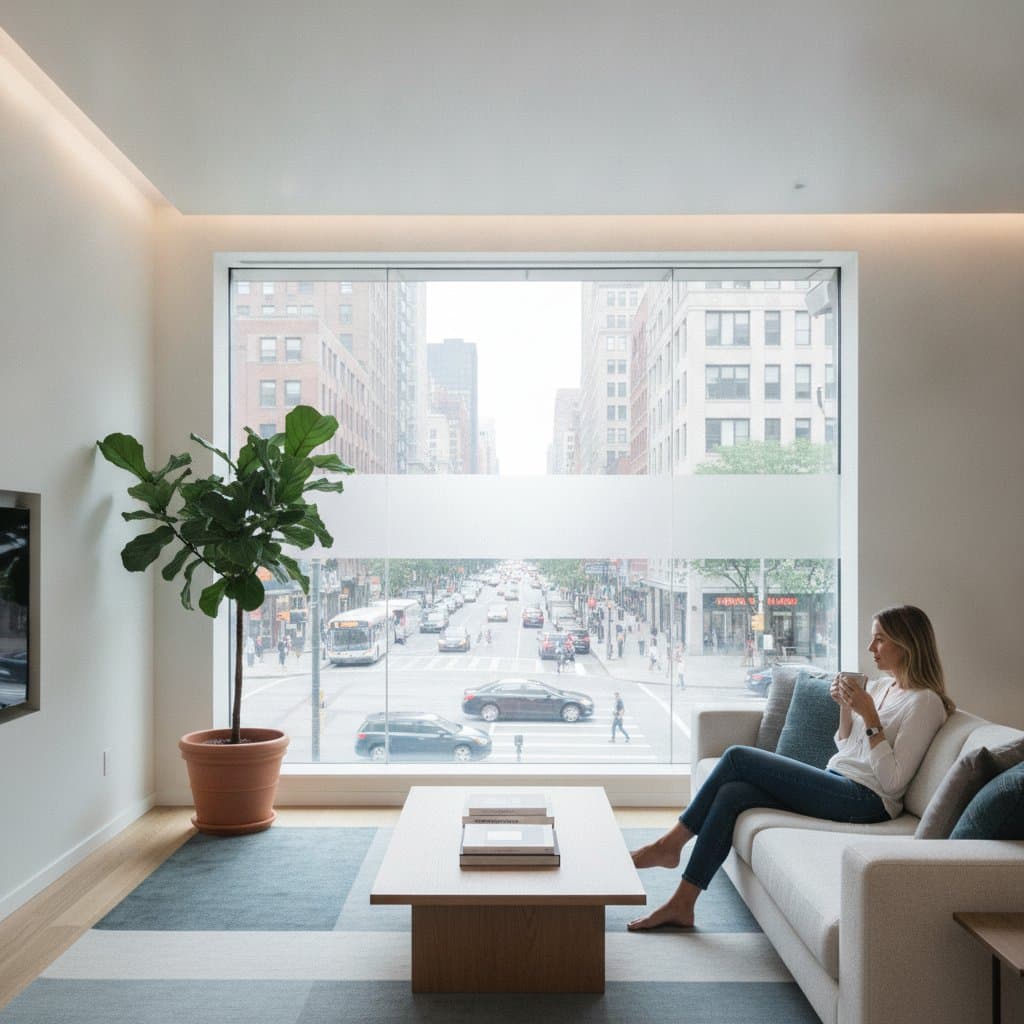
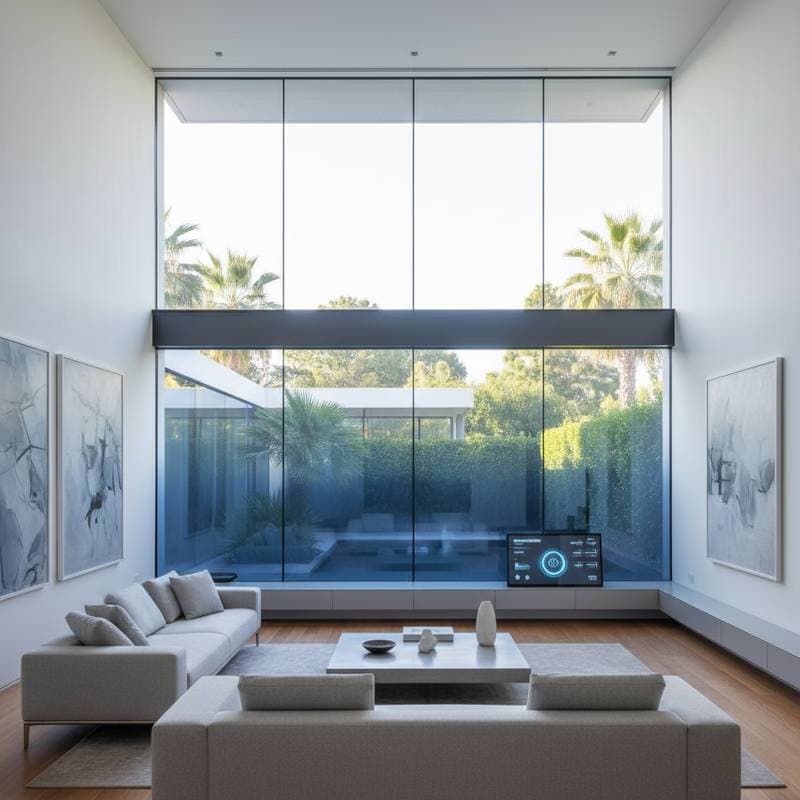
Smart windows have transitioned from science fiction to everyday reality. Electrochromic glass, also known as dynamic or tint-on-demand glass, allows homeowners to control light and heat with precision. This technology adjusts its tint automatically in response to sunlight levels, eliminating the need for traditional blinds or curtains while providing privacy, reducing glare, and maintaining comfortable temperatures. An average installation costs around $8,000, yet the benefits in energy savings, reduced maintenance, and enhanced comfort often lead to full cost recovery within five years.
The financial advantages extend beyond immediate utility bill reductions. Electrochromic glass prolongs the lifespan of heating, ventilation, and air conditioning systems by minimizing thermal stress. It also increases home resale value through its integration of advanced technology and modern aesthetics that align with contemporary design preferences.
Three Ways to Get This Look
Save Approach ($3,000 - $6,000)
Select standard double-pane low-emissivity glass for most windows and reserve electrochromic panels for areas with the greatest sunlight exposure, such as south-facing windows or sliding glass doors. Target installation in rooms where heat gain and glare impact daily activities most, like living rooms or kitchens. Equip these select windows with automated controls that adjust tint based on time of day or occupancy to maximize energy efficiency and user convenience.
This strategy achieves significant performance gains without committing to a full-home upgrade. Homeowners gain a noticeable improvement in comfort and style while controlling initial expenses effectively.
Mid-Range Approach ($6,000 - $10,000)
Install electrochromic glass in all primary living spaces and pair it with durable, energy-efficient frames made from vinyl or composites. Incorporate smart home systems that enable tint adjustments triggered by sensors monitoring sunlight intensity and indoor temperatures. Opt for frame finishes such as matte black or bronze that harmonize with modern exterior materials like fiber cement siding or stucco.
At this level, the setup delivers consistent comfort throughout the year and generates energy savings that offset costs progressively. The integration enhances daily living without overwhelming the budget.
Invest Approach ($10,000 - $16,000)
Apply electrochromic glazing across the entire home, using high-performance frames such as aluminum-clad wood or thermally broken aluminum for optimal insulation. Customize glass sizes to fit unique architectural features, include frameless doors where possible, and connect the system to smart lighting that syncs with tint changes for seamless operation. Prioritize components with proven durability to ensure long-term reliability and appeal to future buyers.
This comprehensive option suits homeowners committed to their property for the long haul or seeking to elevate its architectural presence. The rewards include superior efficiency, aesthetic refinement, and increased market value over time.
Maintenance Reality Check
Electrochromic glass demands less cleaning than conventional windows because it limits direct sunlight that draws dust and promotes condensation. Use mild, non-abrasive cleaners periodically to maintain clarity on the surfaces. The embedded electronics remain protected within sealed glass layers, providing a lifespan similar to high-quality double-pane units.
The true maintenance advantage lies in eliminated tasks. Homeowners avoid dusting blinds, replacing faded curtains, or dealing with weather-induced wear on shades. Reduced energy demands also ease the workload on HVAC systems, delaying the need for repairs or replacements. Manufacturers typically offer warranties covering performance for 10 to 20 years, ensuring sustained reliability.
Color and Style Coordination
Achieving a unified exterior appearance requires careful selection of colors that adapt to the glass's changing tones. As electrochromic glass tints, it shifts from clear to subtle gray or bronze hues, so siding and trim choices should support this variability.
Suggested Palette:
- Soft Charcoal: Provides strong contrast that accentuates the glass's tint transitions.
- Warm Clay: Pairs well with gray tones for an earthy, inviting exterior.
- Pale Graphite: Serves as a versatile neutral suitable for modern or traditional homes.
- Deep Blue-Gray: Amplifies the glass's reflective properties, perfect for waterfront settings.
- Matte White: Delivers sharp definition and brightness against darker tints.
Exterior lighting enhances these effects. Choose fixtures in brushed steel or matte black to subtly mirror the glass's hues, producing a sophisticated illumination at night.
Practical Implementation Tips
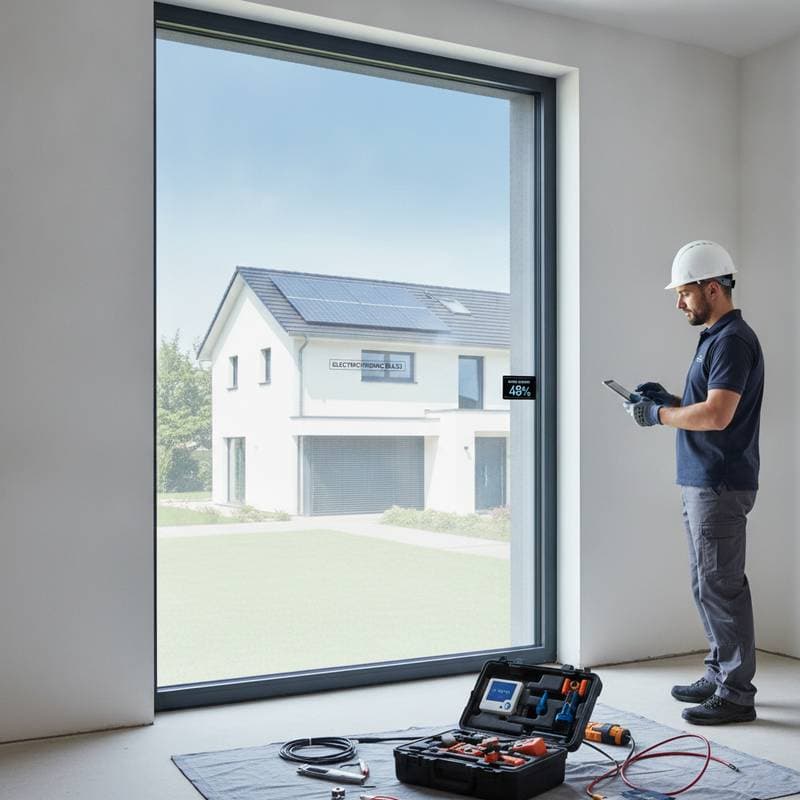
Collaborate with contractors experienced in glazing and electrical systems to ensure smooth integration of automation features. Prioritize windows on south and west orientations, where solar exposure peaks, for the greatest benefits; standard glass suffices for north-facing ones if funds are constrained.
Assess your local climate to tailor the setup. In high-sun areas, configure for deeper tint levels to achieve peak cooling savings; in cooler regions, emphasize configurations that preserve natural light while curbing heat escape. Install uninterruptible power supplies if outages concern you, though the glass reverts to clear mode automatically for safety.
Verify compliance with local regulations early. Some areas mandate particular electrical conduits or energy performance standards for dynamic glazing installations.
Your Style and Performance Checklist
Prepare thoroughly by gathering key information to guide selections:
- Exterior Photographs: Document all elevations to assess light exposure and overall balance.
- Architectural Style: Determine if your home favors modern lines, transitional elements, or classic details to select appropriate frames and finishes.
- Neighborhood Character: Review local aesthetics and HOA guidelines to ensure harmony in tint and color choices.
- Climate Considerations: Record typical sunlight hours, humidity levels, and temperature variations to specify optimal tint capabilities.
- Budget Parameters: Identify priority windows for maximum impact within your allocated funds.
This preparation simplifies consultations with suppliers and installers, aligning aesthetic preferences with functional outcomes.
Integrating Smart Glass for Lasting Benefits
Electrochromic glass elevates homes beyond mere upgrades, blending technology with thoughtful design. It fosters environments that respond intuitively to natural conditions, promoting comfort and efficiency daily.
The result is a living space where light and privacy adjust effortlessly, reducing reliance on manual interventions. For any home style, from sleek urban dwellings to rustic retreats, this investment yields practical savings alongside enduring visual and lifestyle enhancements.