Black Window Frames: The Choice of 73% of Builders
Black window frames emerge as a leading design element in contemporary home building and renovation projects. Builders indicate that approximately 73 percent of clients opt for black frames in new installations or replacements. This preference stems from the frames' refined, enduring appearance, which integrates seamlessly with modern and traditional architectures alike. The bold contrast they provide elevates windows from mere functional components to prominent architectural highlights.
Homeowners embarking on upgrades or construction should evaluate the expenses, care routines, and stylistic advantages of black window frames. Such knowledge supports informed decisions that yield durable, visually compelling results. The following sections outline essential considerations for adopting this sophisticated window option.
Key Reasons for the Popularity of Black Frames
Builders and designers emphasize multiple factors that position black window frames as a favored choice in current interior and exterior design. These elements blend visual allure with functional merits, accommodating diverse residential settings.
Striking Visual Contrast
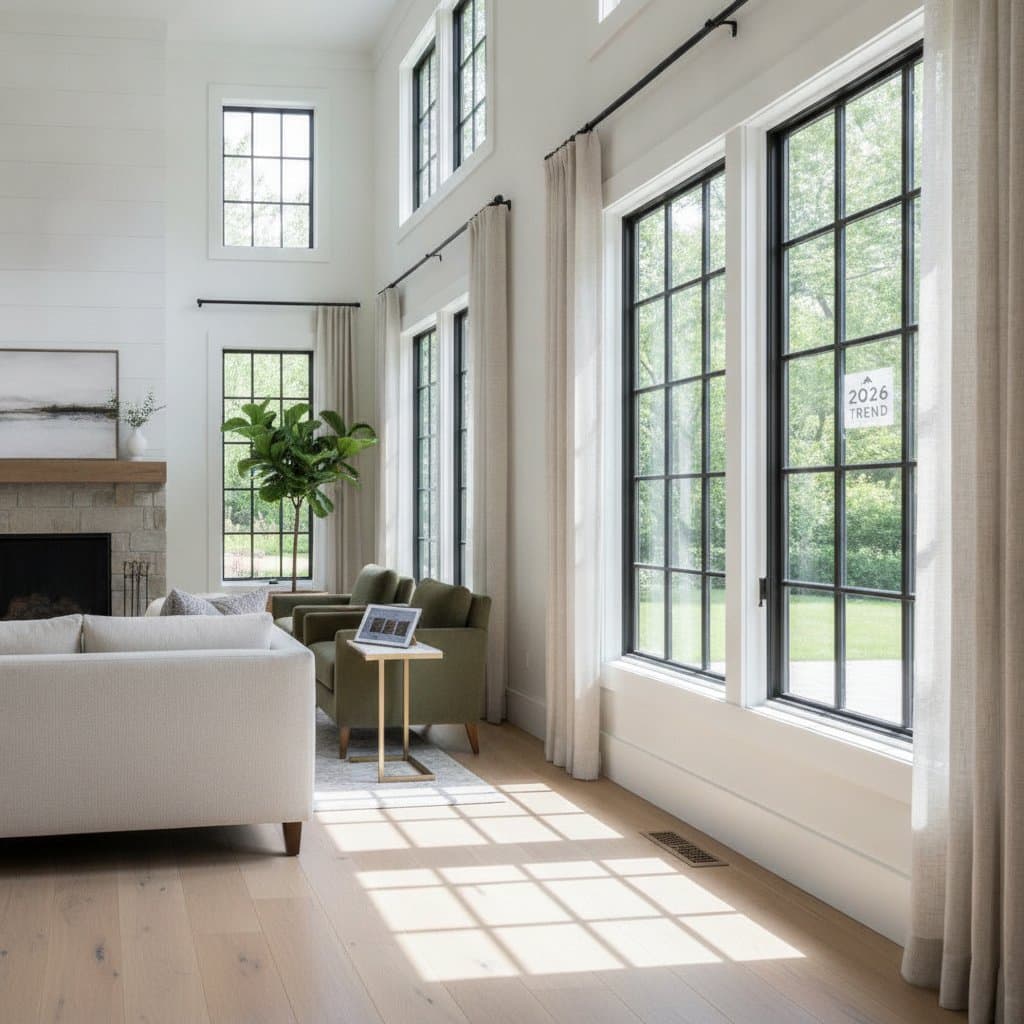
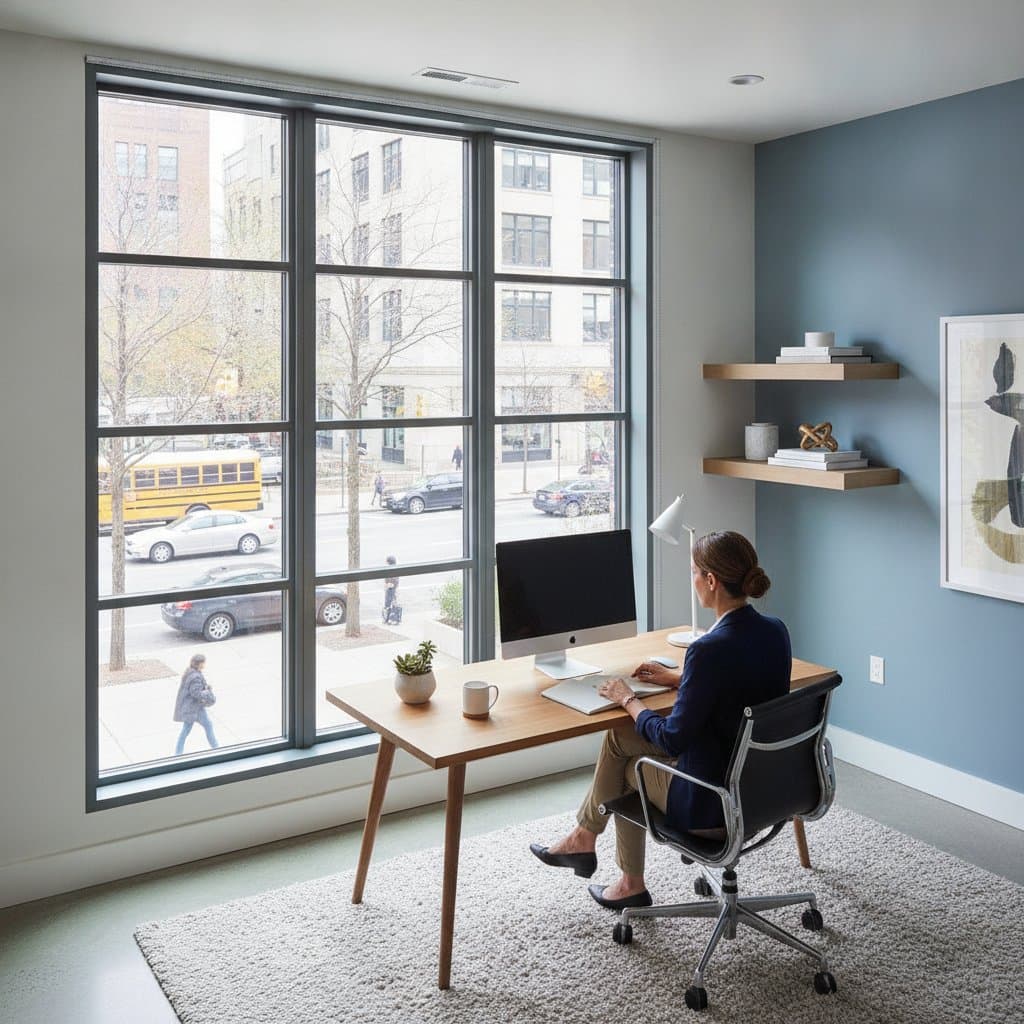
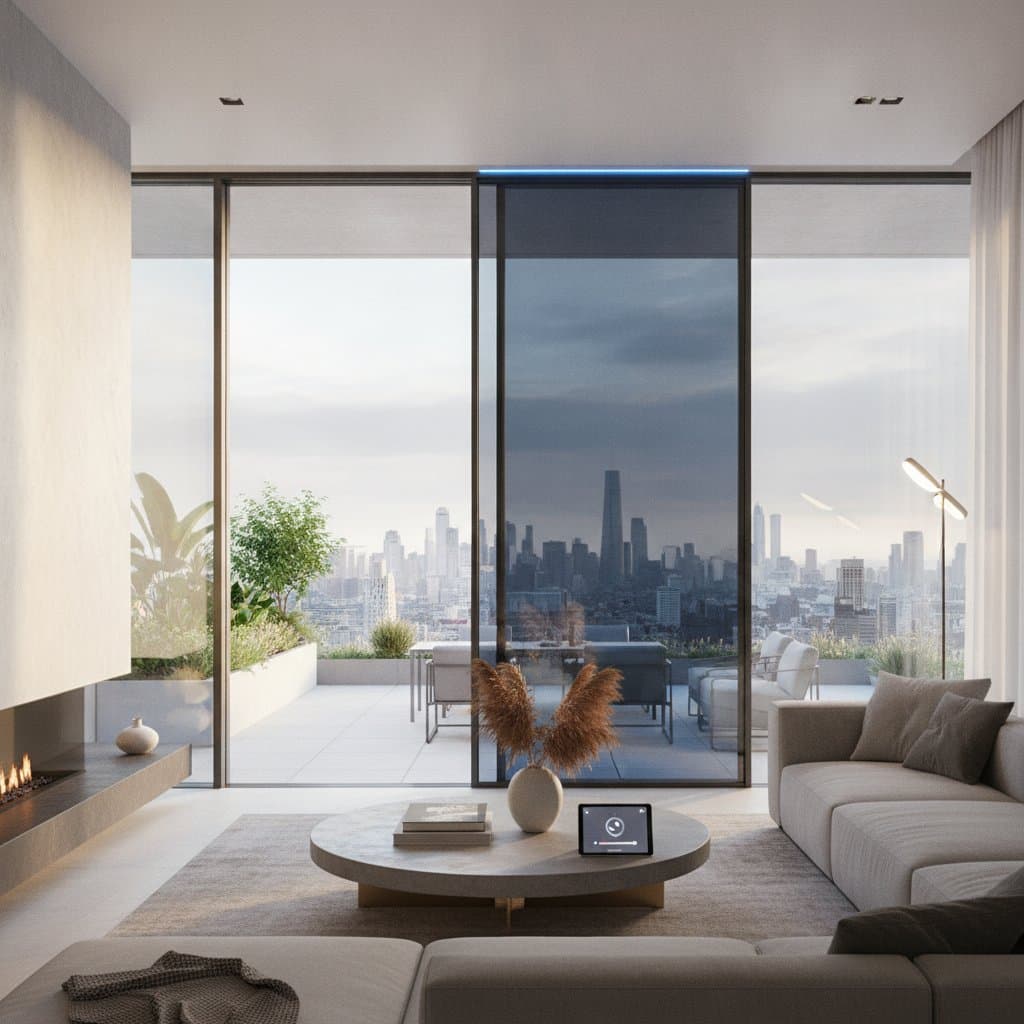
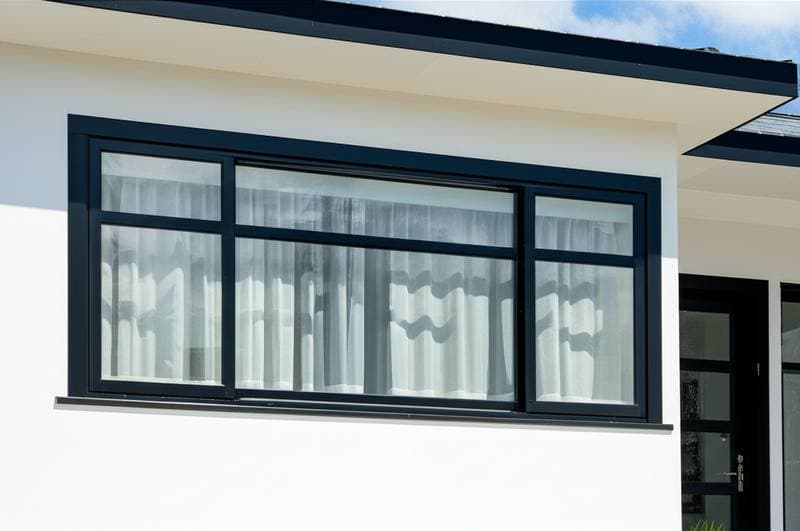
Black frames capture attention by outlining views of the exterior as if presenting framed artwork. In well-lit or streamlined interiors, the juxtaposition of dark frames against pale walls introduces dimension and structure. This technique transforms ordinary spaces into environments that feel intentionally designed and architecturally sophisticated.
Versatility with Design Styles
Although frequently linked to industrial or contemporary builds, black frames harmonize with rustic farmhouse, blended transitional, and even heritage traditional exteriors. Builders frequently employ them to connect varied textures, such as combining brick accents, wooden siding, and stone facades into a cohesive whole.
Aura of Premium Quality
Design experts note that black windows convey the essence of bespoke, upscale builds. Their sharp contours and decisive hue replicate the look of steel frameworks common in high-end residences and professional venues, yet utilize cost-effective alternatives like aluminum or fiberglass.
Effortless Upkeep Perception
The dark surface of black frames masks accumulation of grime, particles, and smudges more effectively than neutral tones. Cleaning remains necessary, yet the frames retain a polished aspect between sessions. This trait attracts homeowners seeking resilient elegance without demanding frequent attention.
Elements Affecting Overall Costs
Initial estimates provide a baseline, yet various components can substantially alter the final expenditure for black window frame projects.
Choice of Materials
Aluminum and fiberglass dominate selections for black frames, as these substances retain deep hues without distortion or discoloration over time. Wood and steel variants allow greater customization but incur elevated prices and necessitate periodic care.
Application of Finishes
Two primary approaches exist: color extrusion and painted application. In color extrusion, the black tone integrates directly into the material during manufacturing, ensuring longevity and resistance to environmental wear. Painted surfaces permit broader personalization, though they might demand periodic refinishing to sustain vibrancy.
Dimensions and Configurations of Windows
Expansive fixed-pane or bespoke angled windows demand additional framing and reinforcement, thereby raising both supply and installation fees. Standard configurations, such as single-hung or side-opening casements, prove more economical on an individual basis.
Enhancements for Energy Performance
Incorporating dual or triple layers of glass, low-emissivity treatments, and thermally insulated frames elevates upfront costs. However, these upgrades reduce ongoing utility expenses, often recouping the investment through decreased heating and cooling demands within a few years.
Essential Installation Practices
The process of fitting black window frames adheres to standard protocols for any hue, with specific precautions to achieve superior outcomes.
Effective Sealing and Weatherproofing
Dark frames absorb warmth, leading to more pronounced expansion and contraction cycles. Skilled installers apply adaptable sealants and accurate flashing techniques to manage these shifts while upholding barriers against moisture and air infiltration.
Safeguarding the Surface Finish
For frames with applied paint rather than inherent color, handlers must exercise caution to prevent abrasions. Installers can remedy minor imperfections using kits endorsed by the producer, preserving the uniform appearance.
Alignment with Building Features
Prior to fitting, verify compatibility between the black frames and surrounding components like trim, cladding, and roofing. Homeowners commonly juxtapose black frames against crisp white, subtle gray, or untreated wood exteriors to foster dynamic interplay and equilibrium.
Care Routines and Durability
Black frames conceal residues adeptly, yet periodic maintenance preserves their condition. Apply a solution of gentle detergent and water for cleaning, steering clear of abrasive agents that might erode the surface. For coated frames, conduct yearly examinations for wear and apply repairs promptly to avert deterioration or color loss.
Fiberglass and vinyl frames demand minimal intervention. Aluminum and steel require occasional checks for surface reactions, whereas wood-covered options may benefit from renewal treatments every several years, influenced by sun exposure and humidity levels.
Options for Alternatives and Personalization
Individuals drawn to the contemporary vibe but preferring a subtler tone might consider deep bronze or slate-gray frames, which deliver comparable sophistication with moderated intensity. Certain producers provide dual-color schemes, such as black on the outside paired with neutral or textured interiors, expanding adaptability.
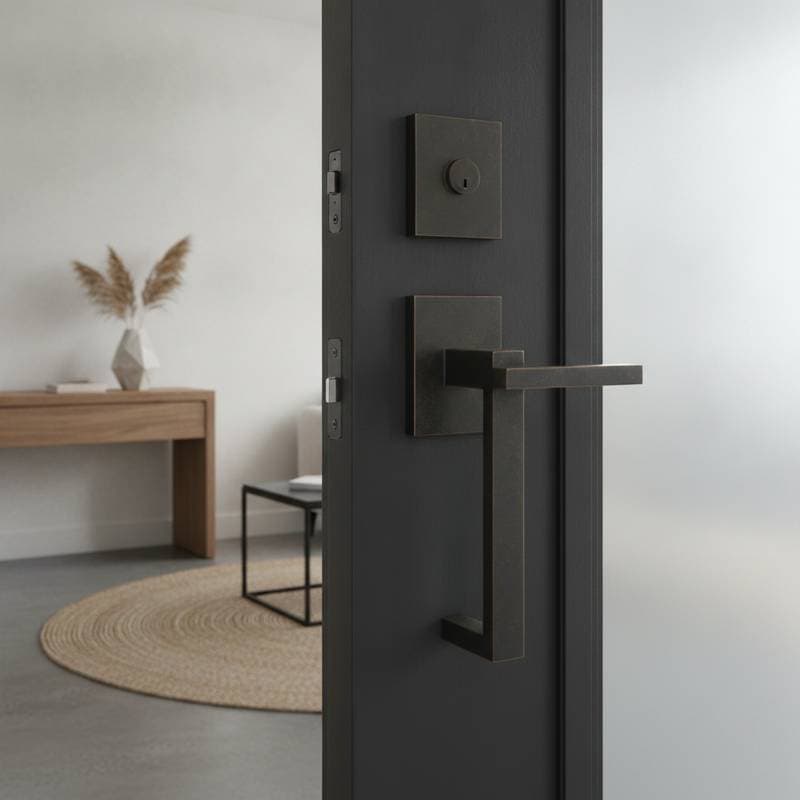
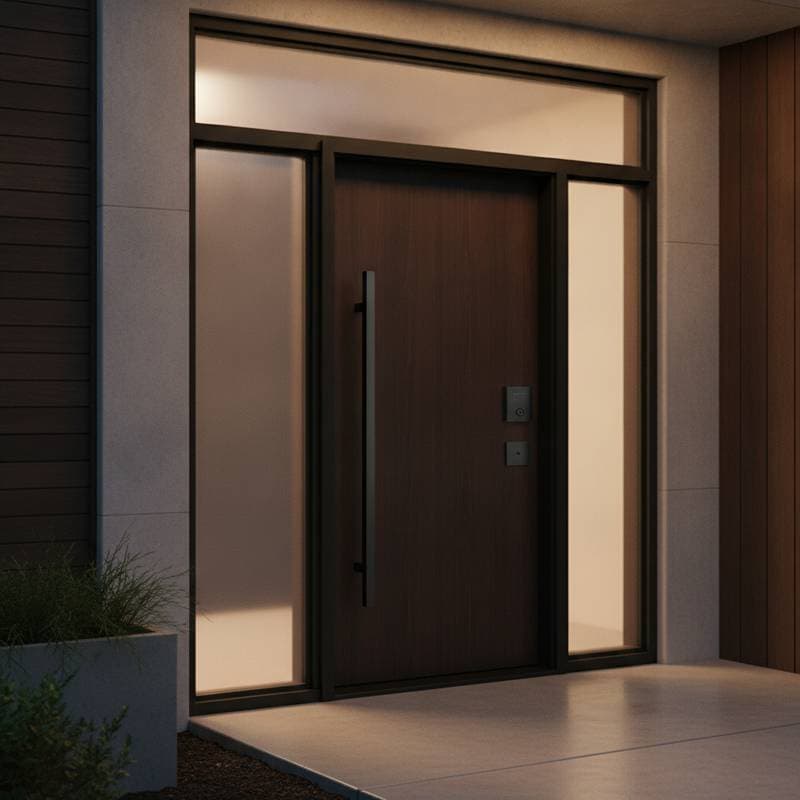
A matte texture prevails for black frames, though satin or durable powder finishes suit preferences for heightened sheen. Selecting matching fixtures, like satin nickel or dark-toned pulls, unifies the aesthetic across entry points and glazing.
Benefits of Hiring Experts for Installation
Seasoned do-it-yourself enthusiasts might manage replacements in vinyl units, but experts are advisable for black-framed systems, particularly those in metal. Exact positioning and airtight seals avert distortions and moisture accumulation. Qualified professionals also protect the coating integrity throughout the process.
Expert services generally contribute 150 to 400 dollars per window, scaled by dimensions and site challenges. This allocation prolongs the units' service life and upholds the refined allure central to black frames.
Sustaining Performance and Value
To maximize the advantages of black window frames, integrate them thoughtfully into your home's design scheme. Regular inspections and timely care ensure they continue to enhance both aesthetics and efficiency. Homeowners who select black frames often report heightened satisfaction with their property's modern edge and enduring appeal.