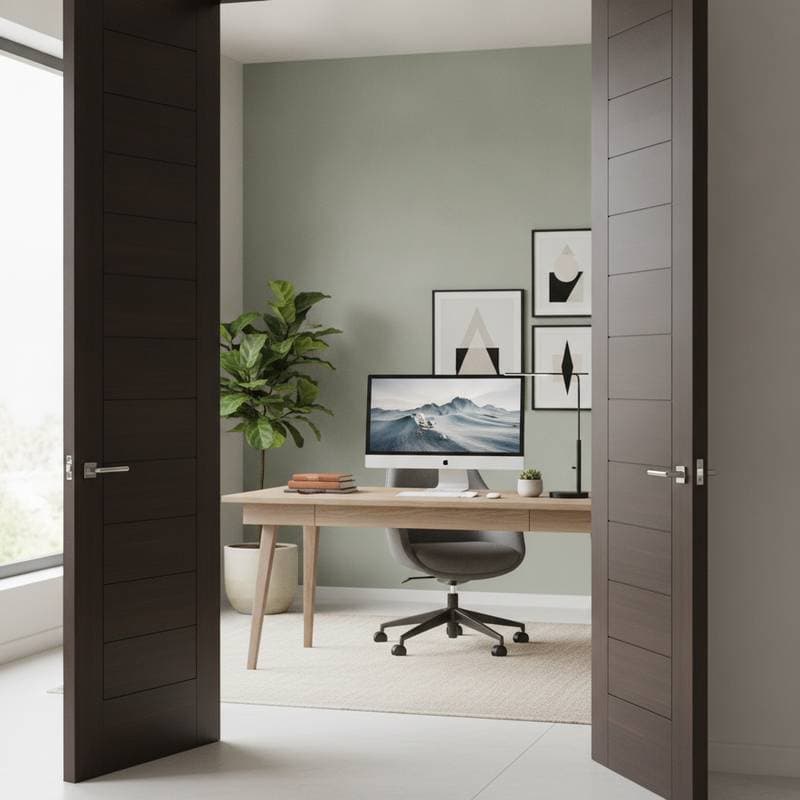

Soundproof Barn Doors Reduce Noise by 80 Percent in Modern Homes
Barn doors have transcended their rustic origins to become a staple in contemporary interiors. The newest iterations incorporate advanced soundproofing that diminishes noise transmission by up to 80 percent. This development suits open-plan residences, dedicated workspaces, and versatile living areas that demand acoustic separation. Engineers achieve this through specialized materials and construction techniques that preserve the doors' visual elegance while enhancing functionality.
Reasons for Rising Popularity
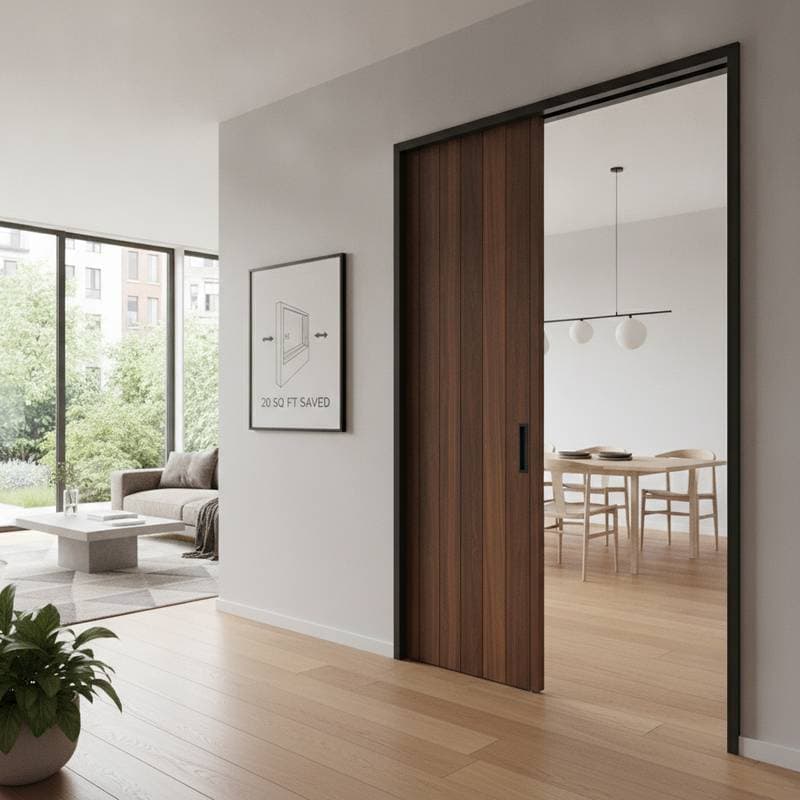
Barn doors excel in conserving space with their sliding operation, which avoids the clearance issues of hinged alternatives. Earlier models offered style but limited sound isolation. Current soundproof variants address this with dense core layers, perimeter seals, and damped tracks that minimize auditory leakage.
Designers value their adaptability across aesthetics, from industrial lofts to minimalist setups. Available in diverse woods, composites, and finishes, these doors integrate seamlessly into varied environments. They balance practicality with an upscale appearance that elevates room divisions.
Approaches to Implementation
Budget Option (400 to 900 Dollars)
Select engineered wood or fiberboard panels veneered for a wood-like finish at reduced cost. Apply simple seals or stripping along edges for basic noise control. Prioritize reliable hardware, including tracks and soft-close systems, to ensure smooth operation and durability.
Mid-Tier Option (1,000 to 2,500 Dollars)
Opt for solid-core wood or panels embedded with sound-absorbing layers to curb vibrations. Incorporate a floor-level guide with rubber padding to seal gaps. Choose enhanced hardware in finishes like brushed nickel or matte black to harmonize with contemporary decor.
Premium Option (2,600 to 5,000 Dollars)
Examine high-end solid wood doors featuring multilayer acoustic cores or sound-dampening laminates. Equip with dual seals, glass panels for light passage, and hidden tracks for a polished look. Customize with integrated dampers and metal details for superior performance and unique character.
Selecting Materials and Finishes
Match door frames to nearby windows using black aluminum or bronze for contrast against wood grains. In brighter spaces, white or cream trim fosters continuity. For doors, consider oak, walnut, or matte black paint; textured grays or whitewashed options suit coastal themes. Pair with brass or bronze hardware to shift from modern to classic tones.
Align wall treatments like shiplap or plaster to accentuate the door without distraction. Use slim trim for sleek profiles or broader casings for traditional vibes. Cover tracks and secure with matching fasteners to complete the ensemble.
Upkeep Essentials
Clean tracks seasonally to remove buildup that causes sticking or added noise. Inspect seals regularly, replacing worn parts to sustain sound barriers. Refresh painted surfaces in busy zones and apply protective coatings to wood every few years.
Durable hardware in stainless or coated metals resists corrosion in moist conditions. Soft-close mechanisms protect against impacts in active households. Periodic alignment adjustments maintain glide and seal integrity.
Common Pitfalls to Sidestep
- Verify wall framing supports the door's weight to avoid sagging tracks.
- Confirm acoustic specifications, as ornamental doors may lack sufficient density.
- Minimize floor gaps with guided seals featuring rubber or felt.
- Select robust rollers and tracks to prevent premature failure.
- Account for humidity; prefer composites over solid wood in variable climates.
Harmonizing Colors and Styles
Effective installations require aligning doors with ambient elements for cohesion.
Palette Recommendations
- Charcoal paired with oak for industrial warmth.
- White accents and brass for light, luxurious air.
- Gray driftwood with iron for seaside or city lofts.
- Espresso tones and bronze for dramatic transitions.
- Maple with nickel for vibrant, current spaces.
These schemes work with neutral backdrops and subtle lighting. Uniform hardware across fixtures reinforces design intent.
Integration Strategies
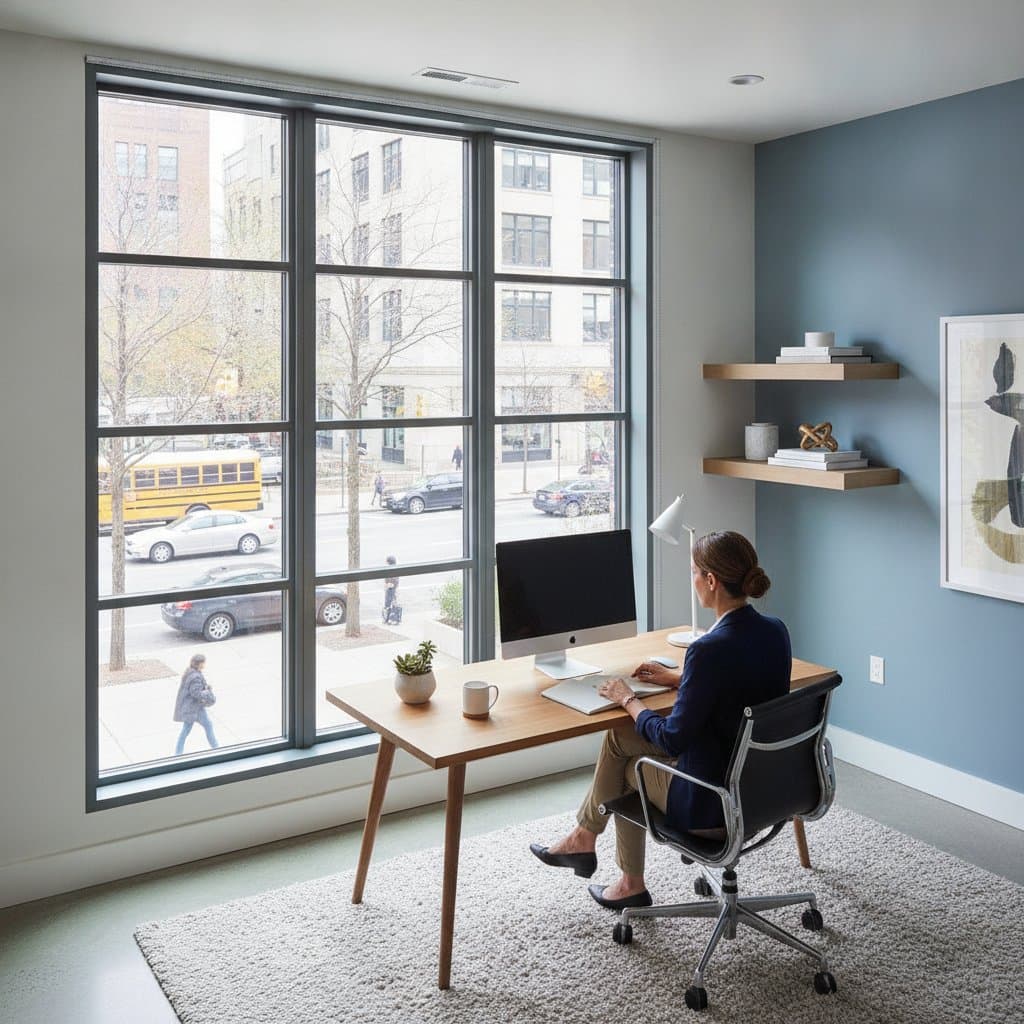
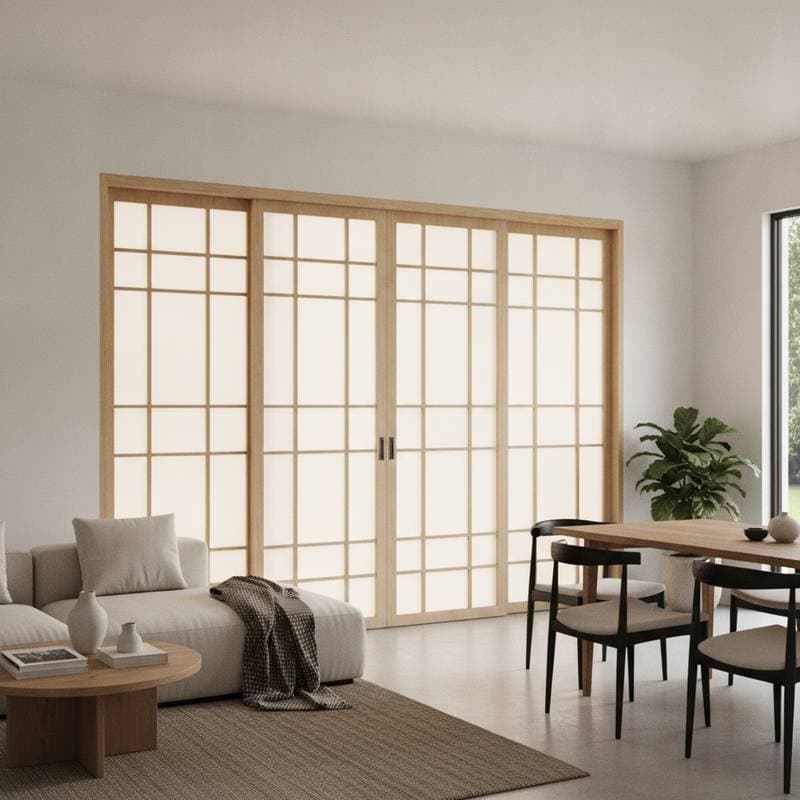
Position doors to delineate zones in open layouts, such as offices from communal areas, preserving floor space. In sleep spaces near corridors, they promote tranquility. Frosted glass inserts allow light while blocking sound and views.
Lighter woods brighten dim rooms; reclaimed options add texture to rustic schemes without compromising acoustics.
Acoustic Principles
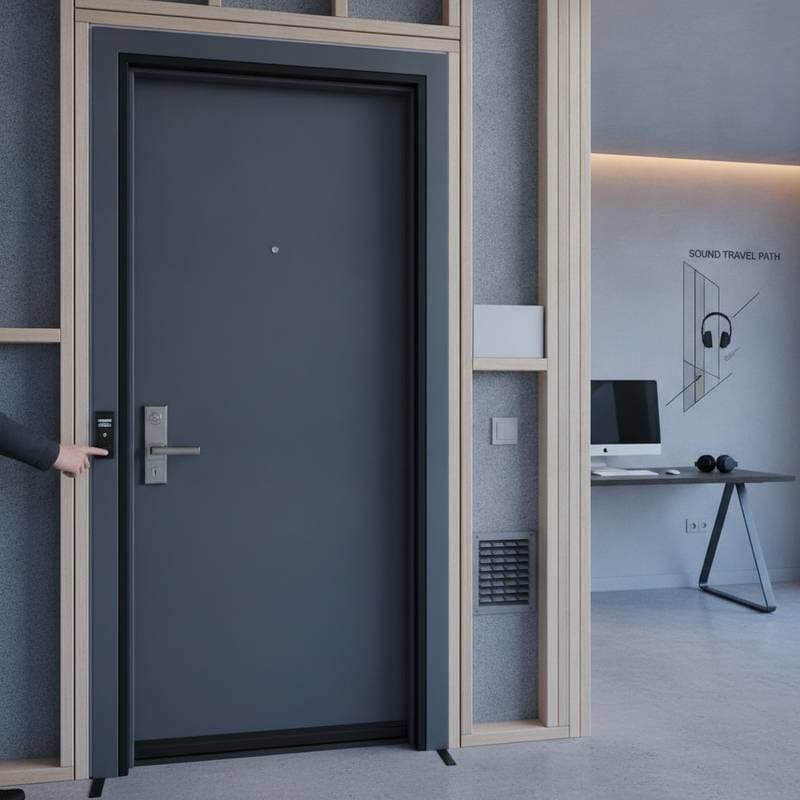
Performance hinges on material thickness, airtight seals, and precise fitting. Dense composites with foam interiors absorb waves. Tracks and guides block paths for sound escape.
Expert fitting maximizes efficacy; preassembled units ease DIY efforts. Accurate measurements prevent gaps that undermine isolation.
Investment Considerations
These doors boost livability and market value through style and silence. Though pricier upfront, they yield sustained advantages in focus and repose. Begin with key areas to realize quick gains, expanding as feasible.
Preparation Checklist
- Photograph spaces from various perspectives, noting walls and ceilings.
- Catalog existing styles and trim for compatibility.
- Check local regulations if doors face outward.
- Evaluate environmental factors like moisture.
- Set financial limits to guide choices.
- Rank needs, from sound control to visuals.
Achieving Lasting Acoustic Harmony
Soundproof barn doors merge innovation with tradition to foster serene environments. Careful material choices, upkeep, and setup ensure they perform as intended. Homeowners gain not only reduced disturbances but also refined aesthetics that unify interiors.
Strategic placements and coordinated details transform divisions into assets. This approach yields spaces that support productivity, rest, and enjoyment, proving that thoughtful enhancements elevate daily life.