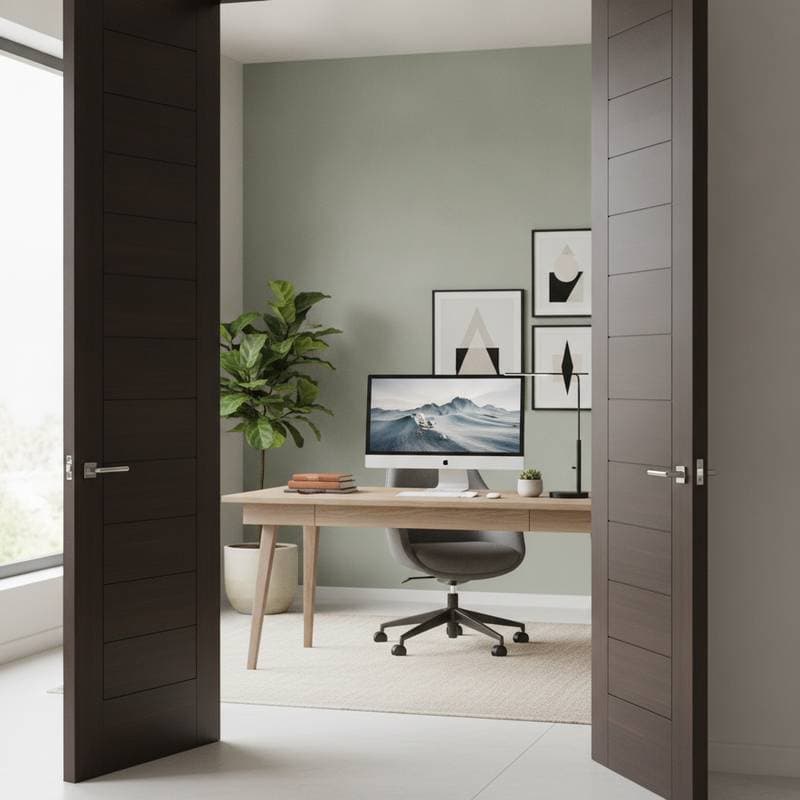
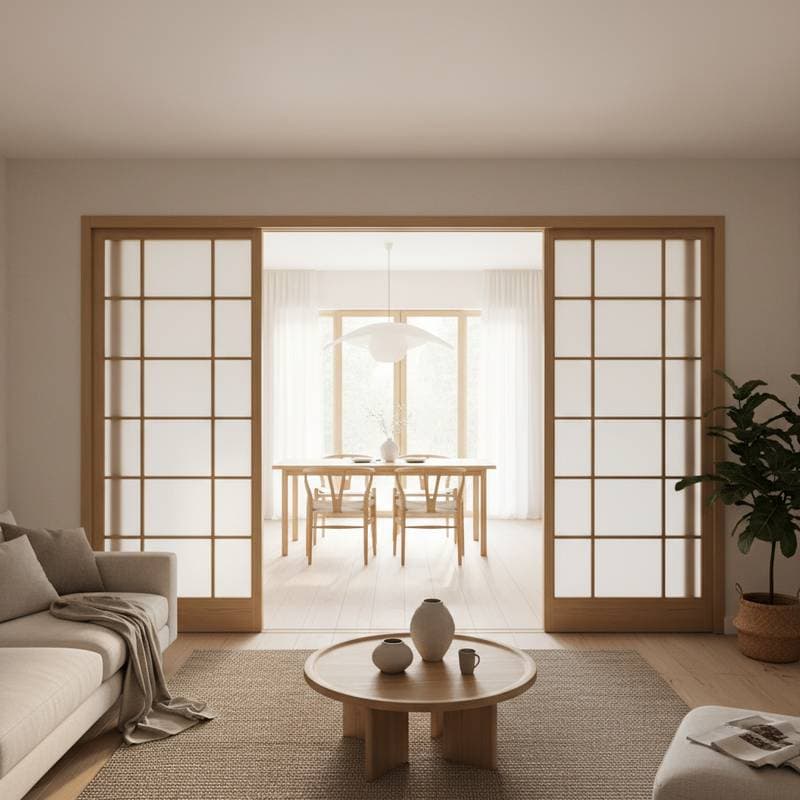
Japandi Shoji Doors Enhance Compact Living
Compact homes often present challenges in achieving openness and tranquility. Japandi Shoji doors address these issues by merging Japanese minimalism with Scandinavian practicality. This fusion yields sliding panels that expand usable space, promote light diffusion, and foster a serene environment through time-honored construction and contemporary adaptations.
Core Elements of Japandi Shoji Doors
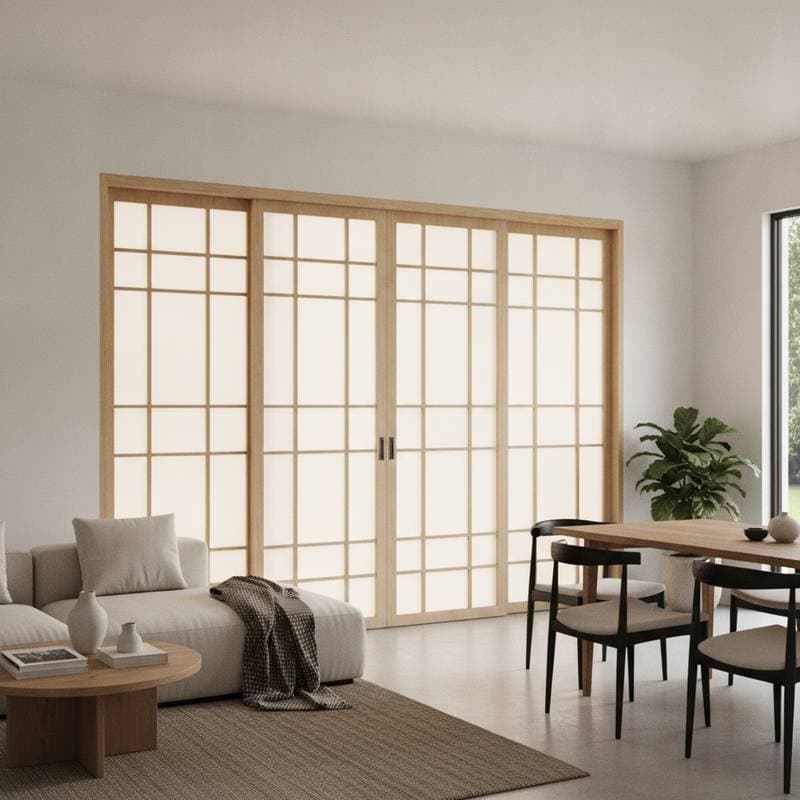
Japandi style combines Japanese principles of restraint, equilibrium, and organic elements with Scandinavian priorities of comfort, illumination, and utility. Shoji doors, rooted in Japanese tradition, consist of wooden frameworks enclosing translucent sheets, such as rice paper or durable acrylic substitutes. In Japandi applications, these doors incorporate gentle woods like oak, birch, or bamboo, producing panels that convey lightness and order while supporting versatile room divisions.
These doors function as adaptable partitions in smaller residences, delineating areas without impeding visibility or ventilation. Their design supports fluid transitions between spaces, aligning with the philosophy of understated elegance.
Reasons Homeowners Select Japandi Shoji Doors
Cramped configurations, obstructive door swings, and scarce daylight commonly plague smaller homes. Conventional doors demand swing clearance that consumes floor area. Shoji doors glide along tracks, reclaiming that space for furniture or movement.
Additionally, the panels scatter sunlight gently across rooms, amplifying perceived size and brightness. This effect cultivates a soothing atmosphere suited to wellness-oriented routines and eco-friendly practices.
Cost Breakdown and Expectations
Prices for Japandi Shoji doors vary based on components, quality, and setup. The following table outlines typical expenses.
| Material/Service | Cost Range | Key Features |
|---|---|---|
| Prefabricated Shoji Panels | $300 to $900 per door | Cost-effective, basic options, simple setup |
| Custom Wood Shoji Doors | $800 to $2,500 per door | Premium timber, personalized patterns, superior alignment |
| Sliding Hardware & Tracks | $150 to $400 | Sturdy metal construction, effortless motion, hidden or exposed fixtures |
| Professional Installation | $200 to $600 per door | Encompasses sizing, rail installation, and calibration |
| Replacement Paper Panels | $40 to $120 | Straightforward renewal, options for opacity variations |
For a pair of doors with expert fitting, anticipate $2,000 to $4,000 total, covering supplies and workmanship. Retrofitting existing frames can lower costs by 15 to 20 percent.
Pricing Variables
Multiple elements affect overall expenditure.
- Material selection: Engineered woods or bamboo cost less than solid hardwoods like oak or ash.
- Panel dimensions: Larger or full-height units demand extra resources and reinforced rails.
- Personalization extent: Ornate lattices, embedded glass, or premium textures elevate fees.
- Setup challenges: Narrow corridors or irregular surfaces extend labor duration.
- Local wages: Metropolitan regions charge more for skilled trades.
Interior specialist Alex Moreno of Simple Space Interiors in Portland notes, “Shoji doors deliver daily spatial gains that justify the investment through enhanced usability.”
Shoji Doors Versus Alternative Solutions
Alternatives like barn sliders, pocket doors, or bifolds merit comparison. Each serves space conservation differently.
| Door Type | Cost Range | Key Features |
|---|---|---|
| Shoji Sliding Doors | $800 to $2,500 | Airy aesthetic, organic materials, light permeation |
| Barn Doors | $700 to $1,800 | Industrial charm, robust fittings, minimal translucency |
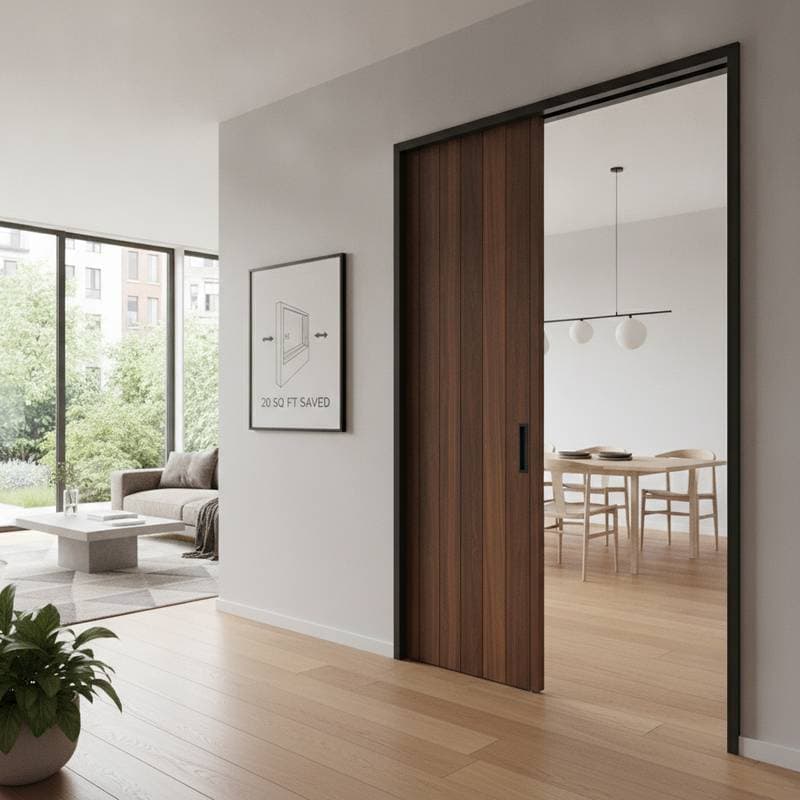
| Pocket Doors | $900 to $2,200 | Concealed storage, wall-integrated, intricate assembly |
| Bifold Doors | $400 to $1,200 | Economical, pivot mechanisms, moderate longevity |
Shoji doors excel in graceful adaptability across bedrooms, studies, wardrobes, and communal zones. Unlike fully recessed options, they contribute subtle visual interest that elevates decor.
Available Designs and Surface Treatments
Various configurations shape both form and purpose of Japandi Shoji doors.
- Traditional lattice: Even wood grids span the panel, suiting sparse settings.
- Partial opaque: Solid base ensures seclusion, while upper translucency permits light.
- Extended panels: Floor-to-ceiling spans suit loft-style dwellings.
- Acrylic frameless: Resilient synthetics replace paper, fitting damp areas.
Treatments favor subtle hues such as pale oak, warm bamboo, or limed ash, accentuating natural textures. Opt for satin sheens to minimize visible marks and abrasions.
Step-by-Step Installation Guide
Precise sizing and rail positioning form the basis of Shoji door setup.
- Measure openings: Record exact widths and heights to avoid binding or overhangs.
- Install tracks: Secure overhead or wall rails with level precision.
- Insert panels: Hang and fine-tune for fluid traversal.
- Adjust mechanisms: Set buffers and dampers to ensure gentle closure.
Prefabricated units suit self-assembly over preinstalled rails. Complex or bespoke installations benefit from expert intervention to avert hardware strain or panel damage.
Advantages Extending Past Spatial Gains
Shoji doors provide more than area optimization.
- LightTranslucent barriers distribute daylight uniformly, cutting electrical use.
- Modulated seclusion: They veil views partially while permitting acoustic passage.
- Adaptable arrangements: Shift divisions readily for evolving needs, like repurposing rooms.
- Eco-friendly composition: Incorporate fast-growing bamboo or certified timber sources.
- Thermal moderation: Inserts balance luminosity and warmth across partitions.
Designer Mika Tanaka from Kyoto Modern Interiors observes, “Shoji doors enable light to circulate unbound, reshaping compact areas into tranquil havens where edges fade into peace.”
Upkeep and Durability
Routine care keeps Shoji doors in prime condition. Dust frames regularly and clean with mild moisture; steer clear of abrasive agents that harm coatings.
Inserts endure years with careful use. Synthetic variants withstand humidity and discoloration better than traditional paper. Refresh tracks biannually and apply lubricant sparingly for seamless operation.
Diligent maintenance prolongs hardware and panel life significantly.
Optimal Home Locations
Shoji doors perform best in light- or space-constrained spots.
- Bedrooms: Segregate rest and prep zones with preserved illumination.
- Offices: Isolate professional areas from daily life in cohesive fashion.
- Storage spaces: Eliminate swing interference in closets or larders.
- Bathrooms: Employ sealed panels against vapor.
- Studios: Partition functions with movable accents that enhance aesthetics.
Paired units form dynamic barriers for social or private shifts in open plans.
Essential Purchase Factors
Assess these before proceeding.
- Verify dimensions: Double-check to sidestep adjustments.
- Coordinate aesthetics: Align tones with prevailing decor.
- Inspect supports: Confirm ceilings bear track loads for broad spans.
- Evaluate clearance: Position items to permit unobstructed sliding.
- Consult regulations: Adhere to mandates for safety glazing or ratings.
Professionals can gauge suitability and recommend compatible components.
Eco-Friendly Attributes
Japandi emphasizes harmony with nature, reflected in Shoji doors' sourcing and construction. Rapidly renewable bamboo and certified woods minimize depletion. Non-toxic finishes and adhesives limit emissions.
These doors boost efficiency by channeling sunlight inward, easing lighting demands. Their blend of warmth and stewardship appeals to environmentally aware residents.
Implementing Your Shoji Door Project
Japandi Shoji doors elevate small homes through practical and aesthetic enhancements. Sliding functionality unveils areas, diffusive elements illuminate depths, and quality build ensures endurance.
Weigh ready-made versus tailored selections for cost-design equilibrium. Engage specialists for rail or surface evaluations. Proper execution turns tight quarters into balanced, inviting domains.