Reclaimed Wood Barn Doors: Prices Projected to Reach $8,000 by 2026
Reclaimed wood barn doors have emerged as a prominent element in contemporary interior design. These sliding doors, once confined to rustic farmhouses, now enhance luxury homes, urban apartments, and modern renovations. As demand for genuine reclaimed materials intensifies, costs continue to escalate. Experts forecast that high-end reclaimed barn doors may command up to $8,000 by 2026, influenced by dimensions, wood type, and artisanal quality.
Current Pricing for Reclaimed Wood Barn Doors
Purchasers of reclaimed barn doors presently face expenses ranging from $1,200 to $6,000, encompassing materials and setup. Basic options in reclaimed pine or assorted hardwoods occupy the lower spectrum, whereas bespoke creations from scarce woods like chestnut or oak surpass $5,000. Elements such as labor, surface treatments, and hardware choices further shape the total expenditure.
| Material/Service | Cost Range | Key Features |
|---|---|---|
| Reclaimed Pine | $1,200 to $2,500 | Light hue, relatively abundant supply, budget-friendly |
| Reclaimed Oak | $2,500 to $4,500 | Robust texture, exceptional strength, timeless rustic aesthetic |
| Reclaimed Chestnut | $3,500 to $6,000 | Scarce resource, deep coloration, premium visual impact |
| Custom Hardware and Installation | $500 to $1,500 | Robust sliding mechanisms, ergonomic pulls, expert assembly |
Factors Driving the Price Increase
Multiple dynamics contribute to the upward trajectory of reclaimed barn door prices. The foremost challenge lies in the finite supply of authentic reclaimed timber, sourced primarily from dismantled barns, disused mills, or historic industrial sites. Structurally viable lumber diminishes over time, while heightened interest from residential and commercial developments amplifies procurement expenses.
Logistics and preparation processes compound these costs. Reclaimed wood demands meticulous decontamination, controlled drying in kilns, and precise shaping to guarantee reliability and security. Interior specialist Mike Dalton of Dalton Custom Interiors observes, “Homeowners often underestimate how much work goes into preparing reclaimed wood. Every board has to be inspected, treated, and refinished before it becomes a finished door.”
Dimensions and Personalization Options
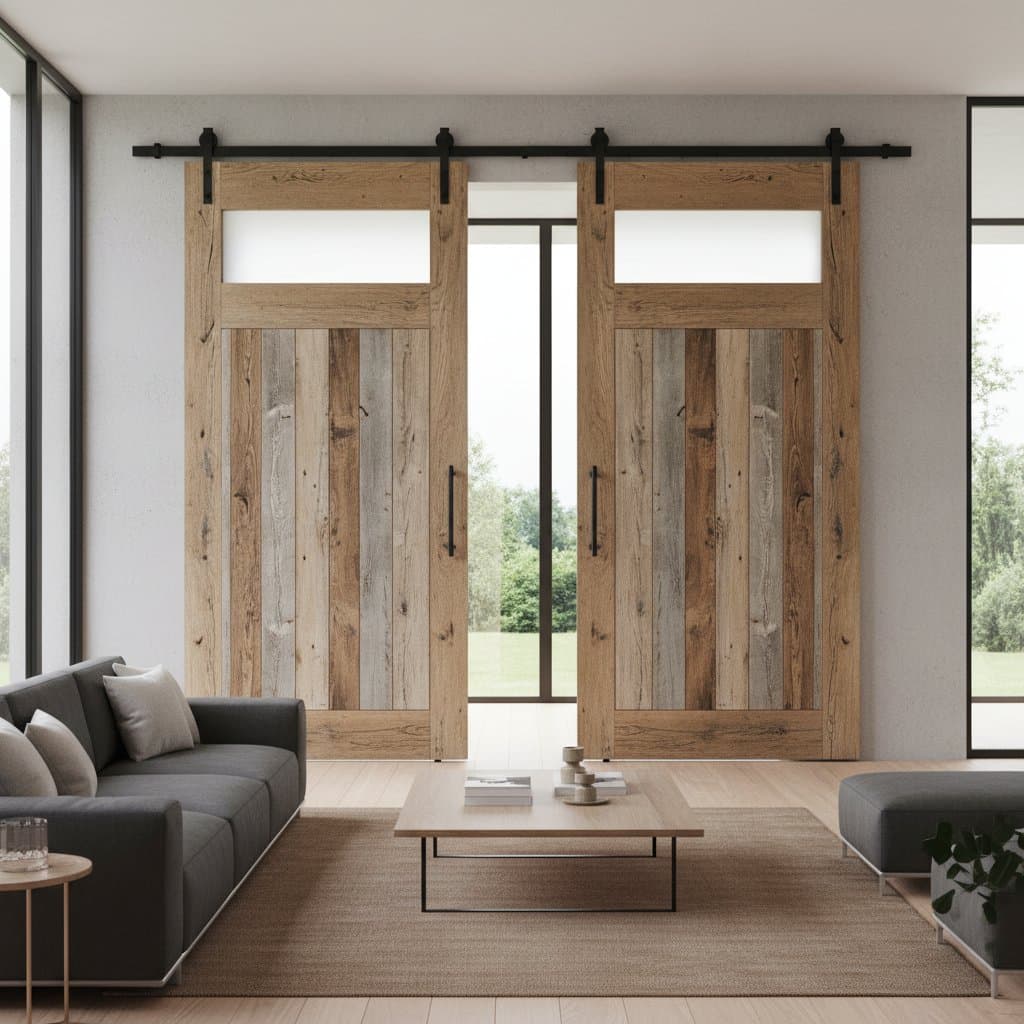
Barn doors vary widely in scale and style, affecting both budget and mounting needs. Conventional single panels span 36 to 42 inches in width and 84 inches in height; dual or expansive variants extend to 96 inches tall or beyond. Oversized formats necessitate reinforced hardware and structural supports, potentially elevating expenses by 15 to 30 percent.
Tailored elements introduce additional variability in pricing. A straightforward panel conserves resources, but features like structural braces, transparent panels, or ornamental details incur extra charges. Surface applications, including oil rubs, satin varnishes, or pigmented coatings, enhance individuality yet extend production duration.
| Design Feature | Additional Cost | Description |
|---|---|---|
| Cross-Brace Pattern | $150 to $400 | Iconic “Z” or “X” configurations for enhanced rustic character |
| Glass Inserts | $300 to $800 | Facilitates illumination transfer across spaces |
| Specialty Finish | $150 to $500 | Bespoke colorations, aged effects, or protective layers |
Mounting Essentials and Load-Bearing Factors
Engaging professionals for reclaimed barn door installation proves essential, particularly for units surpassing 150 pounds. Constructed from solid timber, these doors substantially outweigh factory-produced alternatives. Adequate wall reinforcement and superior rail systems ensure dependable functionality.
Installation fees typically span $400 to $1,200, varying with surface composition and skeletal modifications. Drywall fortification or lintel additions may increment labor demands. Verify stud integrity prior to commencement to avert complications.
Builder Alicia Rivera of Riverstone Design Build emphasizes, “The biggest issue we see with DIY installations is inadequate support. A reclaimed barn door that weighs 200 pounds can pull out of drywall anchors if not installed correctly.”
Sustainability Advantages and Visual Harmony
Reclaimed wood appeals to environmentally conscious individuals by repurposing existing resources, thereby curbing landfill contributions and forest depletion. Each plank bears distinctive aging marks unattainable in fresh lumber, imparting unparalleled uniqueness to the finished product.
These doors adapt seamlessly to diverse decors, tempering sleek industrial environments, accentuating agrarian culinary areas, or anchoring sparse settings. Subtle flaws like embedded fasteners or eroded patterns infuse genuine texture and coziness absent in synthetic counterparts.
Crafting Your Own: Feasibility Assessment
Skilled woodworkers may explore fabricating a reclaimed barn door independently to potentially lower initial outlays. However, the material's inconsistencies pose challenges; thicknesses fluctuate, and concealed metallic inclusions risk tool impairment. Lacking industrial milling and preservation tools, the result might distort or fracture prematurely.
Upkeep Strategies for Enduring Performance
With diligent care, reclaimed wood barn doors endure for generations. Routine surface cleaning and periodic oil applications sustain the inherent luster. Inspect rail components yearly, tightening fixtures and applying lubricant to sliders for fluid motion.
In humid zones like lavatories, a protective coating mitigates moisture uptake and expansion. The inherent solidity of reclaimed hardwoods resists routine abrasion, yet proactive maintenance preserves their allure over time.
Selecting and Securing Your Reclaimed Barn Door
Acquiring a reclaimed wood barn door represents a deliberate aesthetic and enduring investment. As availability wanes and skilled fabrication persists in demand, values will likely ascend further.
Consider deploying one to refresh a foyer, partition communal areas, or infuse heritage into a primary bedroom. Through meticulous setup and ongoing attention, these doors deliver not merely ornamental enhancement but a profound link to the past, surpassing most contemporary alternatives.