Smart Tint Windows in 2026: A New Era of Privacy and Control
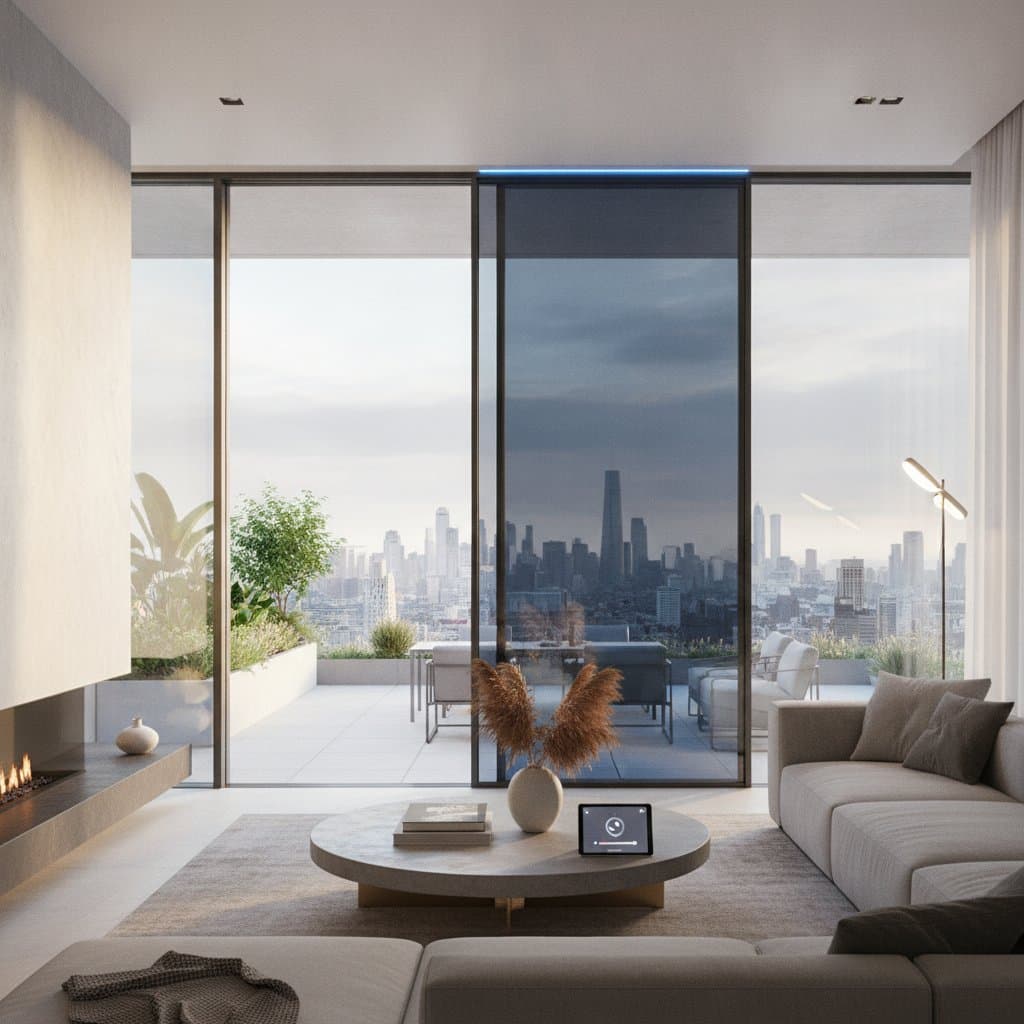
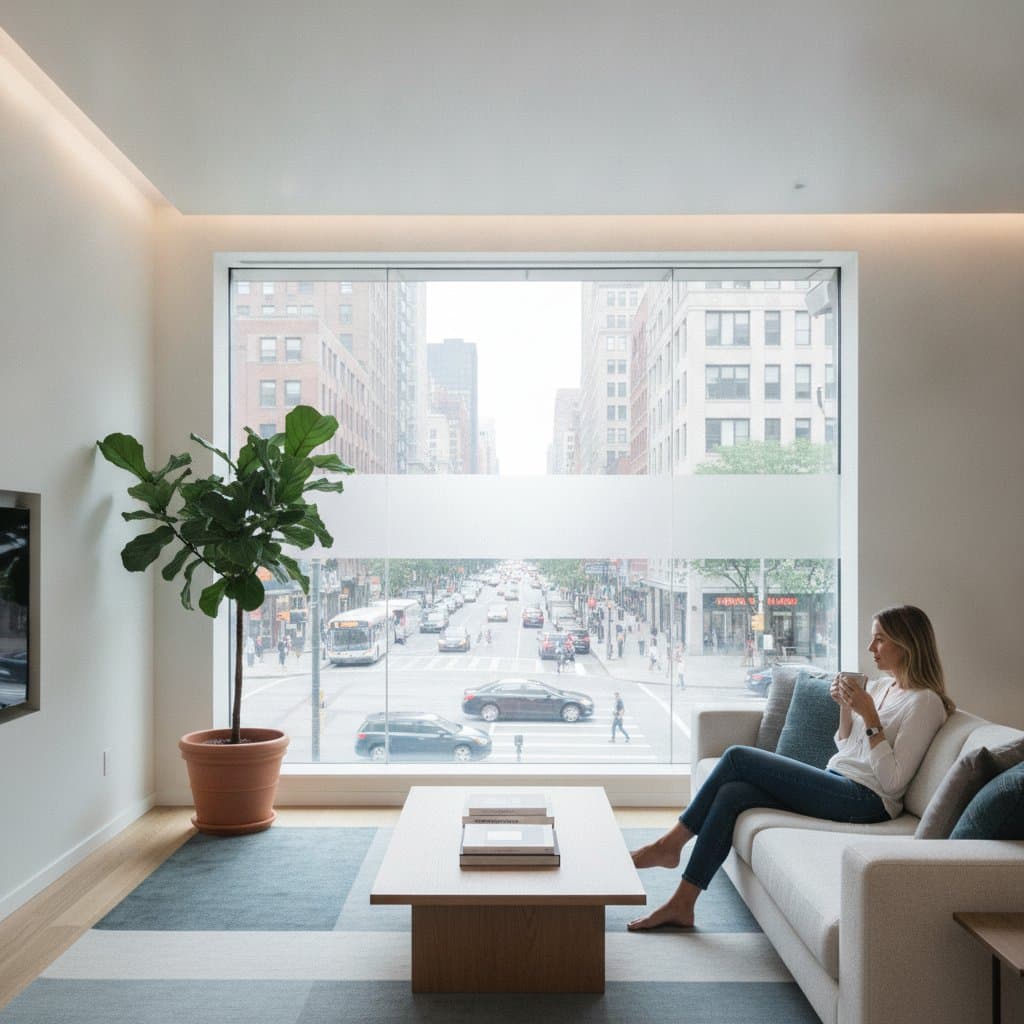
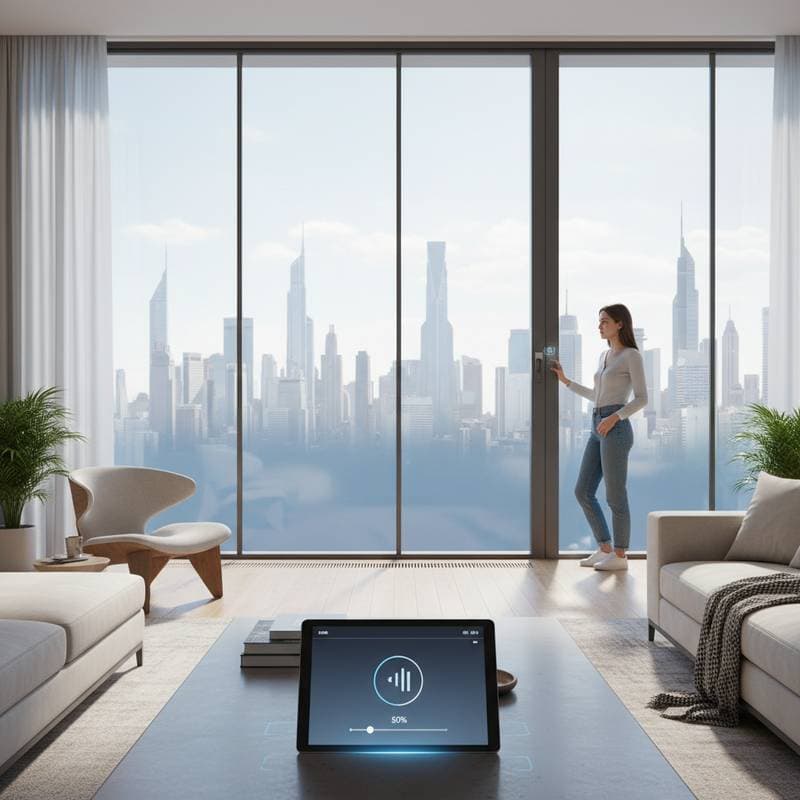
Smart tint windows emerge as a pivotal innovation in residential design for 2026. These systems employ electrochromic technology to shift glass transparency on demand, ensuring privacy without sacrificing natural light. Homeowners gain precise control over sunlight and views, integrating seamlessly with automated home environments for greater convenience and efficiency.
To make informed decisions, individuals must grasp the mechanics of this technology, associated expenses, and installation logistics. This guide examines key attributes, financial aspects, and implementation strategies for smart tint windows poised to influence home improvements in the year ahead.
Cost Breakdown for Smart Tint Window Installations
Smart tint glass exceeds the price of conventional double-pane options, yet it eliminates the need for additional blinds or shades while promising enduring energy reductions.
| Window Type | Average Cost Per Square Foot | Installed Cost Range | Key Features |
|---|---|---|---|
| Standard Double-Pane | $6 to $18 | $450 to $1,000 per window | Basic energy efficiency, fixed clarity |
| Smart Film Retrofit | $25 to $45 | $800 to $1,500 per window | Adheres to existing panes, app-based tint adjustment |
| Fully Integrated Electrochromic Window | $50 to $125 | $1,200 to $3,500 per window | Embedded controls, superior solar management |
In a standard residence featuring 15 to 20 windows, a comprehensive smart tint installation might total $18,000 to $50,000, influenced by dimensions, configurations, and automation integrations. Opting for retrofit films on current windows proves more economical, often ranging from $2,000 to $6,000 for targeted areas like sleeping quarters or workspaces.
Boosting Energy Performance and Achieving Savings
Beyond privacy, smart tint windows excel in thermal regulation. They minimize solar heat influx, thereby easing demands on climate control systems. Research from energy analyses indicates potential reductions in cooling expenses by up to 20 percent and heating costs by 10 to 15 percent, varying with regional conditions.
During intense daylight, the glass tints to reject infrared rays while preserving visible illumination. In dimmer periods or colder seasons, it clears to admit passive solar warmth. Such adaptability lowers monthly energy statements and eases mechanical system wear over years.
Professionals in energy optimization suggest combining smart tint with low-emissivity layers to optimize results. This pairing yields performance akin to advanced multi-pane setups, minus excess bulk or mass.
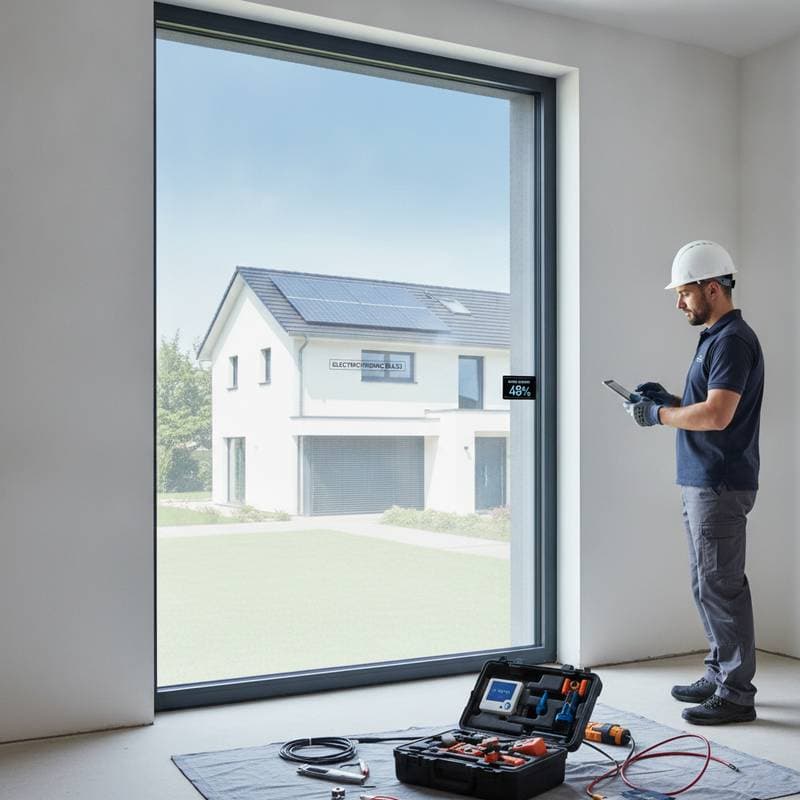
Step-by-Step Installation Guide
Procedures differ by approach, though core phases remain consistent across projects.
-
Initial Evaluation and Sizing
Contractors inspect window frames and assess proximity to power sources. -
Option Selection
Decide on film applications versus complete glass replacements, specifying opacity ranges and operational modes. -
Preparation of the Space
Remove prior treatments like curtains. Route wiring for low-voltage connections as required. -
Fitting the Components
Apply films to inner surfaces for retrofits; secure new units into sills similar to routine replacements. -
Configuration and Tuning
Program responsiveness to light sensors, app commands, and linkages to broader home automation. -
Verification and Care Instructions
Conduct functionality checks. Receive protocols for upkeep and surface cleaning.
Full-home endeavors typically span one to three days, contingent on window quantity and wiring demands.
Perspectives from Industry Specialists
Demand for electrochromic solutions grows among contractors and advisors. David Morales, a certified installer in Phoenix, notes, “Clients seek smart tint windows for both seclusion and ease. Automatic responses to sun exposure prove essential in expansive, sunlit orientations.”
Tracy Nguyen, an energy specialist, adds, “Dynamic management stands out as the primary benefit. Users customize light and temperature inflows, lightening HVAC burdens and elevating comfort throughout seasons.”
These views underscore the shift from elite installations to accessible enhancements, driven by falling prices and refined techniques.
Steps to Implement Your Smart Tint Upgrade
Prospective upgraders should initiate with consultations from qualified experts. Solicit estimates from several firms versed in electrochromic work. Verify inclusions of warranties for products and services, plus compatibility with current intelligent appliances.
Schedule during stable climates to avoid disruptions from weather-induced indoor shifts. Test the waters by equipping select zones first, gauging real-world efficacy prior to broader applications.
Smart tint advancements reshape the interplay of illumination, seclusion, and sustainability in residences. Partial or total integrations yield lasting gains in functionality and style.