Reclaimed Wood Doors: A Sustainable Choice for Your Entryway
Reclaimed wood doors bring visible history and distinctive grain to a home's entry, while making use of timber recovered from older buildings, barns, warehouses, or other structures. Their character can suit both traditional and contemporary interiors, but an appealing surface alone does not establish that a door is safe, durable, or environmentally responsible. The source, condition, construction, and installation all matter.
For homeowners weighing a reclaimed wood door, the decision involves more than appearance. Consider how the entry is used, the local climate, security needs, maintenance capacity, and the door's expected service life. A well-sourced door can reduce demand for new timber and add lasting character. A poorly prepared one may warp, leak, or need costly repairs.
What Reclaimed Wood Means
Reclaimed wood is timber taken from an existing structure or product and prepared for reuse. It may come from beams, floorboards, siding, or an older door. Salvaged wood is sometimes used as a broad term for recovered materials, though suppliers may apply these labels differently. Ask where the timber came from and how it was handled.
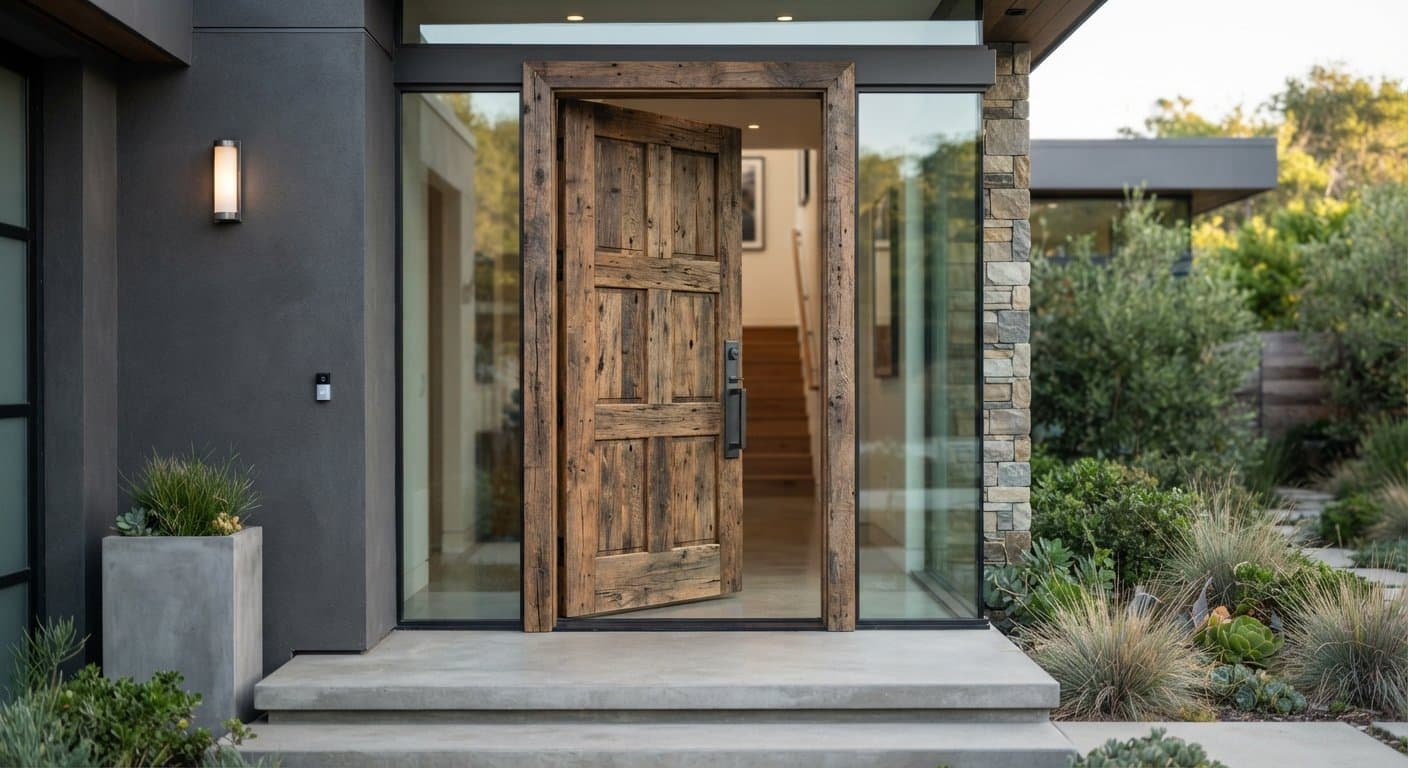
A door described as reclaimed may be made entirely from reused wood, or it may combine reclaimed panels with new rails, stiles, cores, or hardware. Neither approach is automatically better. A hybrid door can offer improved stability and consistent dimensions, while a solid reclaimed door may retain more original material and character. The maker should explain the construction clearly.
Weighing the Benefits and Trade-Offs
Reclaimed wood can preserve mature grain, marks, and color that are difficult to replicate with new stock. Reusing sound material also keeps it out of disposal streams and can reduce the need for newly harvested timber. These benefits depend on responsible sourcing, efficient transport, and the amount of new material used in the finished door.
There are practical limits. Reclaimed boards may contain nail holes, checks, patches, or uneven color. Those features can be desirable, but they may also make cutting and joining more demanding. The supply of matching pieces can be limited, so a later repair may not blend seamlessly. A custom door can require more fabrication time and cost more than a standard new door.
Performance depends on engineering as much as timber. Exterior doors need stable construction, suitable weather seals, and a finish suited to sun, rain, and temperature changes. Reclaimed wood that was stored poorly or dried unevenly may move after installation. Confirm that the maker has assessed moisture content and designed the door for its intended location.
Questions to Ask Before Buying
Before placing an order, request information about the material and the finished assembly. Useful questions include:
- What structure or product supplied the wood, and can its origin be documented?
- Has the timber been inspected for insects, rot, chemical treatment, and embedded metal?
- Is the door solid wood, engineered, or a combination, and which parts are reclaimed?
- How will the construction handle local humidity, seasonal movement, and exposure?
- What finish, weatherstripping, hardware preparation, and warranty are included?
Reclaimed timber may have been exposed to paint, preservatives, oils, or industrial chemicals. A supplier should identify known treatments and explain how the wood is cleaned and assessed. For an entry used by children or people with sensitivities, ask about dust control during fabrication and whether the finish has relevant safety documentation.
From Assessment to Installation
Start by deciding whether the door is for a protected interior opening or an exposed exterior entry. Measure the opening, check the jamb and threshold, and note the direction of swing, existing hardware, and any accessibility needs. A door that looks right but does not fit the opening can require extensive adjustment or replacement of surrounding trim.
The process typically moves through these stages:
- Planning and evaluation: Confirm dimensions, security needs, exposure, local building requirements, and whether permits or inspections apply.
- Material preparation: The maker checks the boards, removes metal, treats or kiln dries the wood as appropriate, and selects pieces for the design.
- Construction: Rails, stiles, and panels are joined using a method suited to the door's size and use. Glass, insulation, or a stable core may be added if the design calls for them.
- Installation and inspection: The installer checks clearances, hinge support, latch engagement, weather seals, and smooth operation. The door should close without binding and resist drafts and water entry.
Exterior entry doors are security and weather barriers, so professional installation is sensible when the frame is damaged, the door is unusually heavy, or the opening needs structural changes. Experienced DIYers may handle a straightforward interior door, but cutting a valuable reclaimed piece without suitable tools and skill can waste material. Follow the manufacturer's instructions and local code requirements.
Cost, Care, and Long-Term Fit
Pricing reflects the wood's availability, preparation, design complexity, hardware, finish, and installation. Custom dimensions, repairs to the frame, and unusual glass or carving can add expense. Compare complete quotes rather than the door price alone. Ask what is excluded, including delivery, removal of the existing door, painting or finishing, and threshold work.
Maintenance depends on exposure and finish. Keep the door clean with products approved for its coating, and inspect the finish, seals, hinges, and threshold periodically. Sun and driven rain can wear exterior finishes faster than sheltered conditions. Repair small finish failures early to limit moisture entry. Avoid assuming that age makes wood immune to damage.
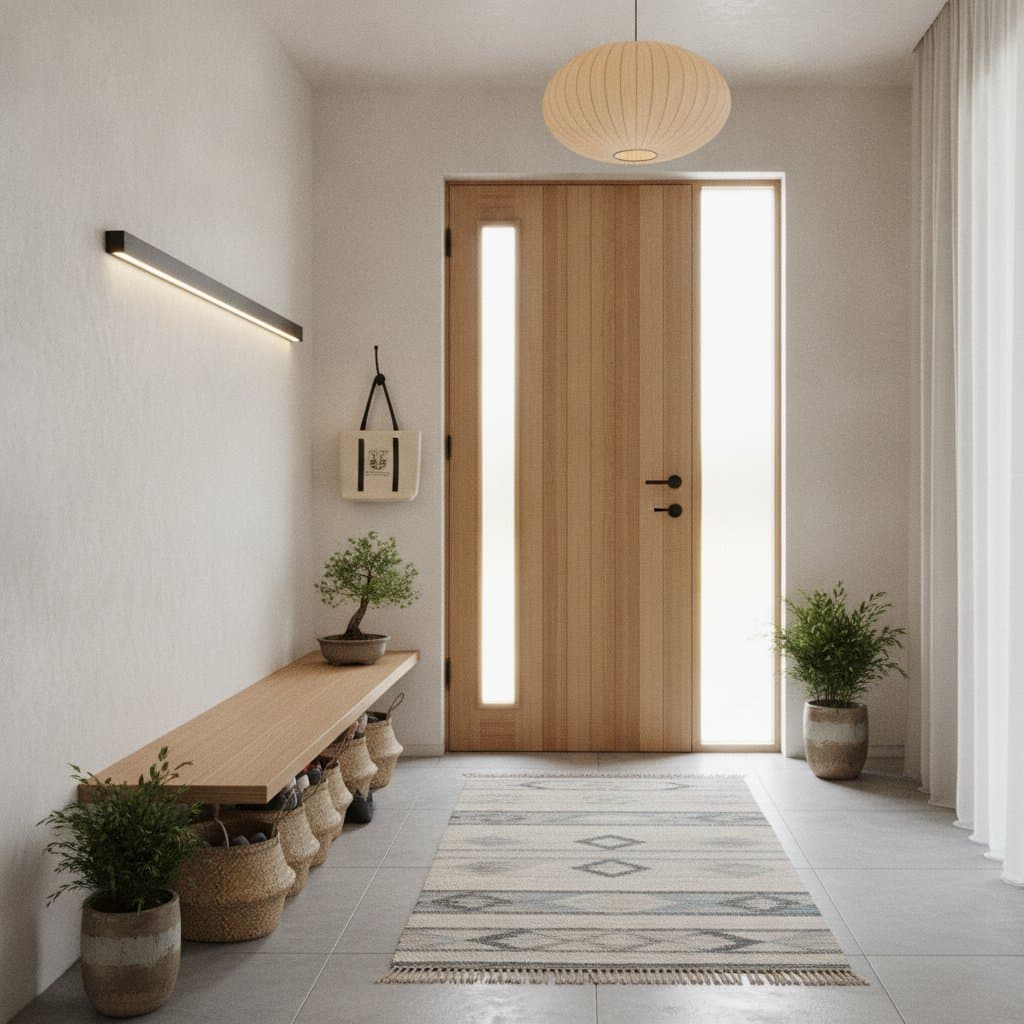
Think about future use as well as present style. A heavy solid door may be difficult for some household members to operate. Glass can bring daylight into a dark entry, though privacy and security may call for textured or laminated options. A properly built reclaimed door can be repaired, refinished, or adapted, but matching old wood may take time.
Choosing What Works Best
A reclaimed wood door makes sense when its character matters to you, the material has a credible history, and the construction suits the opening and climate. It may be a poor fit when you need a quick, low-cost standard size or cannot take on periodic finish care. Ask for a written specification covering reclaimed content, construction, finish, installation, and warranty before approving the design.
Compare a reclaimed option with a well-made new door on total cost, expected maintenance, security, and durability. When the source is transparent and the maker can explain the process, reclaimed timber can offer a distinctive entry with practical value. Choose a door that feels right in daily use, not just one that looks compelling in a sample.