Understanding Japandi Entryways in Contemporary Design
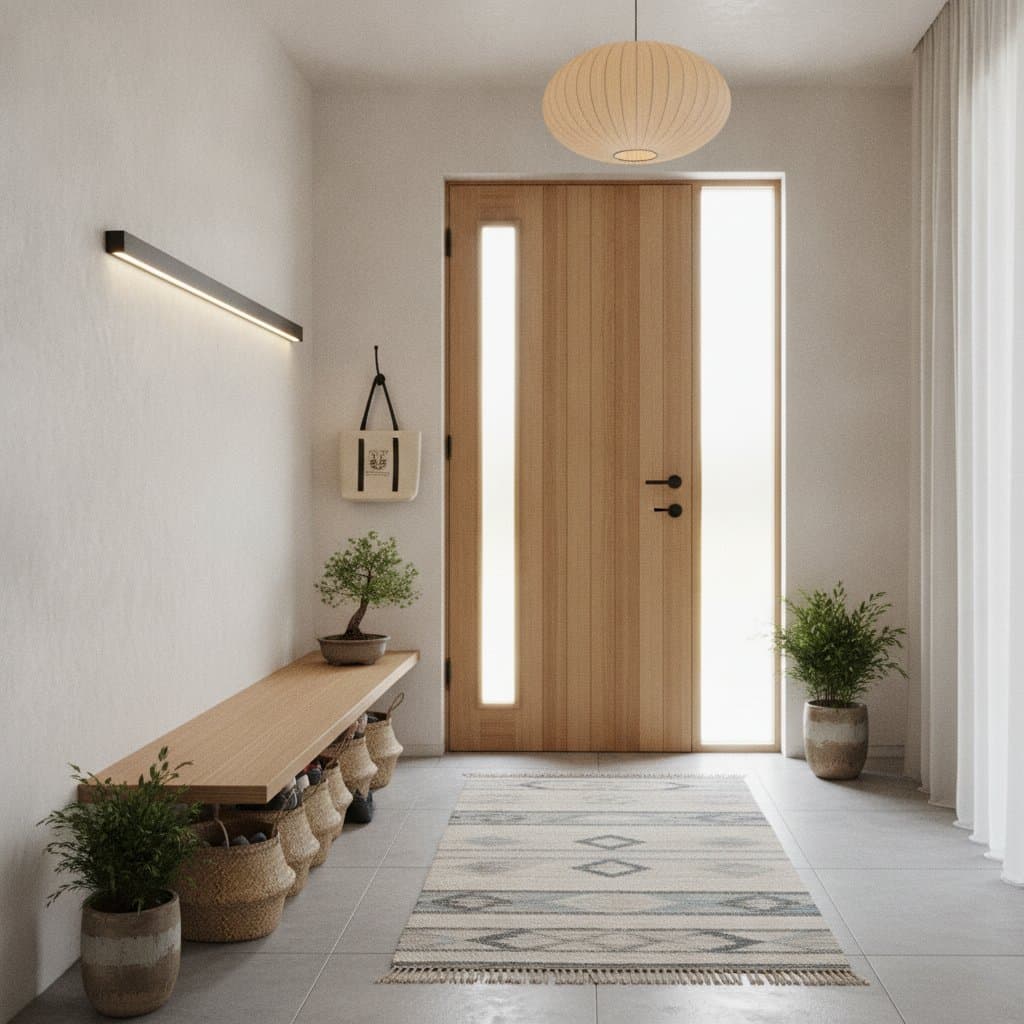
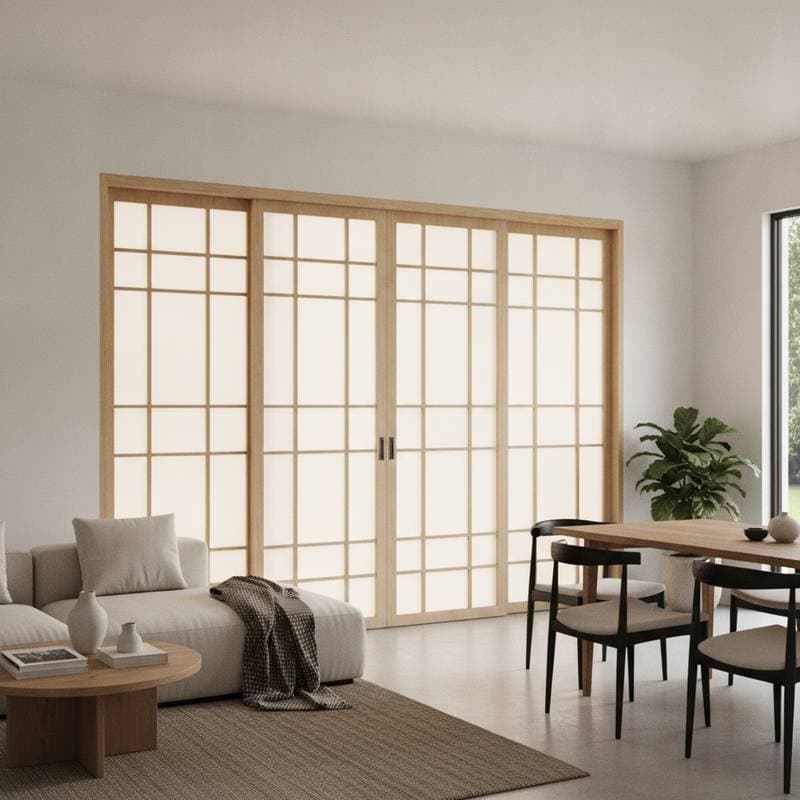
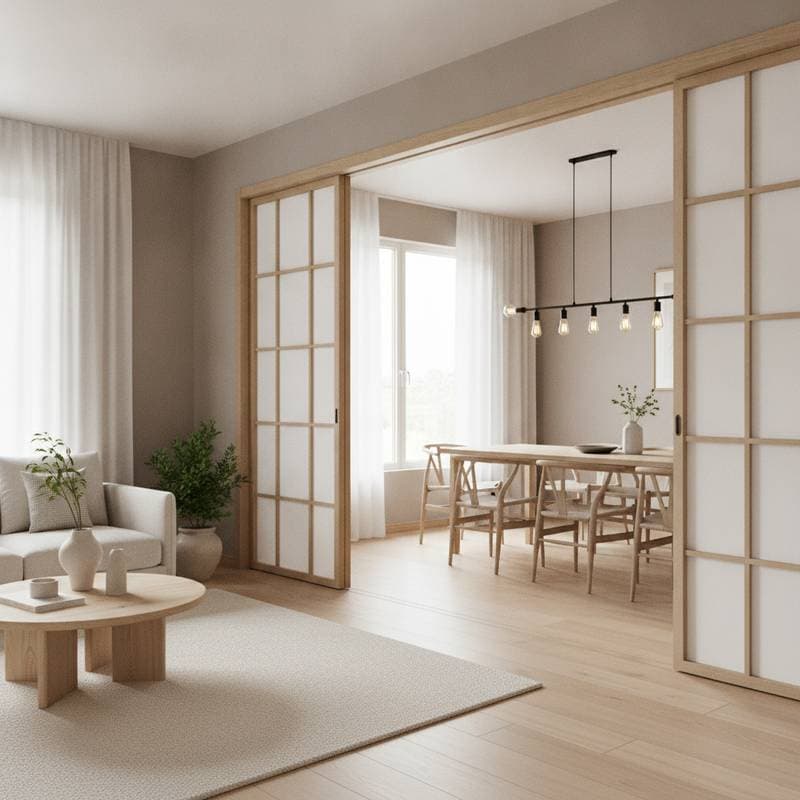
Japandi design embodies a subtle sophistication that remains rooted and polished. This approach merges Scandinavian minimalism with Japanese discipline, transforming the entryway into a tranquil gateway. Natural elements, pared-down forms, and deliberate spatial arrangements define the style. Property owners gravitate toward Japandi entryways because they soothe the mind while delivering the comfort of artisanal work and the precision of current utility.
The charm stems from the effortless integration of Nordic geometric purity with Japanese organic balance. Pale timber hues, gentle neutral tones, and thoughtfully selected accents produce an enduring atmosphere. Such an entry conveys composure and structure prior to entering the residence.
Selecting Materials and Finishes
Choose materials that align with Japandi principles of restraint and nature. Focus on options that enhance light flow, durability, and visual harmony.
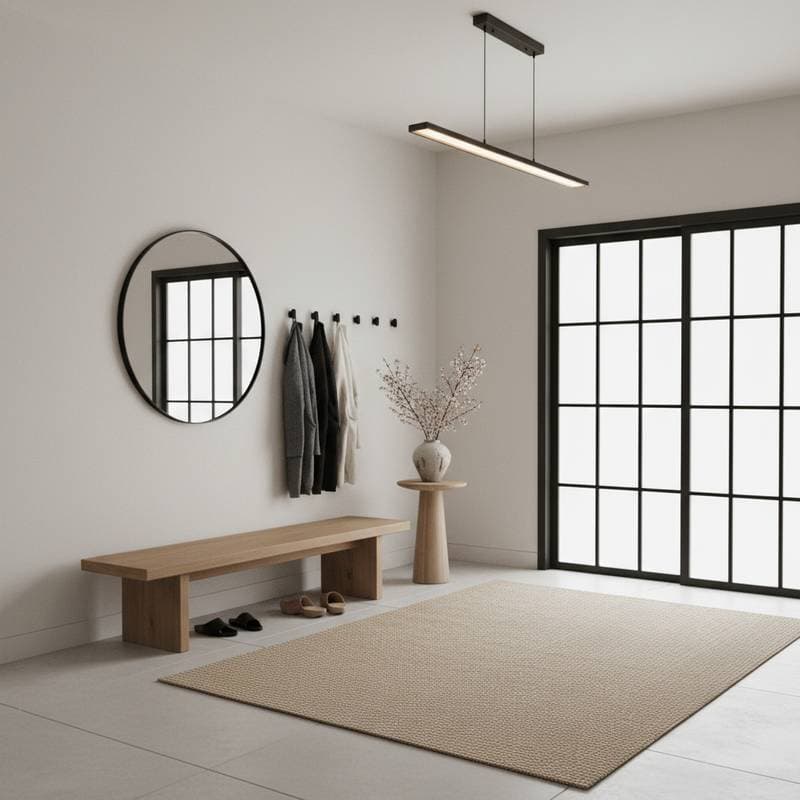
- Windows: Select slender-framed casement or fixed panes to permit illumination while maintaining seclusion. Finishes in black, bronze, or untreated aluminum suit the aesthetic. Incorporate frosted or ribbed glass for subtle texture that diffuses light without harsh glare.
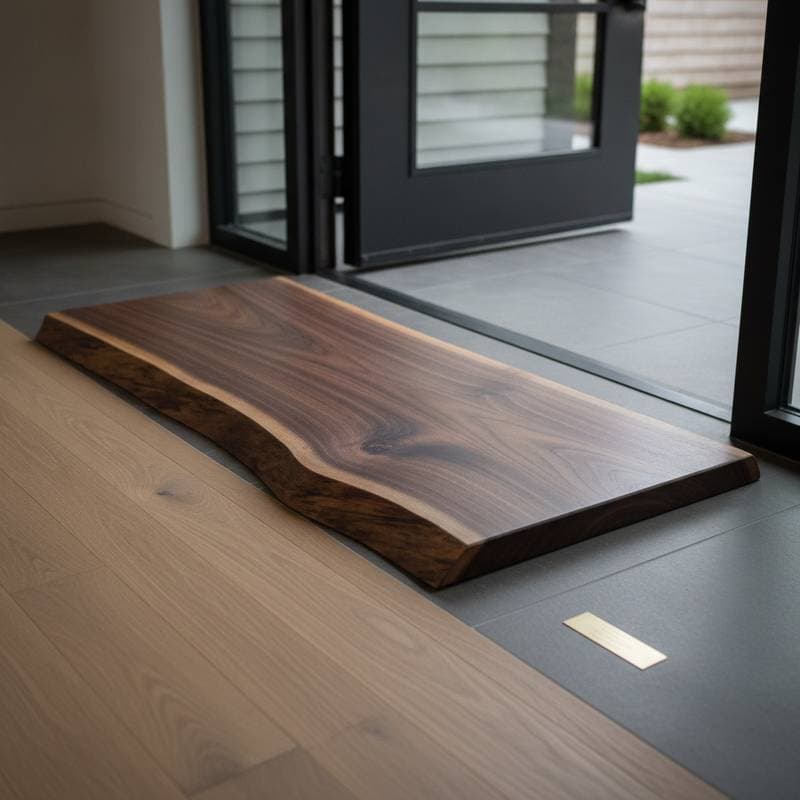
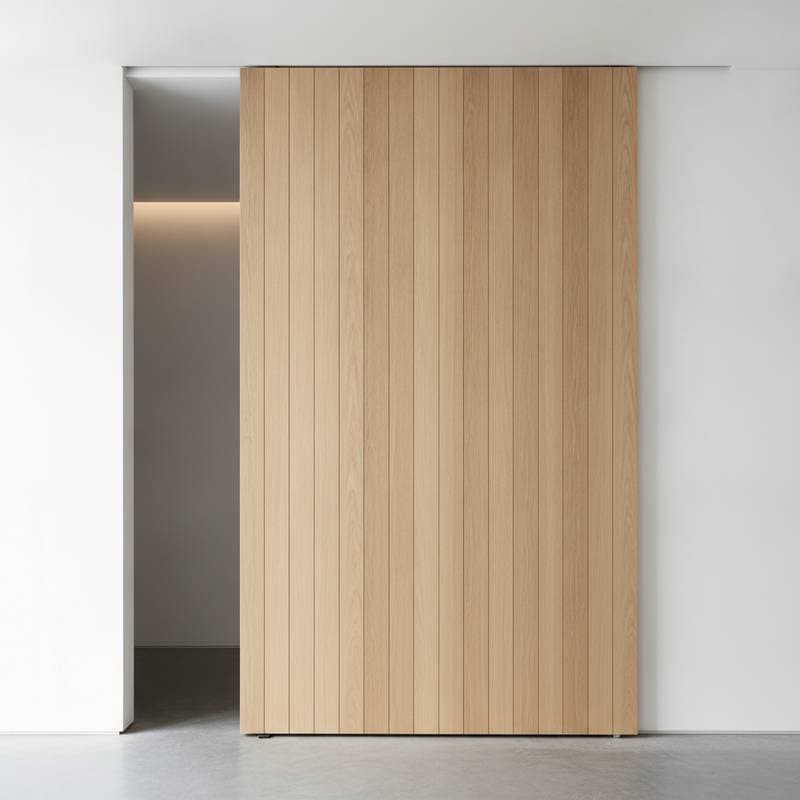
- Doors: White oak, bamboo, or rift-sawn ash harmonize with the color scheme. Apply natural oils, matte varnishes, or subtle stains to accentuate grain patterns. Opt for understated hardware like round grips or recessed pulls in matte black or satin stainless steel.
- Siding: Pair sleek fiber cement boards with timber highlights. Arrange in vertical lines to extend the front elevation and underscore minimalism. Select hues such as warm gray, cream, pale taupe, or subdued green for cohesion.
- Trim and Details: Employ slim profiles in matching shades. Natural timber or coated versions that merge seamlessly avoid stark contrasts. A discreet metal sill or stone riser anchors the composition.
These choices ensure the entryway withstands elements while preserving its serene character. Consider sourcing from sustainable suppliers to align with the eco-conscious ethos of both influences.
Common Pitfalls to Sidestep
Achieving Japandi requires discipline to maintain balance. Certain errors can disrupt the intended calm.
- Excessive ornamentation: Numerous pots, plaques, or ornate fittings disrupt fluid lines. Restrict additions to one or two focal pieces, like a slender porcelain vessel or a lone conifer in a simple container.
- Excessive material variety: The style thrives on limitation. Confine selections to two or three harmonious options. Greater diversity risks appearing disordered instead of unified.
- Disregarding scale: Bulky fixtures or substantial doors may dominate a modest front. Align proportions with the overall building to sustain equilibrium.
- Opting for stark white exteriors: The aesthetic demands warmth and earthiness, not sterility. Cream or beige undertones better complement the organic essence.
- Overlooking environmental safeguards: Minimalism demands functionality. Install adequate weatherproofing, resilient coatings, and robust seals on openings. Such oversights reduce the feature's durability.
Addressing these issues early preserves the design's integrity and longevity.
Preparing for Your Japandi Entryway Project
Commence with thorough assessment before acquiring supplies or finalizing choices. This step streamlines efforts and promotes unified outcomes.
Photography Essentials
- Photograph broad views of the full exterior from multiple perspectives.
- Document close-ups of current doors, moldings, and fixture mounts.
- Include images of adjacent hardscapes and plantings.
- Highlight fixed elements like eaves or support posts.
Project Planning Elements
- Evaluate the residence's prevailing architecture to gauge suitable alterations.
- Review local regulations or association rules on exterior colors, portal designs, or frame sizes.
- Analyze local weather patterns affecting material choices.
- Establish a feasible financial scope and identify key investment areas.
These records facilitate consultations with builders or specialists. They also aid in envisioning seamless incorporation with the home's broader design.
Evaluating Costs and Long-Term Benefits
A Japandi entryway enhances visual allure and leaves a refined mark on visitors and prospects. The emphasis rests on subtlety rather than opulence.
For modest allocations, prioritize impactful visuals. Replacing the portal, unifying the paint scheme, and adding basic illumination can shift the overall impression. Intermediate endeavors incorporate premium components like dense timber and weather-resistant treatments for prolonged service. Premium upgrades might involve tailored joinery and embedded luminaires that boost structural worth.
Market advantages arise from the evident quality and perpetuity of the style. Purchasers appreciate the poised refinement of a harmonious front, with neutral tones broadening appeal. Commitment to resilience and precision yields returns in enjoyment and endurance.
Infusing Individuality into Japandi Design
Japandi adheres to sparse guidelines, yet room exists for personal touches. Introduce a bespoke feature to claim ownership of the space. Position a handmade stool under a pane, lay a woven rug from organic fibers, or hang a modest garland that shifts with seasons. These elements infuse vitality without compromising the core tranquility.
Such adaptations ensure the entryway reflects your narrative while upholding the style's peaceful foundation. The result is a threshold that welcomes with both universality and uniqueness, fostering daily appreciation and elevating property value.