Casements Outsell Double-Hungs 3:1 in 2025 Remodels
Casement windows emerge as the top selection for homeowners replacing windows. Data from recent remodeling projects indicates casements outsell double-hung windows by a ratio of three to one. This trend highlights evolving preferences for energy savings, streamlined appearance, and straightforward functionality. Homeowners increasingly prioritize elements that enhance daily comfort and visual harmony.
Average Costs and Installation Overview
Casement windows generally range from $350 to $1,200 per unit with installation included. Double-hung windows cost between $300 and $1,000 per unit. Although the price gap appears small, casements offer enhanced durability through superior sealing and minimal air penetration.
| Window Type | Average Cost (Installed) | Energy Efficiency | Typical Lifespan |
|---|---|---|---|
| Casement | $350 to $1,200 | Excellent | 30 to 40 years |
| Double-Hung | $300 to $1,000 | Good | 20 to 30 years |
Mark Jensen, a professional installer with Coastal View Renovations in Chicago, notes, “Casement windows tend to seal more completely than double-hungs, which makes them better at keeping drafts out, especially in older homes with less insulation.” Such benefits frequently offset the initial investment.
Why Casement Windows Are Surging in Popularity
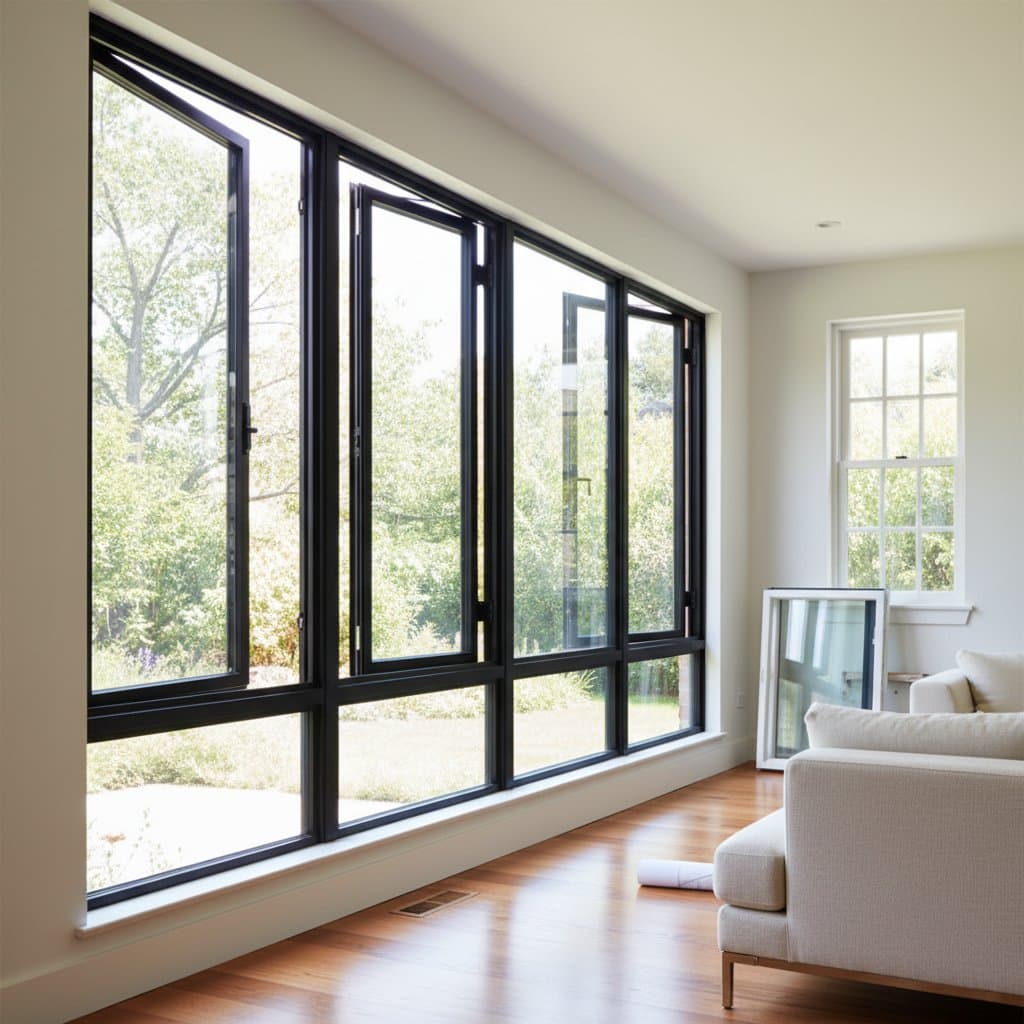
Casement windows swing outward via a crank mechanism, allowing complete ventilation and clear sightlines. Users value the ability to capture cross-breezes and promote air circulation without adjusting sashes. This configuration suits both modern and classic home exteriors.
Energy performance drives much of the appeal. The single sash compresses against the frame upon closing, minimizing drafts and infiltration. Contemporary models feature multi-point locks and compression seals for improved weatherproofing. In areas with harsh winters or humid conditions, these attributes lower heating and cooling expenses by 10 to 15 percent each year.
To maximize savings, select windows certified by organizations like Energy Star. Pair them with proper insulation around the frame during installation. Homeowners in variable climates report noticeable reductions in utility bills within the first season.
Comparing Material Choices
Frame material selection impacts efficiency, expense, and upkeep. Vinyl provides an economical entry point, whereas fiberglass and wood offer greater resilience and visual refinement.
| Material | Price Range (per window) | Maintenance | Best Use |
|---|---|---|---|
| Vinyl | $350 to $750 | Low | Budget-friendly replacements |
| Fiberglass | $600 to $1,100 | Very Low | High-performance homes |
| Wood | $700 to $1,200 | Moderate | Historic or luxury properties |
| Aluminum-Clad Wood | $800 to $1,400 | Low | Energy-efficient upgrades |
Vinyl casements suit those watching expenses, delivering solid insulation without complexity. Fiberglass withstands expansion and contraction in extreme temperatures, ideal for coastal or arid regions. Wood and aluminum-clad options excel in bespoke projects, where matching existing trim ensures cohesive architecture.
Consider local weather when choosing: fiberglass resists warping in humid environments, while wood adds warmth to interiors. Request samples from suppliers to evaluate texture and finish before committing.
Installation Factors That Affect Price
Labor accounts for 25 to 40 percent of total casement replacement expenses. Precise fitting ensures optimal crank movement and seal integrity. Structures with brick or stucco facades demand extra work to integrate the frame, increasing costs by $75 to $200 per opening.
Key influences on pricing include:
- Window size and shape: Larger or non-standard designs necessitate custom fabrication and careful handling.
- Glass type: Standard double-pane suffices for most, but low-E coatings or triple-pane options add $50 to $100 per unit for better thermal control.
- Hardware quality: Durable cranks and locks extend service life with only slight cost increases.
- Accessibility: Upper-level placements require lifts or scaffolding, elevating labor by 10 to 15 percent.
Schedule installations during mild weather to avoid complications. Verify contractor credentials through local building associations for reliable results.
Performance and Energy Savings
Casement windows secure among the lowest air leakage rates in homes, often at 0.1 cubic feet per minute per square foot. Double-hung models range from 0.3 to 0.5, varying by construction quality. This gap directly improves indoor climate control and reduces energy use.
A certified energy auditor from GreenBuild Consultants explains, “Casement windows can maintain interior temperatures more consistently, which helps HVAC systems operate more efficiently. Over time, that efficiency can offset the higher purchase price.”
Integrate low-E glass and foam-filled frames for peak results. These setups may earn federal tax credits up to $1,200 or utility incentives. Consult installers early to confirm rebate qualifications and streamline the process.
Design and Aesthetic Considerations
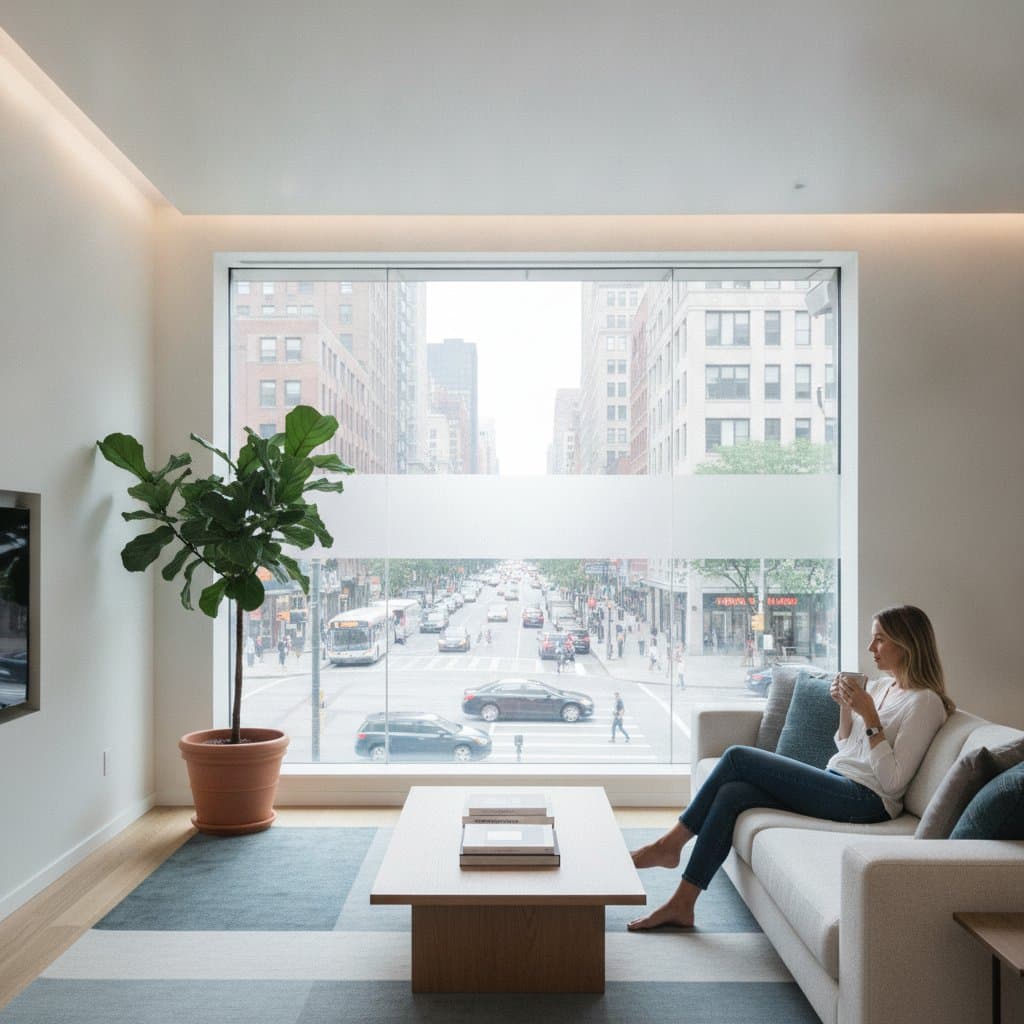
Casement windows deliver a clean, expansive profile that enhances natural light. Combine them with fixed transoms for panoramic views in living areas. In heritage homes, simulated divided lites mimic vintage detailing while preserving modern efficiency.
Their placement shines in utility spaces like kitchens and baths, where cranks avoid interference with appliances. This accessibility benefits seniors or individuals with mobility challenges, promoting independence.
Measure openings accurately and visualize placements with software tools from manufacturers. Balance casements with other styles to unify the facade without overwhelming the design.
Maintenance and Longevity
Annual lubrication of cranks and checks on seals extend casement lifespan. Address minor issues promptly to prevent efficiency losses.
Wood frames benefit from repainting every three to five years, depending on exposure. Vinyl and fiberglass require simple washing with soap and water seasonally. Swap out degraded weatherstripping during routine inspections to sustain performance.
Track maintenance in a home log to anticipate needs. Professional tune-ups every five years catch hidden wear, ensuring decades of reliable service.
When to Choose Casement Over Double-Hung
Opt for casements if priorities include:
- Maximum airflow and clear vistas
- Advanced sealing against weather
- Residences in windy or fluctuating climates
- Effortless handling and versatile styling
Double-hung windows suit scenarios demanding classic lines or AC unit compatibility. Yet casements prevail in most updates due to their comprehensive advantages.
Steps to Select and Install Casement Windows
Evaluate your home's layout, weather patterns, and style to decide on casements. Gather estimates from three vetted professionals for precise sizing and options.
Prioritize Energy Star-rated products and discuss rebate opportunities. Post-installation, monitor performance and adjust habits for optimal savings. This approach transforms replacements into lasting improvements for comfort and value.