Barn Door Fails Exposed: Designer Tracks That Work
Few design features have transitioned from rustic barns to modern interiors as dramatically as the sliding barn door. This element saves space, provides visual impact, and adds character to a room. However, many installations disappoint due to misaligned tracks, noisy rollers, and disproportionate sizing. These issues transform a promising feature into a source of daily irritation. Selecting the appropriate track system and design elements ensures the door delivers both aesthetic appeal and reliable performance.
Why Some Barn Doors Miss the Mark
The initial charm of a barn door fades when track hardware operates clumsily or the door drags unevenly. Homeowners often overlook the weight capacity of standard tracks or fail to align door dimensions with the opening precisely. Some select finishes that appear attractive in photographs but demand excessive maintenance after installation. Consequently, the door appears worn within months and performs inadequately from the outset. Modern designer tracks address these challenges through superior materials, enhanced smoothness, and versatile finishes suitable for rustic or contemporary environments.
The Modern Barn Door Trend: Sleek, Silent, and Structural
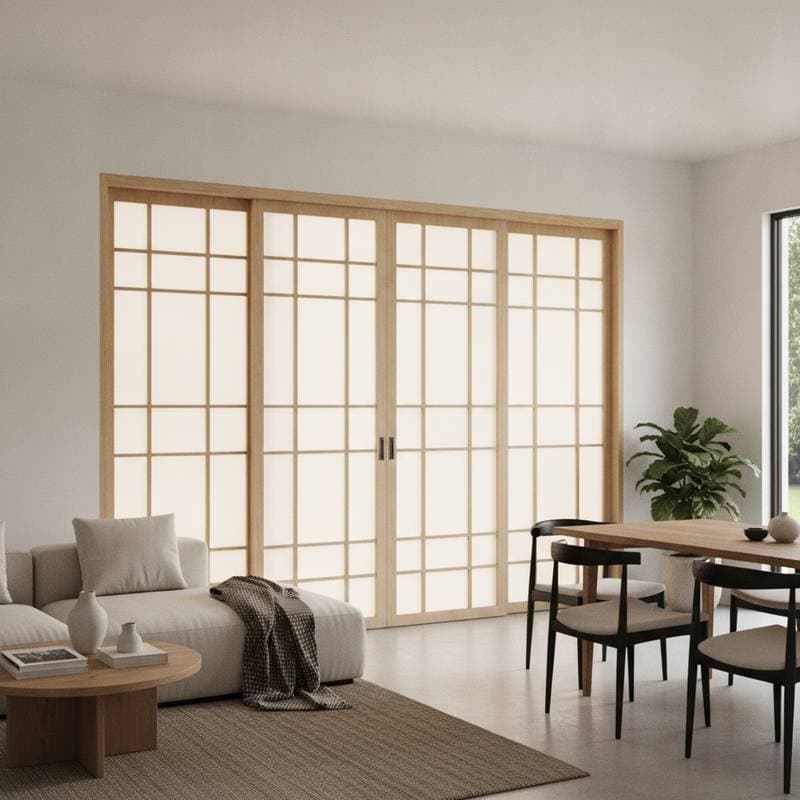
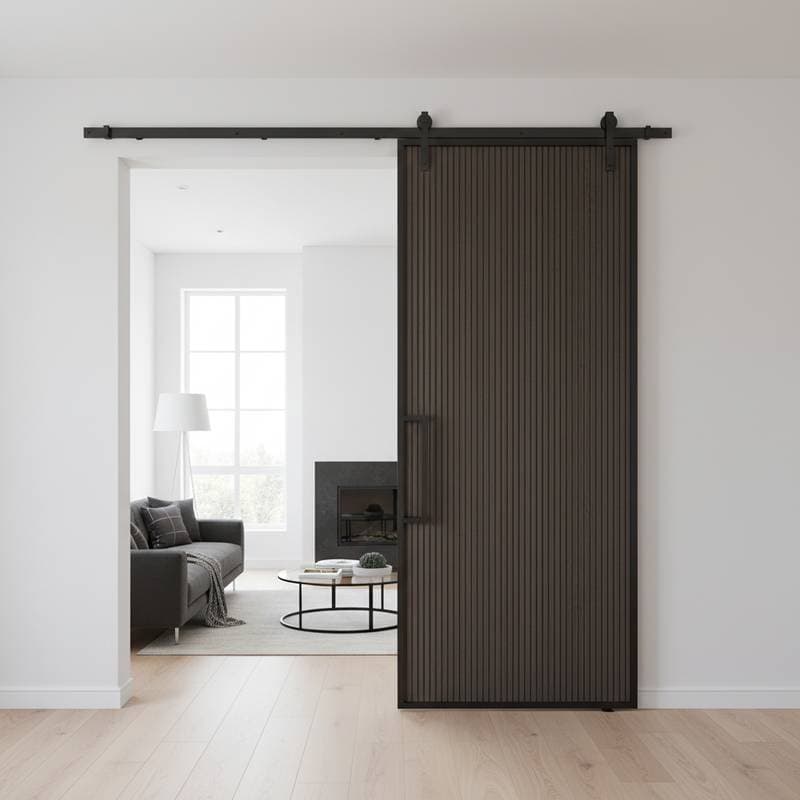
Contemporary barn door designs emphasize refined lines and quiet functionality. Rather than rough-hewn wood and bulky hardware, selections now include minimalist door panels paired with high-quality tracks. These setups integrate seamlessly with clean interiors, Scandinavian-style rooms, or transitional spaces that blend natural textures and sharp surfaces. The objective remains to preserve visual lightness while retaining the tactile appeal that popularized barn doors.
Three Ways to Get This Look
Save Approach ($600 - $1,200)
- Install pre-finished engineered wood doors alongside a simple matte black steel track.
- Opt for hollow-core panels with woodgrain laminate to facilitate lightweight setup.
- Allocate additional funds for soft-close hardware to prevent slamming noises.
Mid-Range Approach ($1,300 - $2,800)
- Choose solid-core wood doors in white oak or walnut veneer.
- Upgrade to powder-coated stainless steel tracks featuring concealed rollers.
- Incorporate wall guides and a matching pull handle to achieve a unified appearance.
Invest Approach ($3,000 - $5,000)
- Select custom solid wood or metal-framed glass doors with precision-engineered tracks.
- Use architectural hardware in brushed brass or anodized aluminum.
- Implement dual-track systems for paired doors and built-in soft-close features for reliable gliding and durability.
Material and Finish Guide
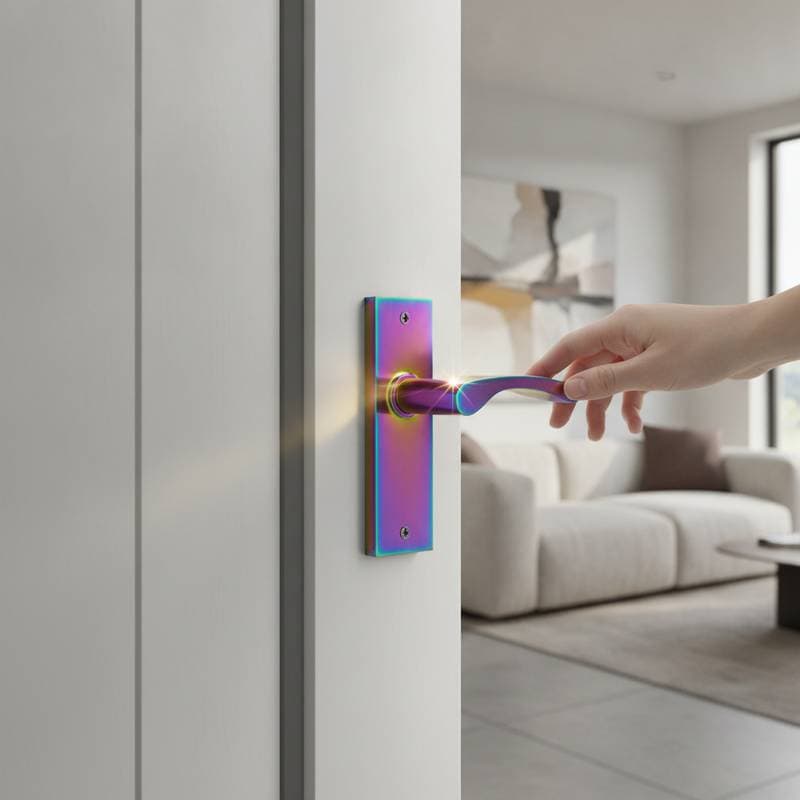
- Tracks: Select steel or aluminum tracks equipped with sealed bearings for quiet rolling. Matte black holds popularity, yet brushed nickel and champagne bronze provide contemporary options that align with prevailing interior schemes.
- Doors: Solid wood imparts warmth, whereas composite or glass panels offer a lighter profile. Engineered materials withstand warping and swelling in humid locations.
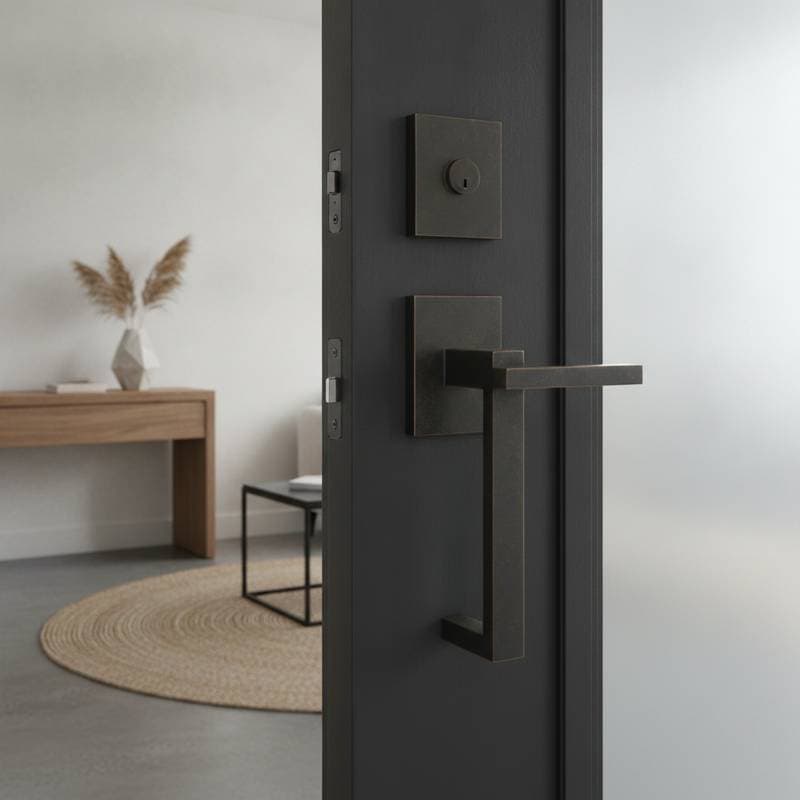
- Hardware: Muted metallic tones in minimalist designs suit modern settings more effectively than ornate wrought iron. Adjustable wall mounts ensure precise alignment.
- Trim and Accents: Match trim colors to baseboards or flooring for seamless visual continuity. When the door contrasts sharply with walls, simplify adjacent elements to preserve equilibrium.
Maintenance Reality Check
Sliding barn doors demand more attention than many anticipate. Exposed tracks accumulate dust, and rollers may develop squeaks without periodic lubrication. Painted surfaces risk chipping from repeated impacts against stops. Stainless steel and anodized finishes endure wear effectively in busy areas. Wipe wood doors regularly to avoid residue near handles and edges. For glass inserts, employ microfiber cloths with ammonia-free cleaners to maintain clarity without harming seals. High-quality hardware minimizes ongoing expenses by promoting alignment and ease of use.
Avoid These Mistakes
- Ignoring Weight Ratings: Pairing a heavy solid-core door with a hollow-wall mounting invites sagging or structural damage. Verify the track's load capacity prior to purchase.
- Skipping a Header Board: Direct attachment to drywall poses risks. A sturdy header spreads the load evenly and yields a neater profile.
- Over-Decorating the Door: Excessive planks or straps render the door cumbersome and hinder movement. Maintain subtle, purposeful details.
- Forgetting Clearance: Ensure sufficient wall space for full extension. Measure meticulously to avoid interference with trim or switches.
Color and Style Coordination
Neutral schemes offer the most reliable foundation for barn doors in current homes. Consider these pairings for harmonious results:
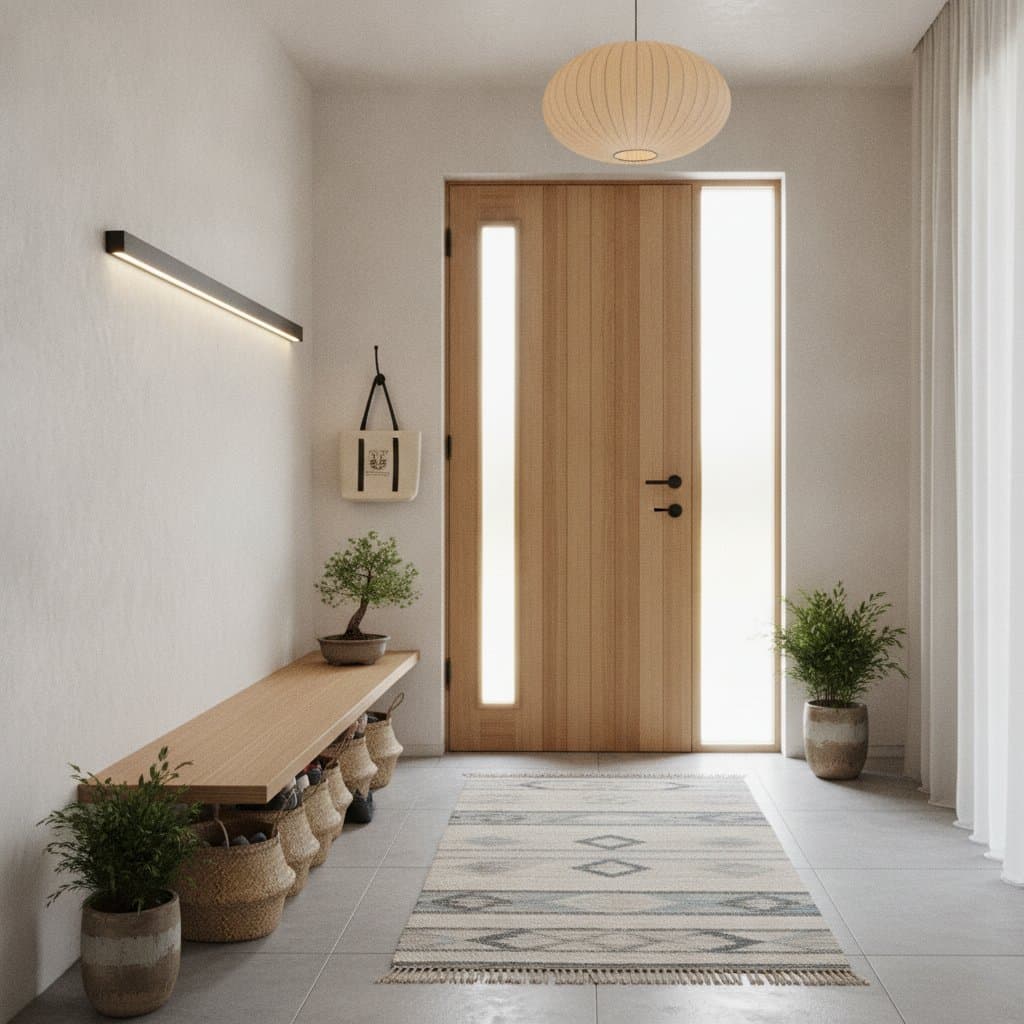
- Warm Minimalism: Pair a natural white oak door with a matte black track against warm white walls.
- Soft Contrast: Combine a charcoal gray door, brushed nickel track, and pale gray trim.
- Coastal Calm: Use a white door, stainless steel track, and light blue-gray walls.
- Modern Rustic: Feature a deep espresso door, oil-rubbed bronze track, and creamy beige walls.
- Glass and Light: Install a frosted glass door with champagne bronze track on soft neutral paint for an open feel.
These arrangements align color temperatures, reflectivity, and sheen levels to foster material cohesion. Integrate the track thoughtfully to avoid an appended appearance.
Planning Photography Checklist
Document the current configuration before choosing tracks or doors. Photographs assist contractors and designers in suggesting compatible systems and finishes. Include:
- Exterior and interior perspectives from multiple angles to illustrate lighting.
- Doorway measurements and adjacent trim specifics.
- Ceiling height plus wall clearance on each side.
- Flooring material, as it influences the door's bottom gap.
- Style inspirations from the room to guide color and finish decisions.
Such visuals establish a comprehensive record, guaranteeing the new track enhances architecture and usability.
Achieving Seamless Integration
Successful modern barn doors balance design and utility effectively. An appropriate track elevates a potentially disruptive element into a fluid architectural accent that complements room dynamics. Whether opting for a basic matte black setup or a bespoke brass configuration, prioritize precision and scale. Align materials with the surroundings, anticipate maintenance needs early, and account for spatial limitations. This approach yields a door that operates silently, appears polished, and endures without diminishing its inherent allure.