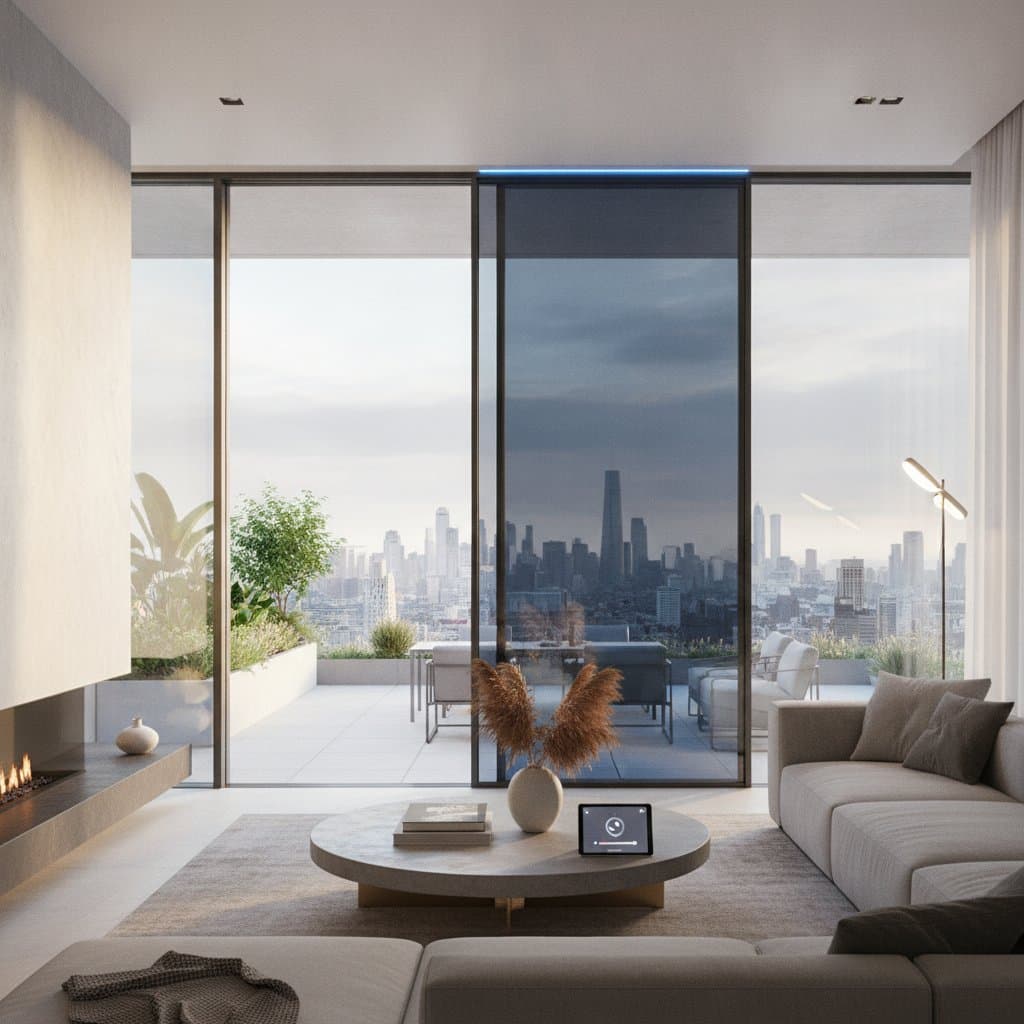
How Acoustic Windows Reduce Urban Noise by Up to 85 Percent
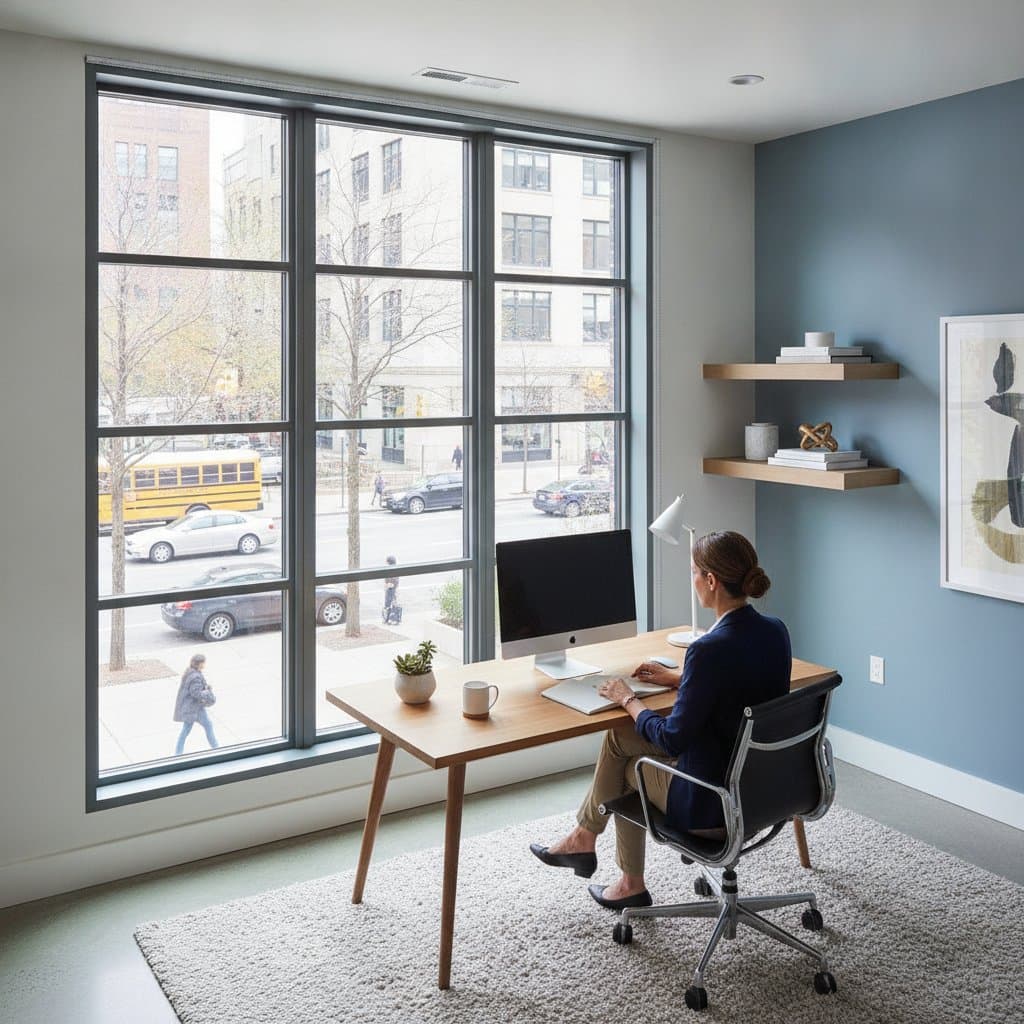
Urban environments offer vibrant energy and accessibility, but they also bring persistent sounds from traffic, construction sites, and bustling streets. These disturbances can disrupt sleep, focus, and relaxation. Acoustic windows address this challenge effectively, blocking up to 85 percent of external noise while preserving a home's architectural charm and boosting overall livability.
These windows integrate advanced sound-dampening features without compromising visual appeal. They enhance thermal performance to lower energy costs and can elevate resale value by creating more desirable indoor spaces. Selecting the right acoustic windows involves evaluating design compatibility, noise reduction needs, and financial considerations to achieve optimal results.
The Science Behind Acoustic Windows
Acoustic windows employ multiple layers of laminated glass separated by air or inert gas pockets, along with airtight seals and robust frames. The laminated interlayer, often made from polyvinyl butyral, dampens vibrations from sound waves. This configuration disrupts noise transmission, achieving reductions measured in decibels that translate to an 85 percent perceived drop in volume.
Homeowners retain flexibility in aesthetics, choosing frames in various materials and colors, from powder-coated aluminum to wood composites. Grid styles and glazing tints can align with any facade, ensuring the windows enhance rather than alter the home's exterior character.
Quiet Contemporary: Sleek Lines and Superior Soundproofing
Contemporary designs emphasize simplicity and openness, where large windows frame views without visual clutter. Acoustic upgrades in this style deliver hushed interiors amid city clamor, fostering a sense of retreat.
Three Approaches to Achieve This Style
Budget-Friendly Option ($3,000 - $6,000)
- Retrofit existing frames with vinyl acoustic inserts to target noise reduction in key areas.
- Install double-glazed laminated units selectively in noise-exposed rooms such as bedrooms.
- Apply neutral trim in soft white or light gray to maintain a streamlined profile.
Mid-Tier Option ($6,000 - $12,000)
- Replace full frames with uPVC or composite models offering integrated insulation.
- Incorporate tinted acoustic glazing to minimize glare and enhance privacy levels.
- Coordinate with slim aluminum sidelights or doors for a cohesive modern facade.
Premium Option ($12,000 - $25,000)
- Opt for custom aluminum-clad wood units featuring triple-pane acoustic glass.
- Select concealed hinges and flush casings for uninterrupted sightlines.
- Pair with fiber-cement panels in monochromatic tones for enduring elegance.
Essential Materials and Finishes
- Windows: Slim casement or picture windows in matte black, charcoal, or sand. Pair with brushed nickel hardware for subtle sophistication.
- Doors: Full-lite patio sliders or pivot entries with acoustic-laminated glazing. Tinted or frosted options preserve light flow while adding seclusion.
- Siding: Horizontal fiber-cement or composite planks in pale gray or off-white to echo minimalist restraint.
- Trim and Details: Narrow, siding-matched profiles ensure a monolithic, architectural presence.
Practical Maintenance Tips
Vinyl and composite components demand little beyond annual cleaning and seal inspections. Aluminum-over-wood frames benefit from mild soap washes and checks for coating integrity. Laminated glass withstands daily use but requires microfiber cloths to avoid streaks and maintain acoustic performance.
Common Pitfalls to Avoid
- Select glass thicknesses below acoustic ratings, which may allow residual sounds to penetrate.
- Neglect frame perimeter seals, diminishing the overall noise barrier effectiveness.
- Introduce glossy elements that clash with the intended matte, understated vibe.
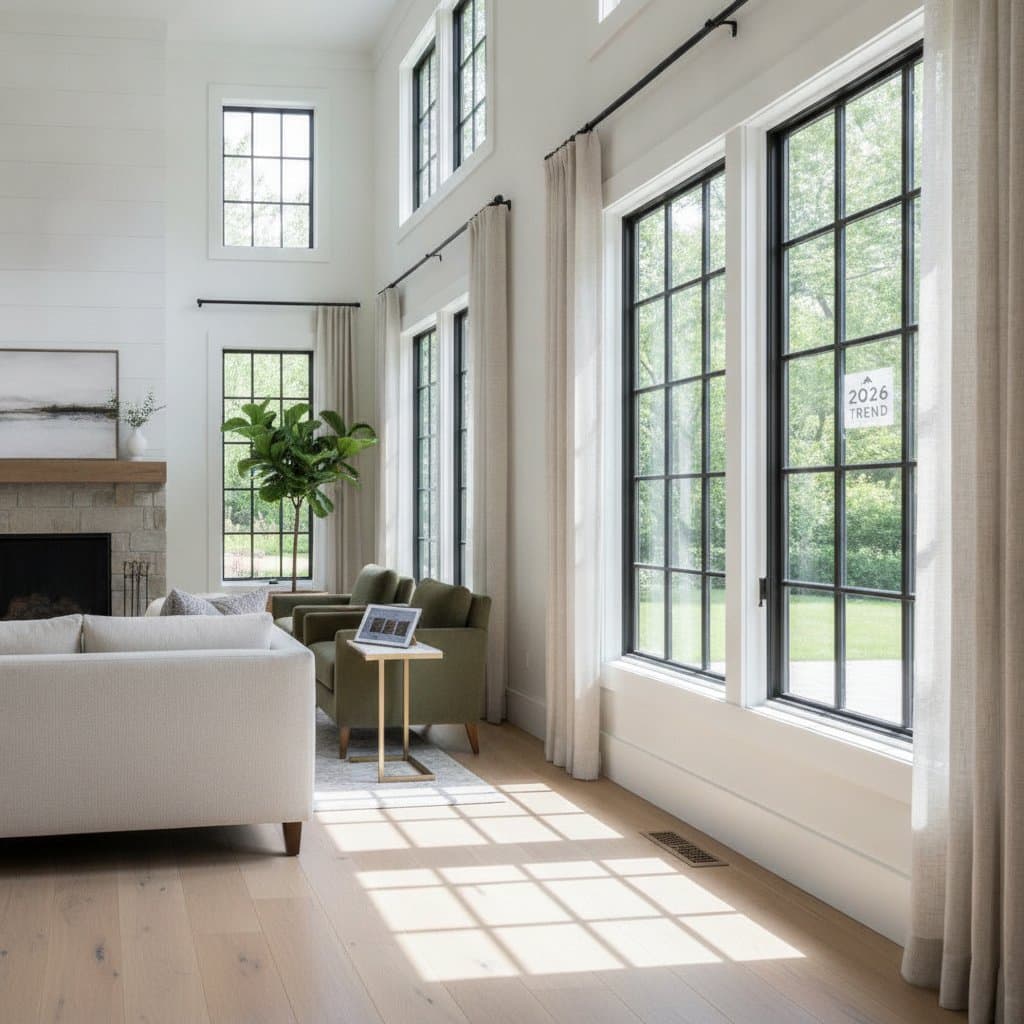
Modern Farmhouse Calm: Rustic Charm Enhanced by Silence
The modern farmhouse style blends weathered textures with clean functionality, ideal for homes near suburban thoroughfares. Acoustic windows integrate naturally, providing refuge from road noise while honoring the aesthetic's warmth.
Three Approaches to Achieve This Style
Budget-Friendly Option ($4,000 - $8,000)
- Upgrade glass in current wood frames to laminated acoustic panels for cost-effective quiet.
- Coat trim in matte black to simulate premium steel without full replacement.
- Install vinyl board-and-batten siding mimicking wood grain for durable, low-effort upkeep.
Mid-Tier Option ($8,000 - $15,000)
- Fit complete fiberglass or composite window sets in deep, earthy finishes.
- Prioritize double-laminated glass in street-facing bedrooms for targeted relief.
- Add composite doors with acoustic cores and wood-like veneers for unified suppression.
Premium Option ($15,000 - $28,000)
- Choose wood windows clad in aluminum with triple-laminated glazing for superior control.
- Complement with cedar or modified wood siding treated for weather resistance.
- Incorporate barn doors featuring soundproof cores and wrought-iron accents.
Essential Materials and Finishes
- Windows: Dark bronze or black frames with light-dividing grids to evoke heritage.
- Doors: Veneered wood entries or sliders with acoustic glass inserts for balanced acoustics.
- Siding: Shiplap or vertical battens in white paint or natural tones for textural depth.
- Trim and Details: Exposed wood eaves, black downspouts, and metal fixtures tie rustic notes together.
Practical Maintenance Tips
Wood siding needs biannual sealing to combat exposure. Composites offer fade resistance but benefit from gentle cleaning. Interior wood on acoustic windows requires occasional oiling, while claddings shield exteriors from elements.
Common Pitfalls to Avoid
- Layer conflicting patterns that disrupt the style's harmonious simplicity.
- Use highly reflective glazing, which may skew the look toward stark modernity.
- Overlook airflow needs, risking indoor moisture with fully sealed upgrades.
Coastal Serenity: Tranquil Views Amid Seaside Sounds
Coastal properties contend with waves, winds, and vehicle hums. Acoustic windows deliver peace by filtering these while framing ocean vistas and allowing controlled ventilation.
Three Approaches to Achieve This Style
Budget-Friendly Option ($3,500 - $7,000)
- Add double-pane acoustic glass to primary rooms for essential noise mitigation.
- Select vinyl siding in beachy hues like soft blue or beige for subtle enhancement.
- Attach composite shutters to boost insulation and curb appeal.
Mid-Tier Option ($7,000 - $13,000)
- Install aluminum or composite frames with anti-corrosion treatments.
- Fit acoustic sliders for patios, using clear laminated panels.
- Use textured, weatherproof siding to capture nautical essence.
Premium Option ($13,000 - $26,000)
- Deploy impact-resistant, triple-glazed marine windows.
- Choose PVC or fiberglass frames with specialized salt barriers.
- Accent with louvered shutters and simulated wood trim for classic allure.
Essential Materials and Finishes
- Windows: Light gray or white frames with broad mullions for airy proportions.
- Doors: French or sliding styles with laminated panels and marine-grade hardware.
- Siding: Engineered planks in pearl, sky, or sand shades for light reflection.
- Trim and Details: Bright white borders, stainless fittings, and coastal lanterns for thematic cohesion.
Practical Maintenance Tips
Rinse salt from surfaces monthly in marine zones. Durable coatings on frames and glass preserve function in humidity. Annual seal reviews ensure long-term noise and weather resistance.
Common Pitfalls to Avoid
- Employ non-coated metals prone to rust and aesthetic degradation.
- Rely on basic glazing, which falters against coastal noise and elements.
- Neglect dehumidification, inviting condensation in tightly sealed setups.
Coordinating Colors and Finishes for Harmony
Effective exteriors rely on palettes that unify windows with surrounding elements. Acoustic glass's neutral tint works across schemes, amplifying light diffusion and efficiency.
Curated Palette Suggestions
- Urban Minimalism: Charcoal bases, white accents, silver grays for poised restraint.
- Farmhouse Balance: White panels, black outlines, wood warms for inviting depth.
- Coastal Ease: Sandy neutrals, pale grays, navy edges for serene layers.
- Earthy Integration: Taupe walls, bronze frames, stone foundations for grounded appeal.
- Timeless Ease: Ivory siding, rich browns, nickel touches for subtle luxury.
Pre-Installation Photography Guide
Visual documentation streamlines decisions and contractor discussions. Capture comprehensive images to evaluate fits and compliance.
Step-by-Step Checklist
- Photograph exteriors from multiple angles using wide lenses.
- Detail trim, siding, and frames in close-ups.
- Document materials, colors, and unique features.
- Measure openings and map noise origins like roads or sites.
- Check local codes or association guidelines.
- Assess climate impacts on durability.
- Define budgets and prioritize high-impact areas.
Integrating Design and Performance for Lasting Tranquility
Acoustic windows elevate homes by merging silence with style, turning everyday spaces into sanctuaries. Thoughtful selections in materials, colors, and upkeep ensure enduring benefits. Homeowners gain not just quieter rooms but a refined exterior that withstands time and enhances daily life.