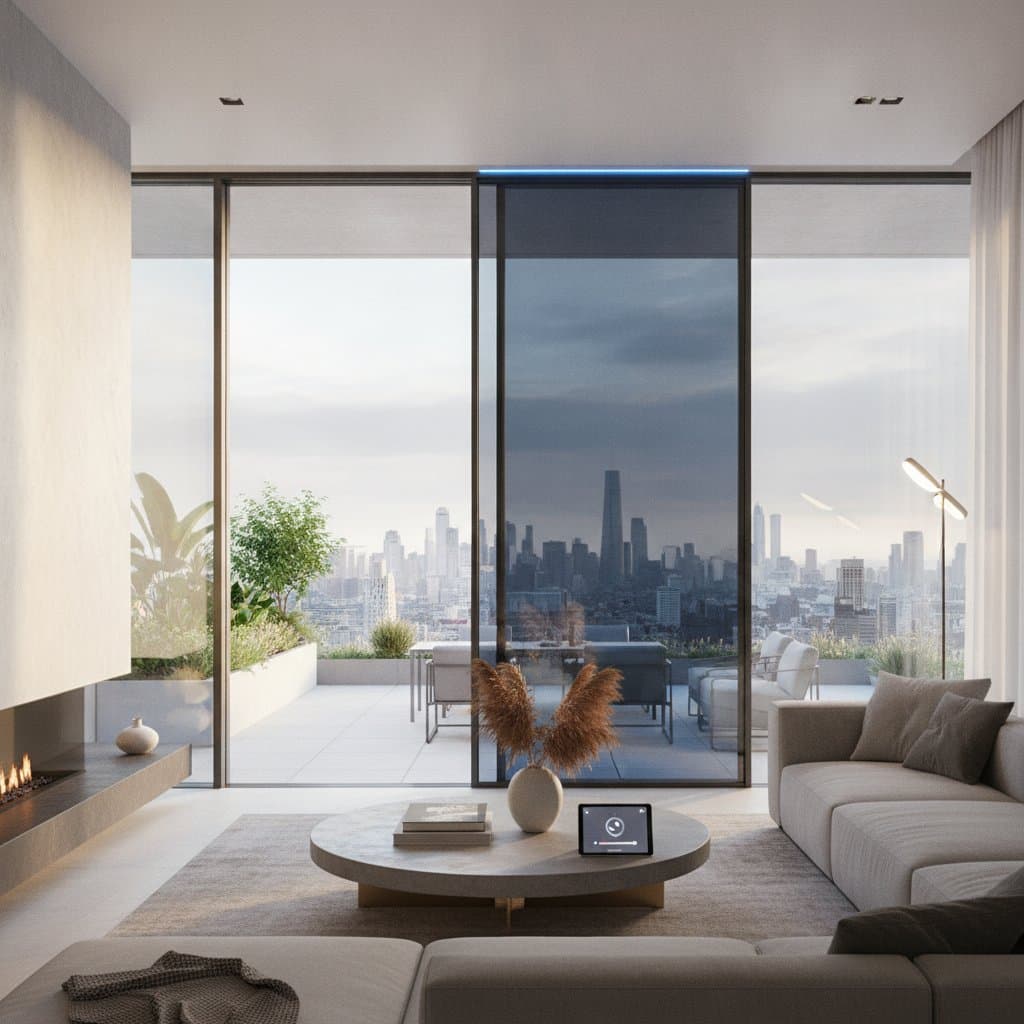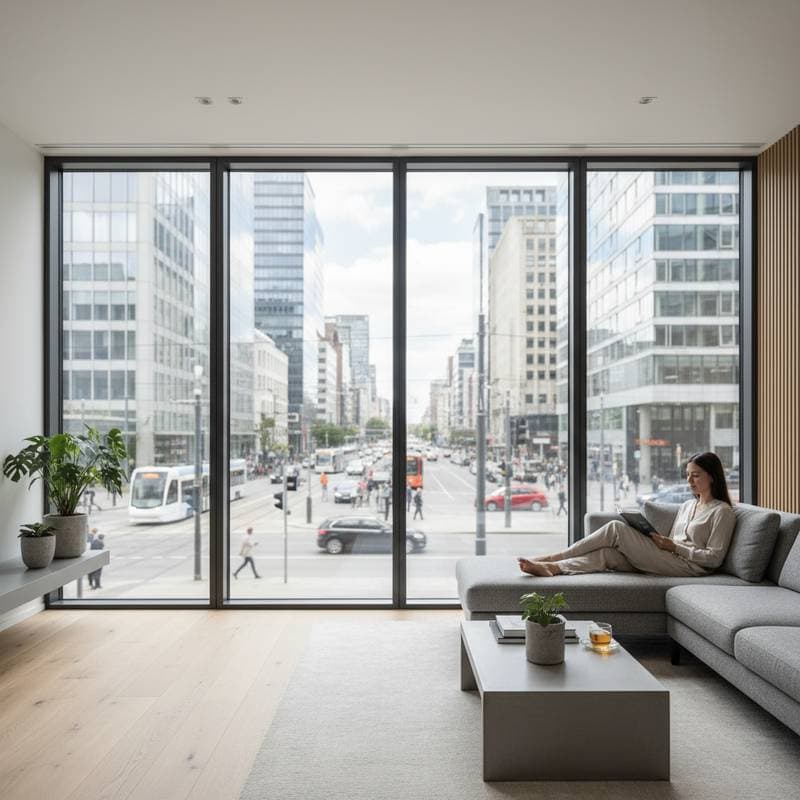
Addressing Urban Noise with 2025 Acoustic Windows
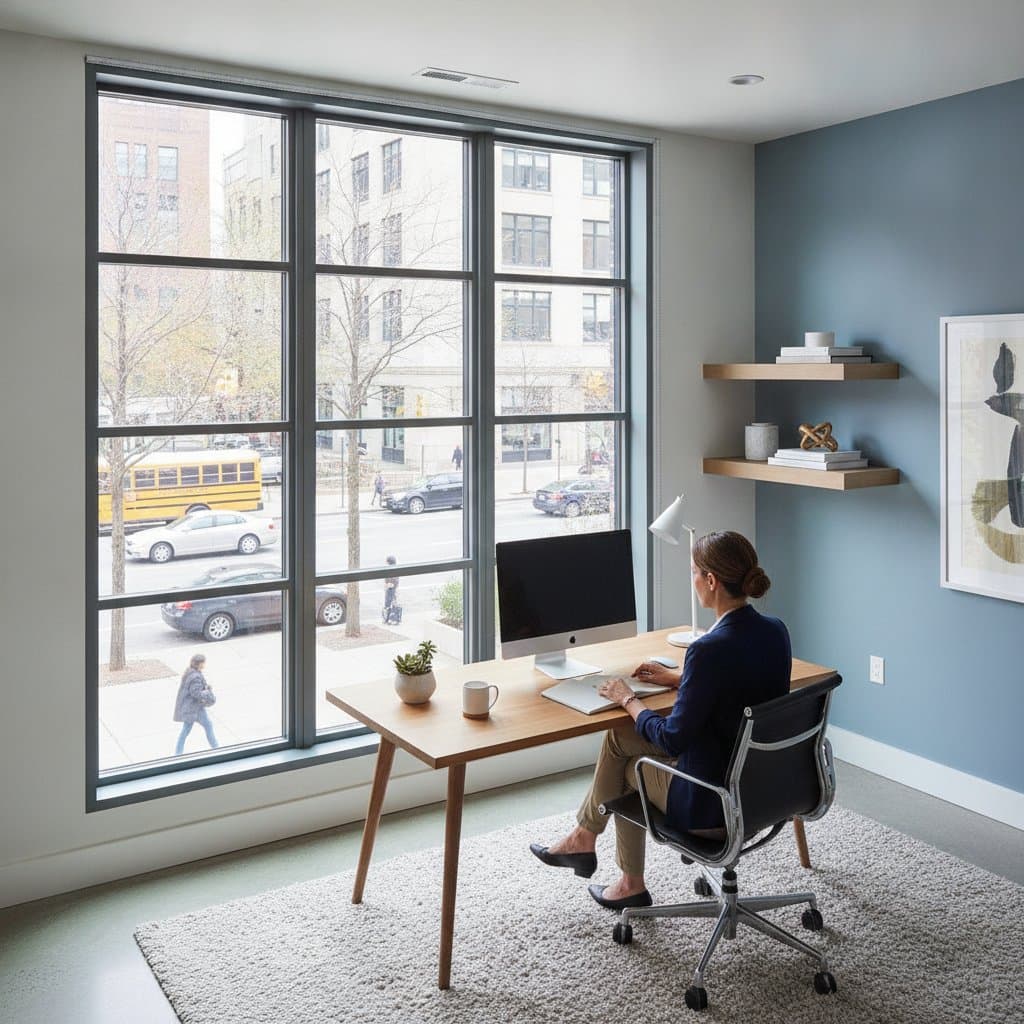
City environments pulse with vitality, but persistent sounds from traffic, emergency vehicles, and building sites often lead to exhaustion. Advanced acoustic window systems now enable residents to restore quiet in crowded areas. These installations reduce external noise by as much as 85 percent, converting noisy spaces into tranquil havens. Such solutions align seamlessly with contemporary architecture, allowing property owners to combine practicality with aesthetic refinement.
Integrating Acoustic Windows into Contemporary Urban Design
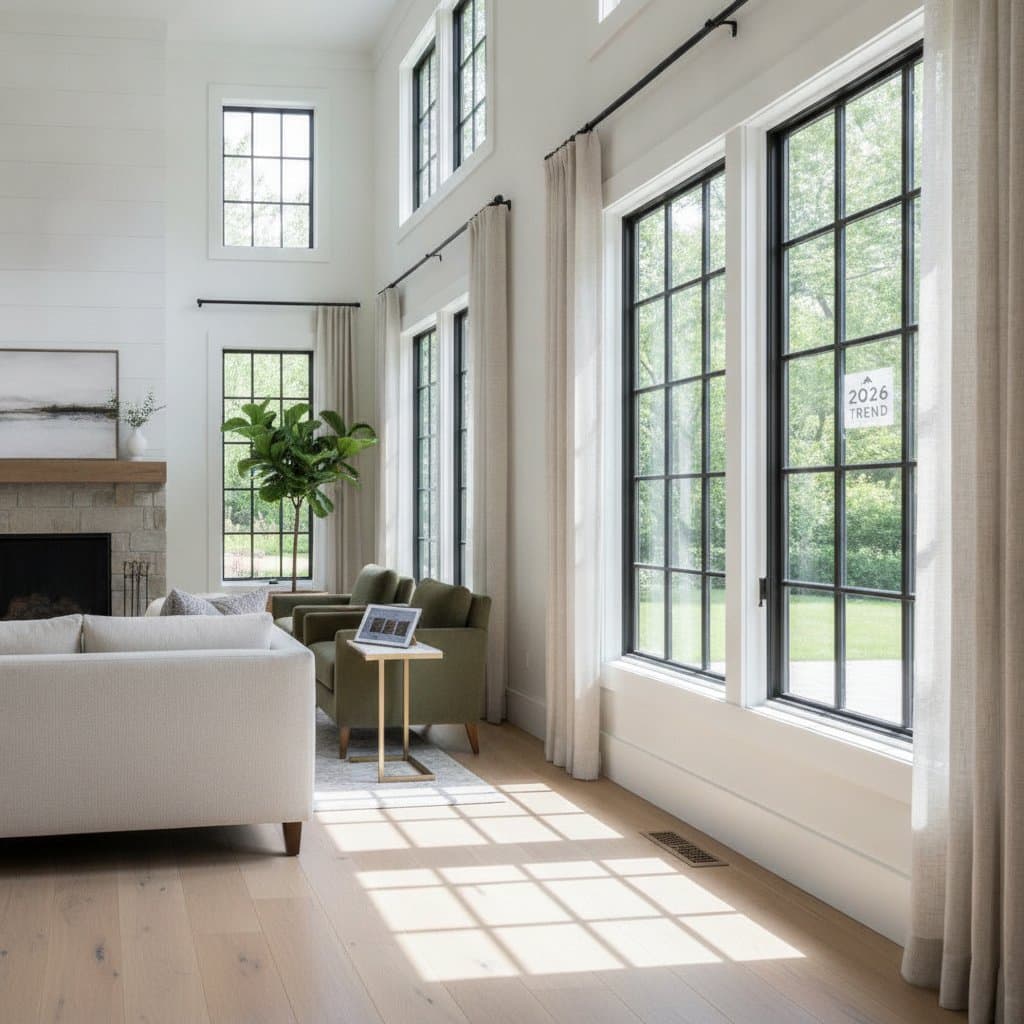
Modern urban structures emphasize streamlined forms, subdued colors, and uncluttered exteriors. Expansive glass panels, dark frames, and subtle detailing define prevailing styles. Acoustic windows enhance this visual language while elevating indoor quality. They incorporate laminated glass with noise-absorbing layers, thermally insulated frames, and tight compression seals in slender profiles that harmonize with current building trends. The outcome yields windows that contribute to design integrity rather than appearing utilitarian, fostering both calm and elegance.
Silent interiors extend beyond indulgence; they support concentration, sleep, and well-being. Effective acoustic systems distance the clamor of urban streets, enabling individuals to appreciate metropolitan vibrancy without auditory intrusion.
Three Strategies for Implementation
Budget Strategy (5,000 to 10,000 Dollars)
- Select double-pane vinyl windows featuring acoustic laminated glass on noise-exposed elevations.
- Target high-impact areas like sleeping quarters and communal rooms.
- Opt for standard frame colors such as matte black or white to align with trends and avoid extra costs.
Intermediate Strategy (10,000 to 20,000 Dollars)
- Advance to composite or fiberglass frames for superior thermal and acoustic properties.
- Install triple-pane glass filled with argon to minimize vibrations.
- Include blinds positioned between glass layers for privacy and simplified care.
- Incorporate grid patterns that echo the residence's structural lines, providing a polished appearance within financial limits.
Premium Strategy (20,000 to 40,000 Dollars)
- Employ aluminum-clad wood frames with acoustic laminated glass across all openings.
- Integrate large fixed windows to frame views undisturbed by external sounds.
- Apply custom exterior finishes like bronze or graphite to boost visual interest.
- Combine with high-quality weatherstripping and insulated bases for reliable noise reduction.
Guide to Materials and Finishes
- Windows: Seek laminated or triple-pane options with a Sound Transmission Class (STC) rating exceeding 40. Frame exteriors in black, bronze, or charcoal gray suit modern facades. Hardware in brushed nickel or matte black ensures uniformity.
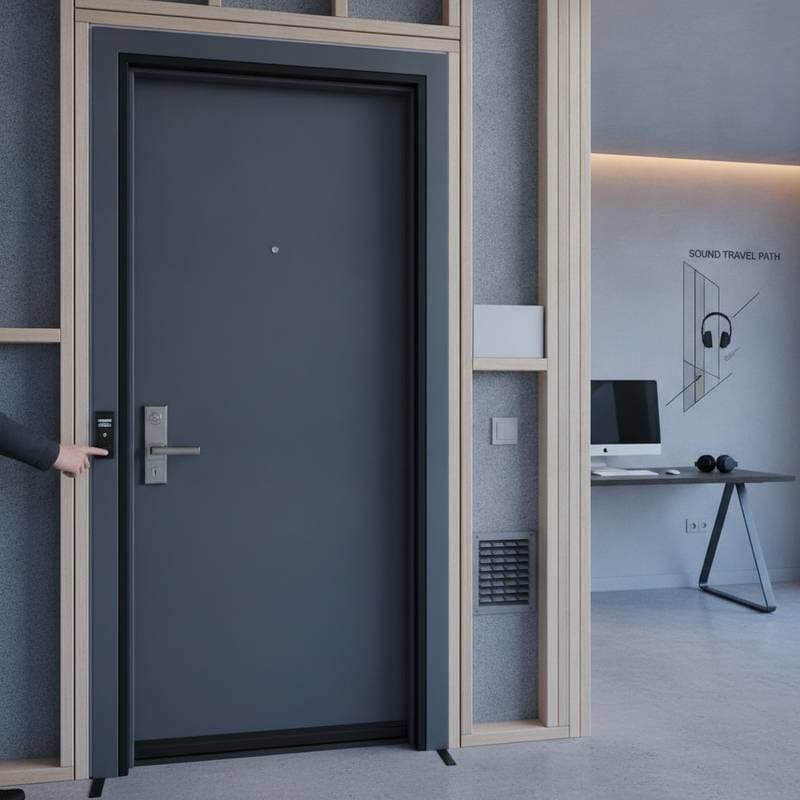
- Doors: Pair with solid-core entry doors equipped with acoustic seals. For outdoor access, select sliding glass doors featuring dual gaskets and laminated panels to balance aesthetics and sound management.
- Siding: Smooth fiber cement or composite materials enhance the precision of acoustic window installations. Horizontal cedar planks, protected by UV-resistant sealants, add subtle warmth.
- Trim and Accents: Use narrow trim painted one shade darker than siding to add dimension without excess. Black gutters or lighting fixtures in metal provide cohesive detailing.
Essential Maintenance Practices
Acoustic windows require straightforward care. Laminated layers prevent moisture buildup and clouding, while durable frame coatings minimize repainting needs. Clean vinyl and fiberglass surfaces with mild detergent biannually. For aluminum-clad wood, inspect cladding joints periodically to verify seal integrity.
Heavier triple-pane assemblies necessitate yearly lubrication of hinges and locks to avoid wear. Replace weatherstripping every five to seven years to sustain performance. Avoid abrasive cleaners that could compromise seals.
Initial investments yield long-term benefits through durability and reduced energy use. These systems enhance living conditions with limited ongoing effort.
Common Pitfalls to Avoid
- Substandard Frames: Glass performance diminishes without airtight frames. Prioritize designs with compression seals and multi-chamber construction to block sound paths.
- Inadequate Installation: Superior products underperform if fitted incorrectly. Insist on acoustic caulk and foam sealing around perimeters, not conventional materials.
- Inconsistent Finishes: New windows may conflict with aged elements. Refresh adjacent trim and siding for visual harmony.
- Insufficient Airflow: Sealed units risk indoor moisture accumulation. Incorporate trickle vents or ventilation mechanisms to preserve air quality.
- Mismatched Glass Tones: Coatings that tint or reflect can disrupt aesthetics. Align glass appearance with the overall scheme prior to purchase.
Aligning Colors and Styles
Acoustic windows adapt to diverse exterior schemes, strengthening design cohesion and market appeal.
Suggested Color Palettes:
- Monochrome Urban: Charcoal siding, black frames, slate trim for streamlined minimalism.
- Modern Warmth: Sandstone fiber cement, bronze frames, walnut doors.
- Subtle Contemporary: Warm white stucco, light gray trim, brushed steel hardware.
- Industrial Edge: Graphite panels, natural wood doors, matte black frames.
- Neutral Coastal: Pale gray siding, white frames, driftwood doors for relaxed urban style.
Ensure selections integrate purposefully, unifying materials through shared tones and textures.
Photography Planning for Accurate Design
Document the existing facade thoroughly before decisions. This approach confirms compatibility and aids professional planning.
Preparation Checklist:
- Photograph the entire structure from multiple angles under steady natural light.
- Detail current window and door trims in close shots.
- Highlight style features like roof shapes, supports, or ornamentation.
- Include surrounding neighborhood views to guide scale.
- Check community guidelines on colors and materials.
- Map noise origins to focus acoustic enhancements.
- Define budget parameters and initial replacement priorities.
Such records facilitate clear communication and realistic expectations.
Adapting to Regional and Climate Factors
Noise propagation varies by locale. Urban density intensifies echoes from solid surfaces, whereas suburbs allow dissipation. Tailor acoustic windows to specific environments for optimal results.
- Warm Regions: Select low-emissivity laminated glass to curb solar heat while insulating sound. Light frames deflect rays and resist distortion.
- Cool Regions: Favor triple-pane with thermal spacers to eliminate condensation. Dark exteriors capture warmth and limit ice formation.
- Seaside Locations: Use corrosion-resistant aluminum cladding. Impact glass provides dual benefits in noise and weather resistance.
- Moist Areas: Employ antifungal seals and breathable frames to uphold efficacy amid dampness.
Targeted choices guarantee sustained performance and comfort.
Harmonizing with Doors and Siding
Window upgrades spotlight disparities in other components. Synchronize selections for a seamless exterior.
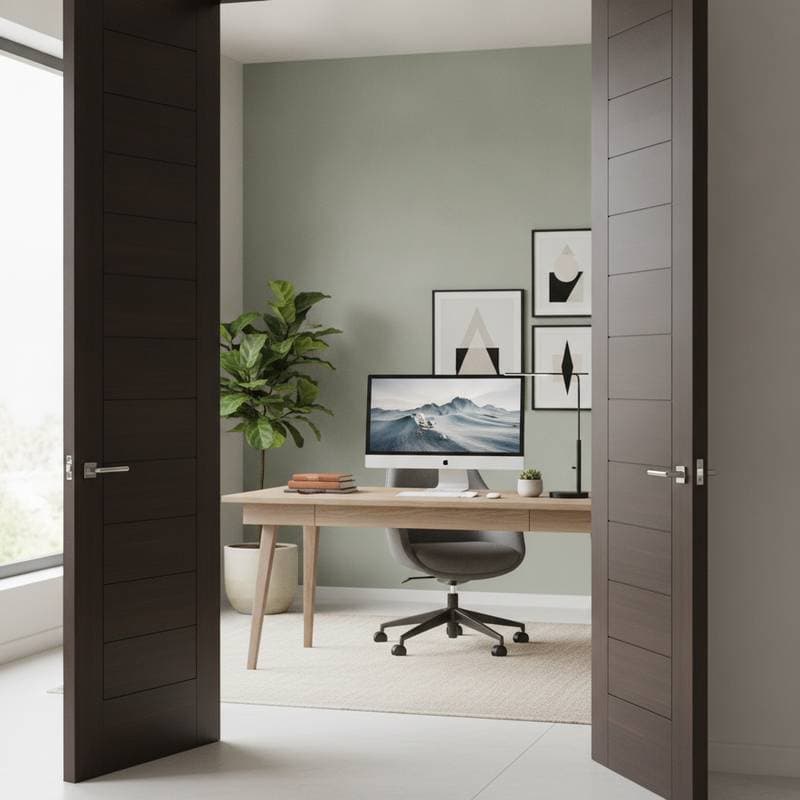
- Doors: Match with insulated steel or solid-core entries. Laminated inserts in decorative panels preserve acoustics. Seals and low thresholds on multi-panel doors enhance functionality.
- Siding: Lap styles in fiber cement or synthetic wood accentuate clean window geometries. Steer clear of rough textures that compete visually.
- Hardware and Lighting: Uniform finishes, such as black or nickel, create rhythmic continuity.
Customizing for Individual Needs
Acoustic windows blend technical precision with expressive design. They deliver quietude while honoring personal tastes, from metallic sheens to wooden warmth.
Begin assessments in noise-vulnerable zones and expand progressively. Prioritize replacements for maximum impact, scaling with resources.
These innovations mark progress in city living, preserving external dynamism while crafting internal oases of repose.