How Acoustic Doors Reduce Home Noise by Up to 80 Percent
Unwanted noise disrupts daily life, whether from traffic outside or conversations within the home. Acoustic doors provide a reliable solution by blocking sound transmission effectively, often achieving reductions of up to 80 percent compared to standard doors. These doors suit various needs, such as creating a quiet home office or enhancing privacy in family areas. Before investing, consider key aspects like performance metrics, pricing, and setup requirements to ensure the upgrade meets expectations.
Understanding Acoustic Door Functionality
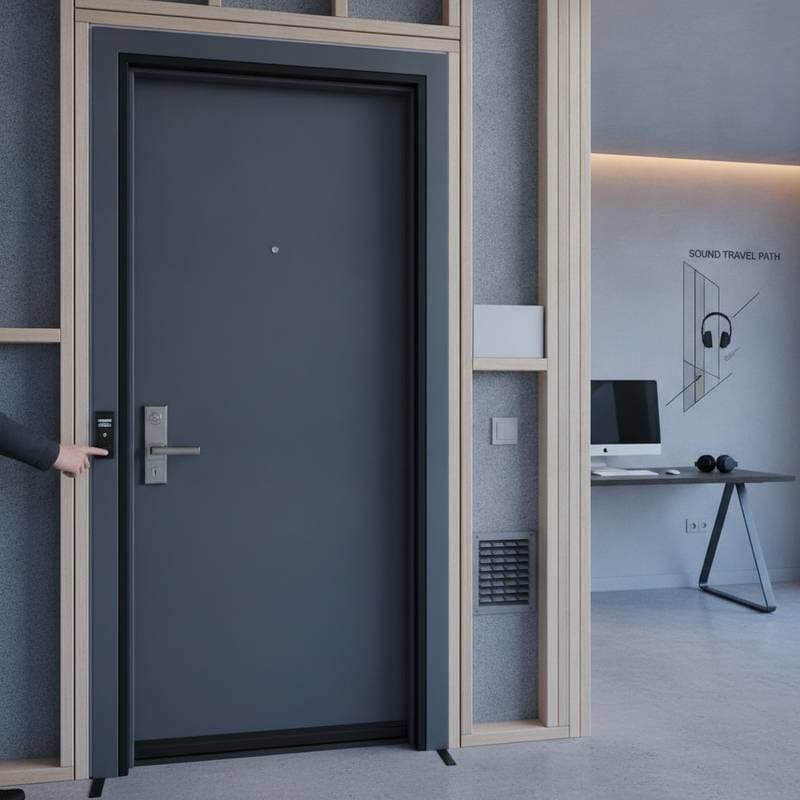
Acoustic doors feature dense cores, sealed edges, and layered constructions that absorb and block sound waves. Manufacturers rate them using the Sound Transmission Class (STC) system, which quantifies sound isolation. A basic hollow-core door typically scores 20 to 25 on the STC scale, allowing significant noise leakage. In contrast, premium acoustic doors achieve ratings of 45 or more, where each 10-point increase halves the perceived volume, delivering noticeable quiet in everyday settings.
To select the right door, evaluate the noise sources in your home. For moderate disturbances like distant traffic, an STC 35 model suffices. High-demand areas, such as music rooms, benefit from STC 45 options. Testing involves measuring decibel reduction in specific frequencies, ensuring the door addresses your primary concerns.
Pricing for Acoustic Door Installation
Installation costs for acoustic doors range from $800 to $3,500 per unit, covering materials and labor. Factors like door specifications and site conditions influence the final price. Interior versions cost less than exterior ones, which demand weather-resistant features and enhanced insulation.
| Material/Service | Cost Range | Key Features |
|---|---|---|
| Hollow-core upgrade | $800 to $1,200 | Affordable entry point with basic sound dampening |
| Solid wood acoustic | $1,200 to $2,500 | Superior noise isolation paired with elegant styling |
| Composite acoustic | $1,500 to $3,000 | Robust build, high STC performance, easy upkeep |
| Custom design or size | $2,000 to $3,500 | Personalized dimensions ideal for specialized rooms |
Budget for extras like frame modifications or sealants, as these elements ensure peak performance. Obtain quotes that detail all components to avoid surprises.
Factors Influencing Acoustic Door Costs
Door material plays the primary role in determining expense, with solid wood or composites offering better soundproofing at a higher price than basic upgrades. STC rating also affects cost; a model at STC 35 often prices 25 percent below an STC 45 equivalent due to simpler construction.
Installation demands vary by site. Uneven frames or non-standard openings require jamb reshaping or threshold adjustments, adding labor fees. Aesthetic choices, such as custom veneers or hardware, elevate the total while integrating seamlessly with home interiors. Review these elements during planning to align spending with desired outcomes.
Ideal Locations for Acoustic Doors
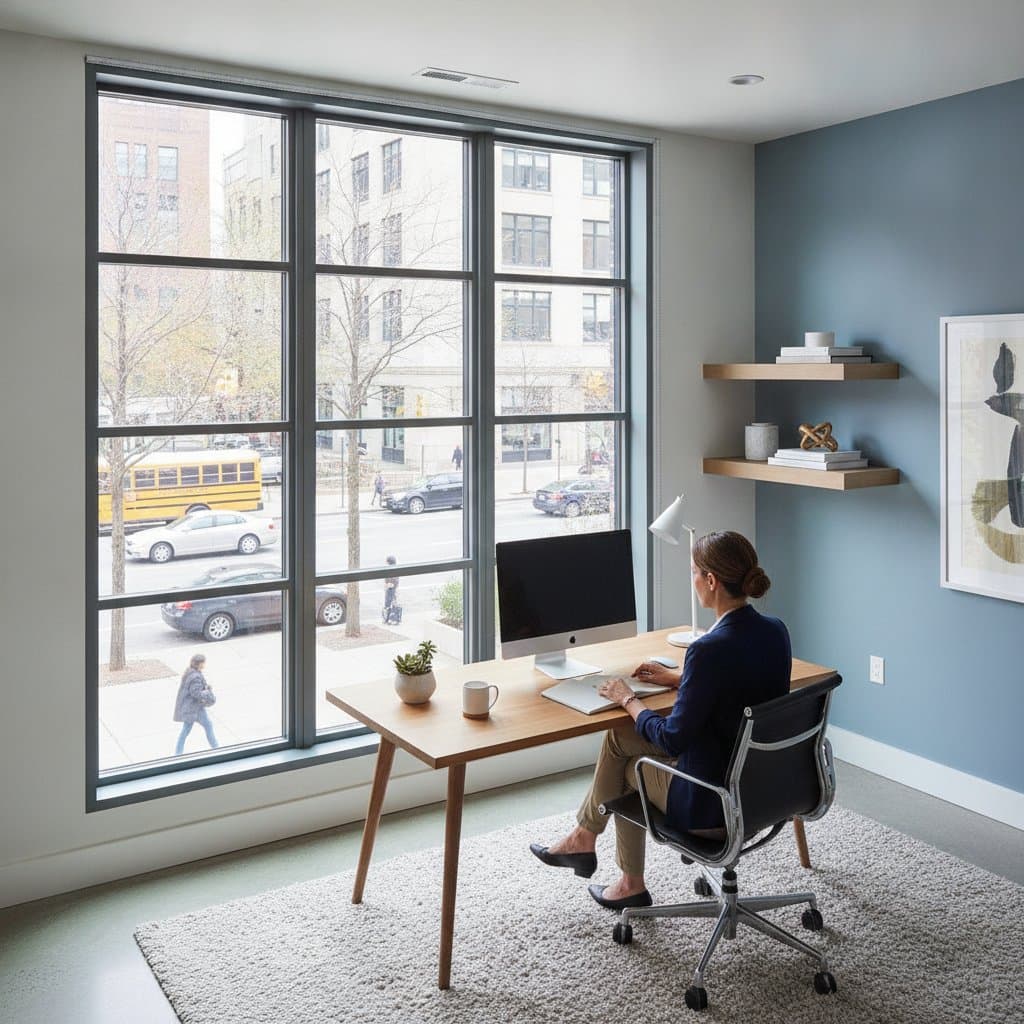
Targeted placement maximizes the impact of acoustic doors. In home offices, they minimize external distractions, supporting productive work environments. Bedrooms gain from reduced hallway or street sounds, fostering restful sleep.
Entertainment spaces like home theaters or studios contain audio for immersive experiences without disturbing others. In multi-level homes, these doors limit noise travel between floors, promoting harmony in shared areas. Prioritize rooms with the greatest noise issues, then scale installations as resources permit.
Choosing Between DIY and Professional Installation
Standard doors may suit DIY efforts, but acoustic models require exacting precision to maintain seals and gaps under 1/8 inch. Small imperfections can halve noise reduction, undermining the investment.
Professional services ensure optimal results. Certified installer Tom Riley of SoundGuard Interiors notes, “Acoustic doors only perform as well as their seals. We often see homeowners lose half the expected noise reduction because of improper fit or missing gasketing.” Opt for experts familiar with acoustic hardware to achieve full benefits and avoid costly fixes.
Decoding STC Ratings for Soundproofing
STC ratings offer a standardized benchmark for door performance. Lower scores provide minimal barriers, while higher ones deliver robust isolation.
| STC Rating | Noise Reduction Level | Common Use |
|---|---|---|
| 25-30 | Basic privacy | Everyday interior separations |
| 30-35 | Noticeable improvement | Quiet zones like bedrooms |
| 35-40 | Strong noise control | Media rooms or external walls |
| 40-50 | Advanced soundproofing | Professional studios |
Aim for STC 35 to 40 in residential settings, balancing efficacy with affordability. Verify ratings through independent lab tests when comparing products.
Upkeep and Durability of Acoustic Doors
These doors demand little ongoing care. Inspect seals biannually for wear, replacing any damaged gaskets to preserve the sound barrier. Wipe surfaces with mild cleaners appropriate for the finish, steering clear of excess moisture near edges.
Built with solid materials, acoustic doors endure for decades, outlasting hollow alternatives in both noise control and structural integrity. Regular checks extend lifespan, maintaining consistent performance over time.
Styling and Customization Choices
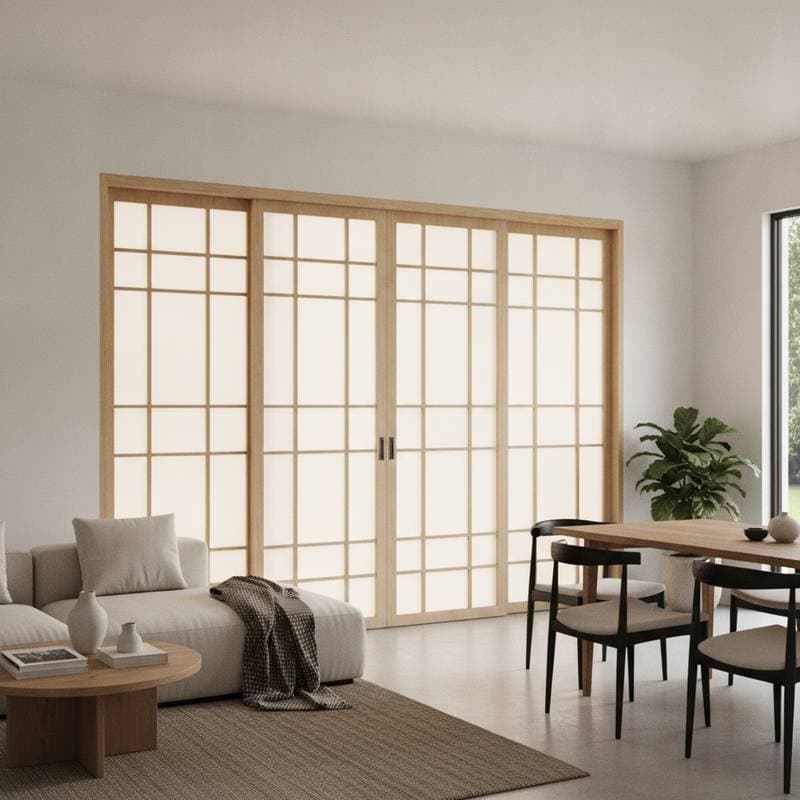
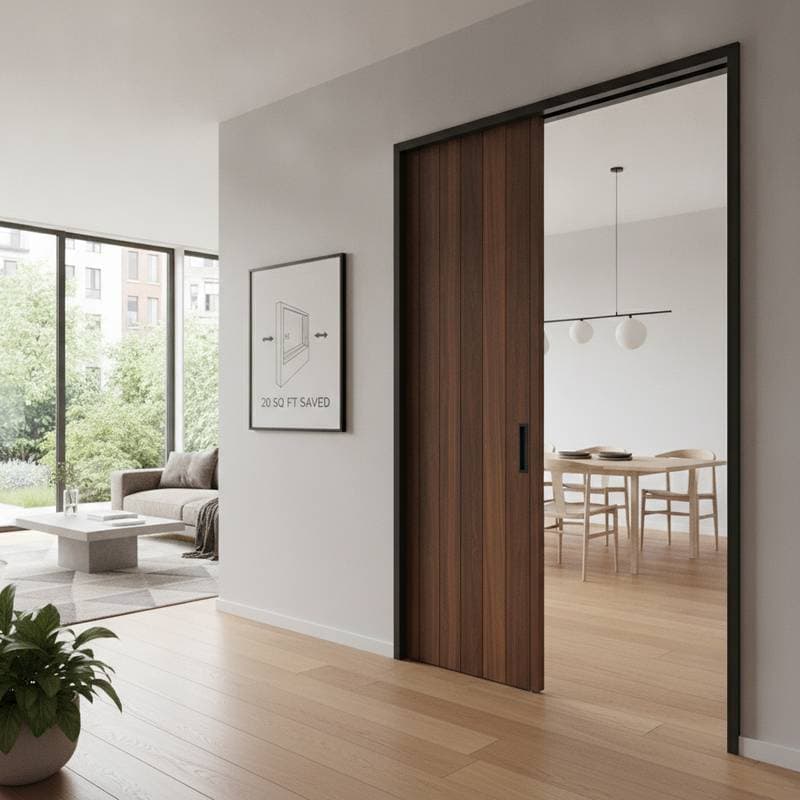
Contemporary designs make acoustic doors versatile for any interior. Options include painted MDF for clean lines, wood veneers for warmth, or laminates for practicality. Glass inserts with laminated panels add light without sacrificing soundproofing.
Thicknesses from 1.75 to 2.25 inches accommodate standard frames, with adjustments for thicker profiles. Coordinate with trim and flooring during renovations for unified aesthetics. Manufacturers provide bespoke colors and motifs, ensuring functionality complements style.
Additional Energy Savings
Beyond sound management, acoustic doors enhance insulation by sealing air paths. This reduces drafts, stabilizes temperatures, and cuts utility bills for heating or cooling. The combined advantages position them as multifaceted upgrades for modern homes.
Overcoming Installation Hurdles
Common challenges include aligning uneven frames or integrating with existing hardware. Measure openings precisely before purchase to prevent resizing needs. For older homes, reinforce jambs if vibrations from closing doors pose issues.
Address threshold gaps with automatic door bottoms that deploy upon closure. If wiring for smart locks complicates seals, consult specialists early. Proactive planning resolves most obstacles, ensuring smooth execution.
Steps to Implement Your Acoustic Upgrade
Begin with a professional assessment to identify suitable locations and specifications. Gather quotes specifying STC levels, materials, and warranties from multiple providers. Select doors that match your budget and design vision.
Post-installation, evaluate effectiveness by testing sound levels across the door. Enjoy the enhanced tranquility, privacy, and efficiency that these doors bring to daily living. This investment yields long-term comfort tailored to your home's unique demands.