Acoustic Doors Reduce Noise by 80 Percent in Open Floor Plans
Open floor plans offer homeowners bright and connected living areas. Noise from conversations, televisions, and kitchen activities often travels across these expansive spaces, hindering focus and relaxation. Acoustic doors address this issue effectively. When installed correctly, these doors reduce noise transmission by up to 80 percent, establishing serene zones while preserving the open design.
This guide details the mechanisms behind acoustic doors' sound reduction capabilities, associated costs, and selection criteria. It includes perspectives from installation professionals and practical maintenance strategies to sustain performance over time.
Mechanisms of Noise Reduction in Acoustic Doors
Acoustic doors minimize sound transmission through the door slab and surrounding frame. The essential metric for evaluation is the Sound Transmission Class (STC) rating. A typical interior door achieves an STC of approximately 25, allowing conversations to penetrate easily. Residential acoustic doors commonly attain STC ratings of 40 to 50, which block substantial everyday noise and diminish perceived sound levels by about 80 percent.
Essential Construction Elements
Superior acoustic doors incorporate dense materials, including engineered wood or composite cores integrated with sound-absorbing layers. Certain models feature laminated barriers or mineral wool cores that dampen vibrations effectively.
Perimeter Sealing Techniques
Seals around the door's edges play a critical role in performance. Acoustic gaskets, designed to compress firmly against the frame, eliminate air gaps. Bottom drop seals activate upon door closure, creating a complete threshold seal without floor contact.
Frame and Hardware Integration
Installation quality determines overall effectiveness. Frames require reinforcement and filling to block sound leaks. Robust hinges and latches promote secure closure each time.
As Jason Miller, contractor at QuietSpace Installations, observes, most sound leakage occurs through air pathways. A well-constructed acoustic door paired with appropriate seals achieves significant noise reduction, provided the frame and hardware align with these standards.
Material Comparisons for Optimal Sound Control
Material choices impact both acoustic performance and aesthetic appeal. Select based on desired appearance and required noise isolation level.
| Material | Cost Range | Sound Performance | Maintenance Needs | Design Flexibility |
|---|---|---|---|---|
| Solid Wood | $1,200 to $2,500 | Moderate (STC 35-40) | Low | Natural finishes, traditional style |
| Engineered Composite | $2,000 to $3,500 | High (STC 40-50) | Low | Paintable, modern look |
| Glass with Laminate Layers | $3,000 to $6,000 | Moderate to High (STC 38-48) | Medium | Bright and open appearance |
| Metal-Core Hybrid | $2,800 to $4,800 | Very High (STC 45-55) | Low | Contemporary design, durable |
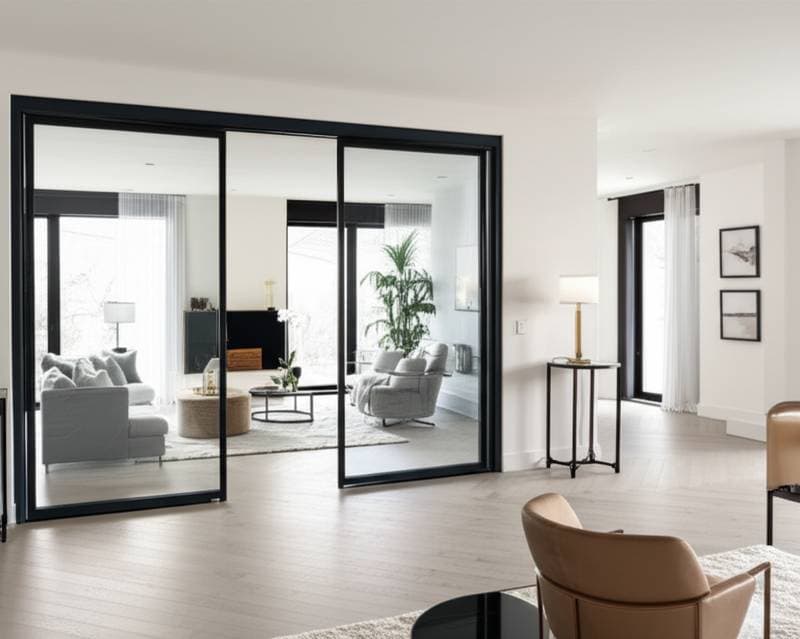
In open floor plans, laminated glass acoustic doors provide an ideal combination of visibility and sound control. These designs employ multiple glass panes separated by acoustic interlayers that absorb vibrations.
Key Factors Affecting Installation Costs
Multiple variables determine the expense of an acoustic door project.
- Door dimensions: Larger openings demand thicker cores and customized seals.
- STC rating: Higher ratings necessitate denser materials, elevating costs.
- Frame adjustments: Adapting a standard frame for acoustic use adds $400 to $800.
- Finishes and hardware: High-end veneers, glass elements, or ornate hardware raise prices.
- Installation demands: Retrofitting existing doorways proves more economical than creating new openings in load-bearing walls.
Consult an installer for a precise quote following an evaluation of your space and acoustic objectives.
Strategies for Sustaining Acoustic Performance
Acoustic doors demand little routine care, yet regular checks preserve their efficacy.
- Inspect seals periodically: Gaskets may degrade with use. Close the door and listen for air flow to assess integrity.
- Maintain sliding tracks: Remove dust and debris from channels in sliding door models.
- Apply lubricant to components: Treat hinges and rollers with silicone spray biannually, avoiding oil-based products.
- Control environmental factors: Stabilize indoor humidity to prevent expansion or contraction in wood-core doors.
Regular attention ensures these doors retain their sound-blocking properties for many years.
Indicators for Acoustic Door Installation
Consider upgrading if your open floor plan exhibits these noise challenges:
- Difficulty concentrating on work or studies amid ambient sounds.
- Audible conversations traveling between rooms.
- Home theater audio disrupting adjacent sleeping areas.
- Desire for enhanced quiet in bedrooms without full-scale renovations.
Addressing these through acoustic doors elevates everyday comfort substantially.
Additional Advantages in Energy Efficiency and Comfort
Acoustic doors extend benefits beyond sound management to thermal regulation. Dense constructions and secure seals enhance insulation, retaining conditioned air and stabilizing temperatures. They also promote zoned privacy while upholding design unity.
In expansive areas, pair acoustic doors with rugs, soft furnishings, and absorptive wall treatments for comprehensive acoustic enhancement.
Steps to Implement Acoustic Upgrades
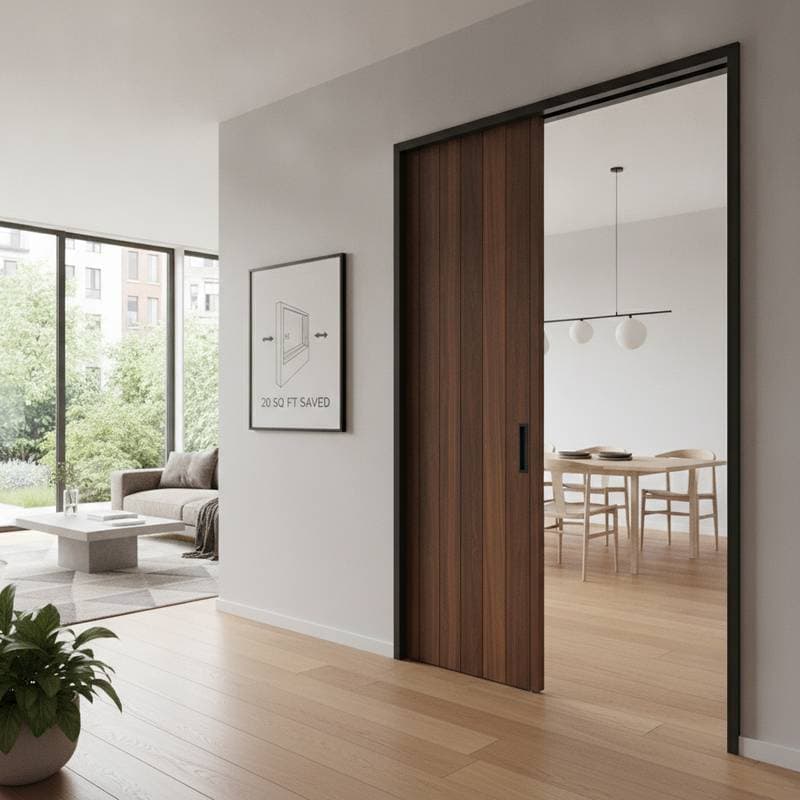
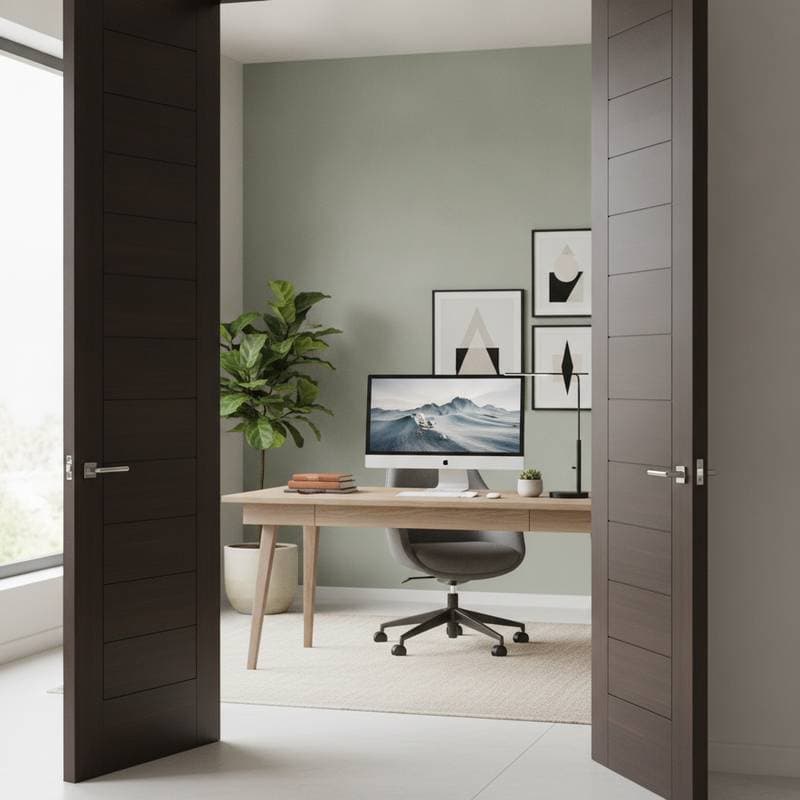
Installing acoustic doors restores tranquility to open floor plans without altering contemporary aesthetics. Identify high-noise zones first, then evaluate hinged versus sliding configurations for your architecture. Obtain quotes from certified acoustic specialists, scrutinizing materials and STC specifications.
Post-installation, observe reduced sound propagation: dialogues remain localized, audio playback avoids reverberation, and personal spaces gain true seclusion. Proper execution and upkeep convert open layouts into serene, practical havens blending form and function seamlessly.