Why Soft-Close Rails Rule Barn Doors in 2025
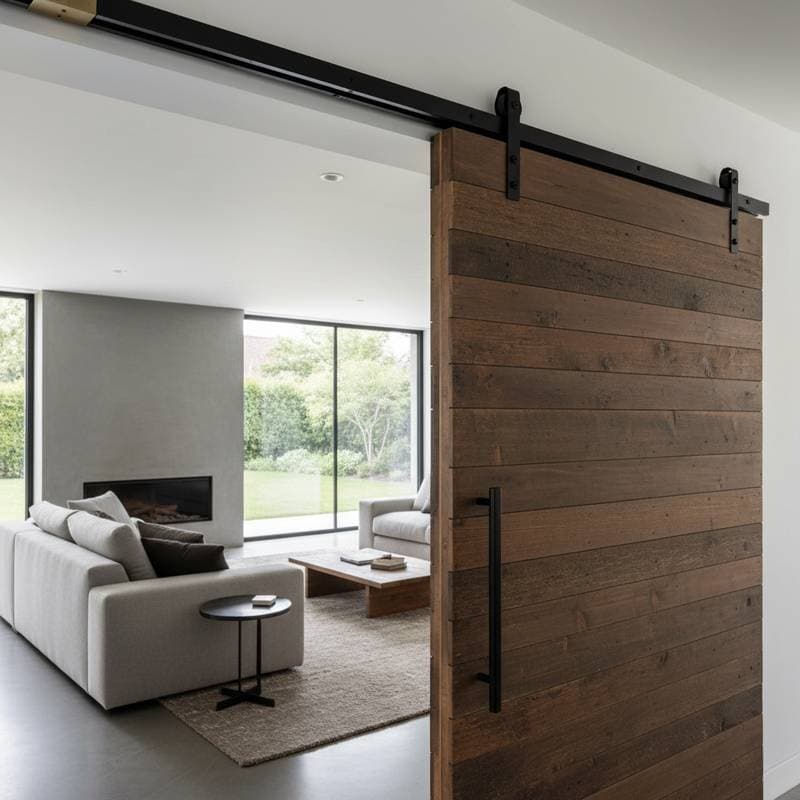
Barn doors have evolved from rustic farmhouse accents to essential elements in sleek modern interiors. These doors save space with their sliding mechanism and add architectural character through their bold presence. Soft-close rails represent the key advancement in this evolution. This technology, once reserved for high-end installations, now sets the standard for superior barn door performance. It provides smoother operation, reduced noise, and enhanced durability, accommodating both minimalist contemporary designs and classic traditional aesthetics.
The Shift Toward Quiet Precision
Barn doors initially gained popularity for introducing warmth and texture into living spaces. Homeowners appreciated the charm of reclaimed wood paired with dark hardware and the convenience of a gliding door that avoids swinging into rooms. However, regular use revealed limitations in basic systems. Standard rails often produced rattling sounds or abrupt slams, while rollers degraded rapidly from ongoing friction.
Soft-close rails address these issues through an integrated mechanism that engages just before the door reaches its closed position. This component gently decelerates the door, ensuring a controlled stop. The design minimizes damage to surrounding surfaces, limits noise propagation between rooms, and simplifies handling of substantial door weights. Consequently, the door conveys the impression of artisanal construction supported by precise engineering.
Three Ways to Get This Look
Save Approach ($250 - $500)
- Select an entry-level steel rail kit featuring a built-in soft-close damper for reliable performance.
- Pair it with prefinished pine or engineered wood doors to control expenses effectively.
- Implement a single-door setup to reduce hardware requirements and installation complexity.
- Allocate additional funds to premium roller bearings, as they directly impact the overall glide quality.
Mid-Range Approach ($600 - $1,200)
- Choose powder-coated hardware in matte black or brushed nickel finishes to ensure long-term durability.
- Select a solid wood or composite core door enhanced with decorative planks or panels for visual interest.
- Incorporate dual soft-close mechanisms that operate in both directions for balanced functionality.
- Install matching track covers or fascia boards to hide mounting brackets and achieve a streamlined profile.
Invest Approach ($1,300 - $3,000)
- Opt for architectural-grade stainless steel or brass rails engineered for whisper-quiet movement.
- Integrate custom millwork doors that include inset glass or metal accents for personalized style.
- Combine the system with concealed floor guides to create a seamless floating-door illusion.
- Add smart dampers with adjustable tension settings to customize the closing speed and force.
Soft-close rails deliver luxury elements across various budgets, enhancing practicality in renovations or custom projects.
Material and Finish Guide
High-tensile steel or aluminum rails, finished in matte black, oil-rubbed bronze, or satin nickel, complement diverse interior schemes. In coastal or humid environments, stainless steel rails offer essential corrosion resistance. White oak, alder, and maple woods provide enduring natural appeal for doors, while painted MDF or veneer options suit modern settings with their ease of maintenance. Metal-framed glass doors deliver a bold statement in industrial or minimalist designs.
Oversized pulls in blackened steel or brushed brass provide visual balance for heavier doors. Flush-mounted pulls prove ideal for areas with limited wall clearance. Floor or wall-mounted guides crafted from nylon or rubber prevent surface scratches. Coordinate stopper finishes with primary hardware to maintain visual harmony throughout the installation.
These selections combine robustness, sophistication, and minimal upkeep. Careful coordination results in a cohesive design that appears deliberate in every detail.
Maintenance Reality Check
Although soft-close rails minimize general wear, routine care sustains optimal function. Dust and debris accumulate in tracks or dampers, particularly in busy locations. Perform a vacuum or wipe-down every few months to preserve smooth operation. Most units incorporate self-lubricating elements, eliminating the need for frequent oiling, but regular alignment checks of rollers ensure even closure.
Wooden doors respond to humidity fluctuations with potential shifts in alignment. Adjust hangers seasonally to maintain proper wall clearance. Metal-framed doors resist warping better yet require bolt tightening after extensive use. Verify that all screws remain secure and dampers activate uniformly on both sides of the door.
Avoid These Mistakes
Installing standard rails to cut initial costs frequently results in ongoing noise and structural stress. Retrofitting soft-close features later incurs higher expenses than incorporating them from the outset. Exceeding a rail system's weight capacity overburdens dampers and accelerates component failure. Always verify the maximum load specifications before selection.
Inadequate wall reinforcement compromises heavy door stability. Secure tracks into solid backing rather than relying on drywall alone to prevent sagging or misalignment. Excessive decorative elements on the door surface disrupt the track's clean lines, particularly in contemporary spaces. Maintain simplicity to highlight the hardware's elegance.
Insufficient clearance planning leads to operational conflicts. Measure door projection from the wall and assess interference from furniture, switches, or trim during full travel.
Color and Style Coordination
Soft-close barn doors adapt seamlessly to styles ranging from farmhouse warmth to ultramodern precision. Success depends on harmonious color and finish integration.
Palette Suggestions:
- Modern Farmhouse: Pair a white oak door with matte black hardware against warm white walls, accented by brushed brass pulls.
- Industrial Chic: Use a charcoal gray metal-framed glass door with graphite rails over deep walnut floors.
- Scandinavian Minimalism: Feature pale ash wood with satin nickel hardware alongside soft beige or gray walls.
- Classic Contemporary: Install a painted navy door with polished chrome rails and crisp white trim.
- Natural Texture Blend: Combine reclaimed pine with oil-rubbed bronze rails against terracotta wall tones.
Align hardware finishes with adjacent elements like lighting or cabinetry. Consistent color temperatures among metal components unify the overall aesthetic.
Function Meets Design
Beyond silent operation, soft-close rails embody a commitment to performance-oriented aesthetics. Modern homeowners demand hardware that improves everyday interactions without detracting from visual harmony. A soft-close barn door projects deliberate design, closing with composed accuracy and evoking superior craftsmanship in any setting.
This refinement extends barn doors' suitability to urban condos, professional offices, and serene bathrooms. In noise-sensitive areas, the mechanism prioritizes acoustic control alongside stylistic impact.
Budget Decisions That Matter Most
Key choices in barn door projects center on hardware quality, door construction, and setup approach.
Premium rail systems in solid steel or aluminum with sealed bearings guarantee extended service life. Engineered door cores prevent warping and lighten the load on tracks, while solid wood delivers classic durability with vigilant environmental management. Professional installation secures precise alignment, though capable DIY efforts succeed with adequate tools and secure wall preparation.
Strategic allocation across these areas controls costs while upholding dependability.
Why the Trend Has Staying Power
Soft-close rails endure as a staple due to their solution of practical daily challenges. Their understated innovation registers through tactile experience rather than overt visibility. Users sense the enhanced quality in each effortless closure, elevating the home's overall perception.
Professionals endorse this feature for its protective qualities. Abrupt door movements risk surface damage or hardware loosening; soft-close systems avert such concerns, safeguarding long-term integrity. In property markets, these refinements signal thoughtful construction to prospective buyers.
Planning Your Installation
Design Documentation Checklist
- Capture detailed photographs of the wall and surrounding areas from various perspectives.
- Document architectural features affecting scale, including ceiling height, trim thickness, and molding contours.
- Review local or building codes regarding exposed hardware finishes and door configurations.
- Assess environmental factors like humidity or temperature variations that influence material stability.
- Calculate precise measurements for door width, track length, and required wall space to avoid fit issues.
Bringing It All Together
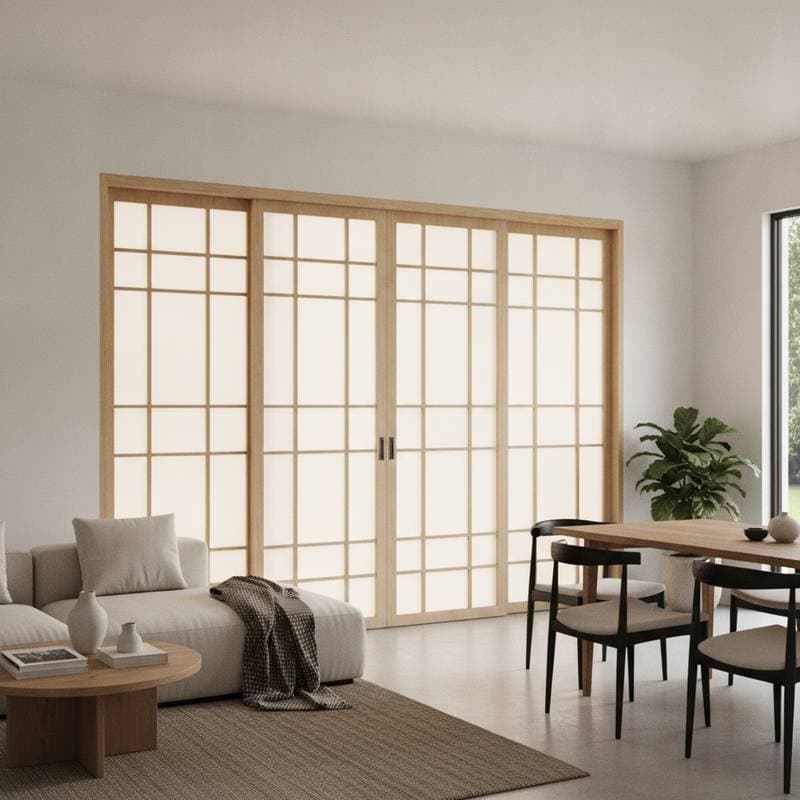
Soft-close rails elevate barn doors from simple partitions to sophisticated design assets. They fuse traditional appeal with advanced functionality, adapting rustic origins to refined applications. Versatility defines their strength: a white oak panel suits cozy farmhouses as readily as frosted glass enhances loft minimalism.
For remodels or new constructions, these systems offer enduring elegance, ease, and resilience. Strategic material choices, finish alignments, and budget focus transform the door into an integral narrative element, where every motion contributes to spatial harmony.